

How an Israeli workplace productivity company wound up on the front lines of quake relief
The philanthropic arm of work management software maker Monday.com sends teams to disaster zones around the world, using AI tech to help organize often-chaotic emergency response efforts
 Add ToI as a Preferred Source on Google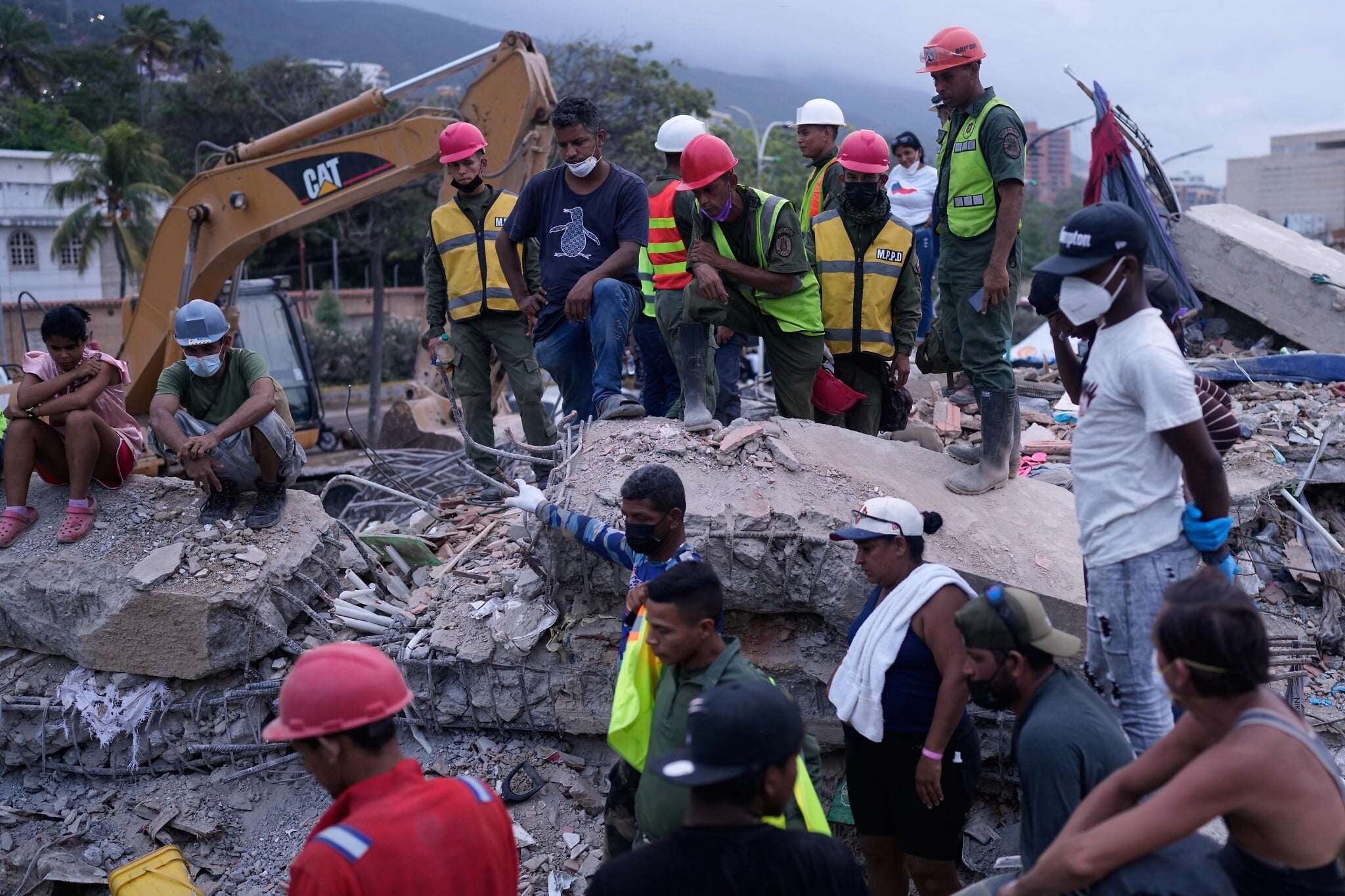
In June, twin earthquakes toppled dozens of apartment buildings in Venezuela, killing thousands, burying survivors in rubble and prompting mass evacuations across a swath of the country.
Six weeks later, on August 10, a powerful temblor originating 66 miles beneath the earth’s surface rocked neighboring Colombia, killing more than 300. Plumes of dust rose into the sky as buildings collapsed and residents sought refuge on city streets.
As with most natural disasters, a range of groups was involved in the responses to the earthquakes, from domestic governmental agencies to foreign missions and NGOs.
One delegation to both disasters did not fit the typical mold, though – members of a foundation run by the Israeli tech company Monday.com, a publicly traded software firm that provides work management platforms and AI services to businesses.
The Monday.com Foundation’s Emergency Response Team dispatches personnel to disaster zones, where they leverage the firm’s technology to help first responders deal with the chaos that follows catastrophes like earthquakes.
The team is an example of a for-profit company filling in technological gaps in the nonprofit sector and sidestepping some of the political tensions in disaster relief for countries like Israel, even if private sector interference can sometimes create issues in emergencies.
“When we arrive in the field, we try to understand what’s going on, how the organization is responding to the disaster, and what are their pain points,” said Myriam Kuperman, who heads the Emergency Response Team. “Usually these organizations know best which challenges they have.”
Adapting workplace software for disaster zones
Monday.com’s Emergency Response Team is run through the Monday.com Foundation, the company’s philanthropic arm established in 2021. The foundation registered in Israel in 2024 as a public benefit company, a type of organization that operates similarly to a nonprofit but under a more corporatized structure that allows a commercial enterprise to maintain effective control.
Founded in 2012, Monday.com has built a software platform for users to manage all of their work tasks from one centralized hub, including project management, marketing campaigns and customer and sales management projects. The company has headquarters in Tel Aviv and New York and says that more than 250,000 customers use its AI work platform.
Kuperman, who is originally from Chile, has worked in disaster management and response for the past decade at the United Nations and as the executive director of the CADENA Foundation, a humanitarian organization rooted in Jewish communal values that responds to emergencies and disasters. Kuperman moved to Israel to get her master’s degree in disaster management at Tel Aviv University, began working at the Monday.com Foundation, became a citizen, and joined the Emergency Response Team in 2022.
Kuperman said that, while each disaster and region is unique, a common problem for responders is that information is not organized on a centralized platform.
Relief personnel from different groups, thrown together in a disaster’s aftermath, often record or share information manually via methods such as WhatsApp, emails and pen and paper.
Transcribing that information to a centralized system is a labor-intensive job that can take days – a lag that can be crucial when searching for survivors and treating victims. Information visibility, transparency in how resources are deployed, and awareness of how organizations are responding are all vital in a crisis, Kuperman said.
That is where Monday.com’s technology can come into play as the firm adapts its platforms for organizing and automating company workflows to disaster relief.
“We bring our consulting processes [and] help them understand what they are lacking, what they need, and based on that we provide the solutions they need to do that,” Kuperman said.
“Tools like Monday can really help [the organizations] not only have everything in one place,” she said, “but allow them to arrive quicker to the field and to better understand what these communities need.”
Tech gaps in the nonprofit sector
Jeffrey Schlegelmilch, the faculty director for Columbia University’s National Center for Disaster Preparedness, said he supports the private sector assisting in emergencies and natural disasters, but cautioned that it needs to be done for the right reasons and in the right way.
“We see examples across the board of where some companies really do invest heavily in response, but also preparedness, and put a lot of structure around these teams,” said Schlegelmilch. “And then others, where it’s very performative and very ad hoc. The wrong reasons ultimately lead to bad outcomes.”
He said that technology in the nonprofit sector was “generations behind” leading technology companies. For example, nonprofits’ outdated procurement practices put them at a disadvantage when competing for goods and services, and slow security protocols can expose the groups to data breaches, he said.
Those deficiencies mean that “you see technological barriers all the time in disasters,” he said.
While it may be beneficial and useful for companies to offer pro bono solutions, they should not be seen as a replacement for emergency response management by local authorities, Schlegelmilch added.
“I think where companies go wrong is where they think, ‘Here’s a solution, you should adopt this,’ and they try and force-feed their solution to a community that’s busy trying to put out fires and evacuate people,” Schlegelmilch said. “Where we hear good stories is where they have a team of experts that embed with the team and are able to work with them, help them get organized in a way that is a net positive, and doesn’t take away from the response, but contributes to it.”
The Monday.com Foundation appears to be following those guidelines, providing resources to organizations on the ground in affected regions and allowing local communities to prioritize their own needs.
Company co-founder Roy Mann told investors on an earnings call in 2021 that the firm’s philanthropic efforts aimed to fill technological gaps and was tied to its larger “sense of responsibility.”
“We see that many nonprofit organizations have a massive technological divide, a divide that prevents them from making the impact that they seek. Our equal impact initiative aims to close that digital divide,” he said.
‘Life or death’ at a Caracas Jewish center
In Venezuela, the Emergency Response Team worked with the Red Cross and CADENA, though it waited until after search-and-rescue organizations had started their work, assessing that was when their contribution would be most effective.
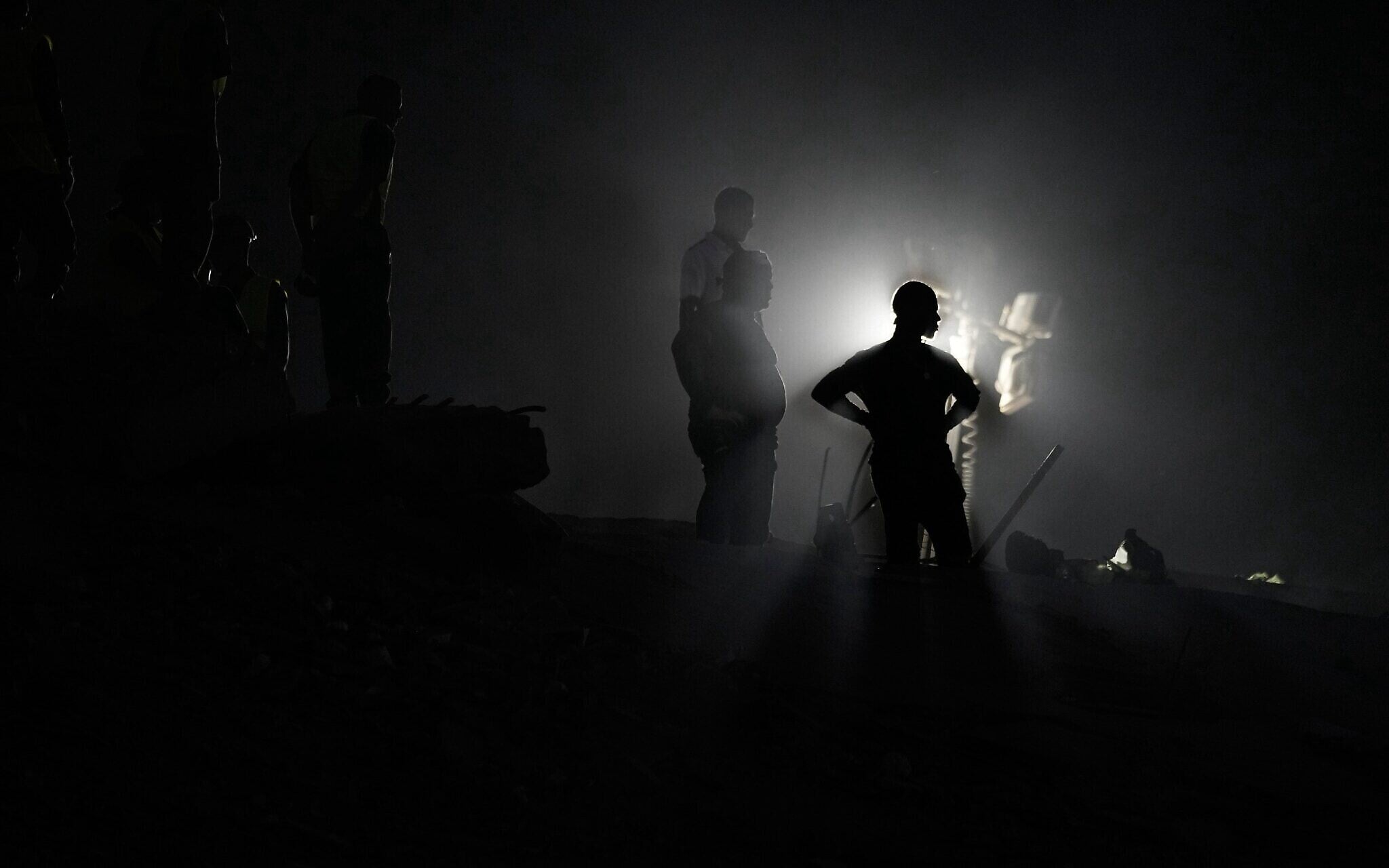
“Each actor plays a different role, different timing, and we need to be respectful to those that are saving lives, taking bodies and people out of the rubble,” said Kuperman, who deployed on the ground. “There’s a moment to organize and plan the response, but I would say that always comes after the first 72 hours.”
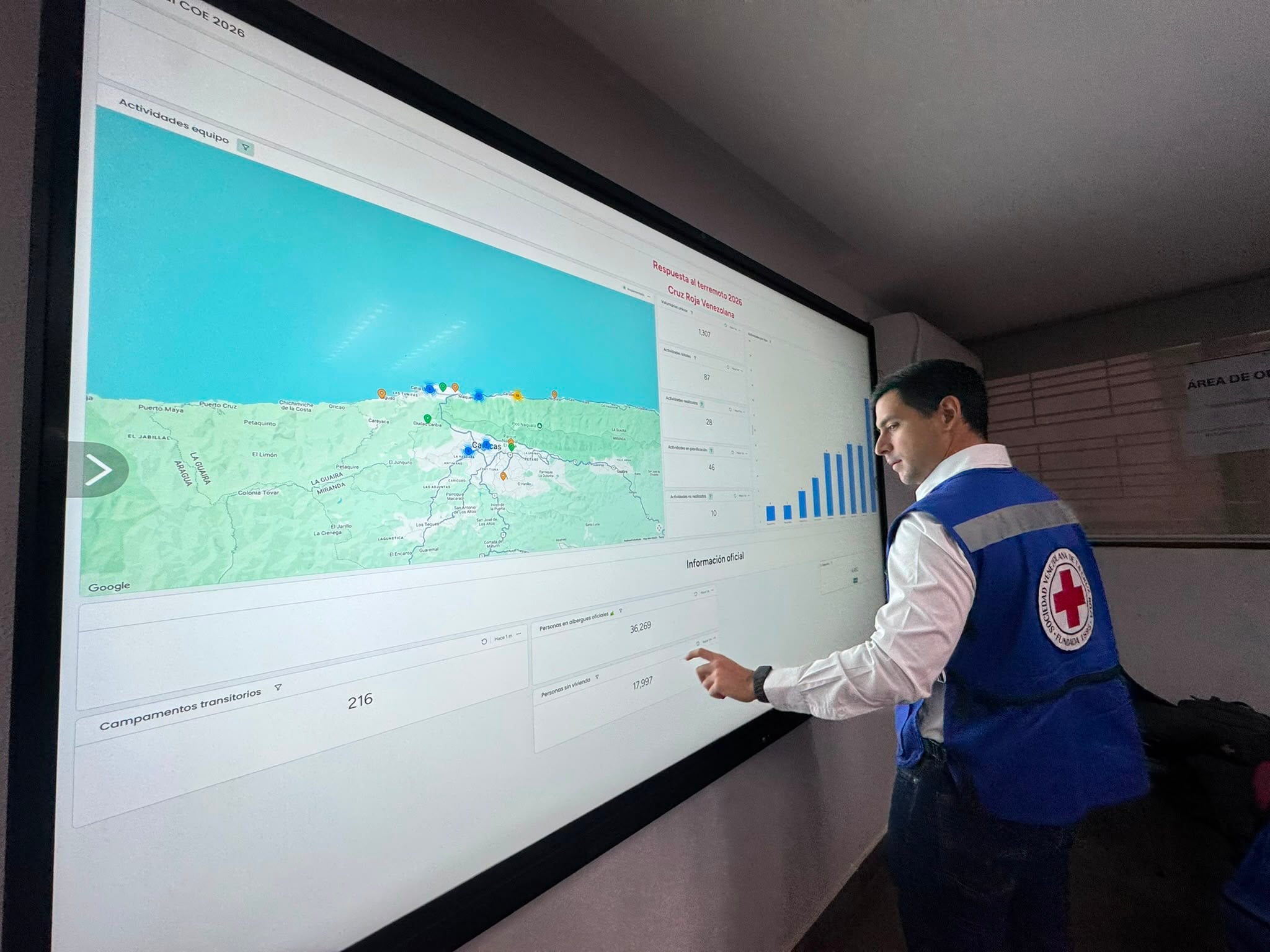
Backed by a team in Israel providing remote support, the foundation provided strategic and operational support for the Red Cross, setting up a hub for the organization’s information about the earthquake, Kuperman said. The Red Cross provided thousands of people with medical care and clean water and mobilized over 1,500 volunteers.
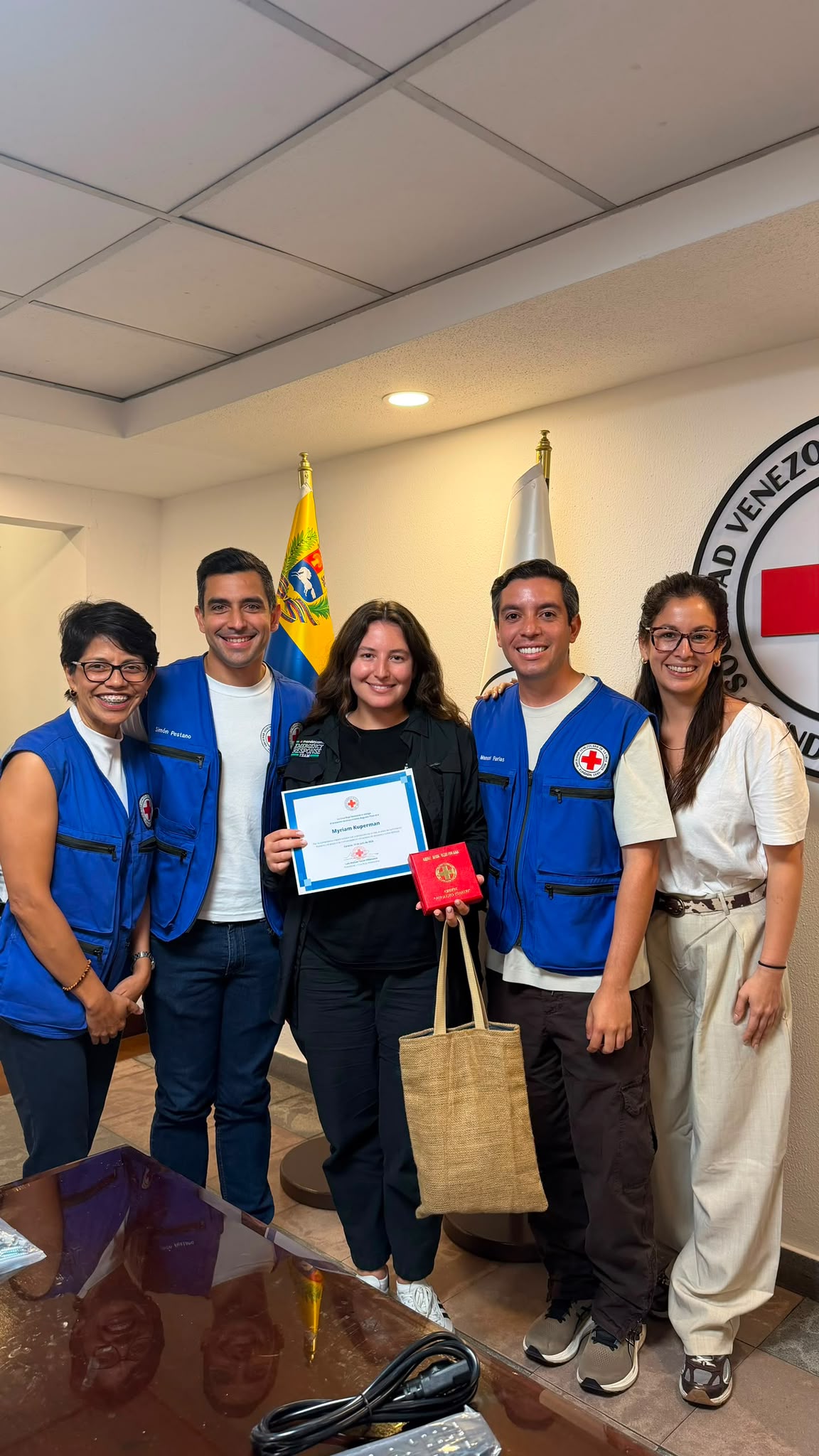
Kuperman also brought a Monday.com business employee, Samuel Ducoff, to Venezuela to help implement the company’s systems. Ducoff, a customer experience manager, speaks English, Spanish and Portuguese – all assets in Latin America – and volunteered to go to Venezuela.
“Being down there, it was all proactive,” Ducoff said. “It was a totally different mindset than helping my clients, which is all reactive work.”
While in Caracas, Ducoff worked with both the Red Cross and CADENA, creating communication systems to coordinate volunteers, using AI to build dashboards for the nonprofits and battling internet access issues.
Information had been recorded on paper or whiteboards, so Ducoff built a digital map where volunteers checked in, organizations tracked who was onsite and what supplies they brought, updated inventory, and streamlined physical donations.
At one point, he worked out of a Jewish complex in Caracas.
“Being with the Jewish community in Venezuela was the best part. It made me feel like I was with my people,” Ducoff said. “Everything meant so much more. This was life or death.”
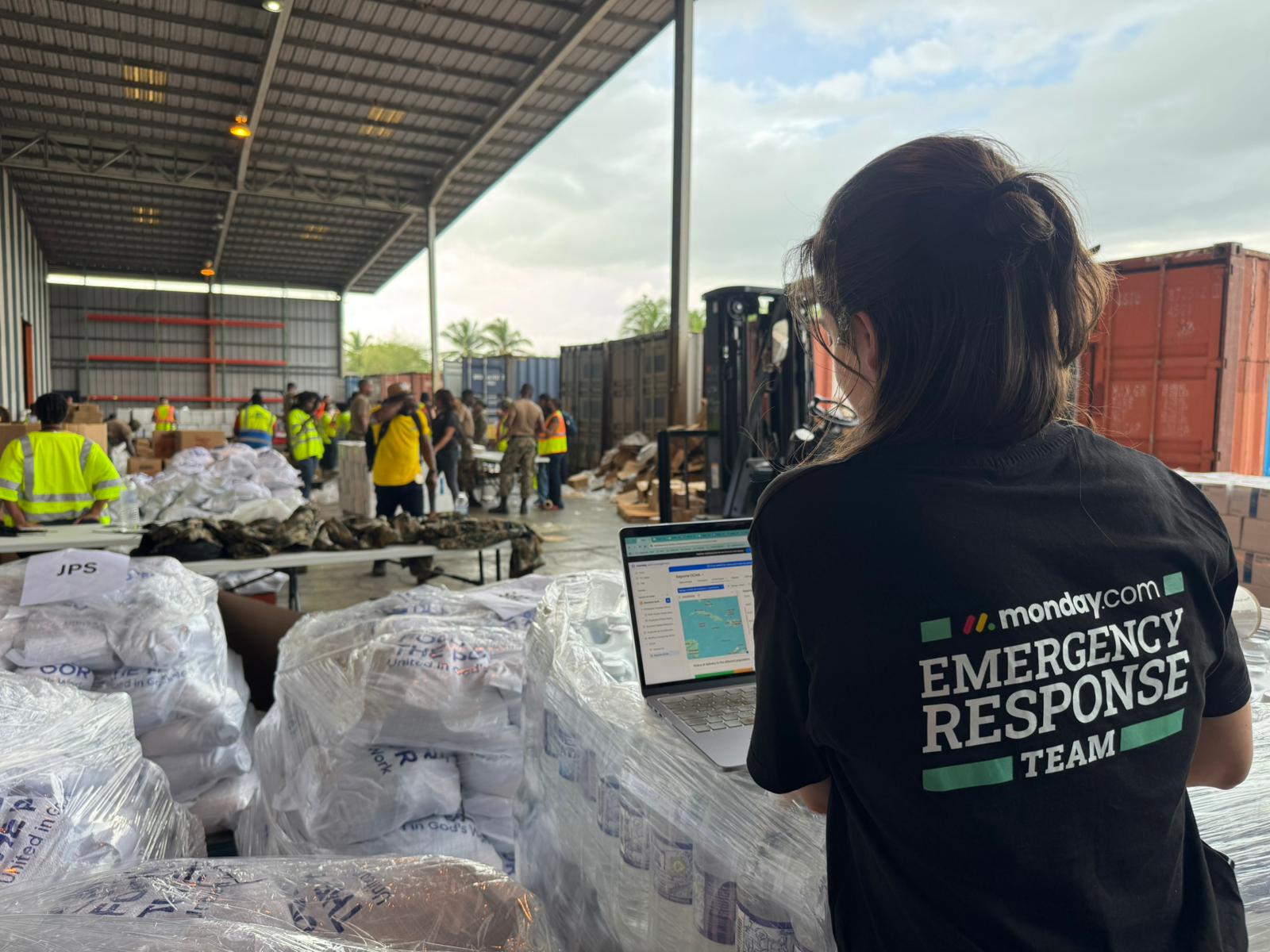
The Emergency Response Team has ambassadors in different zones around the world who build relationships with NGOs before an emergency occurs, allowing the team to respond quickly after disasters.
After this month’s earthquake in Colombia, the nearest ambassador was on site within 72 hours. Kuperman said the team built digital tools for first responders, organized an international fundraising system, set up a digital intake form for field doctors, and established a call center to connect volunteer psychologists with patients.
The Red Cross in Venezuela said in a statement last week that Monday.com “changed the way we work.”
“With this platform we can monitor activities anywhere, in addition to planning the next steps of the operation,” the statement said.
Red Cross groups in Argentina, India and Uruguay have previously thanked the company for its work.
A warm welcome
The Emergency Response Team is part of the foundation’s larger philanthropic program. The company has pledged 10% of its equity to the foundation, which also provides pro bono software to nonprofits and emergency response groups. Monday.com employees are permitted to donate 1% of their paid work time to the organization.
Official Israeli assistance to foreign countries can be fraught due to political tensions. After a massive explosion in Beirut in 2020, Lebanon ignored Israel’s aid offers and members of the public rejected expressions of solidarity from Israel.
But as the philanthropic arm of a corporation, rather than a state, the Monday.com foundation is largely able to avoid those complications.
Israel had diplomatic disputes with Venezuela and Colombia in the past, but relations between Israel and the two countries have thawed as a series of Latin American countries have warmed to Israel in recent years. Both countries welcomed Israeli assistance after the earthquakes.
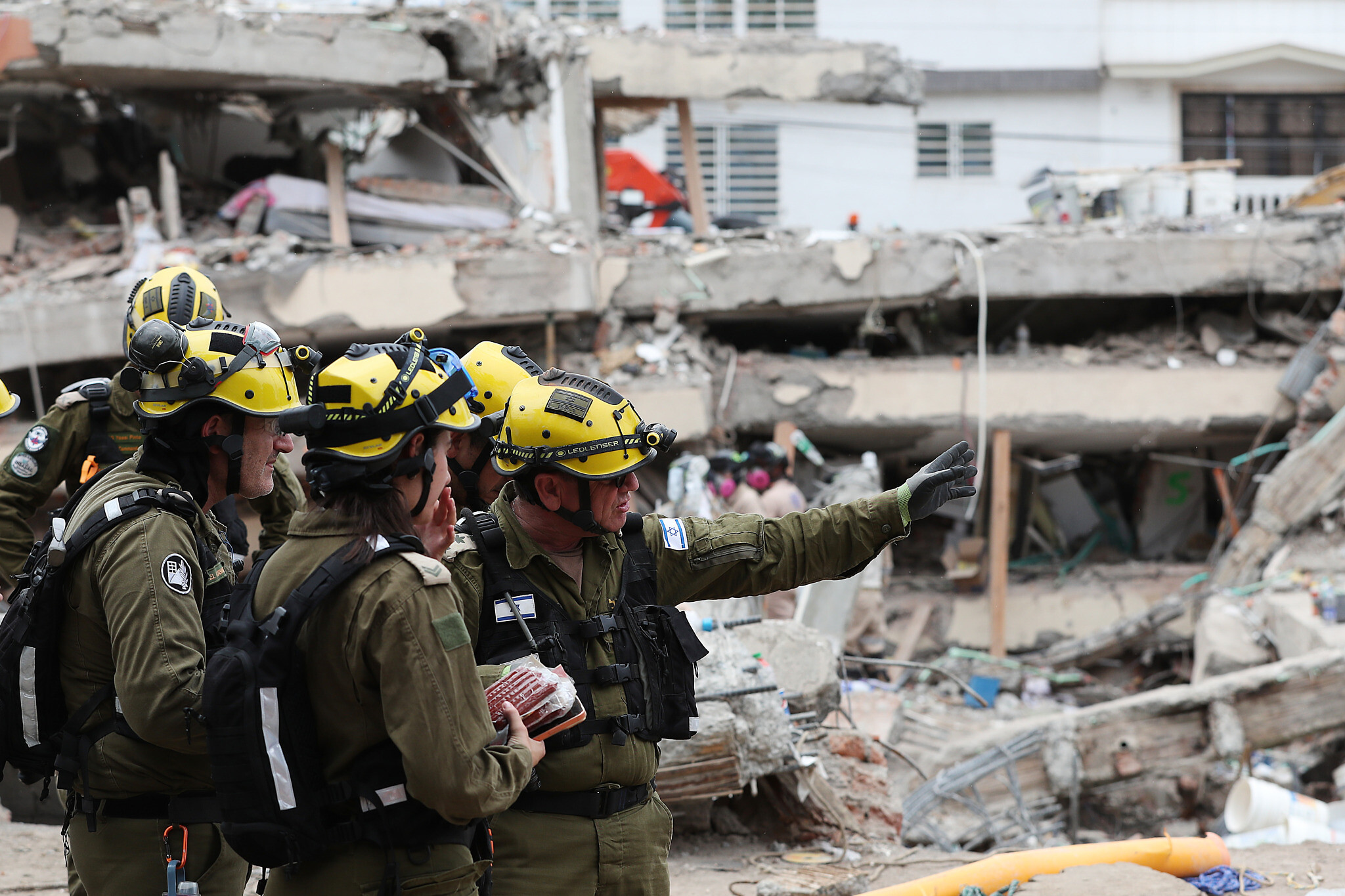
While the leaders of Latin American countries are cozying up to Israel, though, polls show that their constituents are not on the same page. A June survey found that a plurality of respondents in every country surveyed in the region, including Colombia, had an unfavorable view of Israel.
In Colombia, a spokesperson for the Israeli disaster delegation sparred with activists who shouted “Free Palestine” at the group. Activists, local officials and Colombia’s former president accused the Israelis of genocide, took offense to their military uniforms or suggested ulterior motives for their assistance, local media reported.
Activists also protested against Israeli assistance after the earthquake in Venezuela, stating that they rejected the “Zionist presence” and stomping on a photo of Prime Minister Benjamin Netanyahu, according to local media.
Kuperman said her team operates independently from official Israeli delegations, has never had any issues related to their Israeli identity and has always received a warm welcome when responding to disasters.
“As humanitarian or emergency response workers, we need to learn to arrive in the field and detach and disconnect to any belief that we have or what we think is good or bad,” Kuperman said. “Most of these organizations are local and they know best what the organizations need.”









The Times of Israel Community.