

High Court bars justice minister from making appointments to revamped police watchdog
In blow to Levin, judges freeze activity until interim ruling can be made on petitions against legislation, which gives justice minister control of internal police investigations department
 Add ToI as a Preferred Source on Google
The High Court of Justice on Sunday issued a temporary injunction blocking Justice Minister Yariv Levin from making appointments to a restructured Department of Internal Police Investigations (DIPI), which is in charge of probing police wrongdoing.
Last month, in one of its final acts, the Knesset passed highly controversial coalition legislation giving the justice minister control over the department through appointments. It also removed the department from under the authority of professional prosecutors and set it up as a separate agency within the Justice Ministry.
The court instructed that “no new actions will be taken to advance the relevant appointments” until after the court reaches an interim ruling on petitions against the legislation.
The Movement for Quality Government in Israel, which petitioned against the legislation, praised the court’s decision, calling it an “important decision that at this stage preserves the independence of law enforcement and prevents the justice minister from carrying out a power grab during an election period.”
“DIPI must be a professional and independent body, and not a body that is subject to political influence. The justice minister cannot be allowed to appoint a director for six years through an appointment mechanism in which the minister and his ministry’s director-general hold decisive influence, before the court has ruled on the petitions against the law,” the statement read.
The temporary injunction came a week after the August 16 deadline for the Justice Ministry tender to find a director of the new DIPI.
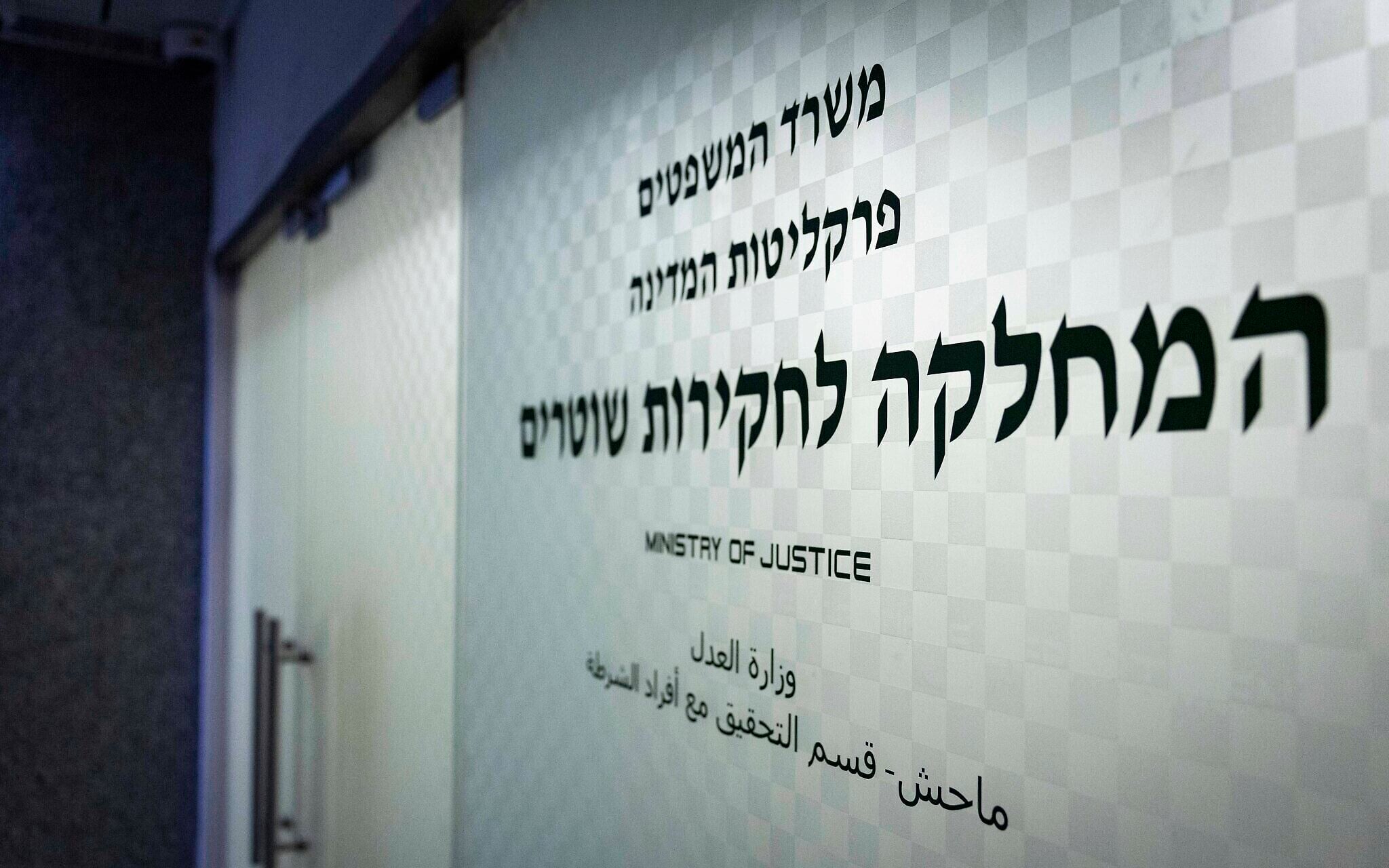
The DIPI is a Justice Ministry department that investigates police misconduct. It answers to the state attorney, who is a civil servant, rather than the justice minister, who is almost always a politician.
The new law gives the justice minister control over the appointment of DIPI’s director, and creates the post of a new, politically appointed official within the department to arbitrate disputes over investigations between the agency and the State Attorney’s Office.
Critics of the bill, including professionals in the Justice Ministry, the legal adviser to the Knesset Constitution, Law and Justice Committee — where the law was drawn up — and the opposition, all argued that the changes to DIPI’s structure, including the new authorities it grants the justice minister, will compromise the department’s independence, politicizing it and politicizing criminal probes of the police.
It was also argued that the DIPI reform law was part of the government’s broader drive to assert control over levers of legal power in the country and reduce checks on government authority.
The law passed by the coalition had long been sought by advocates on the right who claimed there was a conflict of interest in DIPI being subordinate to the State Attorney’s Office, due to the latter’s close cooperation with the police.
Critics, such as Likud MK and former DIPI deputy head Moshe Saada, who introduced the law, alleged that as a result, DIPI had an institutional bias against specific targets associated with the political right.
In a High Court filing earlier this month, Attorney General Gali Baharav-Miara called on judges to halt senior appointments to the new DIPI, and expressed concern that an unduly politicized DIPI would intimidate law enforcement and harm the state’s ability to ensure the integrity of the upcoming October 27 election.
Jeremy Sharon contributed to this report.










The Times of Israel Community.