

 From the Liveblog of
Sunday, November 15, 2026
Yashar denies considering rotation deal with Likud, reiterates party can join Eisenkot-led government
 Add ToI as a Preferred Source on Google
Ariela Karmel is a political correspondent at The Times of Israel. She previously reported for Calcalist and Haaretz. She holds an MA in Middle Eastern and African History from Tel Aviv University and a BA in Political Science from the University of British Columbia.
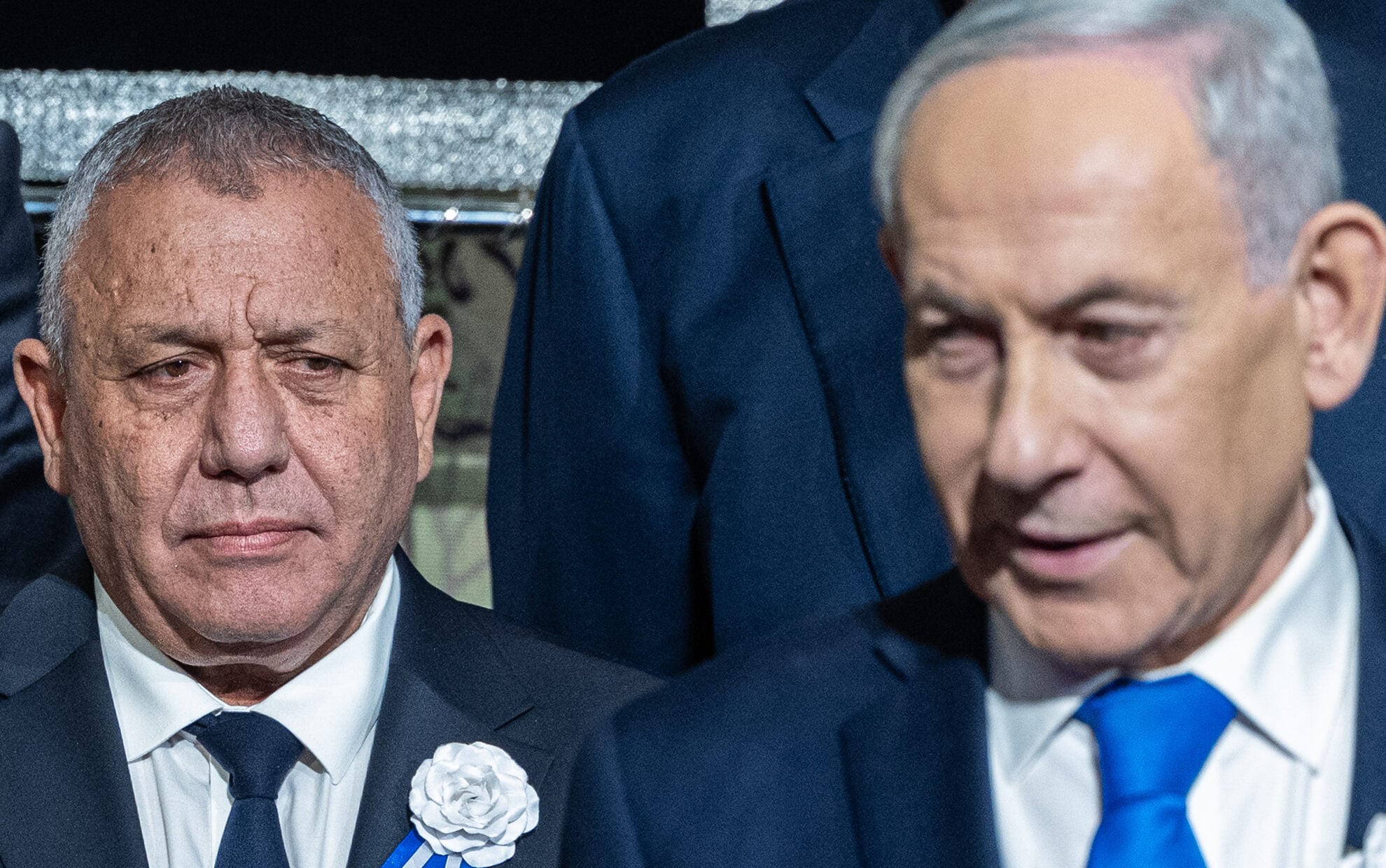
MK Gadi Eisenkot’s Yashar party denies a report that it is considering offering Prime Minister Benjamin Netanyahu’s Likud party a rotation agreement, telling The Times of Israel that the only proposal on the table is for Likud to join a government led by Eisenkot.
The denial comes after Army Radio reported that Yashar was weighing a rotation offer to Likud, contingent on Eisenkot being the first to serve as prime minister.
The report, which was not confirmed, did not specify who in Likud Eisenkot might rotate with.
Yashar reiterates that any party seeking to join an Eisenkot-led government must accept his four founding principles: recognition of Israel as a Jewish and democratic state; acceptance of the Declaration of Independence; mandatory military or civilian service for all; and recognition of Hamas as a terrorist organization, alongside a commitment to dismantling its military and governing capabilities.
Prospective partners must also “separate from extremists,” the party says not for the first time, without specifying whom it means. The condition appears to refer at least in part to far-right Otzma Yehudit leader Itamar Ben Gvir. Yashar has previously said its government would be open to Likud and Religious Zionism lawmakers willing to accept their four principles.
The clarification comes ahead of a meeting today between negotiating teams from Yashar and Likud to discuss a possible unity government.
The Yashar leader has repeatedly insisted that Netanyahu is unfit for office, poses a danger to the country and must leave politics. Even the prospect of Netanyahu serving under Eisenkot would represent a dramatic departure from the latter’s previous position, though it is highly unlikely that Netanyahu would agree to serve in a government headed by anyone but himself.
The talks may therefore be aimed less at reaching an agreement with Netanyahu, who is unlikely to accept Eisenkot’s terms, than at demonstrating that Eisenkot has made a genuine effort to form a unity government before turning to other options, including a coalition with the ultra-Orthodox parties or a minority government supported by Arab-majority parties.





The Times of Israel Community.