

Kuwait, Bahrain, Saudi Arabia come under attack as Middle East tensions flare
Iran says it hit Kuwait; Bahrain also targeted; Saudis say they intercepted Houthi cruise missile headed for Riyadh; Iranian FM pans US over $20m offer for nuclear info
 Add ToI as a Preferred Source on Google
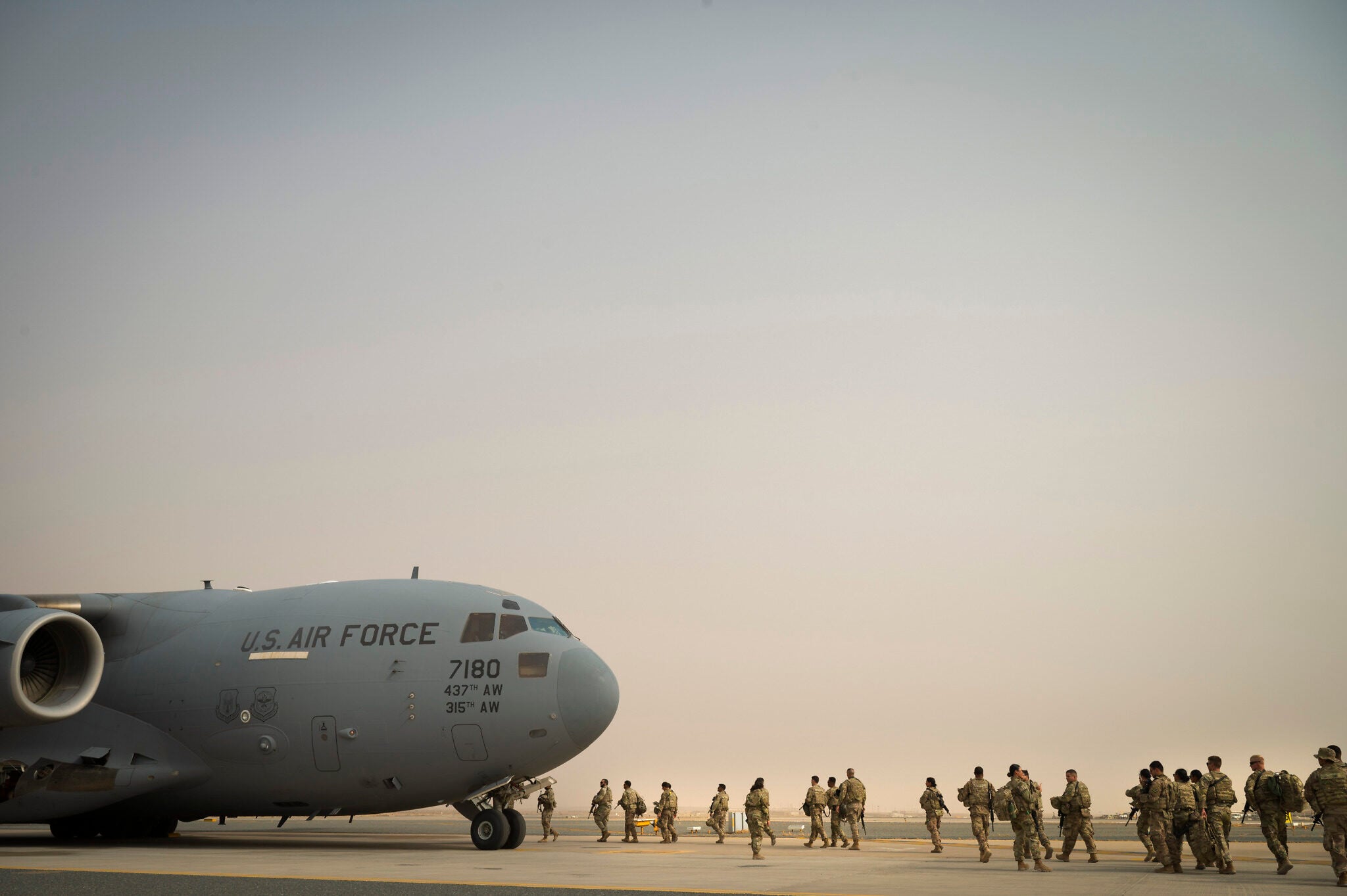
Gulf countries said on Wednesday they intercepted missiles and drones from Iran and its Houthi allies in Yemen, after the United States struck Qeshm Island in the Strait of Hormuz in an uptick in hostilities in the region.
The back-and-forth attacks were a reminder of the hurdles facing diplomatic efforts to end the nine-month war that has destabilized the Middle East, pushed up global energy prices and helped fuel the US voter anger that punished President Donald Trump’s Republican Party in the November election.
The Iranian army said it targeted US drone and missile installations at Kuwait’s Ali Al Salem base, after the US ally said its air defenses were countering hostile drone attacks. It was the first Iranian attack on the oil-rich country since September.
Neighboring Bahrain said it intercepted Iranian aerial attacks for the third time this week. It accused Tehran of maintaining a “systematic hostile approach” of targeting the country, which hosts the US Navy’s Fifth Fleet.
The Saudi-led coalition fighting the Iran-aligned Houthis in Yemen, meanwhile, said it destroyed a cruise missile launched by the terror group toward the Saudi capital of Riyadh.
Video shared on social media purported to show a fire on the ground following the attack on Kuwait.
BREAKING: AFTERMATH OF IRANIAN STRIKES ON US BASE IN KUWAIT MOMENTS AGO pic.twitter.com/hntwJN9Ybn
— Sulaiman Ahmed (@ShaykhSulaiman) November 17, 2026
Kuwait condemned the Iranian drone attack as a “dangerous escalation,” denouncing “repeated, criminal Iranian attacks.”
The foreign ministry said in a statement posted on X that “the continuation of these attacks constitutes a dangerous escalation that threatens the region’s security and stability and undermines diplomatic efforts aimed at de-escalation.”
Egypt, Qatar, Saudi Arabia and the United Arab Emirates each condemned Iran’s attack on Bahrain, calling it a violation of Bahrain’s sovereignty and a threat to its security and stability.
Negotiations to end the war have stagnated, despite intensified mediation efforts from Qatar.
In a statement, Qatar said Iran’s “continued attacks” on Bahrain “undermine diplomatic efforts,” and Foreign Ministry spokesman Majed Al Ansari, speaking at a news briefing in Doha, warned that any escalation in fighting posed an “extremely grave danger” to the prospects of reaching an agreement.
On Tuesday, on the opposite side of the Gulf, US fighter jets fired on a Revolutionary Guards missile launch site on Qeshm Island, according to a US military official who spoke on condition of anonymity.
The official said the strike was in response to Iran’s attacks on US personnel and assets.
Iranian media, citing an Iranian official, said the US attack did not damage infrastructure.
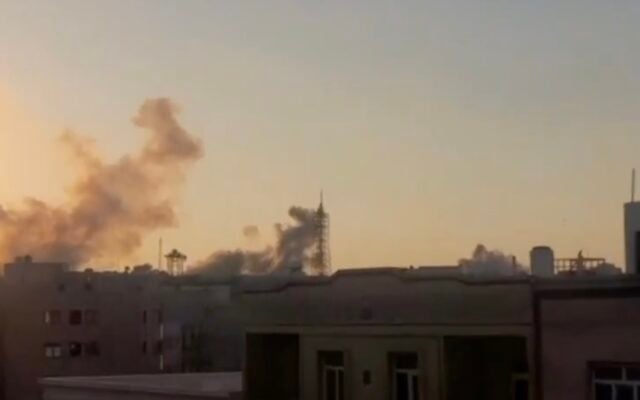
Bahrain, which hosts the US Navy’s Fifth Fleet, was heavily targeted earlier in the war that started with US-Israeli strikes on Iran, but had not been hit for weeks until Iranian drone attacks on Friday and Sunday.
Threat against Washington
Despite Washington and Tehran holding back from a full resumption of hostilities, the sides have traded fire and accusations.
On Tuesday, Trump said the US was taking seriously the possibility that Iran could be planning an attack on Washington, when asked about a CNN report that cited US intelligence assessments on a potential Iranian plot involving a so-called dirty bomb.
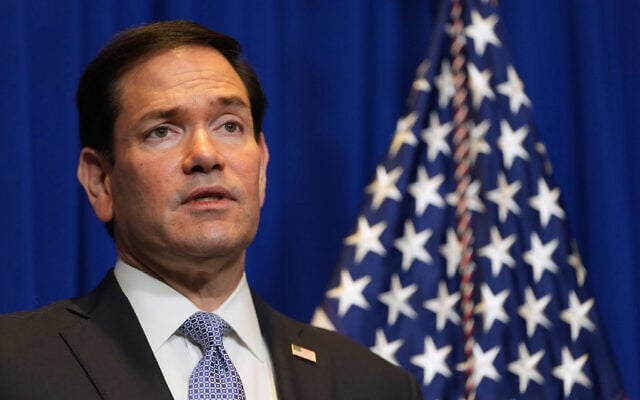
On Wednesday, US Secretary of State Marco Rubio said he did not think there was any “imminent threat” of an attack on the US capital.
Rubio added that the US government was “always on the lookout for anything that’s a threat to the safety and security of the United States.”
Iran’s Foreign Ministry denied the allegations on Tuesday, calling them “baseless.”
Mark Schiefelbein/AP)
A dirty bomb uses conventional explosives to disperse radioactive material. Unlike a nuclear weapon, it does not produce a nuclear explosion, but can spread radioactive contamination and cause significant disruption and public alarm.
Meanwhile, diplomatic efforts to resolve the conflict continued Tuesday in Oman, where Qatari and Iranian officials met for talks aimed at “bridging perspectives and narrowing the gap between proposals presented on the ground,” Qatari spokesperson Majed Al Ansari said.
That followed a visit by Iranian Foreign Minister Abbas Araghchi to Oman, where he held talks on safeguarding maritime corridors and ensuring the smooth flow of global shipping and trade, Oman’s Foreign Ministry said.
Shipping disrupted
Oman and Iran lie on opposite sides of the Strait of Hormuz, a vital waterway that carried about one-fifth of global energy supplies before the war but which is now partly blocked by Iran.
Araghchi said in a post on Telegram that he met Oman’s Sultan Haitham bin Tariq and informed him about Iran’s diplomatic initiative to end the war.
Oman has previously held talks with Tehran about controlling traffic in the strait, which is a sticking point in negotiations.
A surge in tanker attacks since October threatens to further strain global oil supplies. On Tuesday, a crew abandoned a liquefied petroleum gas tanker off Oman’s Khasab.
Meanwhile, Iran has kept pressure on Washington through its Houthi allies, who have intensified attacks on Saudi Arabia — the world’s largest oil exporter — while tightening control over Yemen’s Bab el-Mandeb Strait, opposite Hormuz, in an effort to squeeze Gulf oil producers.
The violence came as the United States moved the USS Theodore Roosevelt into the region, bringing the number of American carrier strike groups in the region to three.
The deployment adds to an already large US naval presence, which includes two other supercarriers — the George H W Bush and the George Washington — and more than a dozen destroyers.
Iran condemns US offer of up to $20 million for information on its nuclear program
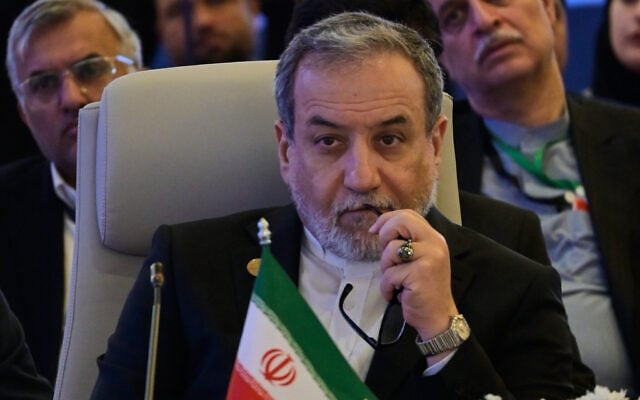
Separately, Iran’s Araghchi said in a letter to the UN circulated Tuesday that the reward and offer of relocation for information on Iran’s nuclear program encourage espionage and the targeting of nuclear scientists and technical personnel.
Araghchi insisted that Iran’s nuclear activities, which he claimed are peaceful, and the safety of its nuclear installations are at risk. Trump has vowed to prevent Iran from obtaining nuclear weapons.
Araghchi said one immediate impact is that the International Atomic Energy Agency cannot demand inspections under its nuclear safeguards program “while the very facilities, personnel and sensitive information it relies upon are exposed to acts of assassination, sabotage and aggression.”
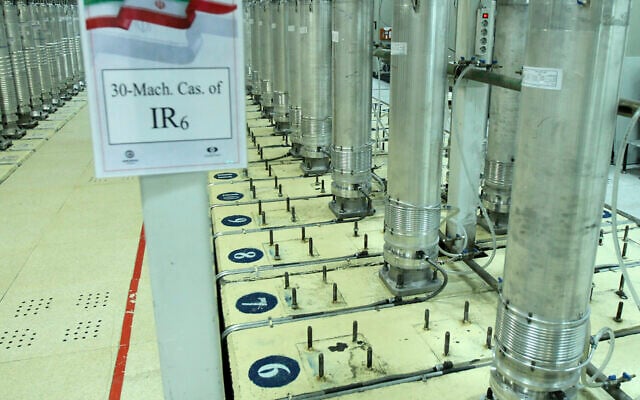
The US State Department’s Rewards for Justice program offered reward money up to $20 million earlier this month for information about Iran’s nuclear program, including “facilities, equipment and associated personnel.”
Before an earlier round of strikes on Iran in June 2025, the IAEA calculated that Iran possessed approximately 440 kilograms of uranium enriched to 60 percent, nearing the 90% needed to make a bomb and well above the 3.67% limit set by a now-defunct 2015 agreement with Iran.
Since June 2025, the fate of Iran’s nuclear stockpile has remained uncertain.
Iran has long denied striving to develop a nuclear bomb. However, there is no peaceful purpose to uranium enriched to 60% purity.


The Times of Israel Community.