

IDF launches rare Gaza operation beyond Yellow Line, orders civilians out
COGAT tells residents of three blocks in Strip’s center to evacuate as troops target terror infrastructure; tanks said to advance for the first time since October 2025 ceasefire
 Add ToI as a Preferred Source on Google
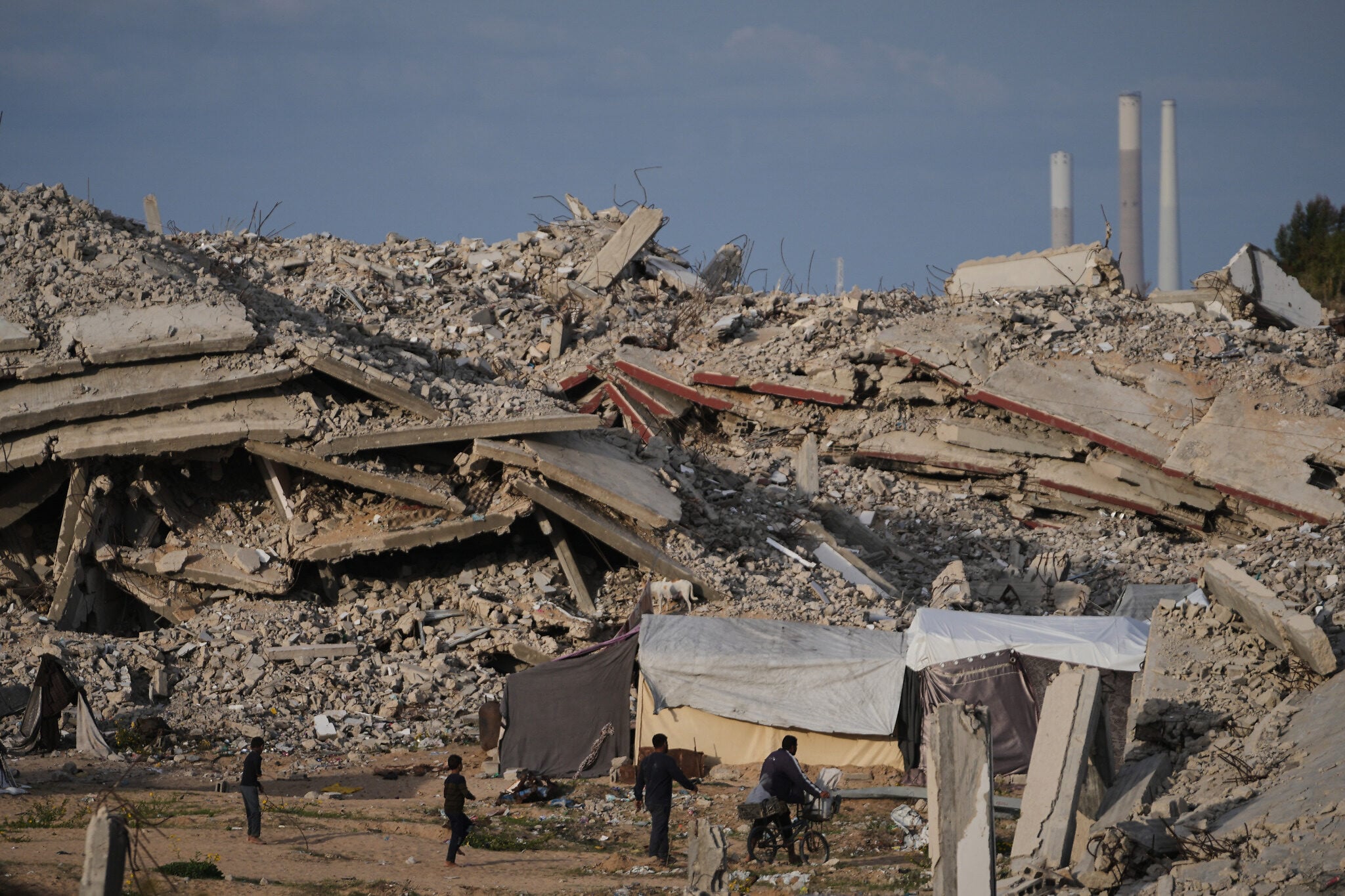
The Israeli military launched on Wednesday a rare operation in the central Gaza Strip, beyond the so-called Yellow Line that divides the territory between Israeli and Hamas control, displacing Palestinian civilians in the area.
In a statement in Arabic, the Coordinator of Government Activities in the Territories, Israel’s liaison body to the Palestinians, told Gazans living in parts of the Bureij and Nuseirat areas to leave amid the operation.
“The IDF has begun a military operation targeting terror infrastructure in the central Gaza Strip, in the area surrounding the Yellow Line, specifically in blocks 660, 661 and 666,” COGAT said.
Blocks 661 and 666 are located entirely on the Hamas side of the Yellow Line, while 660 is within the so-called Orange Line area, a restricted zone beyond the original ceasefire demarcation that the army has said is in place in order to enable safe deliveries of aid.
The military added that during the raid, Salah a-Din Road, Gaza’s main north-south highway, would be closed in the area.
COGAT said the army is taking “necessary measures to minimize the risk of harm to the civilian population.”
“For your safety, we call on you, residents of the Strip, to stay away from the area where our forces are operating until an official update is issued by the IDF Spokesperson announcing the end of the operation,” COGAT added.
Such evacuation orders — which were commonplace in the two-year war in Gaza following the Hamas-led October 7, 2023, onslaught — have become unusual since a US-brokered ceasefire took effect in October 2025.
نزوح عائلات فلسطينية من مناطق حددها جيش الاحتلال شمالي مخيم النصيرات وسط قطاع غزة
بعد إصدار جيش الاحتلال أوامر إخلاء جميع المناطق المحاذية للمربعات التي تشملها عملية الجيش الإسرائيلي في قطاع غزة pic.twitter.com/ny8cJlbbfA— جريدة القدس (@alqudsnewspaper) November 18, 2026
Palestinian media reported that Israeli tanks and other armored vehicles had advanced in the area for the first time since the 2025 ceasefire, with civilians residing there fleeing.
The Israel Defense Forces did not immediately issue a statement on the operation.
بعد بدء عملية عسكرية من الجيش الإسرائيلي وسط قطاع غزة..
العائلات بدأت تنزح pic.twitter.com/beFLT8YLq0
— مصطفى جمال أبوسيدو (@Alhayaps1) November 18, 2026
Meanwhile, the IDF announced Wednesday that two Hamas commanders were killed the day prior in separate strikes in the Gaza Strip.
One strike in southern Gaza’s Khan Younis killed Ashraf Nayef Muhammad Tabasi, a platoon commander in Hamas’s Khan Younis Brigade, while a second strike in northern Gaza’s Jabalia killed Saber Nayef Mahmoud Nabhan, identified by the IDF as a platoon commander in Hamas’s West Jabalia Battalion.
The army said both operatives were advancing attacks on troops and Israeli civilians and acted to restore Hamas’s capabilities, “in systematic violation of the ceasefire.”
בשתי תקיפות ברצועת עזה: צה"ל ושב”כ חיסלו שני מפקדי מחלקה בזרוע הצבאית של ארגון הטרור חמאס
צה"ל ושב”כ תקפו אתמול, במרחב חאן יונס וחיסלו את המחבל אשרף נאיף מחמד טבאסי, מפקד מחלקה בחטיבת חאן יונס בזרוע הצבאית של ארגון הטרור חמאס.
בתקיפה נוספת אתמול במרחב ג'באליה, צה"ל ושב”כ חיסלו… pic.twitter.com/5DqhBvzxxT
— צבא ההגנה לישראל (@idfonline) November 18, 2026
Under the terms of the 2025 ceasefire with Hamas, Israel was required to pull its forces back to the Yellow Line, a demarcation that roughly divided Gaza into eastern and western halves. The pull-back left the IDF in control of 53 percent of the Strip.
As subsequent disarmament talks with Hamas stalled, Prime Minister Benjamin Netanyahu directed the IDF to occupy 70% of Gaza, pushing the Yellow Line several hundred meters toward the coast and further shrinking the territory where some 2 million Palestinian residents of the Strip were forced to live. Many live in crowded tent cities on the coast.
While the ceasefire halted major fighting in the shattered territory, it failed to end strikes by the Israeli military, which it says aim to thwart attacks by Hamas and other Gaza terrorists.
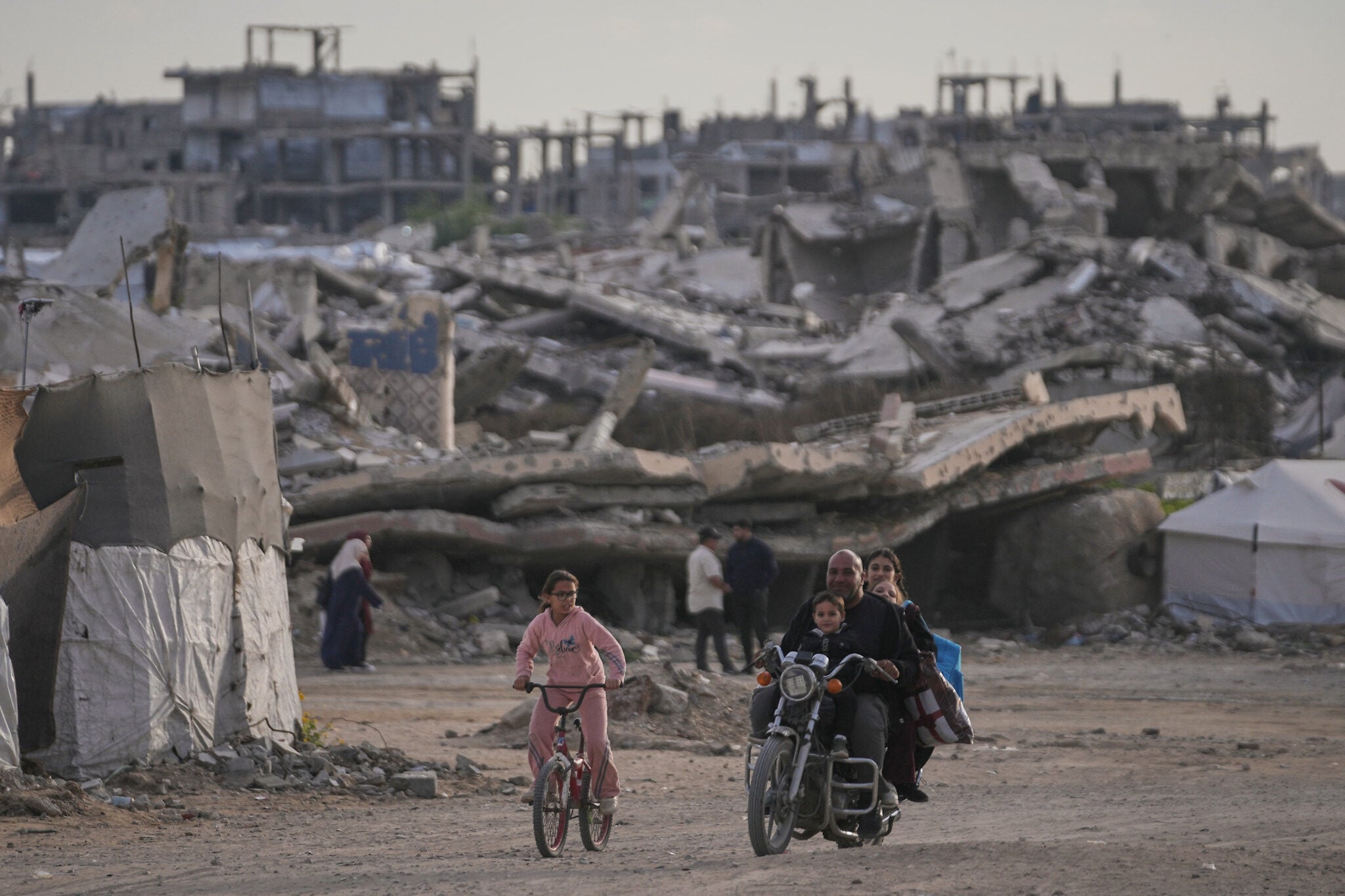
Hamas accuses Israel of violating the ceasefire and undermining efforts to implement a broader plan by US President Donald Trump to put a conclusive end to the Gaza conflict, a blueprint which also includes Israeli withdrawals and Hamas disarmament. However, the terror group has refused to completely give up its weapons or disarm at all until the IDF withdraws.
More than 1,600 Palestinians have been killed in Gaza since the ceasefire took effect last October, according to Hamas-affiliated Gazan health officials, while five Israeli soldiers have been killed, including one by friendly fire.
On Tuesday, the Board of Peace, the US-backed body overseeing the ceasefire in Gaza, warned diplomats that the fragile agreement could collapse if steps are not taken to fully implement the deal, calling on both Israel and Hamas to uphold the commitments made last year and urging the United Nations Security Council to lend its support.
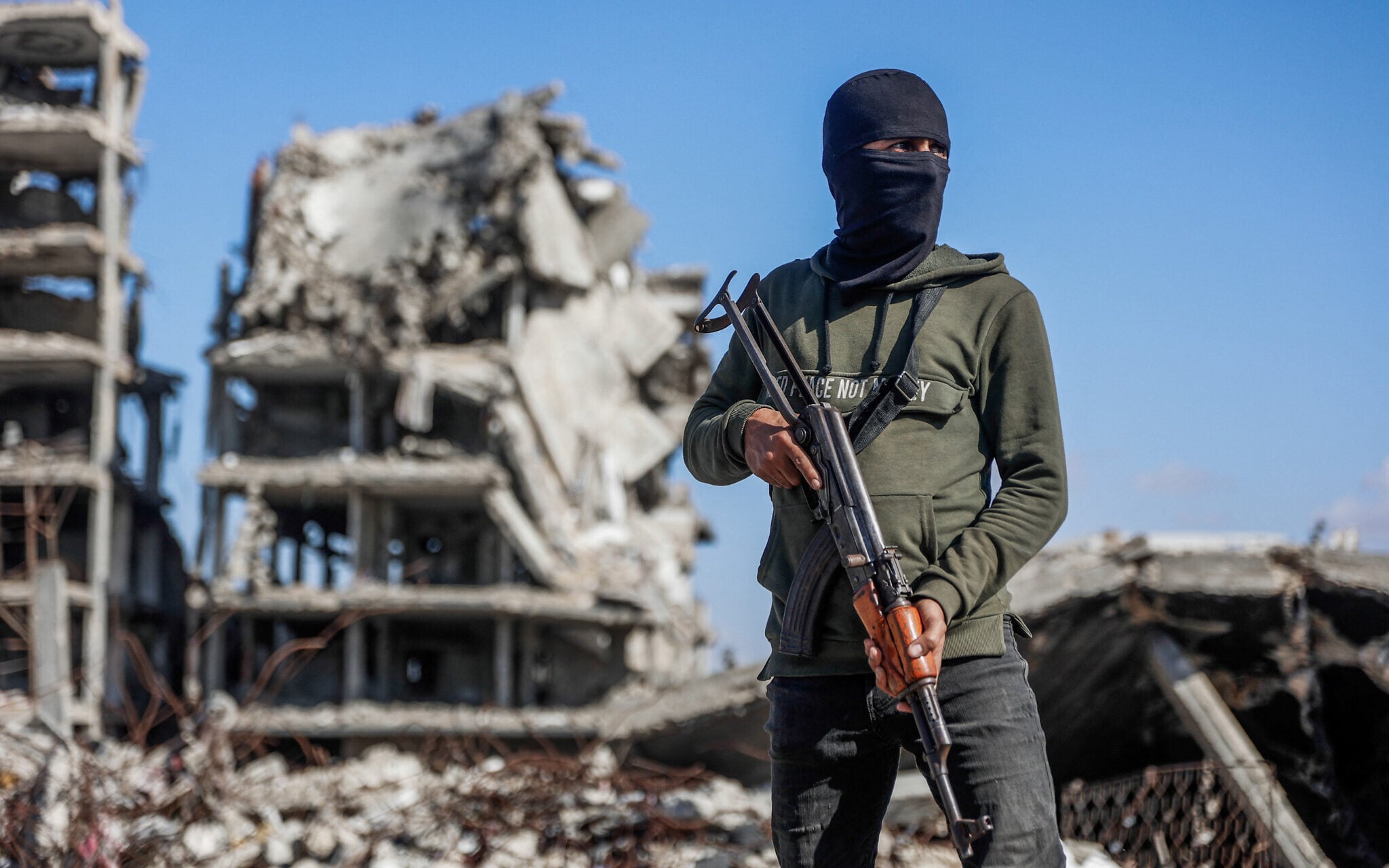
In a report obtained by news agencies, the board said Israel’s delays in approving the Palestinian technocrats meant to govern the Strip were effectively keeping Hamas in power.
“Every day that Israel continues strikes against Hamas targets, it delays putting Hamas’ agreement to the roadmap to the test,” the report said.
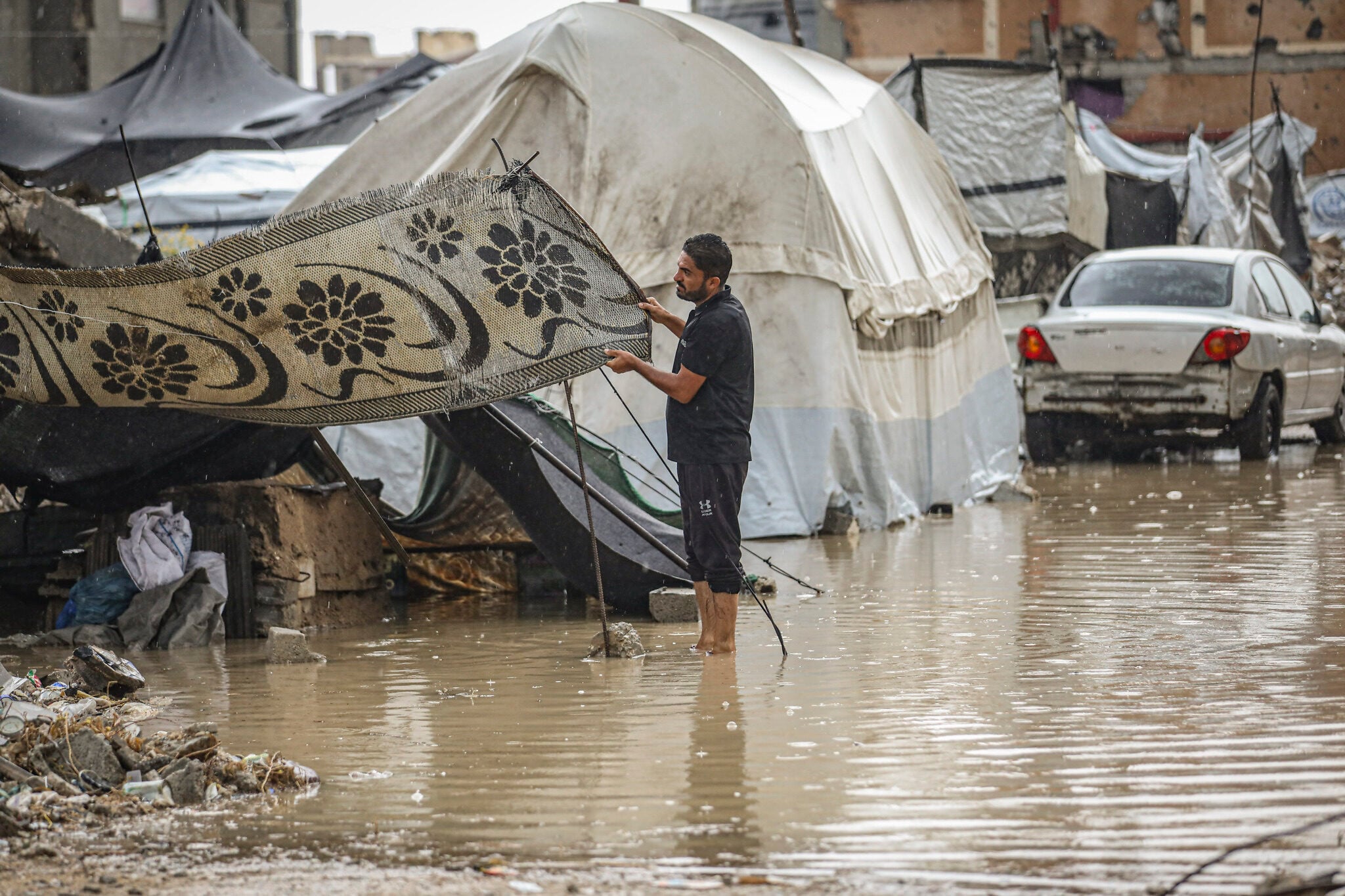
“Meanwhile, Hamas militant activity continues, the commitment to cease all military activities has not been met in full by the parties, and the population faces another winter in tents and rubble.”
Senior Hamas official Basem Naim dismissed the report as “pure disinformation,” accusing the Board of Peace of providing cover to Israel to evade its commitments under the plan to end the war and to continue its aggression in Gaza.
The report also criticized Israel’s restrictions on the entry of winter shelter equipment. Israel says it has taken steps to address the crisis, but rain reportedly flooded 70,000 tents earlier this month.









The Times of Israel Community.