

Iran MOU would cap self-defeating ceasefire for Trump, marks huge problem for Israel
As US president waxes optimistic about chances for a 60-day deal with Tehran, Netanyahu seems unsure of how to react. Spinning this as victory before the elections won’t be easy

 Add ToI as a Preferred Source on Google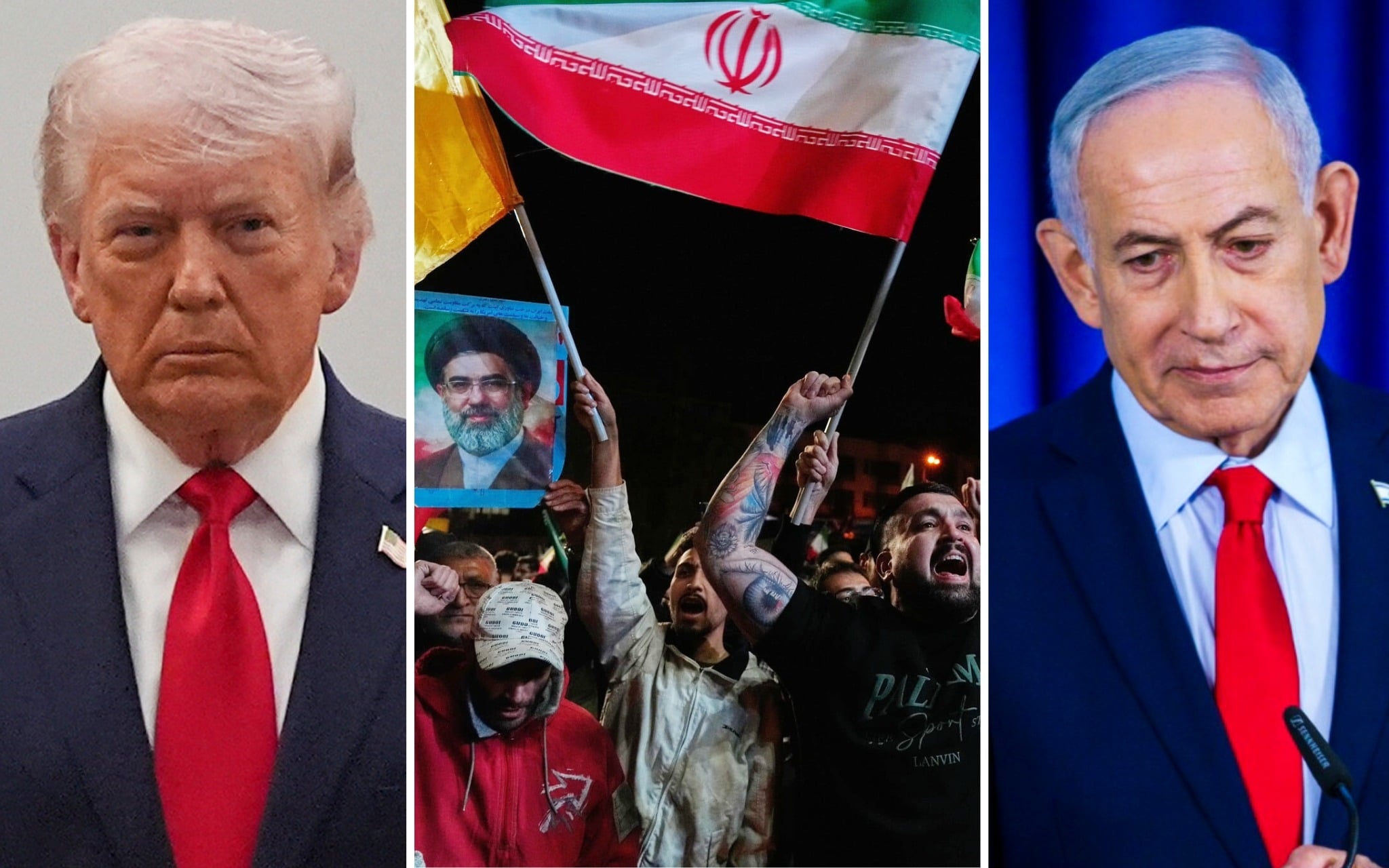
On Thursday night, Donald Trump did what he has done repeatedly during the 65 days of his two-week ceasefire with Iran that began on April 8: The US president issued new and bombastic threats against the Islamic Republic, only to call off the ostensible attack in the wake of an impending breakthrough in talks.
Trump insisted that the “final points” of an agreement — which were discussed in “great details” — were approved by a range of US allies, including Israel, and that a signing ceremony could take place over the weekend in Europe.
He did not reveal the details of the alleged memorandum of understanding, but according to Axios, it would extend the ceasefire for another two months, during which time the Strait of Hormuz would be fully reopened and a US blockade gradually lifted. Talks would take place on Iran’s nuclear program, but no action would be taken until a second deal is reached.
Worryingly for Israel, the ceasefire would reportedly also include Lebanon, tying the IDF’s hands in its fight against a resurgent Hezbollah, Iran’s most important ally.
Netanyahu at first tried an optimistic approach after speaking with Trump.
“Although Israel is not a party to the memorandum of understanding,” Netanyahu’s office said Thursday night, “the prime minister expressed his appreciation for President Trump’s commitment that the final agreement reached at the conclusion of the negotiations will include the removal of enriched material, the dismantling of enrichment infrastructure, limitations on missile production, and the cessation of Iran’s support for its terrorist proxies in the region.”
Defense Minister Israel Katz also said on Friday that Israel expects Trump to “uphold… principles concerning missiles and terrorist proxies.”
That is wishful thinking.
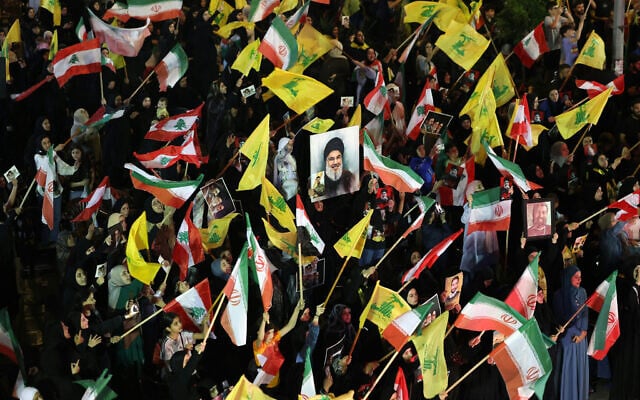
Though initially the White House said an explicit goal of the war was to “obliterate Iran’s ballistic missile arsenal and production capacity,” and to “sever its support for terrorist proxies,” Trump has all but dropped those demands, seeming to accept Iran’s position that clinching a nuclear deal means giving up on limits on missiles or backing for terror groups.
On the rare occasions the US leader does talk about ballistic missiles or support for proxies, he downplays them. “Look, missiles are bad, but yeah, and they do have to cap it, but this is about they cannot have a nuclear weapon,” Trump said last month.
He refused to say in the same interview that Iran would be stopped from funding proxies, only asserting that they wouldn’t be in a position economically to do so, given the damage that was done to Iran’s energy infrastructure.
In a second attempt to shape discourse around the emerging deal, Netanyahu on Friday gave up any pretense that Iran would have to end its ballistic missile program or dismantle its proxy network. Like Trump, he focused narrowly on the nuclear issue: “As long as I am prime minister of Israel, Iran will not have nuclear weapons. There is complete agreement between President Trump and me on this issue.”
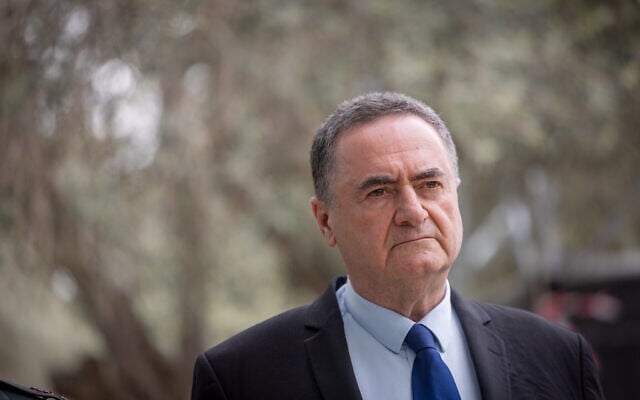
Katz, meanwhile, seemed to effectively acknowledge that Israel expects to keep fighting Iran in the future to stop its nuclear program, and that any deal with the US is not going to do the job.
“Israel must ensure that, in the future as well, we retain the ability to act independently to prevent Iran from obtaining nuclear weapons,” he said in a statement. “Prime Minister Benjamin Netanyahu and I have instructed the IDF to prepare accordingly.”
It makes perfect sense — for Iran
If an MOU is indeed signed in the coming days — which is still not at all guaranteed — it will not represent any great concession by Iran.
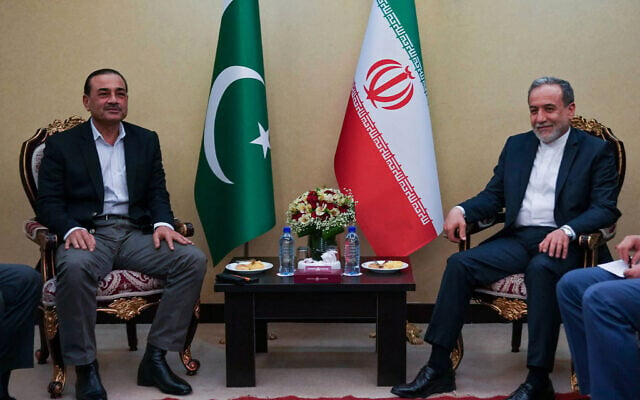
Hormuz will be reopened entirely, as was the case before the war.
Iran and the US will discuss some limits on Iran’s nuclear program in exchange for massive sanctions relief, which Tehran was happy to do before the US-Israeli campaign as well. But it won’t have to actually make any nuclear concessions until a more comprehensive second deal is reached.
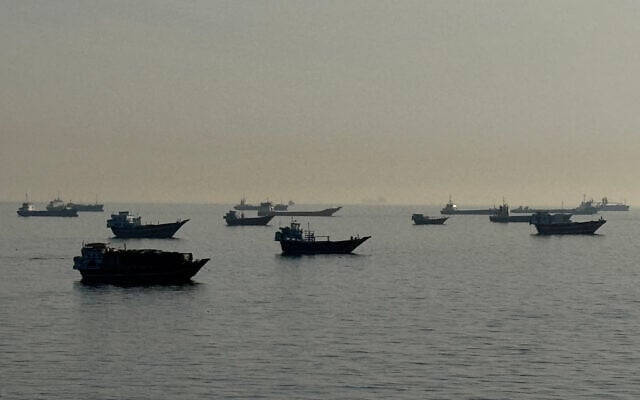
This makes perfect sense for Iran. It either gets billions of dollars flowing back into its coffers for nuclear limits that won’t be stricter than the 2015 JCPOA deal it agreed to with the Barack Obama administration, or it drags talks with Trump into August, two months before the US midterm elections.
Would Trump resume a military campaign, which would see Iran reimpose a closure on the Strait of Hormuz and possibly destroy energy infrastructure in Gulf Arab countries, driving up prices in the US weeks before an election? Tehran is betting that he wouldn’t.
Failed ceasefire
Either way, Trump’s ceasefire has been a colossal blunder. The US and Israel had been hammering Iran, and instead of pressing their advantage, Trump gave Tehran room to breathe.
What’s worse, he entirely affirmed Iran’s theory of victory — that imposing economic costs on Arab countries and on the US taxpayer will, in turn, drive up the political costs for Trump, forcing him to stop the fight.
Iran also succeeded in rescuing Hezbollah. Before the war, Israel was eliminating Hezbollah fighters across Lebanon, including in Beirut, with no response from the Shiite militia. As part of the ceasefire, Iran managed to get the US to limit Israel’s response to rocket and drone fire on Israeli communities and to deadly attacks on IDF troops.
Trump’s defenders say that he has a responsibility to protect US interests and to look out for the economic interests of American citizens. That is true — but Hormuz has remained effectively closed during Trump’s ceasefire anyway. He and the citizens he represents would be in no worse a position if the war had continued for the last two months, when it could well have either pushed the Islamic Republic to a much better deal for the US, or to finally crack.
As Trump pursues his Iran deal and likely his own political interests, Netanyahu is left in a precarious position regarding his own electoral challenges. On all three major fronts — Gaza, Lebanon and Iran — Israel’s enemies are rehabilitating, protected by a Trump-imposed ceasefire that will not lead to the disarming of any of them.
Netanyahu managed his relationship with Trump well up until the Iran war, but now finds himself outscrambling for information, while countries like Turkey, Pakistan and Gulf states exert a far more decisive influence over US policy.
And while the two leaders met in person every two months in the year leading up to the February campaign against Iran, they haven’t done so since they launched the attacks.
Every week that goes by makes it less likely that Israel will be able to declare victory on any front before the nation heads to the polls. Though Netanyahu is a master politician, he has not yet found a response to his predicament, and it remains unclear what an effective election campaign would even look like if the US-Iran MOU is signed.







The Times of Israel Community.