

Hate as entertainment: Youth finding community in nihilistic online antisemitism, warns ADL
Dark corners of the internet, steeped in Jew-hatred, provide connections for the disaffected, says the head of the Anti-Defamation League’s Center on Extremism
 Add ToI as a Preferred Source on Google
Luke Tress is The Times of Israel's New York correspondent.

Last month, two US teenage gunmen opened fire at an Islamic center in San Diego, California, murdering three men outside the mosque.
The two suspects, Caleb Vasquez, 18, and Cain Clark, 17, fled the scene and got into a white BMW. They placed a camera used to livestream the attack on the car’s dashboard.
The footage showed Vasquez urging Clark to kill him by bringing the barrel of Clark’s rifle to his forehead. Clark shot Vasquez twice in the head, then killed himself, the footage showed.
Investigators found that the two teenagers had met and radicalized online, where they glorified terrorists and shared white supremacist hatred toward Jews, Muslims, the LGBTQ community, women, Black people, and both the political left and right.
The attack, and other recent shootings, illustrate the dangers and allure of nihilistic online violence and hatred. The phenomenon is growing in the dark corners of the internet that bring together a hodgepodge of hatreds and conspiracies. Lacking any single ideology, it is saturated with antisemitism.
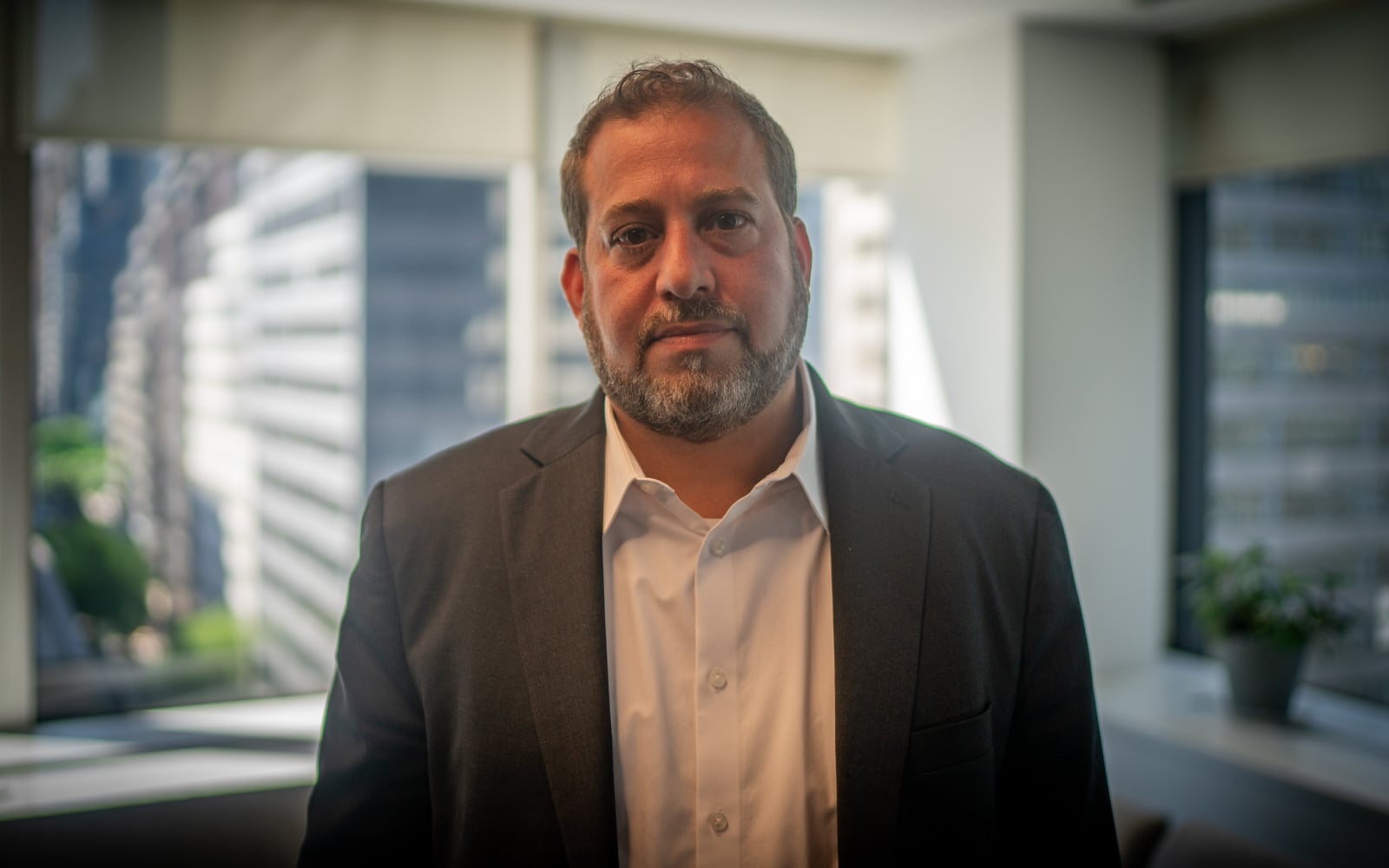
While the movement is terrible and dangerous, the more horrifying aspect is “how impactful, how meaningful it is” for those involved, said Oren Segal, who heads the Anti-Defamation League’s Center on Extremism.
“I don’t know that people are joining these [online groups] because they want to commit violence. I think they’re joining them because it’s interesting, it’s different, they’re finding a community, and maybe they just end up believing it,” Segal said.
The average person viewing these forums “wouldn’t be surprised by the horrible images — they would be surprised by how compelling it is,” he said.
Monitoring the internet’s dark corners
The ADL’s Center on Extremism, in Midtown Manhattan, employs dozens of investigators and analysts who lurk in the dark spaces of the internet to understand trends, monitor bad actors and pick up on threats. The researchers share information with law enforcement, as well as Jewish communal security groups, Segal told The Times of Israel during a visit to the center last month.
Last year, the center analyzed nearly 30 million social media posts, and this year, it has sent 101 threat alerts to 258 law enforcement agencies, the ADL said.
The center is part of an interlocking network of Jewish security groups that serve different functions to protect American Jews, from training volunteer guards and patrolling streets to teaching krav maga and conducting security assessments at synagogues.
“Our job is to tell communities who’s coming after them,” Segal said.
The Center on Extremism also publishes analyses of antisemitism and trends on platforms such as Cloudflare, Instagram and AI video generators.
Security has become paramount for American Jews since the 2018 Tree of Life synagogue shooting. Hamas’s October 2023 onslaught in southern Israel, which killed 1,200 and sparked a surge in antisemitism worldwide, has furthered the investment in security. Last year was the deadliest for Diaspora Jews in decades.
The Center on Extremism researchers monitor platforms like Telegram, TikTok, Steam, Twitch, Discord and the gore website WatchPeopleDie. They learn about the subcultures in the extremist online communities, such as idioms, symbols and tattoos that can be hard to parse for the unfamiliar.
Hatred as entertainment
Users’ obscure references signal one’s membership in the online communities, Segal said. For example, some members of these online communities show themselves with a Sonnenrad, a neo-Nazi symbol that is not well known to the public, but is common among extremists, as a way of “signaling back to a community of people who may understand white supremacy,” Segal said.
One of the San Diego shooters had a Sonnenrad patch and other neo-Nazi paraphernalia during the attack, and the suspect in Charlie Kirk’s shooting wrote obscure references to video games and internet trolling on his weapons, describing the messages as “a big meme.”
“Hate is one way to attract them. It’s a form of entertainment more than it is the end-use case. I think it’s thrilling for a lot of people,” Segal said, describing those involved as people who are “attracted to the forbidden.”
“We’re talking about antisemitism and hate and violence, and to suggest that those are meaningful experiences sounds odd, but they really are to those people who are spending their time there,” he said.
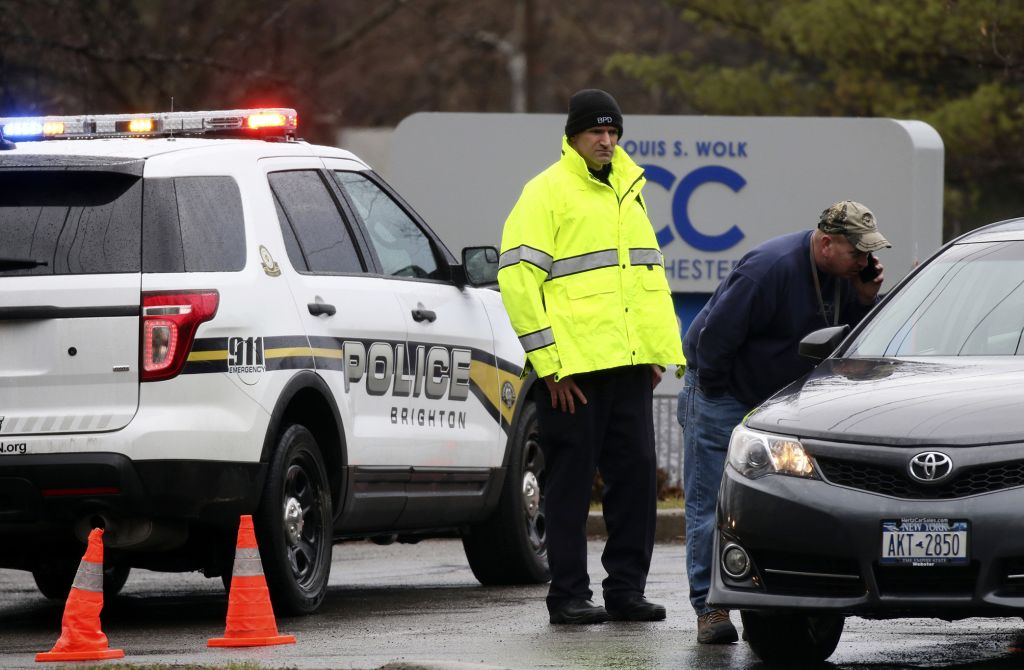
In addition to picking up on threats against Jews, the Center on Extremism catches other dangers, such as threats of school shootings, that occur on the same platforms. Those threats are also communicated to law enforcement, Segal said.
Outside the US, the center flagged threats in 20 countries last year, including in Vietnam, Australia and France’s Réunion Island.
Much of the center’s work remains confidential to prevent bad actors from picking up on its methods.
Segal shared several of its successes, such as disrupting a spree of “swatting” incidents targeting synagogues in 2023 and 2024. The center’s researchers saw that the assailants making fake emergency calls to synagogues were targeting congregations that livestreamed services so the callers could watch the panic unfold.
Staffers at the center, observing the assailants’ discussions online, were able to alert synagogues and law enforcement before the calls, and responding officers ceased alighting on the synagogues’ daises, in view of the livestream. The callers were denied their spectacle, the threats stopped, and some of the information collected by the center led to arrests, Segal said.
The swatting incidents illustrate how many online threats emanate from a lively, interactive online ecosystem, driven by novelty, entertainment and a sense of community, even while engaging in hatred.
“Some people, they find their fun or whatever, let’s just say on TikTok or Instagram, and it’s pretty benign, but others, they’re getting this dopamine hit from seeing the antisemitism and the violence,” Segal said.

Members of the Goyim Defense League, a white supremacist group named after the ADL, for example, livestream themselves harassing people in front of Jewish sites. Those watching the livestream make jokes and suggestions to those filming.
“They’re actually getting operational instructions from the people that are watching them. As a watcher, imagine how engaging that is, to have an impact from the comfort of your own home,” Segal said. “The whole time, you have 1,000 other people who are promoting this antisemitism, this hatred. It creates this community and engagement that is just exciting, and dangerous.”
Seeking martyrdom
In past eras of antisemitism, hating and humiliating Jews was also communal and enjoyable. In medieval carnivals in Italy, Jews were forced to race naked through the streets as onlookers laughed and threw mud at them. The Nazis made an entertainment spectacle out of shaving Jews’ beards to humiliate them. Pogroms sometimes took on a “carnival” atmosphere.
The interactive online model holds for more violent incidents, as attackers signal back to their online communities during attacks, striving for a form of martyrdom. Some shooters who are expecting to die write the names of past attackers on their weapons. After they are killed, thousands of people online create images and memes of the shooters, turning them into twisted saints and heroes. Some of those participating are as young as 15.
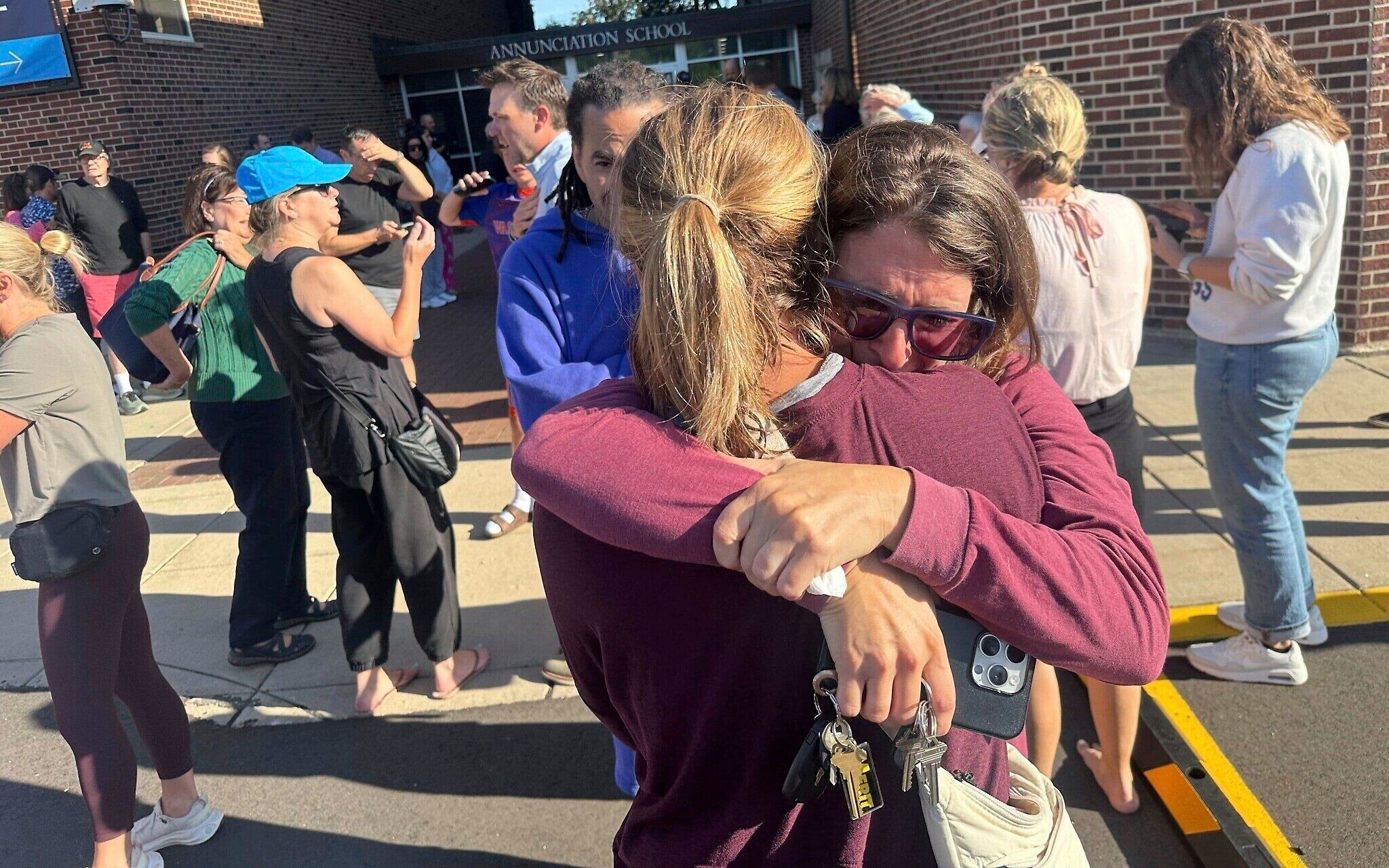
“What the ultimate goal for them is, almost like a game, is that the next shooter will write their name on their weapon when they carry out their attack. That’s the way they’re going to be remembered,” Segal said. “When you feel like you’re part of a cause and you will never be forgotten, the likelihood of you engaging in an attack is more likely.”
The San Diego attackers and other mass shooters idolized the man who killed 51 people at two mosques in New Zealand in 2019 and streamed the killings on Facebook.
Segal described antisemitism as the “backdrop” and the “new normal” in many of these online spaces — part of the thrill and the entertainment.
In a lengthy manifesto, the San Diego shooters declared Jews “the universal enemy,” responsible for war, famine, child abuse and various social ills, and wrote that the only solution is “to just kill them all.”
Some mass shooters engage in antisemitism online, but don’t strike Jewish targets, such as a shooter who killed two children at a Minnesota Catholic school last year, and a man who targeted Black people in a mass shooting in 2022 in Buffalo, New York.
“The psychology is the same psychology that is attractive to all of us. We all want to do something that is meaningful, belong to a group, not feel alone, feel like we have purpose in our life,” Segal said. “It also describes these folks, and they’re finding their meaning in these horrible dark spaces.”









The Times of Israel Community.