

Petition filed against law that critics say politicizes police investigations agency
Opponents say new law giving justice minister control of Department for Internal Police Investigations will undermine its independence, give minister undue influence over police
 Add ToI as a Preferred Source on Google
Jeremy Sharon is The Times of Israel’s legal affairs and settlements reporter

A liberal watchdog is seeking to strike down a new law giving the justice minister a heavy degree of control over the agency that investigates police wrongdoing, arguing that the measure will politicize the agency.
The Movement for Quality Government in Israel filed the petition to the High Court of Justice first thing Thursday morning, hours after the Knesset passed the law late Wednesday night.
The law is controversial since it gives the justice minister a decisive voice in choosing the head of the Department for Internal Police Investigations (DIPI) and another key official in the agency.
The petition argues that the law deals a blow to the agency’s independence, and that it will severely harm the rule of law, giving the justice minister undue influence over which police officers will be investigated for alleged wrongdoing. That could, the petition says, affect officers’ willingness to investigate government officials and their close associates, out of fear that they will be targeted in a probe.
Likud MK Moshe Saada, who previously served as DIPI deputy director and who introduced the legislation, argued that DIPI’s prior subordination to the State Attorney’s Office, Israel’s professional prosecution agency, created a conflict of interest, since prosecutors and police work together. That arrangement gave the State Attorney’s Office too much power over DIPI, he alleged.
Critics of the law have not necessarily opposed removing DIPI from the authority of the State Attorney’s Office. But they have strongly rejected Saada’s law, which will give the justice minister significant influence over the agency.
Attorney General Gali Baharav-Miara has also come out against the law, arguing in February that “with this ‘New DIPI,’ authorities might be given a tool for influencing investigations against cops and for affecting their behavior in accordance with authorities’ needs.”
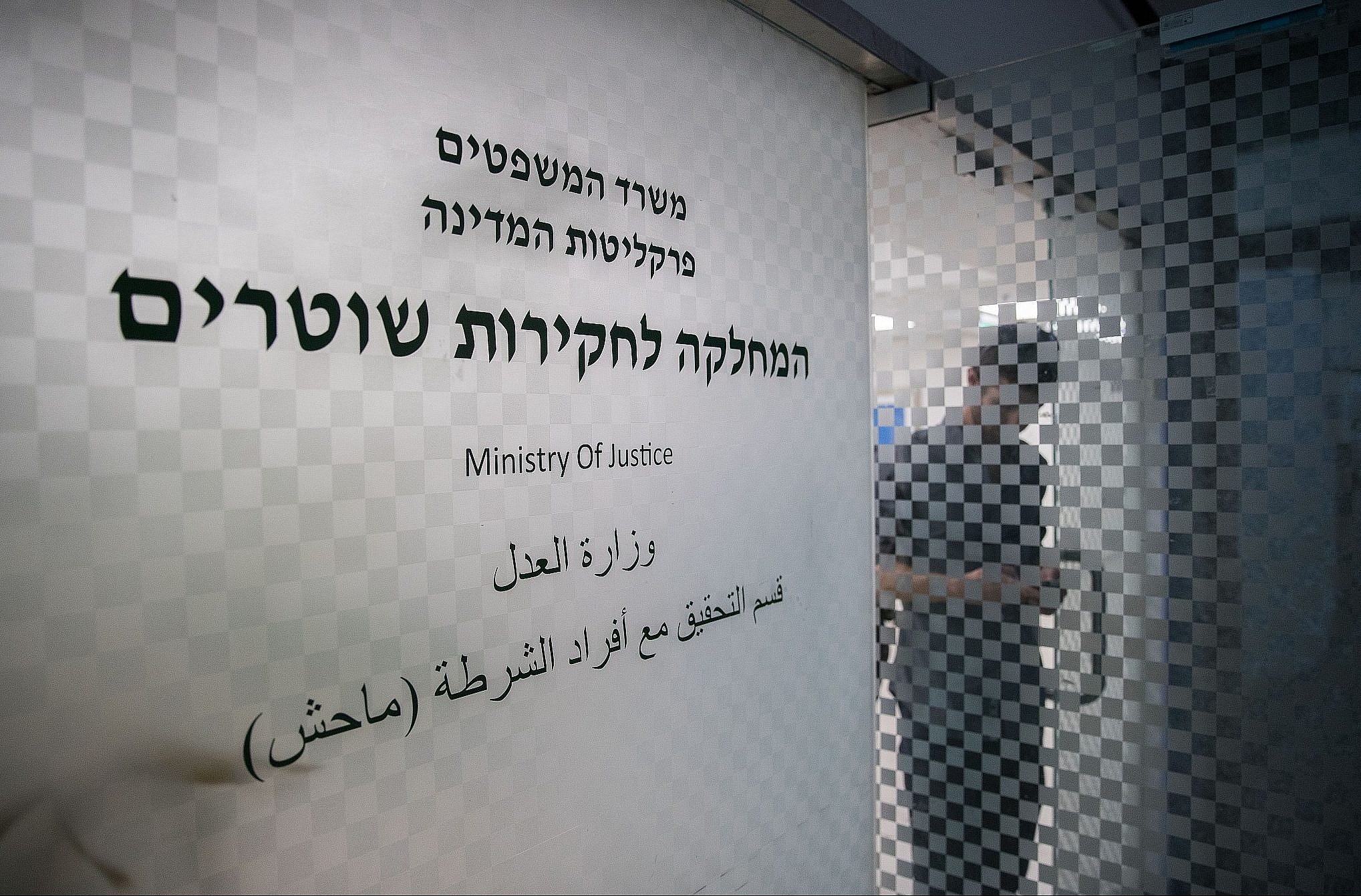
The legislation sets DIPI up as an “independent” agency within the Justice Ministry. But it stipulates that DIPI’s director will be chosen by a five-member committee effectively controlled by the justice minister, who will choose a majority of its members.
The same committee can also decide to dismiss DIPI’s director. The legislation also means that DIPI’s politically appointed director will have the power to indict police officers, a power currently held by the prosecution service.
The legislation also creates a new official within the department to arbitrate disputes over investigations, who will be appointed and dismissed in the same manner as the director.
“Subordinating mechanisms for appointing… and dismissing [DIPI’s] leaders to officials with political affiliation transforms it from a professional enforcement body into a body exposed to political influence,” the Movement for Quality Government asserted in filing its petition to the High Court.
The organization also argued that the changes to DIPI would harm the civil rights of those subject to DIPI investigations, specifically the right to due process and equality before the law.

Because, according to the Movement for Quality Government, DIPI will be politicized by the changes under the new law, the agency’s decisions will be “influenced by political considerations, and not professional considerations alone,” thereby casting into doubt the fairness of its investigations and harming the rights of those under investigation.
The petition acknowledged that DIPI has been in need of reform and that the state comptroller, as well as an independent review of the agency, both recommended detaching the department from its structural connection to the State Attorney’s Office.
But it added, “Not one of these [reports] recommended subordinating DIPI to the political echelon — on the contrary, all of them emphasized the importance of maintaining its independence.”










The Times of Israel Community.