

350 cultural figures back Jewish author dropped from Spanish festival over Israel support
Ariana Harwicz says organizers bowed to pressure; festival claims cancellation followed complaints from university community, school rejects move and defends open debate
 Add ToI as a Preferred Source on Google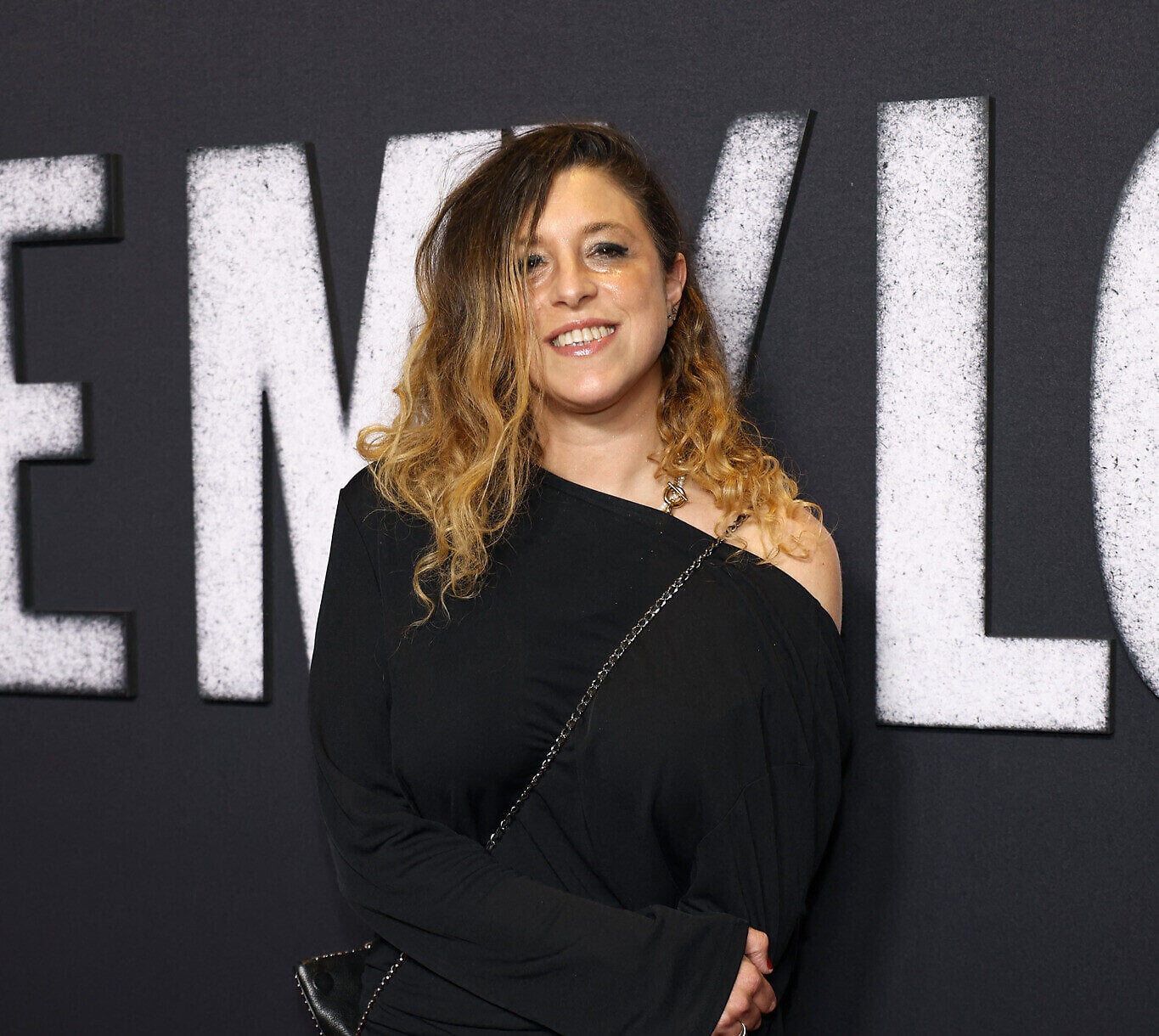
MADRID, Spain (JTA) — More than 350 writers and other cultural figures have signed a petition defending the author Ariana Harwicz, who was disinvited from a literary festival in Spain over her support for Israel.
The Jewish-Argentinian novelist, longlisted for the 2018 Man Booker International Prize, was scheduled to participate in a talk on September 26 at the Cultur Alh festival for arts and literature at the University of Granada. The festival organizers canceled her talk and rescinded her invitation after university activists complained about Harwicz’s views. The university said it was not involved in disinviting Harwicz and criticized the decision.
Harwicz vocally opposes cultural boycotts against Israeli writers and artists, which she describes as “antisemitism.” She has also dismissed accusations of genocide against Israel. The Spanish government is among Europe’s staunchest critics of Israel, and Prime Minister Pedro Sánchez has called Israel a “genocidal state.” The International Court of Justice is adjudicating accusations of genocide against Israel and has not issued a final ruling.
Harwicz received support from 352 cultural figures in a letter published on Wednesday. The signatories — including the Spanish philosopher Fernando Savater; the former French prime minister Manuel Valls, who is French-Spanish; and several prize-winning writers — called on the festival to explain its decision and offer Harwicz public redress. The renowned Irish writer John Banville, who was set to headline the event, dropped out after Harwicz’s cancellation.
The signatories said that the festival was denying “pluralism” and “the freedom to dissent.”
“This statement does not demand that anyone share Ariana Harwicz’s opinions,” said the petition, circulated by the Federation of Jewish Communities of Spain. “It demands something more fundamental: that no one be removed from cultural life for holding their own ideas, and that no disagreement become a personal condemnation.”
No es un "Festival International de Artes Literatura y Humanidades" y no es una Universidad pública en Granada. Las organizadoras dijeron cuánto admiran mis libros, que son todo menos propaganda. Me desprogramaron a último momento. Cedieron a la presión de militantes. Cedieron al… pic.twitter.com/LEaRC1aNcv
— Ariana Harwicz (@ArianaHar) September 18, 2026
Harwicz first shared that her invitation was rescinded in a post on X last week, saying the organizers “gave in to pressure from militants” and “terror.”
The University Network for Palestine, a platform for Spanish students and university staff that has a branch in Granada, acknowledged that it asked the festival organizers to reconsider Harwicz’s participation. The activists denied posing “threats or calls to action.”
“We criticize public stances, not identities,” the group said on X. “Labeling all criticism of the State of Israel, the boycott, or the denunciation of genocide as antisemitic trivializes real antisemitism.”
Ana Gallego Cuiñas, one of the festival directors and a University of Granada professor, confirmed that Harwicz’s appearance was canceled after requests from the university community.
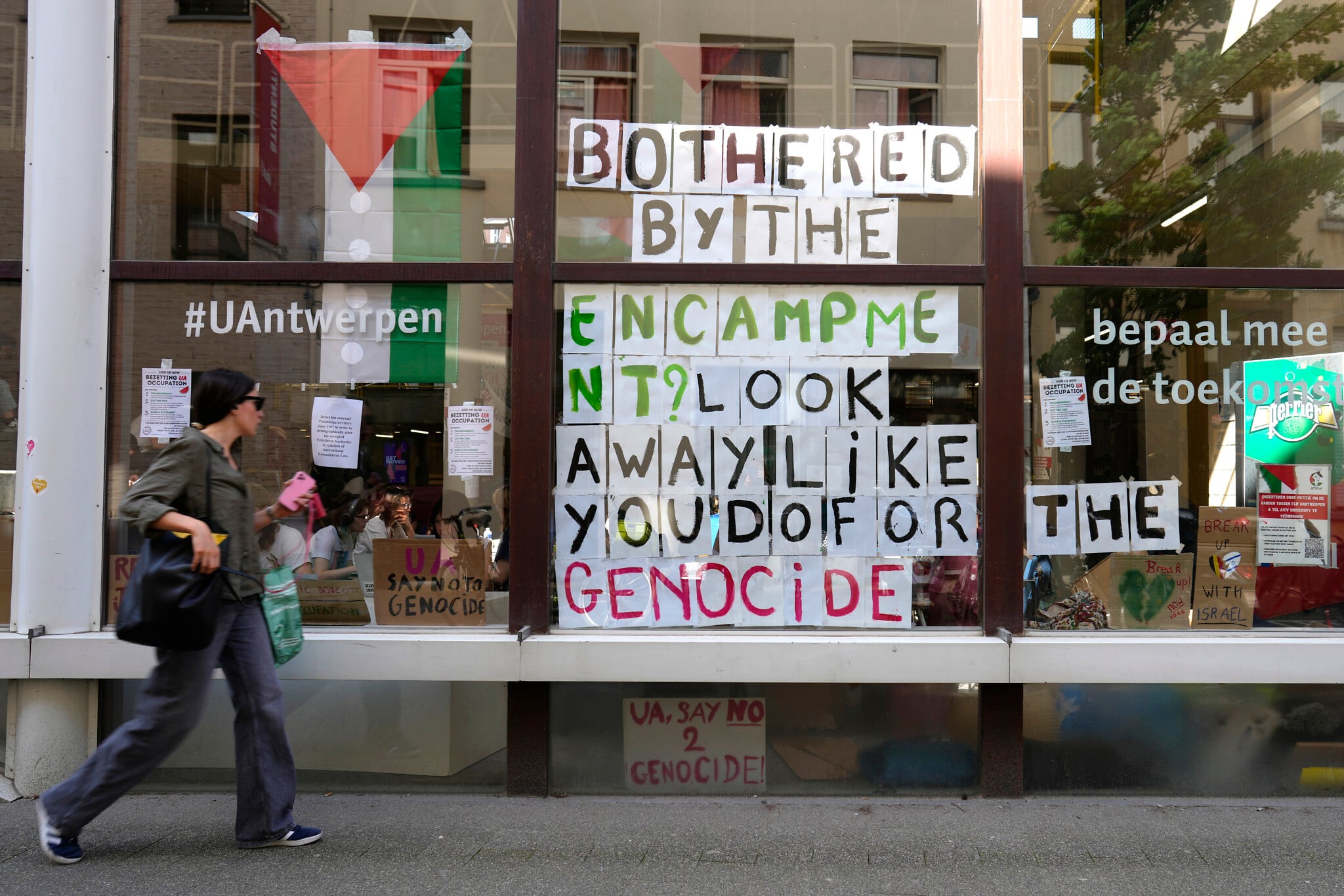
She told the Argentinian newspaper Infobae that the choice was made within the framework of the school’s “institutional commitments to Palestine and human rights,” adding, “it is highly unlikely that we would have been able to discuss her books if there had been demonstrations.”
However, the University of Granada said in a statement that it did not endorse or share the decision, which it said was made solely by the festival’s management.
“A public university must be a space open to critical thinking, the exchange of ideas, and the expression of diverse viewpoints, even when these are dissenting or controversial,” said the school.





The Times of Israel Community.