

CIA said to warn Europe of Russian plans to launch drones at Italy, France or Spain
Russia may launch small-payload explosive drones from merchant vessels to threaten Ukraine’s allies during election season, Spanish newspaper reports, citing Lithuanian source
 Add ToI as a Preferred Source on Google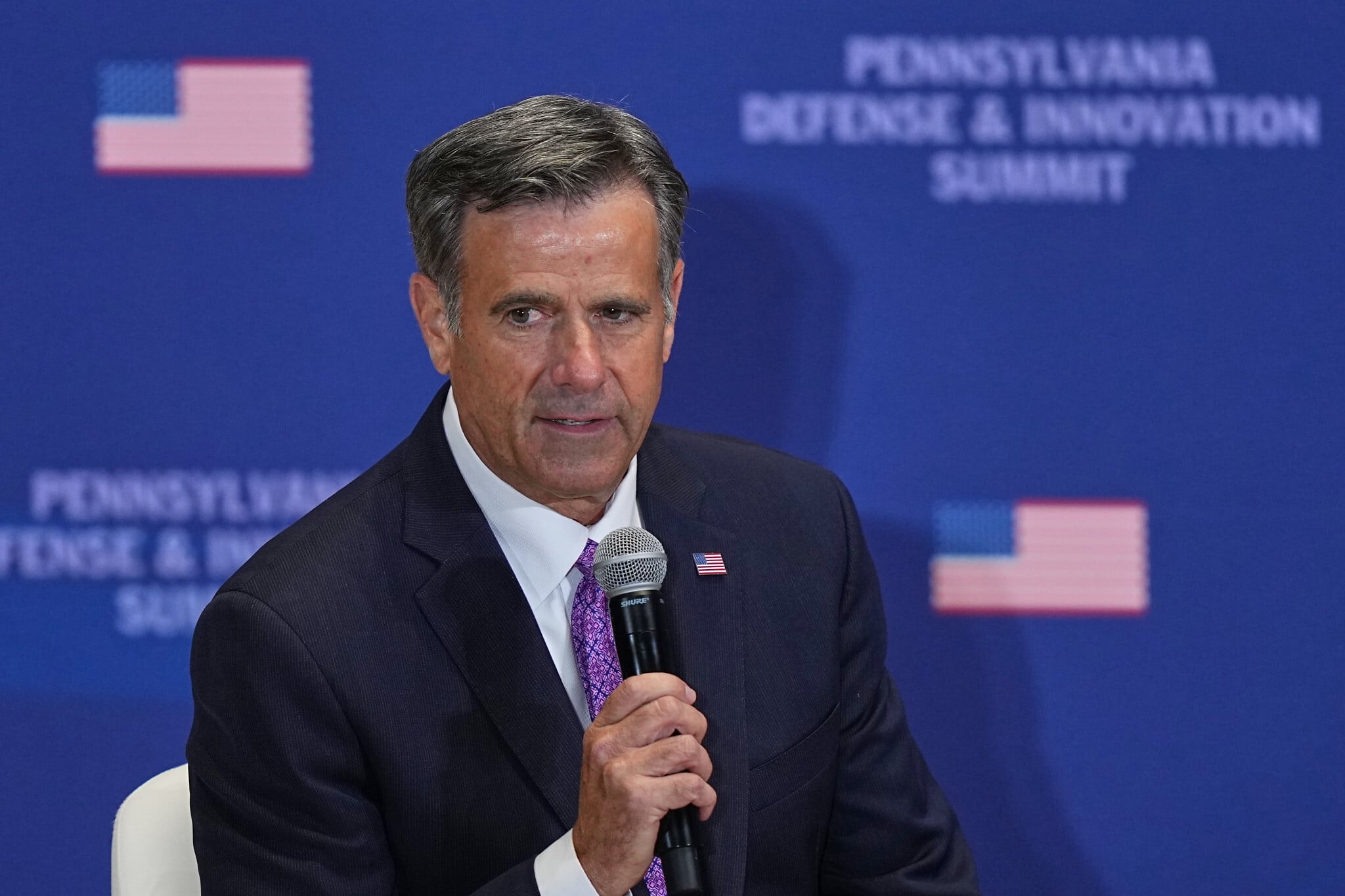
The CIA has warned European allies that Russia may target Spain, Italy or France using small explosive drones launched from offshore vessels, Spanish media reported on Wednesday.
According to the El Mundo newspaper, which cited a source in the Lithuanian defense ministry, American intelligence warned in August that Russia is drawing up plans to use Gerbera drones, which can carry a small payload up to 600 kilometers (373 miles), at a speed of some 100 miles an hour, to threaten southern Europe.
The drones would be launched from offshore merchant ships, disguised as ordinary commercial vessels, according to the report.
The goal of the attack would not be to cause major destruction, but rather the symbolic impact, the newspaper said, providing examples such as closing an airport, starting a fire, or flying over a military installation.
Moscow reportedly aims to deter Kyiv’s allies from further supporting Ukraine in the war sparked by Russia’s full-scale invasion of the country in 2022, and to destabilize European nations amid 2027 election campaigns in Spain, France and Italy.
According to El Mundo, CIA Director John Ratcliffe went to Moscow on August 25 in order to warn Russia against attacking any NATO allies. The trip was covered by media at the time, and acknowledged by the White House, but its purpose was not disclosed.
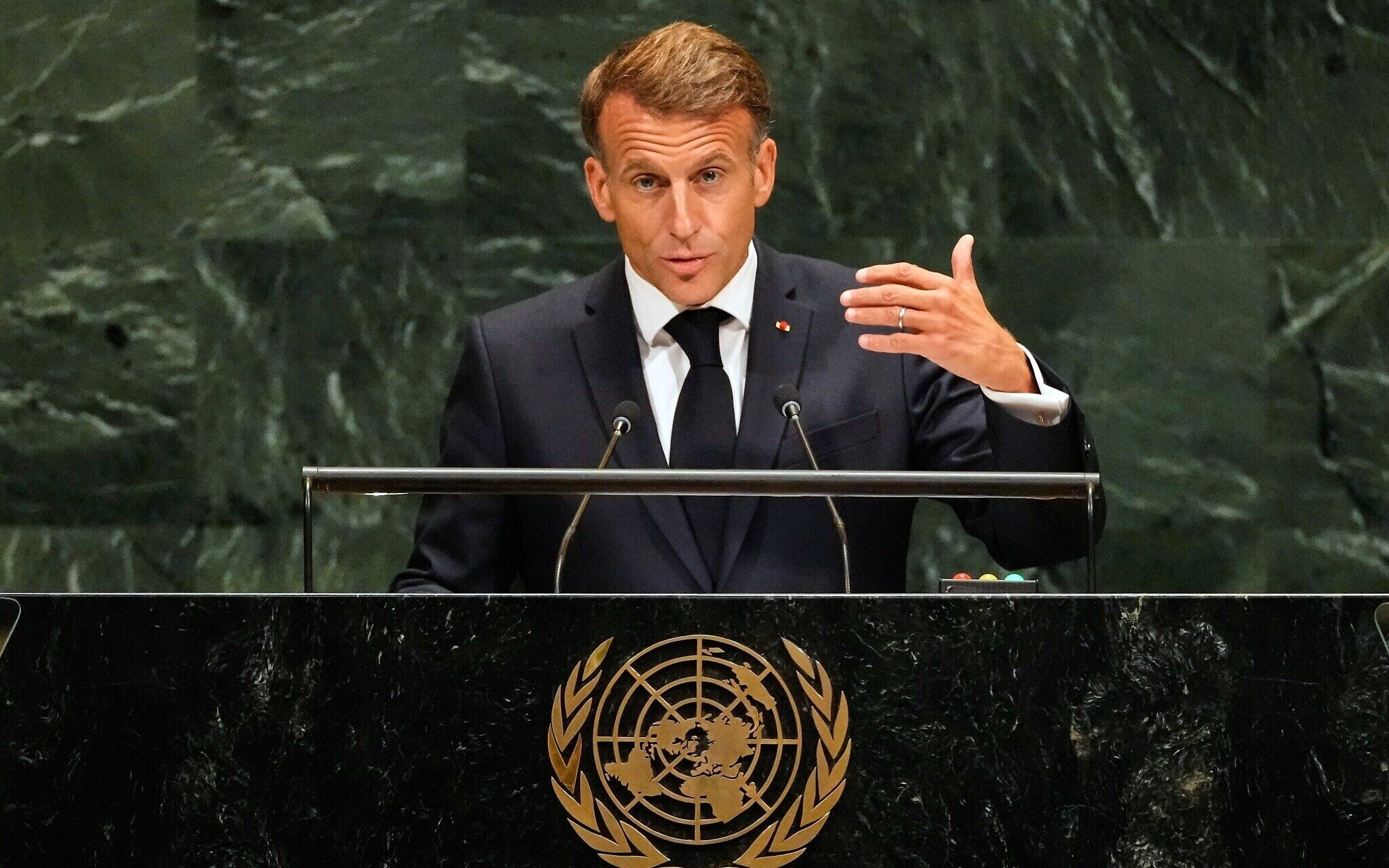
Earlier this month, French President Emmanuel Macron said he had ordered measures to protect his country’s critical infrastructure from Russian “hybrid attacks,” after a meeting with the leaders of various political factions to warn of the threat from Moscow.
And Polish Prime Minister Donald Tusk told lawmakers there was a “real risk” of Russian missile strikes on NATO countries, which Moscow would claim had been accidental.
The Danish Defense Intelligence Service (DDIS) said Thursday that the risk of Russian military action against NATO countries was growing and an outright invasion was “highly unlikely” but possible.
“A limited military attack would be a desperate move on Russia’s part and, like the intensified hybrid attacks, could potentially take place in the coming months,” the agency said, though it noted that “a build-up of forces would require several months of preparation and will be difficult to conceal.”
BREAKING:
Poland announces that the Russian Gerbera-2 drone that was found off the Polish coast on Monday carried explosives.
???????? pic.twitter.com/6wdNTNEGjE
— Visegrád 24 (@visegrad24) September 16, 2026
Russia invaded Ukraine in February 2022, expecting to take the capital, Kyiv, in a week. But Ukraine rallied to defend its sovereignty, and the conflict has dragged on, with front-line positions in eastern and southern Ukraine largely unchanged since last year.
Western analysts estimate that over 500,000 Russian troops have been killed and that Ukraine has recorded more than 500,000 military casualties, including up to 140,000 deaths. Neither country discloses its own casualty totals.
Ukrainian President Volodymyr Zelensky told the United Nations General Assembly on Wednesday that Russia has used 63,000 attack drones of different types against Ukraine so far this year alone.
Zelensky said Ukraine must boost its military and has already successfully tested four new jet-powered interceptor drones against Iranian-designed Shahed drones used by Russia in Ukraine. He also heralded drone and anti-ballistic missile agreements and programs with various countries.
Zelensky worried, however, that artificial intelligence “will begin to decide what happens on the battlefield” with the development of autonomous killer weapons.
Zelensky met NATO Secretary General Mark Rutte in New York to brief him on the latest security situation, and made a renewed push for US-made interceptors against ballistic missiles and tougher sanctions on Russia.
US Secretary of State Marco Rubio has urged both sides not to target the other’s energy sector.
But Russia’s Foreign Minister Sergei Lavrov on Wednesday said there would be no “pause” in the war, while Zelensky said if the Kremlin again weaponized the region’s brutal winter with attacks on energy facilities, Moscow would leave Kyiv “no choice” but to do likewise.
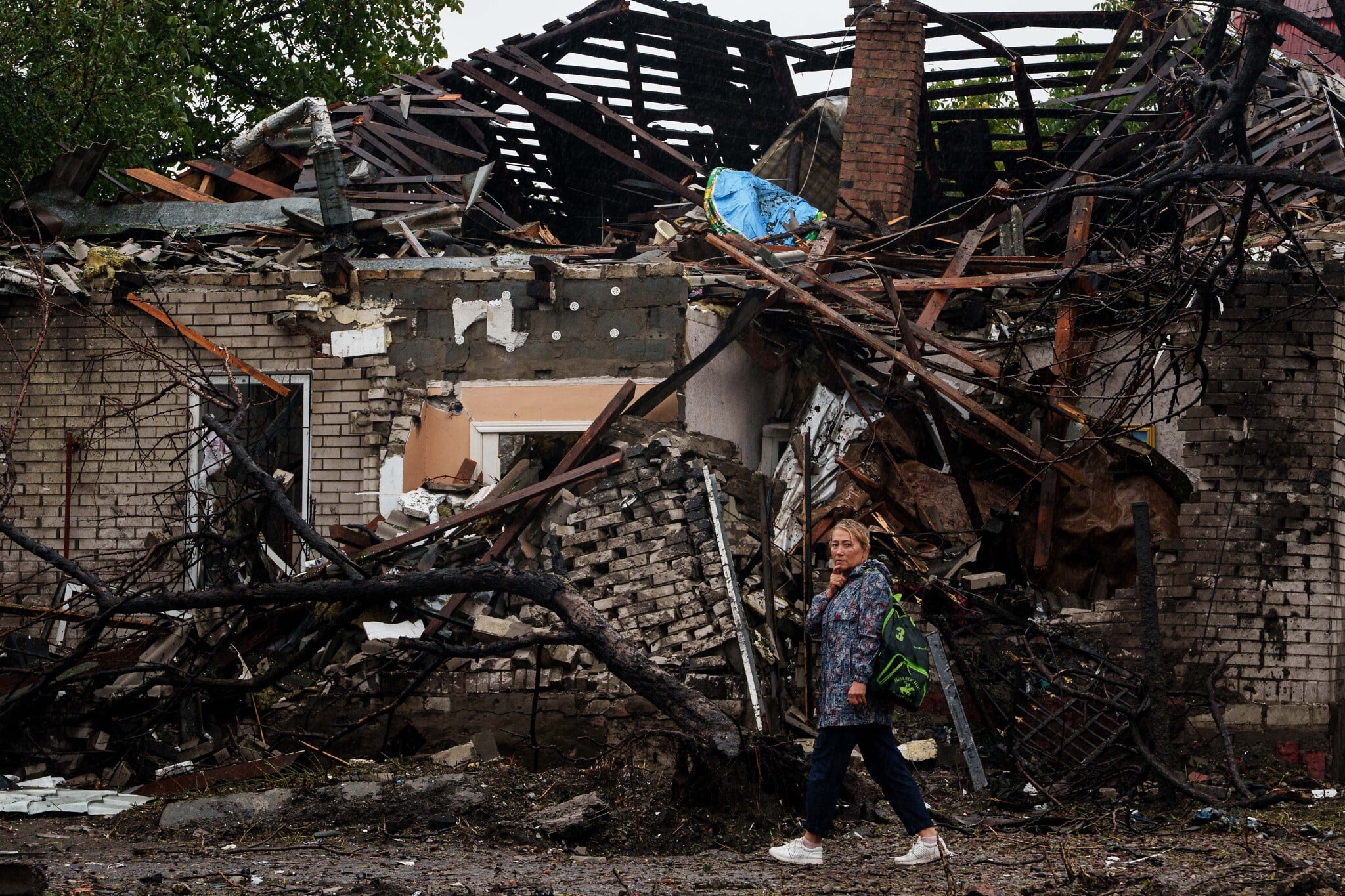
On Thursday, a barrage of Russian drone and missile strikes pummeled Ukraine, killing six agricultural workers in the east alongside two in the capital.








The Times of Israel Community.