

IDF issues rare contradiction of police after claim tunnel route found in West Bank
Accusing Israel Police of ‘irresponsible statements,’ army says tunnel route ‘ruled out’ upon examining two 12-meter deep shafts, far from security barrier, without weapons inside
 Add ToI as a Preferred Source on Google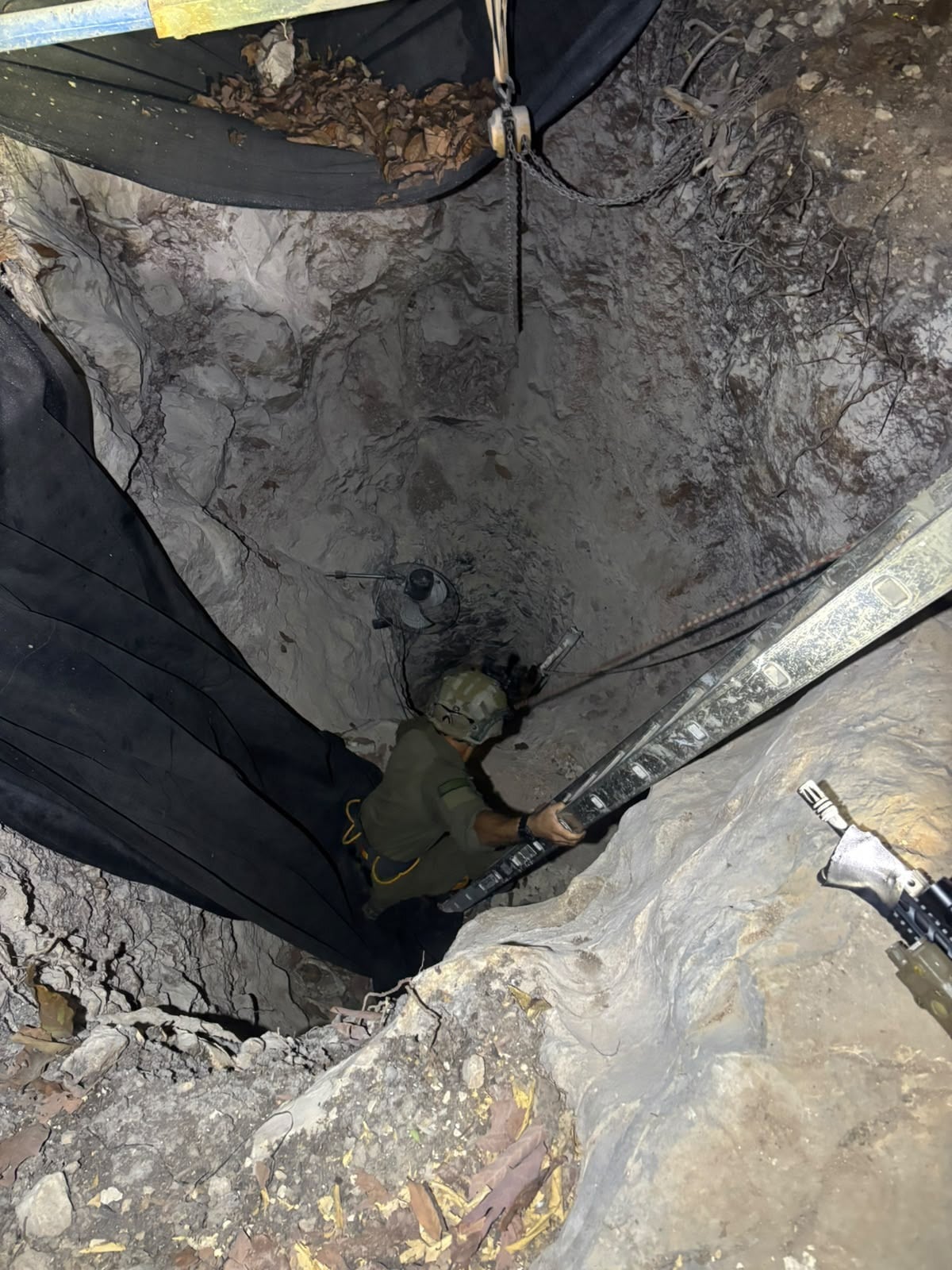
The military accused the police on Thursday of publishing “irresponsible statements,” a day after the police claimed it had found a tunnel route in the West Bank city of Qalqilya, near the central Israeli city of Kfar Saba.
On Wednesday, the Israel Police announced that it had located a 25-meter-deep (82-foot-deep) tunnel in Qalqilya, with weapons inside, along with “the start of an excavation of another tunnel.”
During the operation, four suspects were detained, police said, without mentioning any involvement of the Israel Defense Forces in the raid.
The IDF said that “contrary to official and irresponsible statements that emerged on the matter, following an examination of the shafts, the presence of a tunnel route was ruled out.”
The military said the two shafts were approximately 12 meters (39 feet) deep, not 25, and that “it was also determined that the shafts were not located in proximity to the area of the security barrier” near the West Bank border.
A shaft is dug vertically into the ground, which can be used to hide or store people or things, but, unlike a tunnel, does not allow for passage between multiple locations.
Two shafts are seen in Qalqilya, in the West Bank, September 2026. (Israel Police)
According to the IDF, the weapons found in Qalqilya were located “near the shafts,” not in them. The army said the weapons included “an M16, a hunter’s rifle, a handgun and ammunition, which were confiscated by forces.”
According to the initial police statement, the equipment included a sniper rifle and material to produce explosives, which police later specified was potassium fertilizer. The army did not explicitly challenge the police’s account of the weaponry, and the statements did not necessarily contradict each other.
According to the police, the shafts also included some sort of closed-circuit security camera system.
West Bank police chief: Our statement was accurate
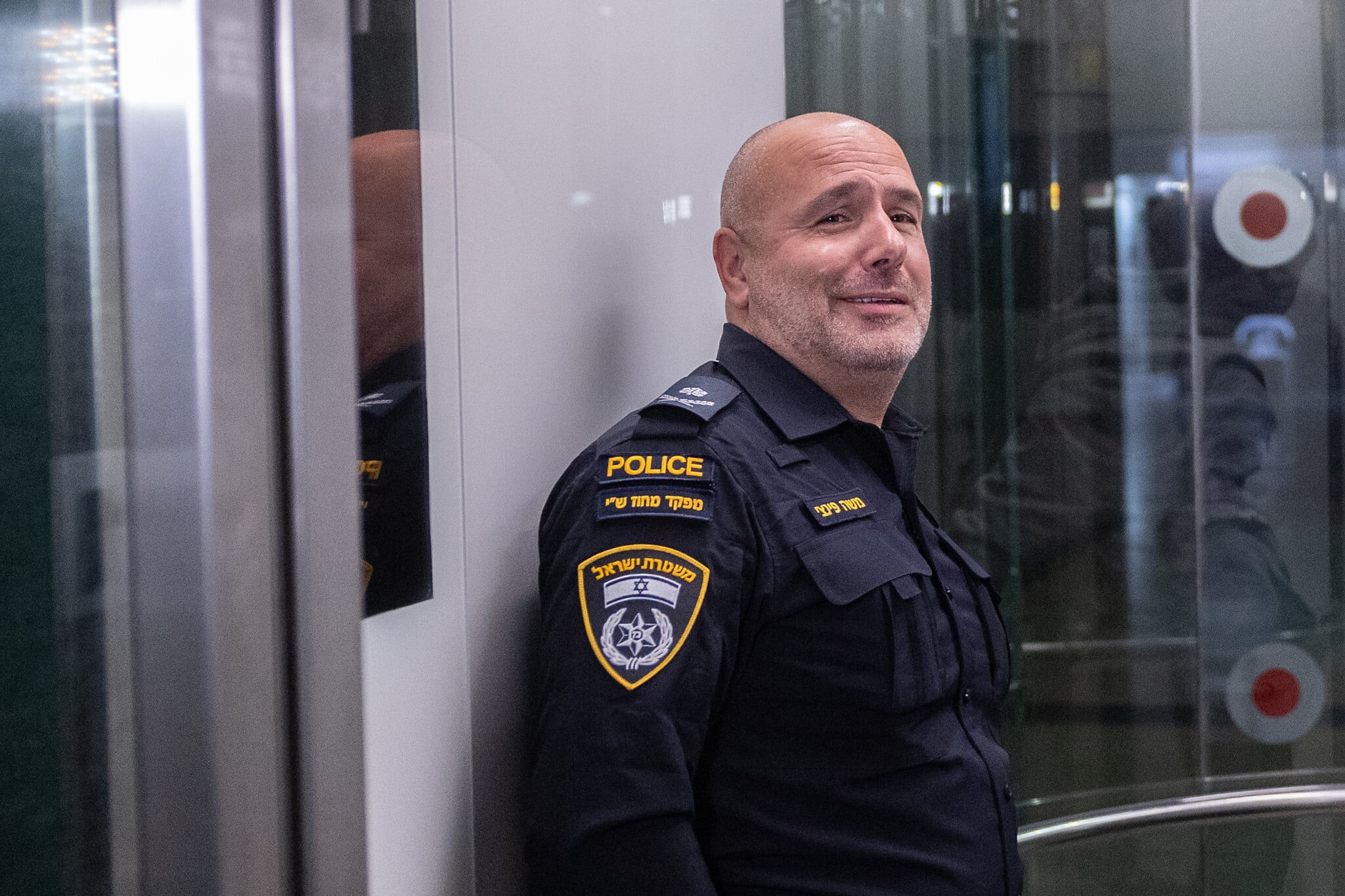
The police took issue with the IDF’s rebuke, with West Bank District Commander Moshe Pinchi saying, “Every word that went out yesterday is correct and precise and based on the facts,” and accusing the IDF of “shortening the length of the tunnel.”
A senior official in the police told the Kan public broadcaster: “The army is frustrated that they didn’t get credit for this important finding, which the police and the Border Police carried out.”
“This is terror activity, and it’s good it was thwarted. It’s a shame that the IDF is trying to deceive the public,” the official said.
In a statement sent to The Times of Israel on Thursday, police said that of the four suspects arrested in connection with the “tunnel opening,” two — both Arab Israelis — had their detention extended, while the other two were expected to be brought before a court in the coming days to have their detention extended as well.
Amid the exchange, residents of Kfar Saba — some 7 kilometers (4 miles) from Qalqilya — remained worried, though the city’s mayor, Rafi Saar, said he had spoken with the army after the initial police statement and had been somewhat calmed by the conversation.
“From what I understand, it’s more a pit than a tunnel,” he said, according to the Ynet news site. “But the possibility of a tunnel that starts in Qalqilya, which terrorists come out of into Kfar Saba, is a possibility we think about all the time, like a drone incident or an infiltration above-ground.”
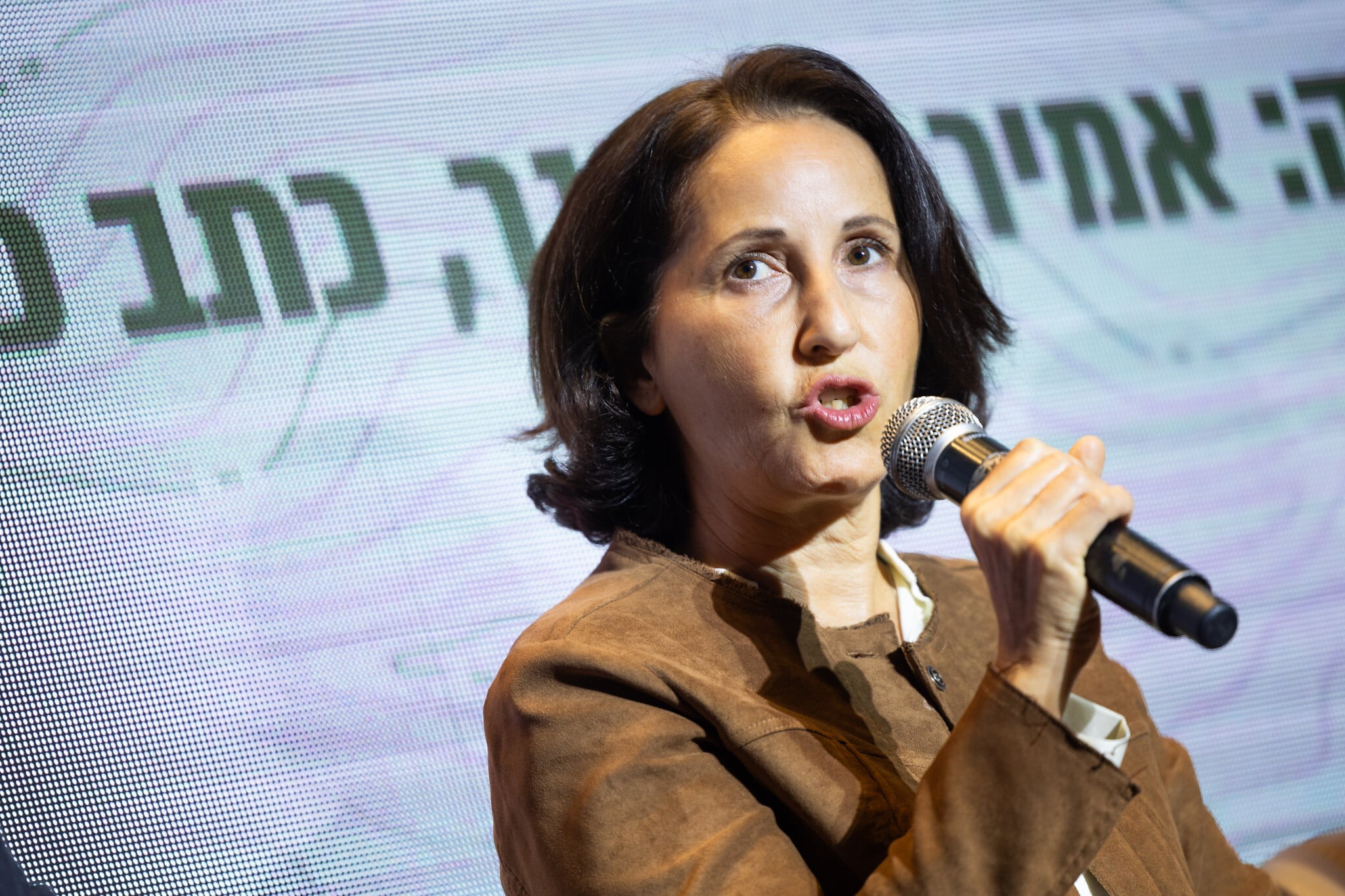
Oshrat Gani Gonen, head of the Southern Sharon Regional Council, lambasted the contradiction between the two statements, and demanded better coordination between security bodies in the so-called Seam Zone, along the border with the West Bank.
“There must be full integration between the IDF, the police, the local councils, the security coordinators, and the civilian security squads. Everyone must be looking at the same picture, sharing information and working as one system,” she said.
Underground tunnels have long been a strategic tool used by terror groups in Gaza and Lebanon, but few have been discovered to date in the West Bank, where the IDF regularly operates to demolish terror infrastructure.
Earlier this month, police said they and the military sealed a tunnel hidden in a water cistern in the Palestinian village al-Jib. The statement did not specify the tunnel’s dimensions, route or alleged purpose.
In June, police arrested a Palestinian man and an East Jerusalem resident after the discovery of a tunnel near the A’zaim checkpoint east of Jerusalem.
In September 2024, the IDF located a short underground tunnel near a hospital in the West Bank city of Tulkarem amid a counter-terrorism operation. The tunnel had an entrance but no exit, indicating that it was still under construction.
And in December 2023, residents of the town of Bat Hefer, situated hundreds of meters from the West Bank city of Tulkarem, reported hearing digging sounds under their homes. However, several sets of tests searching for tunnels found nothing.





The Times of Israel Community.