

Lebanese PM to Iran’s president: We don’t want to be arena for others’ fights
Nawaf Salam, meeting Masoud Pezeshkian on UN sidelines, stresses Lebanon’s need for stability, control of arms after years of Iran-backed Hezbollah attacking Israel, sparking wars
 Add ToI as a Preferred Source on Google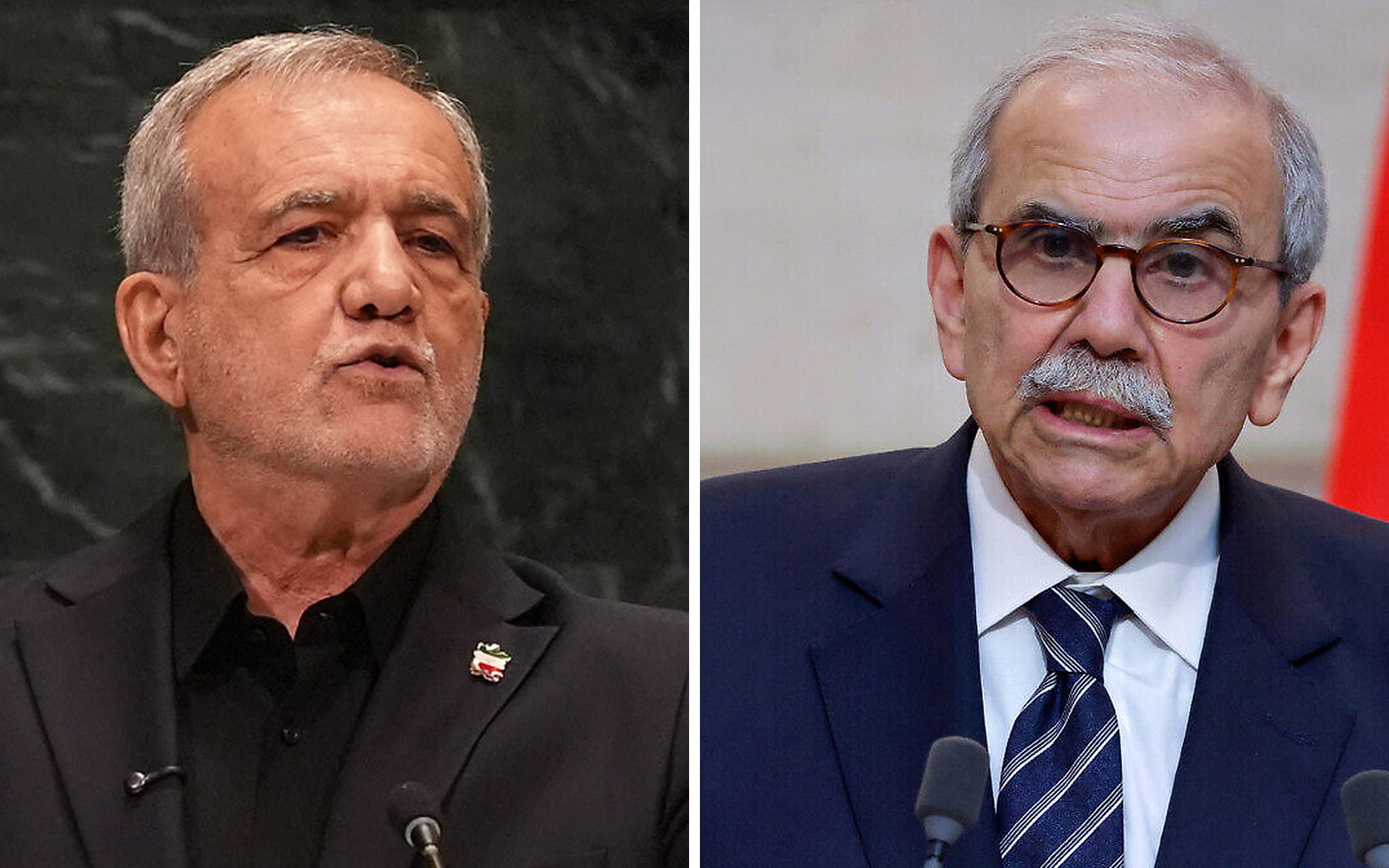
Lebanese Prime Minister Nawaf Salam told Iranian President Masoud Pezeshkian on Thursday that Lebanon does not want to be an arena for regional wars, after the Tehran-backed Hezbollah terror group once again drew it into conflict earlier this year.
Lebanon has repeatedly accused Iran of interfering in its affairs, especially since the start of the latest war, alleging that Tehran was using it as a “bargaining chip” in talks with the United States.
Salam’s office said in a statement that he met with Pezeshkian on the sidelines of the United Nations General Assembly in New York.
Salam “stressed that Lebanon has paid a heavy price in terms of its security, stability and economy, and that it does not want to become an arena for regional conflicts or a venue for the exchange of messages between others,” it said.
In March, two days after the United States and Israel attacked Iran, Hezbollah dragged Lebanon into the conflict by attacking Israel.
Israel responded with major airstrikes and a ground invasion, and declared the creation of a buffer zone in southern Lebanon, where troops would remain so long as Hezbollah was not disarmed.
Violence declined following a June framework agreement between Lebanon and Israel.
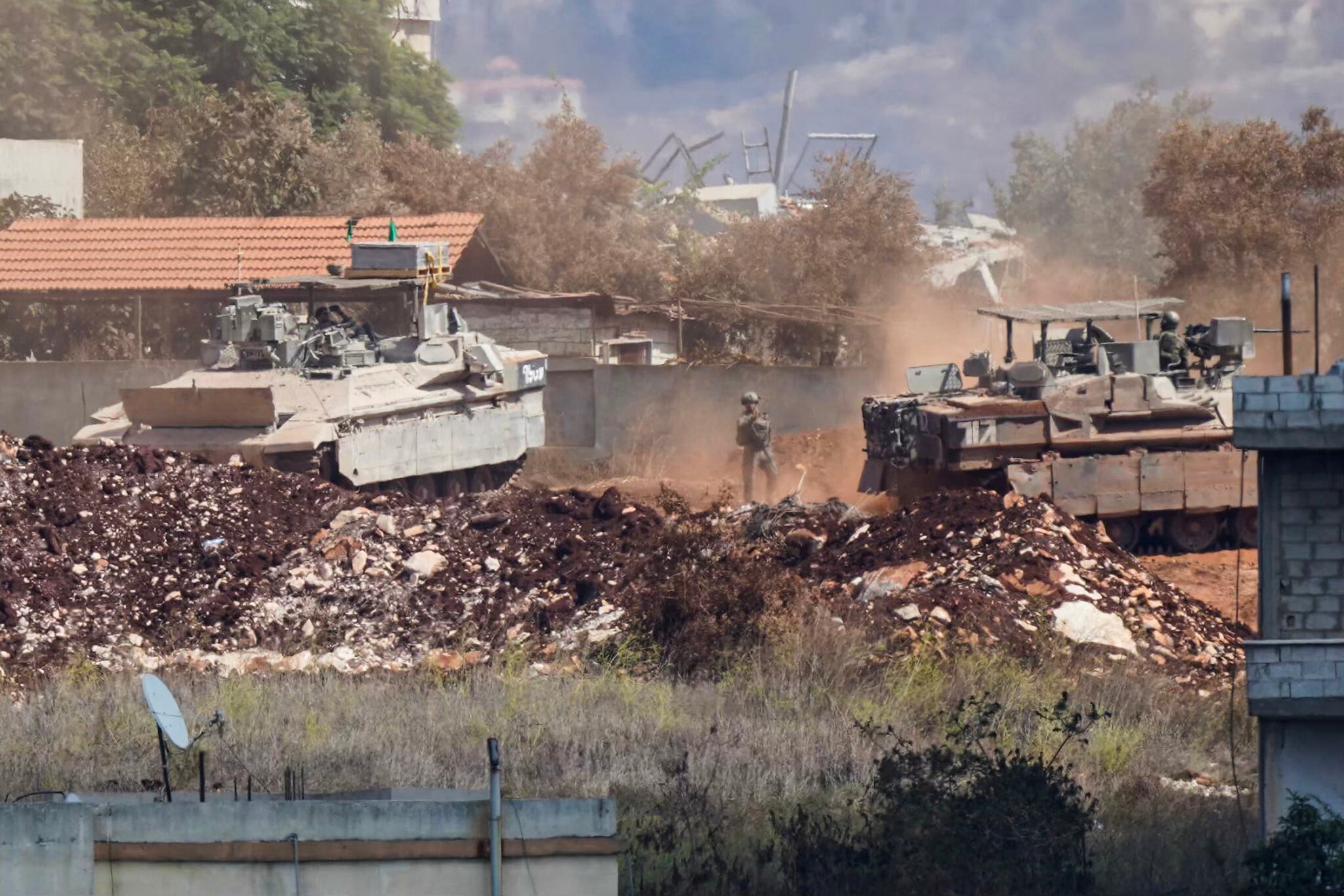
The latest fighting followed an earlier conflict between Hezbollah and Israel, which started when the Iran-backed group attacked Israel on October 8, 2023, a day after Hamas, a Hezbollah ally that was then the Gaza Strip’s de facto government, invaded Israel.
Hezbollah continued to fire missiles and drones at Israel daily, and the conflict escalated in late 2024, mostly ending with a US-brokered truce in November.
Salam said Thursday that his country looked forward “to turning a new page” in its ties with Iran.
He called for “building a sound state-to-state relationship based on mutual respect for each country’s sovereignty and independence, non-interference in each other’s affairs and shared interests.”
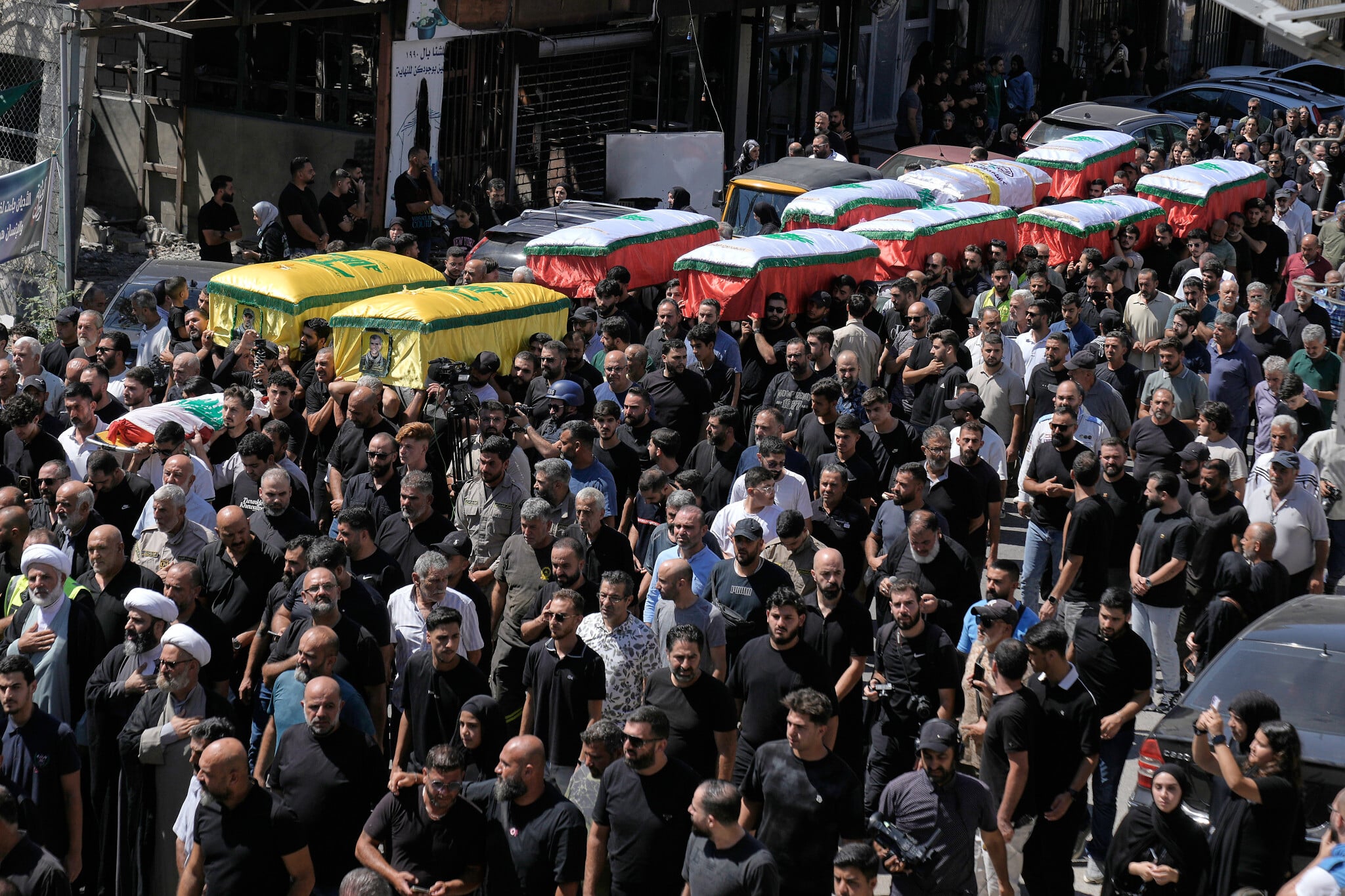
Salam said the priority was for “Israel to fully withdraw from Lebanese territory and cease its attacks, and for Lebanon to move forward with extending the authority of the Lebanese state over all of its territory.”
He said Lebanon needed to ensure “that weapons are held exclusively by the state,” an indirect reference to Hezbollah, which has so far refused to lay down its arms.
In an interview with AFP last week, Lebanese President Joseph Aoun said bilateral relations “must be based on mutual respect and non-interference.”





The Times of Israel Community.