

Separate cities or shared space? Ministries at odds over huge Negev housing plan for Haredim
As the ultra-Orthodox population surges, plans for three major new cities in the south highlight a growing divide over integration, economics and the future of Haredi life
 Add ToI as a Preferred Source on Google
Zev Stub is the Times of Israel's reporter on diaspora affairs and Israeli real estate.
Residents of Israel’s south were surprised on a recent Saturday morning when they saw heavy construction machinery operating on an empty site west of Kiryat Gat.
Government construction projects are rarely carried out on Shabbat, when such work is prohibited according to Jewish law. Many were irked by the irony of the situation: The construction project in question was laying the groundwork for a future ultra-Orthodox city, tentatively known as Plugot.
The work was later attributed to a subcontractor’s mistake and was quickly halted. But the incident put the spotlight on a controversial plan that could reshape housing policies for Israel’s ultra-Orthodox communities for years to come.
Several proposed Haredi cities in the Negev have advanced through government approvals as a measure to alleviate a housing crisis threatening the fast-growing community. Their proponents, led by a former housing minister — United Torah Judaism chairman Yitzhak Goldknopf — believe the projects could provide a long-term solution to the sector’s rapid growth.
But policymakers are still divided over the value of such plans and whether their implementation would create more harm than good. Formally, a government-ordered rethink means planning is stalled for the next few weeks, but preparation is quietly continuing for at least three major new cities in the south.
“The Haredi population is growing very quickly, and the government faces a dilemma of whether to encourage their integration into existing cities or to develop new cities where they can live the lifestyles they are accustomed to,” said Eran Razin, a professor of geography at the Hebrew University in Jerusalem and a member of the board of Israel’s Planners Association.
Large influxes of Haredim into secular neighborhoods often bring clashes over issues such as public transportation on Shabbat, education, and the character of public spaces.
The restrictions and rituals that come with ultra-Orthodox life also require an additional level of infrastructure, including synagogues, study houses and ritual baths — all usually within walking distance of homes.
But Israel’s ultra-Orthodox population is growing much more quickly than the country’s current building trends account for. There are believed to be over 1.45 million Haredi Jews in Israel today, making up 14 percent of the population, according to the Israel Democracy Institute, and studies show the sector may comprise as much as a quarter of Israel’s population by 2050.
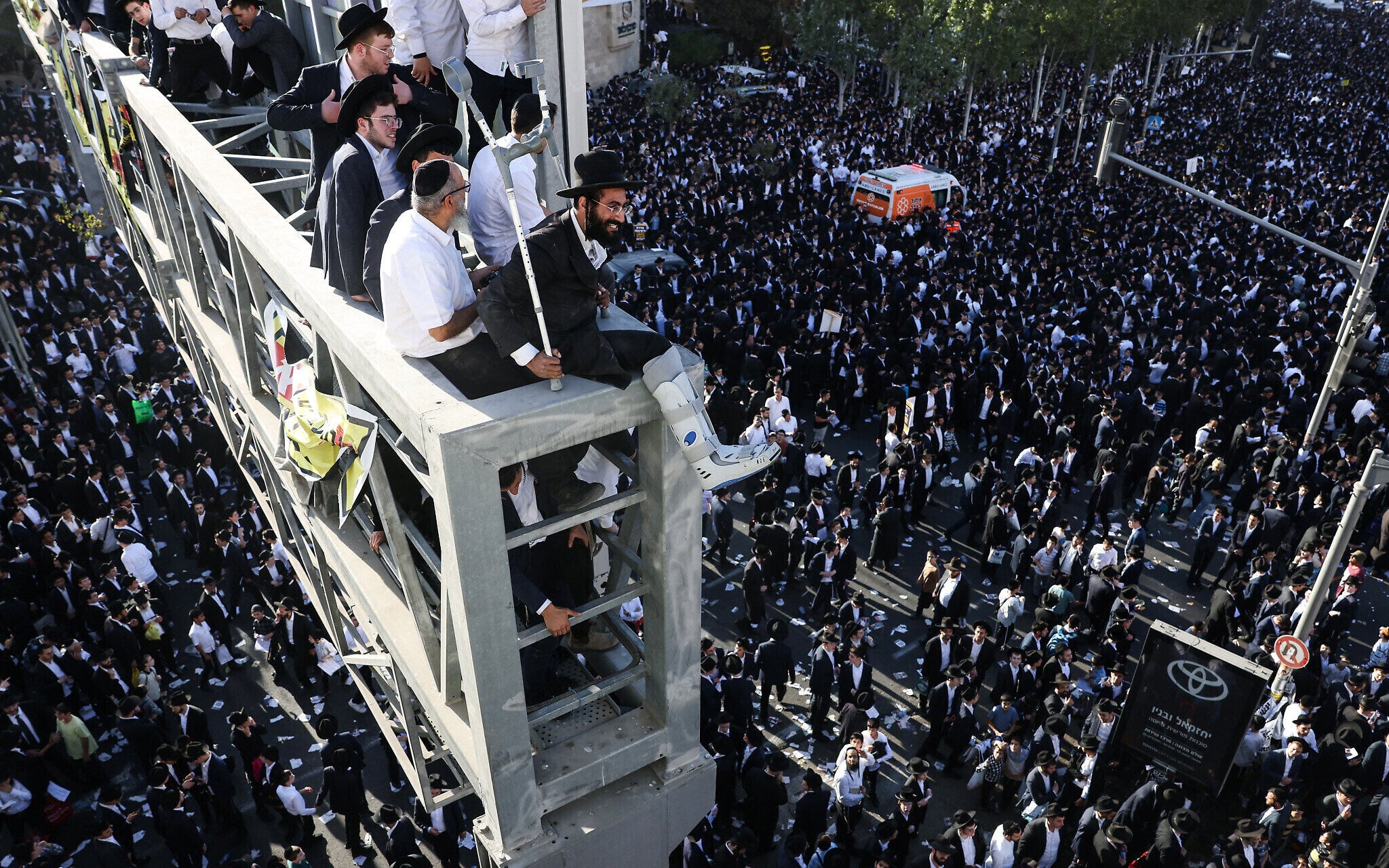
But government land allocations for new homes far undershoot this reality. A state comptroller’s report in 2023 found that only 4% of new buildings approved between 2017 and 2021 were intended for ultra-Orthodox populations, or just 25,000 units out of 623,000. Those numbers have since increased, but more than 10,000 units must be approved per year to reach the government’s target of 200,000 new homes for the sector by 2035, the report said.
Meanwhile, as their numbers grow, ultra-Orthodox communities are increasingly moving out of traditional strongholds such as Bnei Brak and Meah Shearim into secular and mixed neighborhoods around the country, fueling tensions with existing residents. Neighborhoods in Jerusalem, Beit Shemesh, Arad, Safed, Tiberias, Afula, Kiryat Gat, Kiryat Malachi and Ashdod are among those where Haredim have created footholds, in some cases taking over 25% or more of households.

These migrations, sometimes viewed as hostile invasions by secular residents, are an inevitable outcome of the community’s rapid growth, experts say. If an alternative model is not found, the trend will likely accelerate in the coming years.
“Due to the rapid growth of the community, it is reasonable to expect that 20 more Israeli cities will become Haredi within the next 10 years,” Hebrew University’s Itschak Trachtengot, who specializes in economic policies for Haredi communities, previously told The Times of Israel.
Facts on the ground
There is an ongoing dispute between the Finance Ministry and the Housing Ministry about the viability of building new Haredi cities. The treasury, headed by Finance Minister Bezalel Smotrich, believes that Haredi housing demand is already being met in mixed cities and that new separate cities are unnecessary. Meanwhile, the Housing Ministry, influenced by former Housing Minister Goldknopf and other Haredi players, wants to put their development into action before national elections are held later this year.

In February, the government decided to examine the issue more deeply before moving forward, according to Hebrew media reports, with recommendations to be made in June. That means for now, everything is on hold.
“Currently, the Ministry is conducting professional and inter-ministerial headquarters work… to examine the housing needs of the ultra-Orthodox public, including considering the establishment of new settlements with an ultra-Orthodox character,” the Housing Ministry said in response to a series of questions sent by The Times of Israel. “Upon completion, the conclusions will be presented for discussion with planning authorities and the government for decision-making accordingly.”
But behind the scenes, at least three cities are in various stages of preparation.
Tenders for construction are reportedly being prepared for the first city, Kasif, being designed near Arad for 80,000 residents. The project was formally greenlit in 2007, but has sat in bureaucratic limbo for nearly two decades, hampered by shifting political priorities and legal challenges.
Bids for development of the city’s first apartments will be issued within six months, and, if things move quickly, the first 500 apartments could be ready within a few years, a source within Goldknopf’s office said.
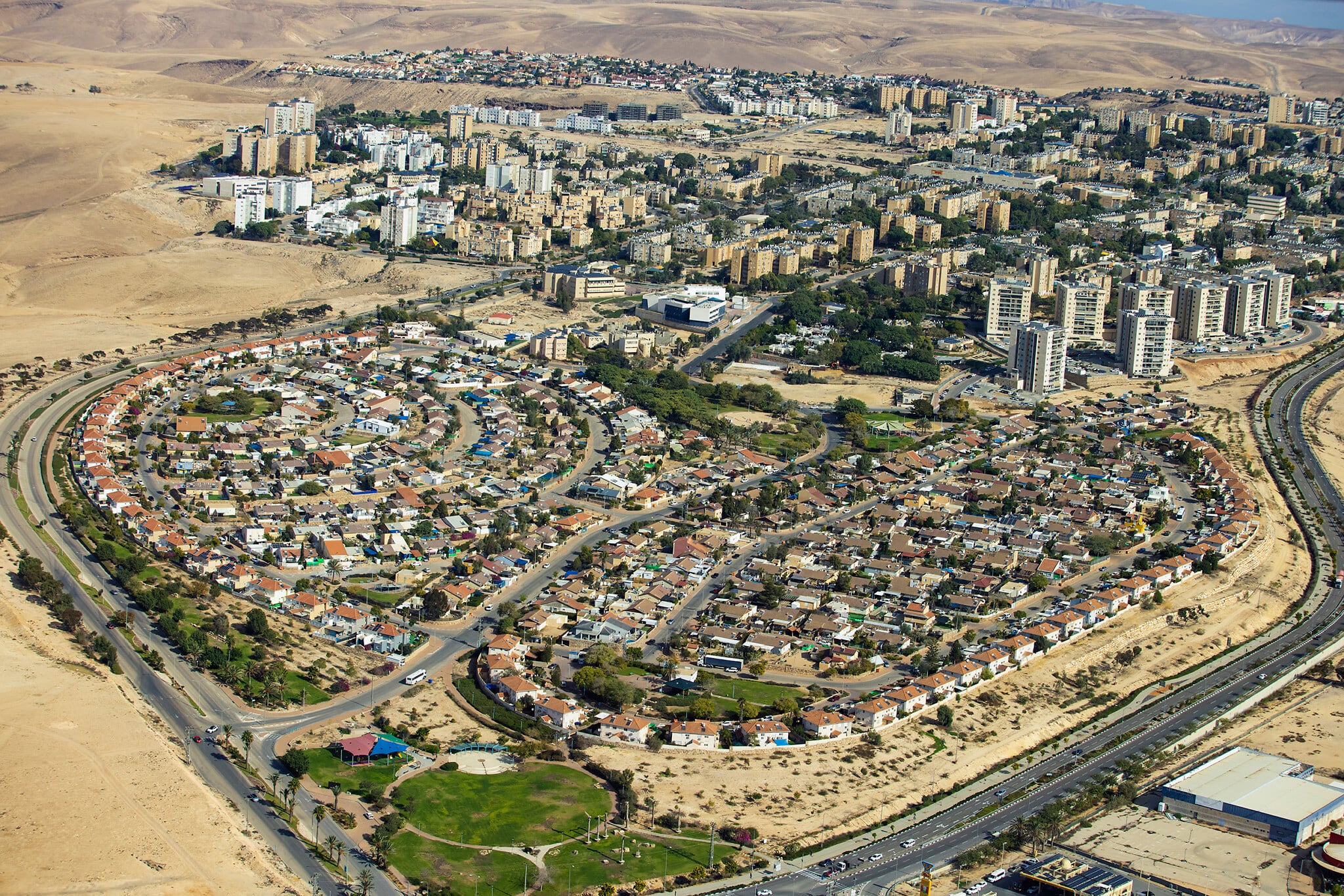
North of Kasif, west of Kiryat Gat, is the development currently known as Plugot, designed to eventually house more than 150,000 people. Government approvals for the city have not been finalized due to the dispute between the Housing and Finance Ministries. But initial infrastructure work is already underway to prepare the land, including the work that drew attention for taking place on Shabbat.
Both Arad and Kiryat Gat have seen Haredi influxes in recent years, and establishing independent municipalities outside their city limits would allow existing neighborhoods to preserve their secular character, planners say. Cities would be designed with “Haredi-specific” urban planning, such as lower buildings (to avoid the need for Shabbat elevators), sukkah balconies, and a high ratio of land allocated for yeshivas and religious institutions.
A third city, Tila, would sit about halfway between the first two, near Lehavim and Rahat. First approved in 2024, it is designed to accommodate another 80,000 residents and connect a contiguous belt of Haredi cities. The city is still in the early planning stages.
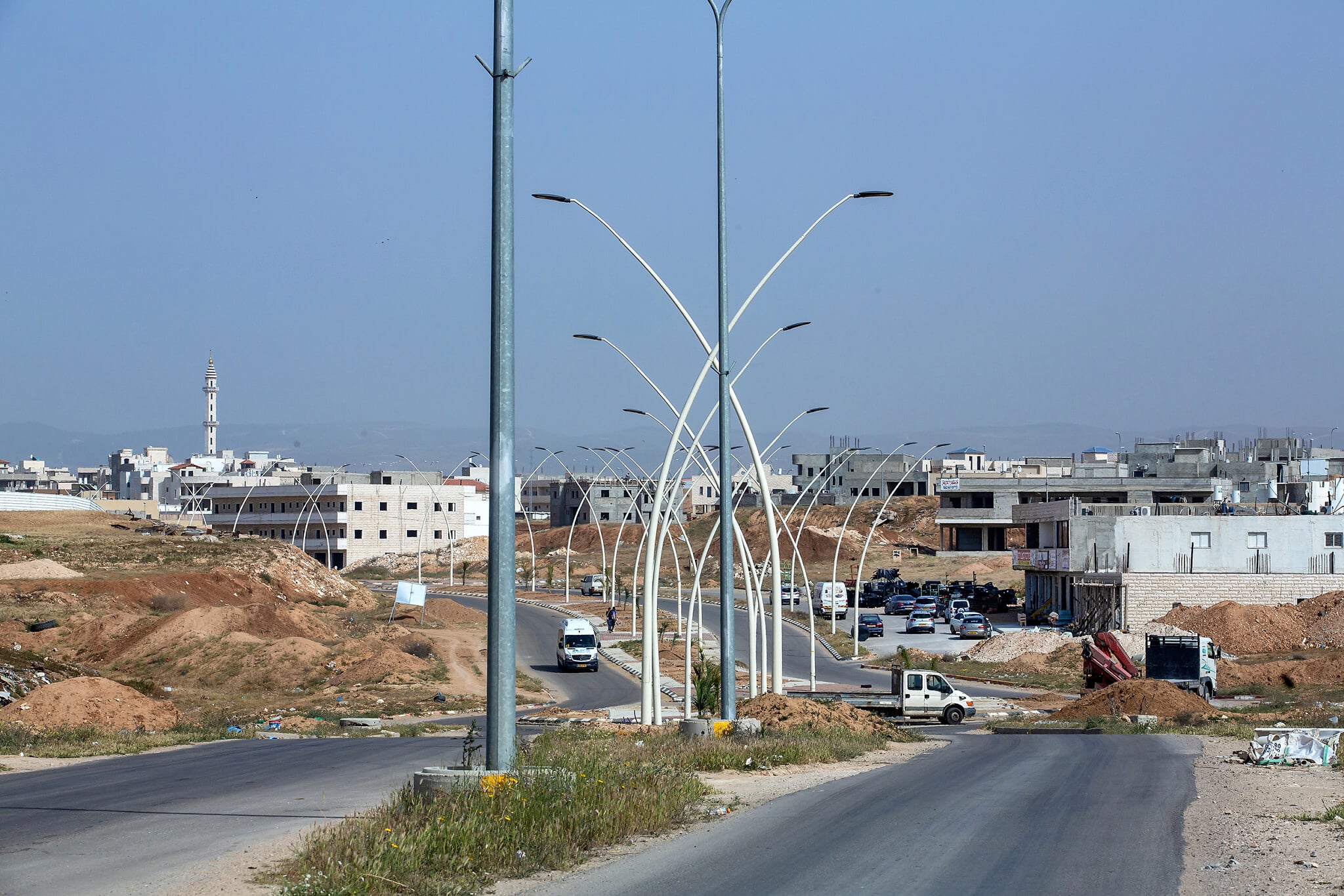
Of these projects, Kasif is located the furthest south and slated to receive the least desirable land, which will make it the least attractive to ultra-Orthodox buyers, Razin noted. That means that from a strategic standpoint, it must be built before the others for the whole endeavor to work, he said.
“What Haredi families really want is to be as close to the center of the country as possible, but to get it at Arad-style prices,” Razin said. “But if Plugot and Tila are ready first, no one will move to Kasif. It’s too far out.”
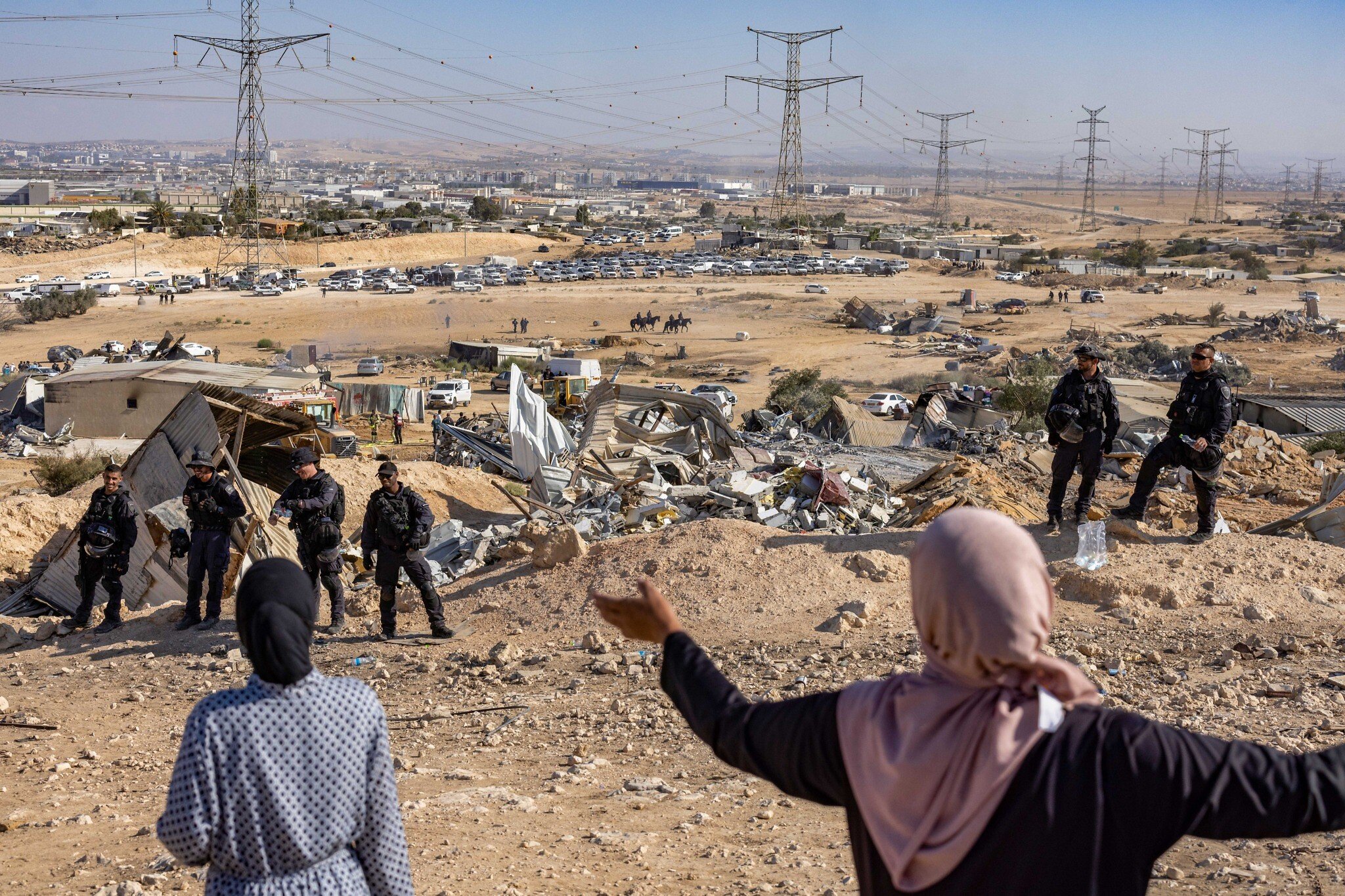
Populating Kasif first would begin to shift Haredi demand southward, proving that such a community is actually viable before others are developed, Razin said. It would also serve the government’s goals of strengthening the Jewish population in the Negev, preserving the area’s demographic balance against a growing Bedouin presence.
Advantages and challenges
A triangle of ultra-Orthodox cities would effectively create an ecosystem of Haredi life, enabling the development of workplaces, schools and commercial centers that conform with the community’s requirements, which include strict separation between genders, sources in the Housing Ministry say. It would also mitigate the need for Haredim to move into existing secular neighborhoods, alleviating certain social tensions.
But these towns would also create new problems, Razin warned. Further isolating the already-insular Haredi community would pose significant social and economic challenges for the long-term future of the country, he noted. Efforts to marginalize them instead of working to integrate them into mainstream society might seem simpler in the short term, but could have serious costs down the road in terms of poverty and religious extremism.

Additionally, because many Haredim live on government stipends and benefits instead of working, such cities would likely have very narrow tax bases and heavy welfare expenses, he pointed out.
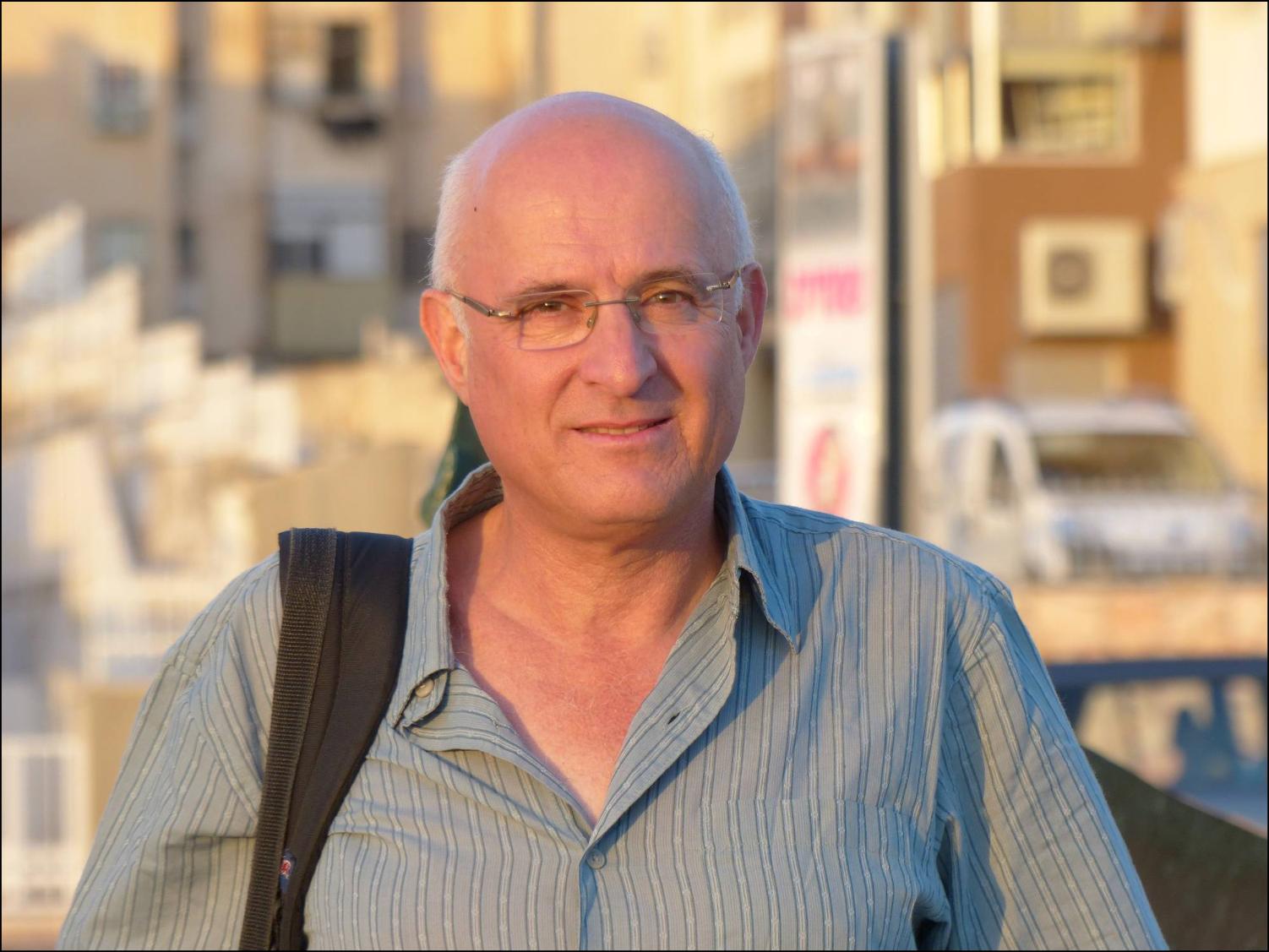
“By building a municipality comprised of low-income populations with large families, you create a fiscally weak community unable to fund schools, welfare programs and religious infrastructure,” Razin said.
Most likely, he added, these cities would be forced to rely on the continued political clout of Haredi parties in government rather than on sustainable local economics. Potential political deals risk creating an oversupply of Haredi housing and entire towns where residents are incentivized not to work.
The problems resulting from these proposed cities could ultimately prove more difficult to manage than those associated with integration into existing neighborhoods, Razin said. Therefore, the decisions made in the coming months, he urged, must take these broader social and economic realities into account.
“These cities will need strong budgets for schools and basic services. They can’t just count on continued political support,” he said. “There needs to be a better economic plan than ‘Hashem ya’azor [God will help].'”










The Times of Israel Community.