

90% of pre-Oct. 7 residents have returned to Gaza border area, joined by 2,500 others
Government agency tasked with rehabilitating region says new arrivals include more than 50 new families who have settled in 13 of the communities worst affected by Hamas-led attack
 Add ToI as a Preferred Source on Google
Sue Surkes is The Times of Israel's environment reporter
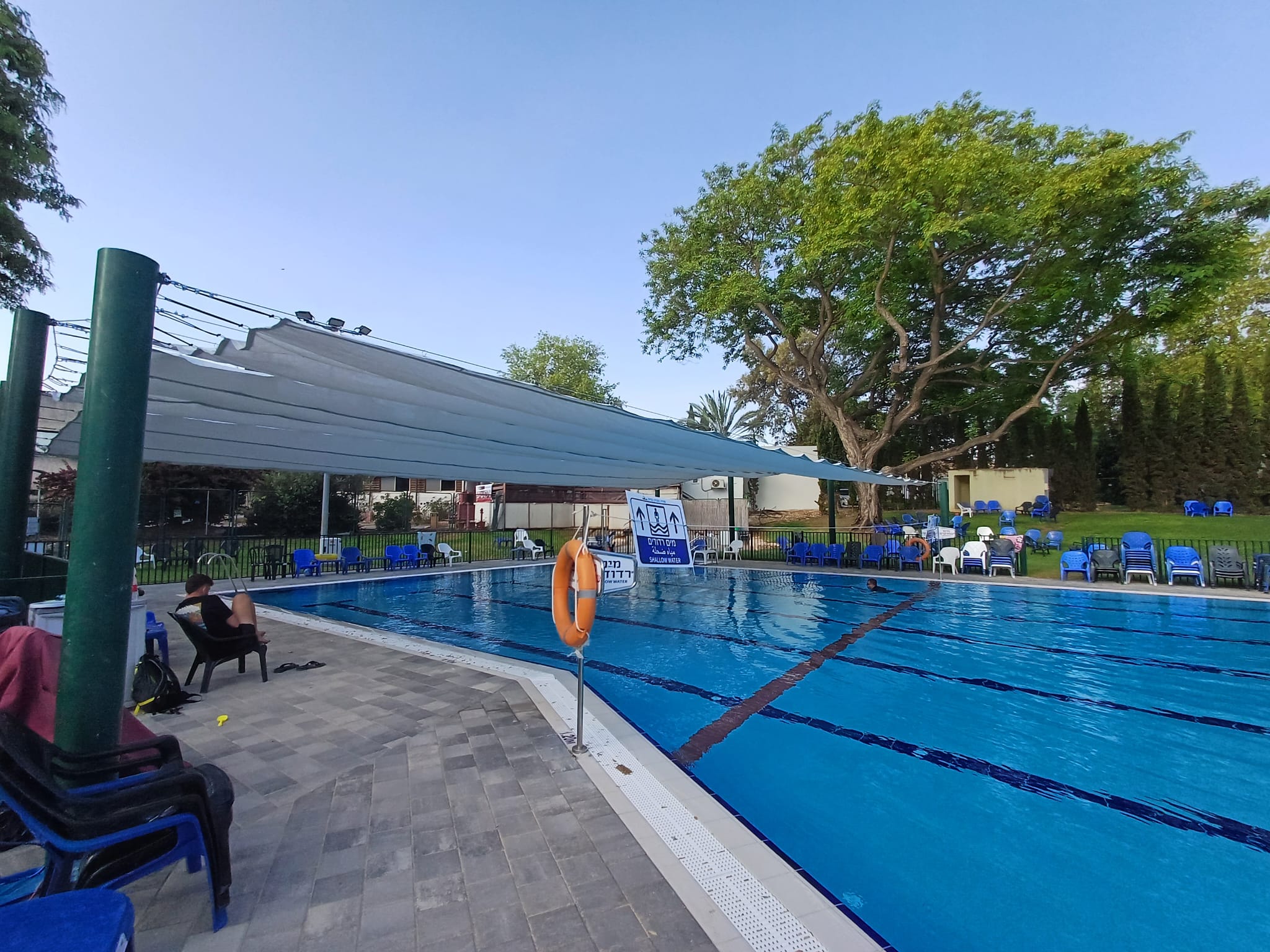
Over 2,500 Israelis have moved to Gaza border communities, bolstering the over 90 percent of residents living in the area before the Hamas-led onslaught nearly two years ago who have since returned home, the government agency responsible for rehabilitating the region revealed Wednesday.
Among the new arrivals, the Tekuma Directorate said more than 50 families from all over Israel have signed up to live in the 13 communities that were worst affected by the October 7, 2023, attack by Palestinian terrorists who killed some 1,200 people and abducted 251 hostages to the Gaza Strip.
Those 13 communities include Kerem Shalom, where 88 percent of pre-October 7 residents have returned and six new families have arrived. The corresponding figures for some of the other communities are 90% and six in Sufa; 82% and eight in Nir Yitzhak; 90% and one in Nirim; 90% and five in Ein Hashlosha; 95% and ten in Re’im; 83% and 12 in Netiv Ha’asara; and 33% and four in Nahal Oz, where residents only began returning on September 1.
According to the report, of the NIS 17.5 billion ($5.25 billion) the state has allocated to rehabilitate the Gaza border region over a five-year period, around NIS 7.9 billion ($2.4 billion) has already been spent, and a further NIS 525 million ($157 million) has been earmarked for the current year for projects aimed at encouraging residents to return.
Residents of the five worst-affected communities are still in temporary accommodation, while their kibbutzim are being repaired and rehabilitated. The work is expected to be completed by November in Kissufim, by next March in Holit, by July in Kfar Aza and by August in Be’eri. No date has been set for the return home of Nir Oz residents, who only agreed on a financial package with the state in April.
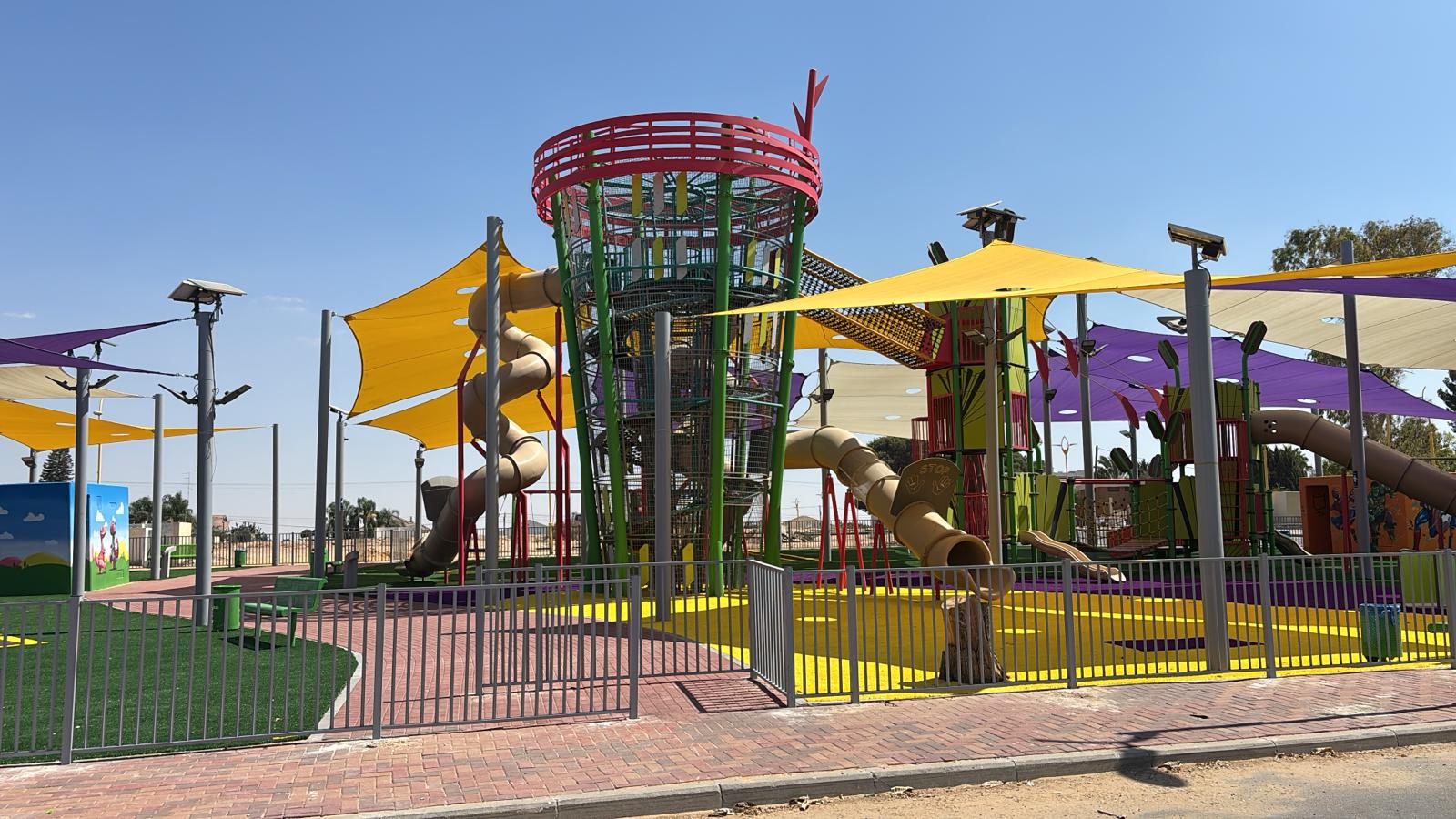
To support education, NIS 500 million ($150 million) has been allocated for the current school year, representing an investment of NIS 13,500 shekels (just over $4,000) per pupil. This, the report said, allows for smaller classes and additional resilience and emotional support programs. Around NIS 70 million shekels ($21 million), or NIS 4,000 ($1,120) per child in grades four through 12, has been channeled into informal education this year to enrich social activities and strengthen a sense of identity and belonging.
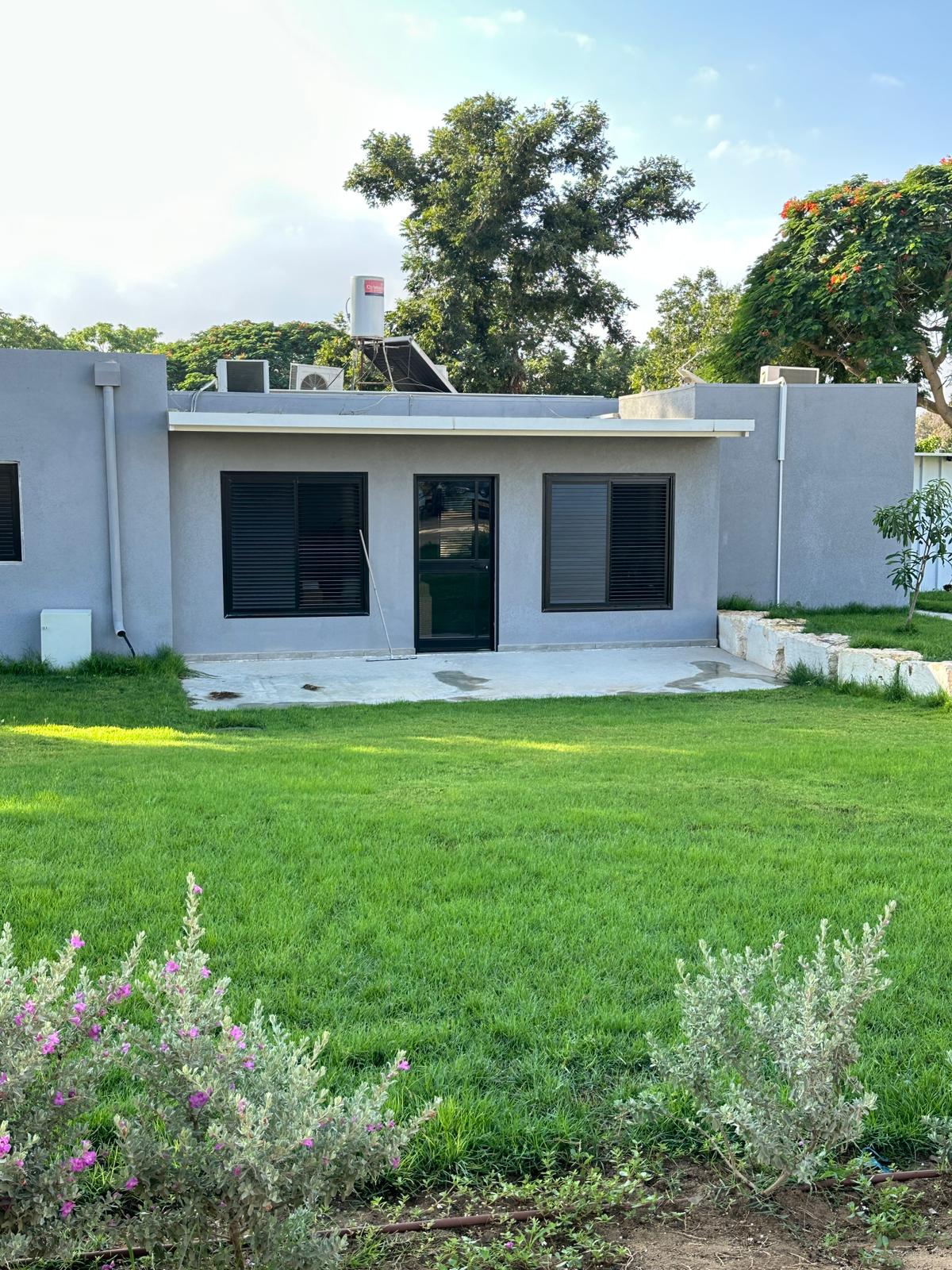
Some NIS 46 million shekels ($13.8 million) will be spent this year to create facilities for innovative pedagogy, such as educational agricultural farms, therapeutic kitchens, technology incubators and centers for gifted children, the report added.
Additional funds (NIS 128 million, or $38 million) are being used to expand and upgrade welfare infrastructure, such as clubs, wellness centers, community centers, and adapted activity spaces, while NIS 61 million, or $18 million, has been spent on programs for trauma and bereavement.
From January 2024 to June 2025, around 15,000 people took part in family treatment, with 13,000 participating in therapy groups and 40,000 in community resilience activities. The city of Sderot has acquired a new mental health clinic and a center for the treatment of eating disorders.
In agriculture, NIS 410 million (approximately $125 million) was invested last year in projects ranging from new tools and technology to greenhouses and barns. Nearly NIS 120 million ($36 million) was directed to mechanizing and automating the region’s packing house, enabling area farmers to supply the country with a larger share of fruit and vegetables.
Projects to strengthen towns include the addition of 21 community coordinators in moshavim and seven in Sderot. Furthermore, 35 youth coordinators were appointed in 46 communities and Sderot.
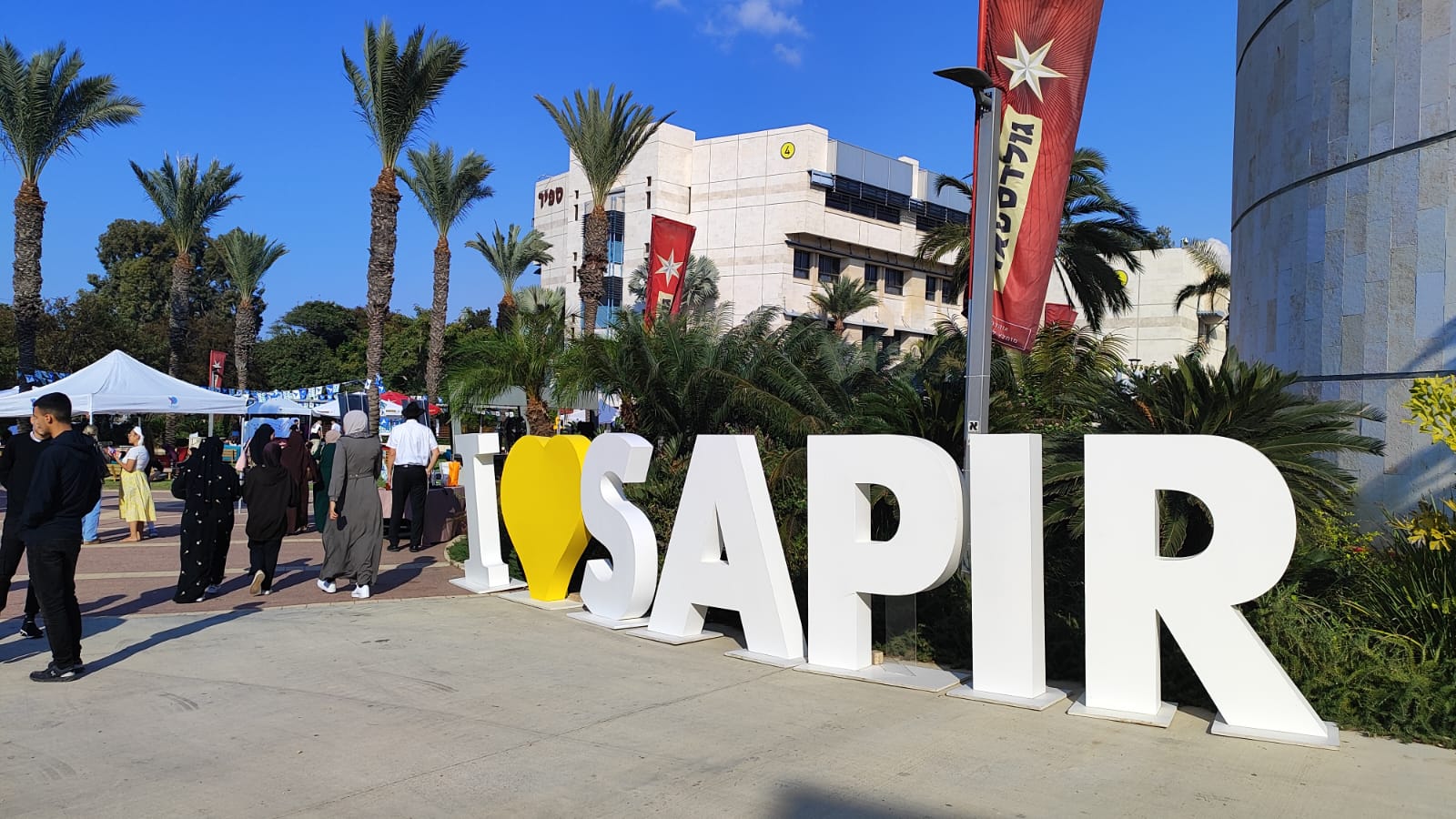
With an eye on attracting youth to the region and giving them a reason to stay, funds have been provided for a leadership program, upgrading pre-army academies (mechinot), bolstering Sapir College near Sderot and providing scholarships to all students there if they perform 60 hours of community service.
“Since October 7, we can say with confidence: the Tekuma region is being renewed,” Minister Ze’ev Elkin, who responsible for the reconstruction of the northern and southern border areas, said in a statement. “The vast majority of the residents have already returned, and more than 2,500 new residents have joined them. The state is investing in an unprecedented way — in education, health, security, the economy, and the community, under a five-year plan worth NIS 17.5 billion shekels.”
Elkin acknowledged there is “still have a lot of work ahead of us in completing the return and rehabilitation process, especially in relation to the five communities that have not yet returned, and especially in investing in the region’s growth and doubling its population to 120,000 residents.”
Aviad Friedman, who heads the Tekuma Directorate, added: “On the ground, you can already see the construction boom, the new infrastructure being built, and the children who have recently returned to kindergartens and schools. Alongside the broad investment in all areas of life, the administration is promoting unique solutions for construction and housing through local baskets, which allow each community to shape its future according to its needs.”



The Times of Israel Community.