

Palestinian family still seeking help for son paralyzed by Oct. 7 Hamas rocket
Kinaan Dadou, now 10, was hit by shrapnel in West Bank Area C village, leaving parents stuck between Israel and PA; ‘neither side takes responsibility for us,’ laments father
 Add ToI as a Preferred Source on Google
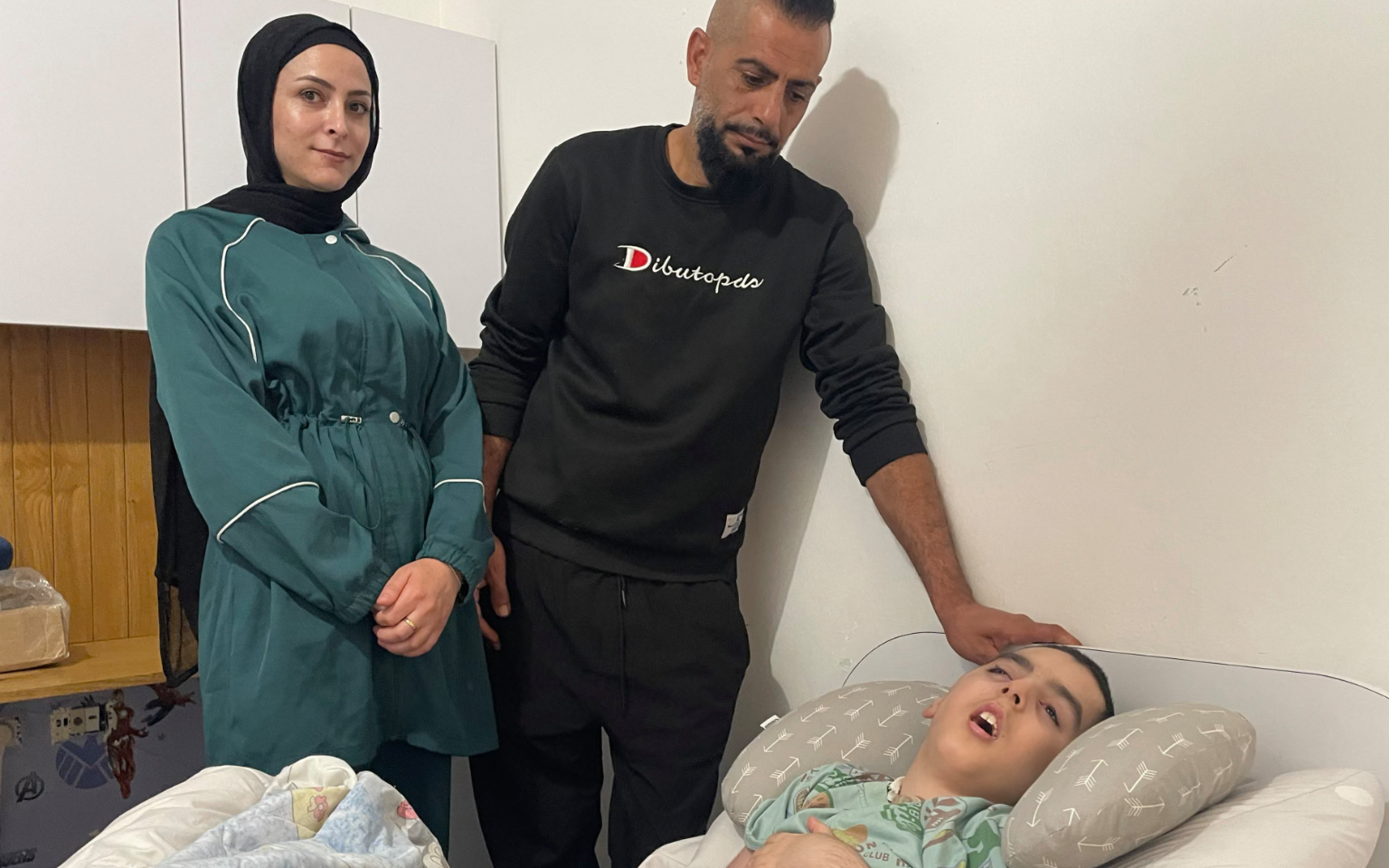
Three years after shrapnel from a Hamas rocket attack on the West Bank left him paralyzed, 10-year-old Palestinian Kinaan Dadou and his family are still seeking treatment, telling the UK’s Guardian that they have been stuck in limbo between Israel and the Palestinian Authority.
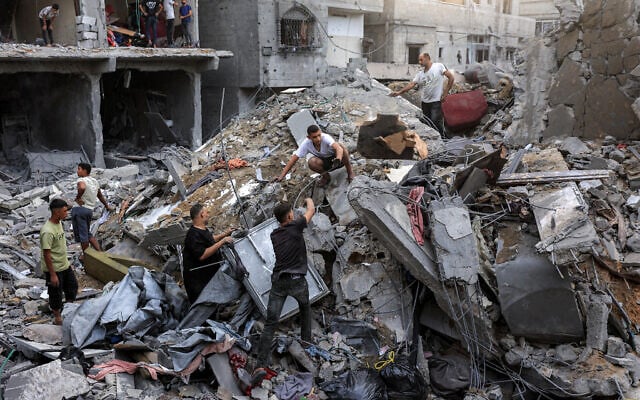
The rocket that landed in front of the Dadou home in a small village west of Bethlehem was one of several thousand launched by Hamas from the Gaza Strip on October 7, 2023, as part of the larger terror invasion of Israel that sparked the war in Gaza.
A piece of shrapnel hit Kinaan, seven at the time, in the head, and he collapsed, his parents told the UK outlet. When an ambulance that an Israeli soldier said he would call never arrived, Kinaan’s parents drove their son to a hospital, where staff were already overwhelmed. He was only seen by a doctor hours later, as his brain was hemorrhaging, and he was left fully paralyzed, feeding and breathing through tubes.
Now, three years later, his parents are still looking for financial and medical help.
“We’ve knocked on every door. The Arabs and the Israelis, it’s the same response. The Palestinian side says, ‘This isn’t our area,’” father Alaa Hassan Yakoub Dadou told the Guardian.
The family lives in Khirbet Umm Rukhba, which is in the West Bank’s Area C, one of three areas established by the Oslo II Accords, signed in 1995 by Israel and the PA. While Area C is under full Israeli control, the PA’s health ministry is still the official authority responsible for healthcare in Palestinian villages, with Israeli health authorities in charge of care in Israeli settlements.
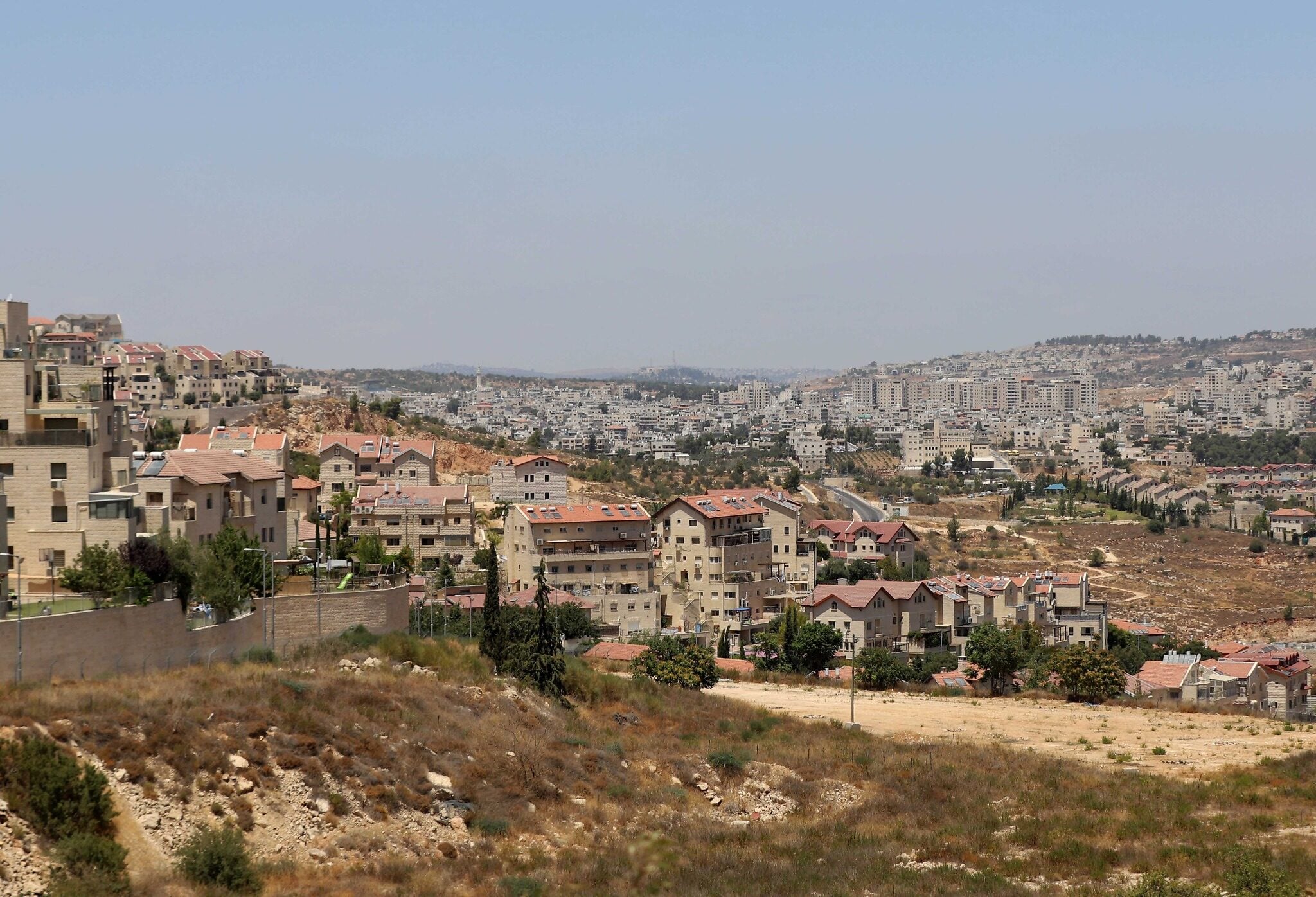
“What’s our crime? That we happen to live among settlements? Neither side takes responsibility for us,” the father said. Their village is just down the road from the relatively large Jewish settlement of Efrat.
“I look at him and I ask him what he wants, what does he need? But he can’t respond, so I begin to cry. I think he’s in pain,” Dadou told the outlet.
Kinaan’s medication costs NIS 4,000 ($1,250) a month, his father said, already more than his family can afford, and they have little hope of taking him to a specialist in Turkey, where more comprehensive treatment could cost around $250,000.
While the PA did offer initial help with Kinaan’s surgeries just after the injury, his parents told the Guardian that it has not been helpful with funding medication or seeking specialist treatment.
“I borrow from here and there, but it’s too much,” Kinaan’s father said. He said that he used to work as a laborer in Israel, but since the war in Gaza started, permits for Palestinian workers have been all but completely stopped.
In an effort to save money, his mother, Woroud Dadou, said she now changes her son’s breathing tube herself, instead of paying a professional. “I try to keep the tube as clean as possible so it lasts longer, but sometimes if I use the same one too long he begins to cough,” she said.
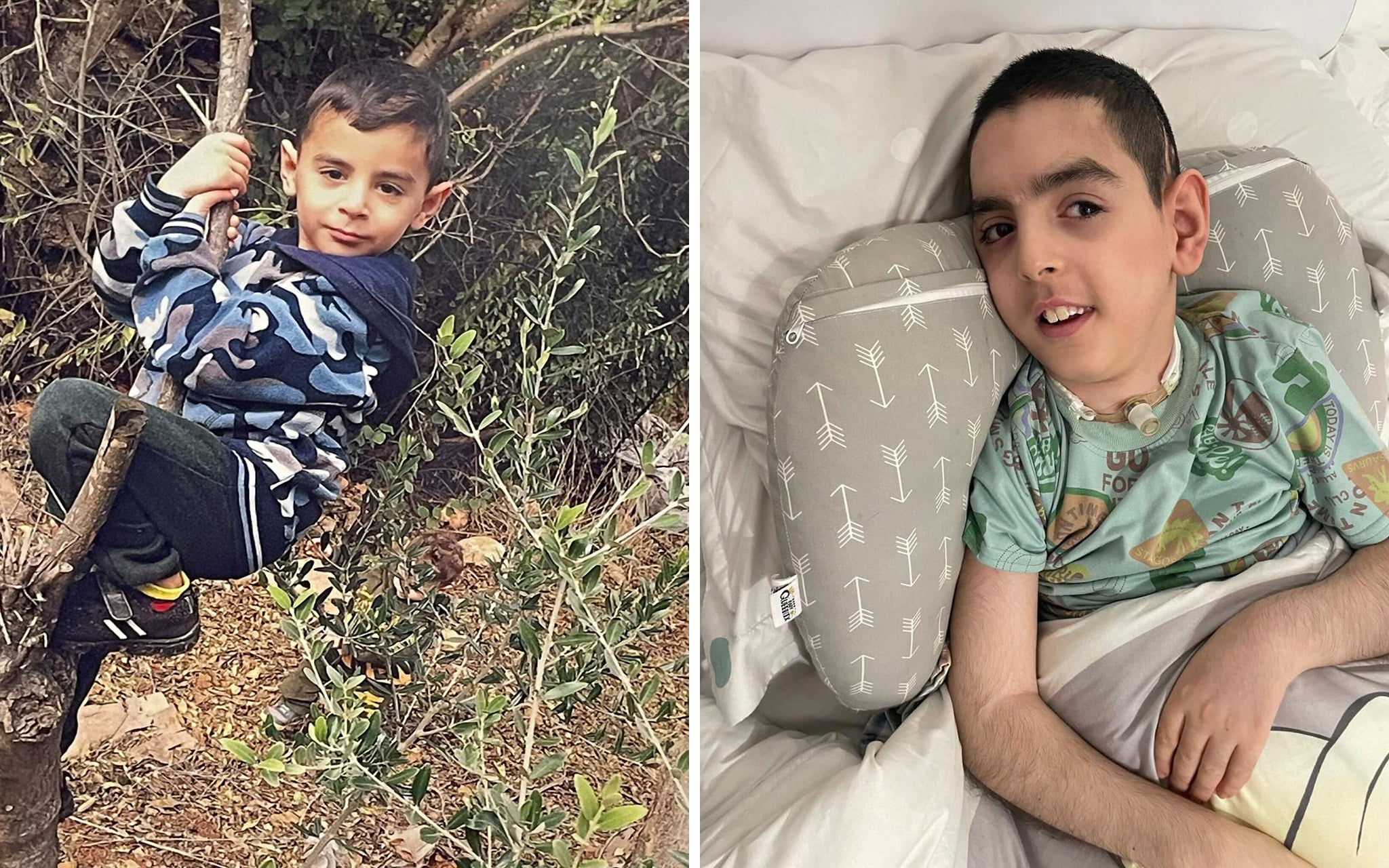
They have appealed to Israel for help on humanitarian grounds, the report said, but have received little to no response.
The Coordinator of Government Activities in the Territories, or COGAT, the Defense Ministry unit that oversees and coordinates humanitarian and civilian matters in the West Bank, did not respond to an inquiry from the Guardian about their case.
The PA’s health ministry also did not respond to a request for comment, the British outlet said.
“If this was an Israeli child, even a settler child, do you think they’d have left him like this? He’d have been taken to the best hospitals. They would have done everything for him,” Alaa Dadou said.
“That’s what Israel does for its injured. It takes care of them,” he said. “But when it comes to us, as a humanitarian case, it’s as though they’re saying: ‘Just give him his medicine until he dies.’”
“We are realistic – we know he probably will never be the same as he was. But at least we want to relieve his suffering and relieve our guilt,” his father said of Kinaan’s chances. “It’s another kind of pain for a mother and a father, not knowing what exactly is hurting your child. That’s an enormous burden for a parent.”

The Times of Israel Community.