

Trump says US won’t hit Iran this month, as Zamir said to warn strike could delay Israel’s election
IDF chief was reportedly told by American counterparts to prepare for a massive strike within three weeks; Washington sanctions 17 vessels in Iran’s shadow fleet
 Add ToI as a Preferred Source on Google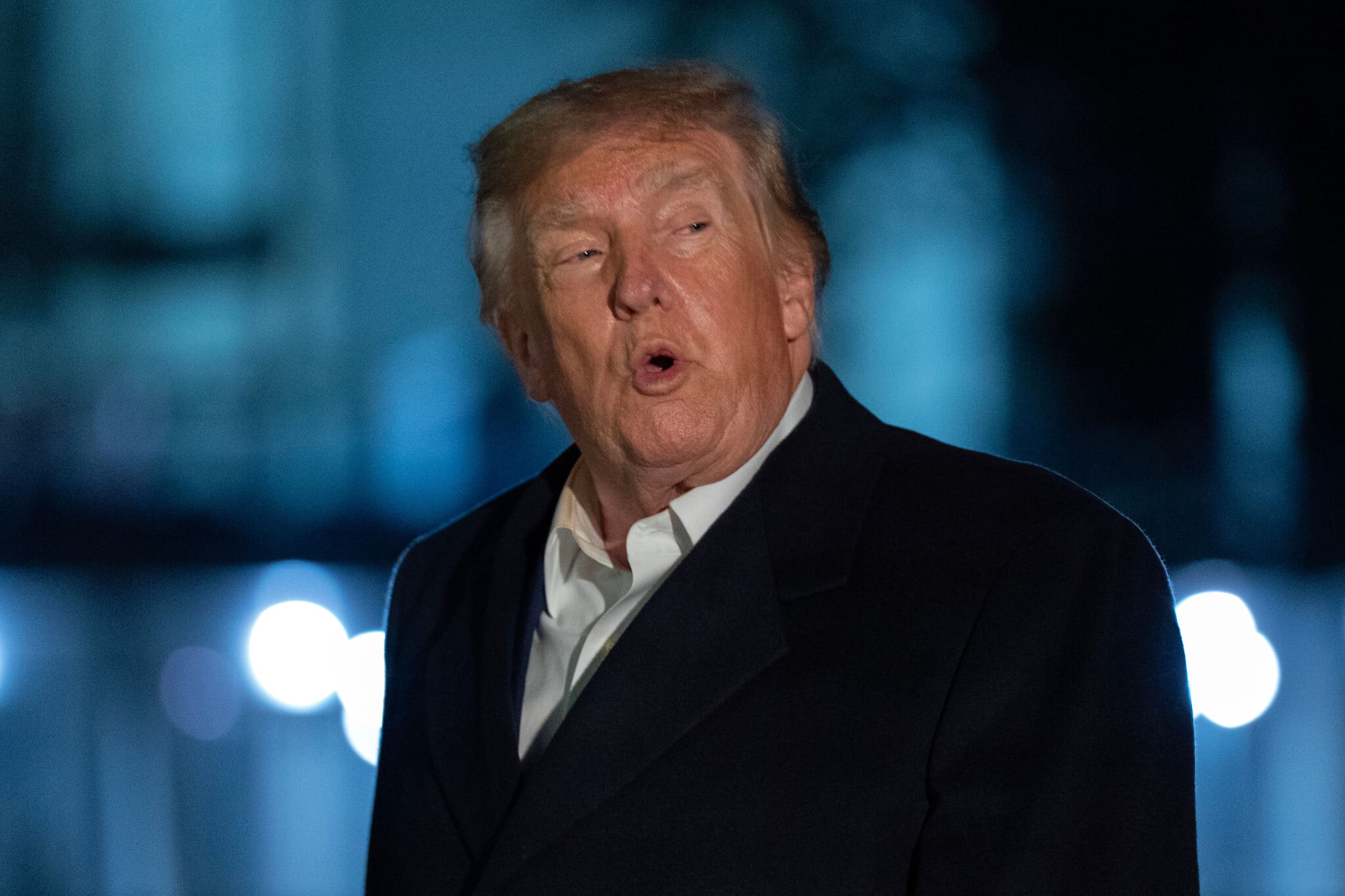
US President Donald Trump said Thursday that Washington would not attack Iran before the November 3 US midterm elections, asserting that the two countries were having “productive” talks about ending the seven-month-old war.
“We are having productive discussions with the Islamic Republic of Iran,” Trump wrote in a post on Truth Social. “We will not be attacking Iran at any time prior to the midterm elections to be held in the United States on November 3rd.”
The announcement appeared to contradict a Channel 12 report that senior US officers told IDF Chief of Staff Lt. Gen. Eyal Zamir earlier this week that the White House and Pentagon had instructed them to prepare for a massive attack on Iran within three weeks, a timespan that ends shortly before the midterms.
Zamir told his American counterparts that such an attack could cause the general election in Israel, slated for October 27, to be postponed, according to the outlet, which cited a senior US official and another official. Jerusalem reportedly assesses that Iran would respond to an American strike with massive missile fire at Israel.
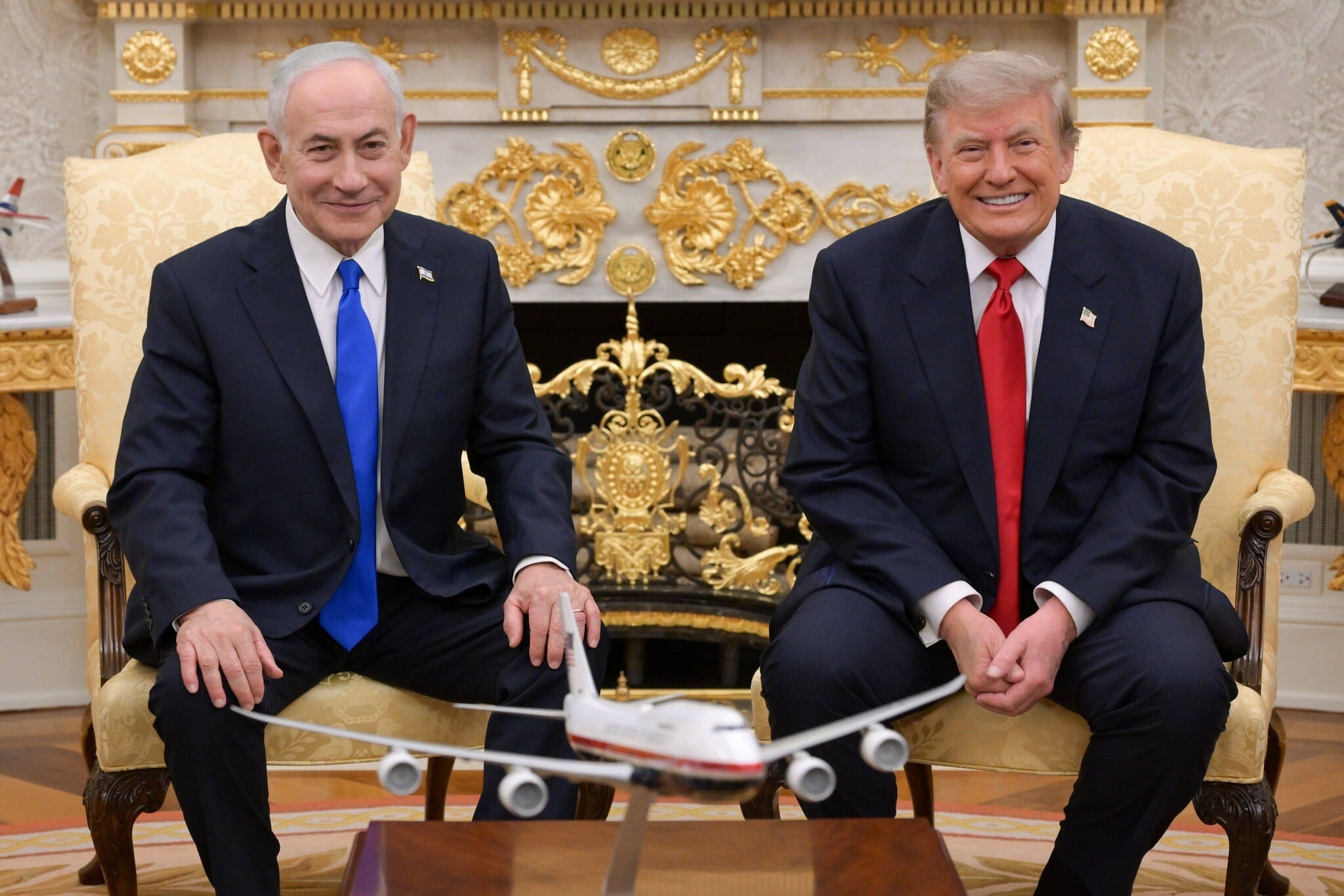
Channel 12 reported that Trump had considered attacking Iran before the midterms. However, a senior White House official told the network that the topic of Iran did not come up during Trump’s conversation Wednesday with Prime Minister Benjamin Netanyahu, with the two instead focusing on the third anniversary of Hamas’s October 7, 2023, attack that day.
It is unlikely that they wouldn’t discuss Iran, and it is possible that the messaging from Trump and his aides is another attempt to catch Iran off-guard in the event the US does decide to strike.
The war began on February 28 with US and Israeli strikes on Iran and has since engulfed the region, with the initial attacks killing Iran’s supreme leader and prompting retaliation from Tehran across the Middle East. Fighting between Israel and Iran largely ended in April.
The conflict has weighed on Trump’s domestic approval ratings and on his fellow Republicans as they seek to preserve their narrow majorities in Congress in the November vote. Some 60 percent of Americans — including one in four Republicans — disapprove of his handling of Iran, according to a recent Reuters/Ipsos poll.
The war has also driven gasoline prices sharply higher as voters cite the cost of living as their top concern. Trump has repeatedly said he expects oil prices to drop after the elections, but he has not offered a detailed plan for exiting the war.
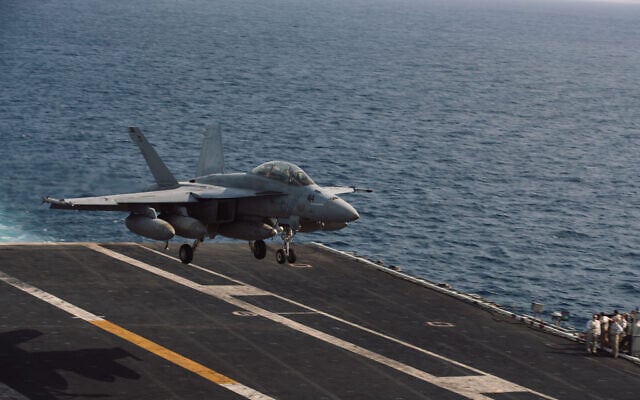
Meanwhile a US aircraft carrier that become symbolic of the toll American servicemembers paid for the Iran war finally returned to its home port on Thursday.
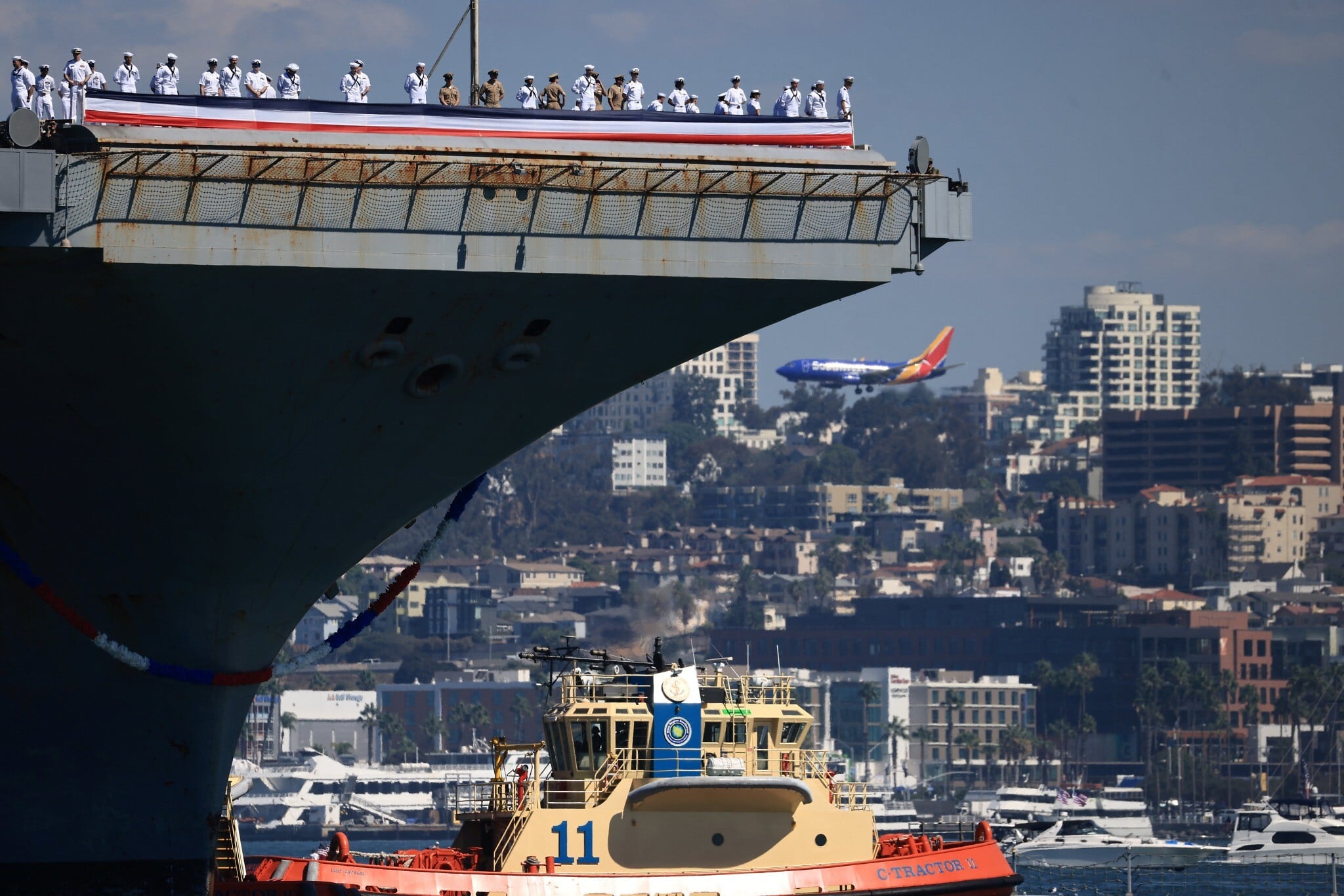
Families of servicemen and women aboard the USS Abraham Lincoln lined the quayside in San Diego, California, to welcome home loved ones they have not seen for almost a year. The lengthy deployment in the Gulf amid the US-Israeli war on Iran took a toll on US military personnel on the Lincoln and accompanying warships.
Iran rejects enrichment concessions amid stalled talks
Iran and the US have exchanged proposals in recent weeks aimed at ending the war and reopening the Strait of Hormuz, a vital global energy shipping route that Iran has blocked since the beginning of the war. The US has responded with a blockade of Iranian ports.
Trump rejected Tehran’s latest offer. Iran’s Foreign Minister Abbas Araghchi said Thursday that Iran could reply within days to a US response to Iran’s proposal, under which the strait could be reopened within seven days if necessary conditions were met.
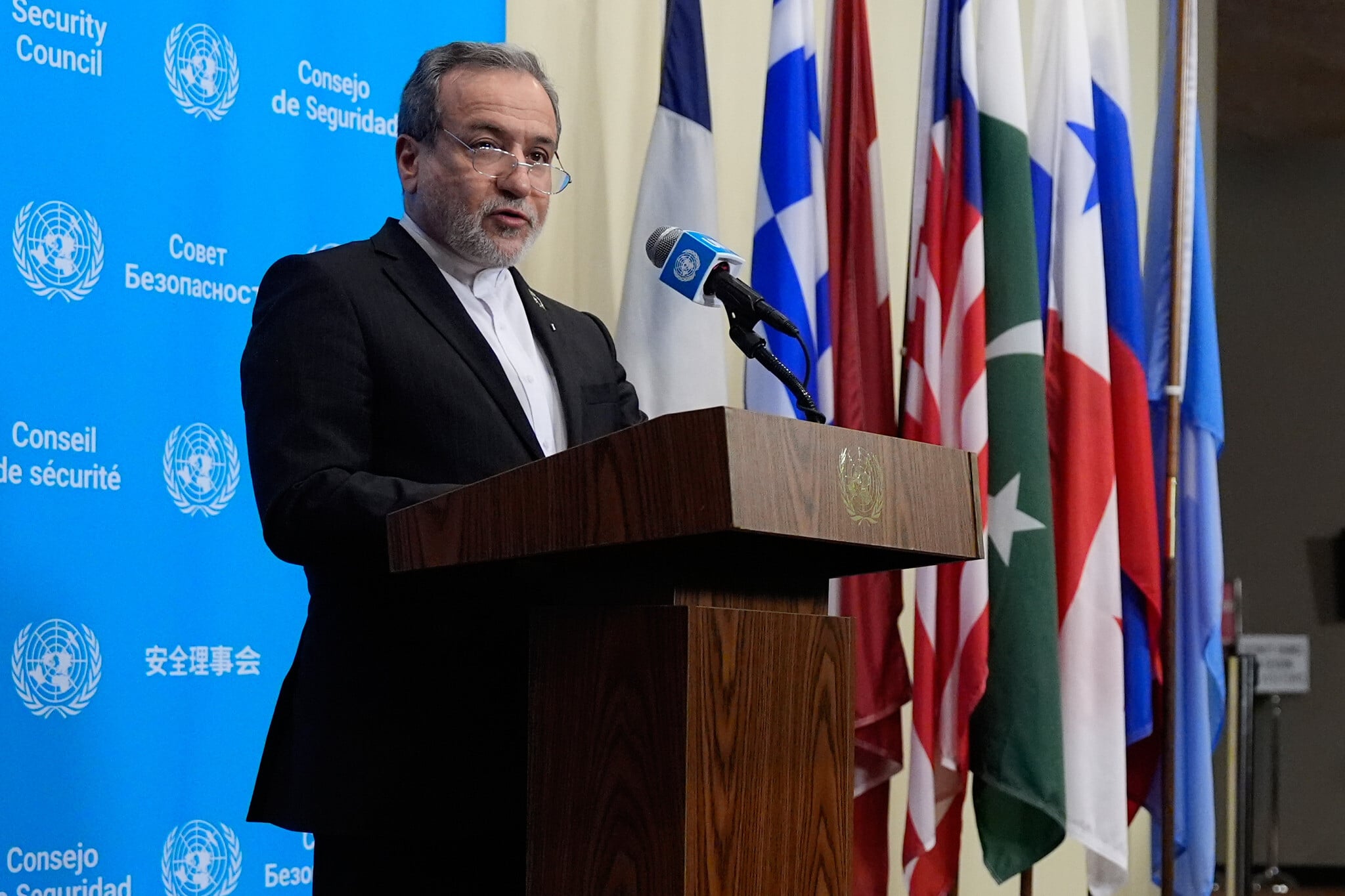
At the same time, Iran insisted it would neither abandon uranium enrichment nor hand over its enriched uranium, key points in the US’s goal of halting Iran’s nuclear program.
“Enrichment is an integral part of the nuclear process, and we will not abandon it in any way,” Iranian Atomic Energy Organization chief Mohammad Eslami said, dismissing renewed US threats against Iran’s nuclear facilities as “nothing new.”
“How can you claim to have a nuclear industry if you don’t have the starting point of the process? The nuclear industry is the driving force of science and technology,” he added.
US Vice President JD Vance recently said Iran must make “meaningful” reductions in its enrichment capacity.
US sanctions Iran’s last shadow fleet tankers
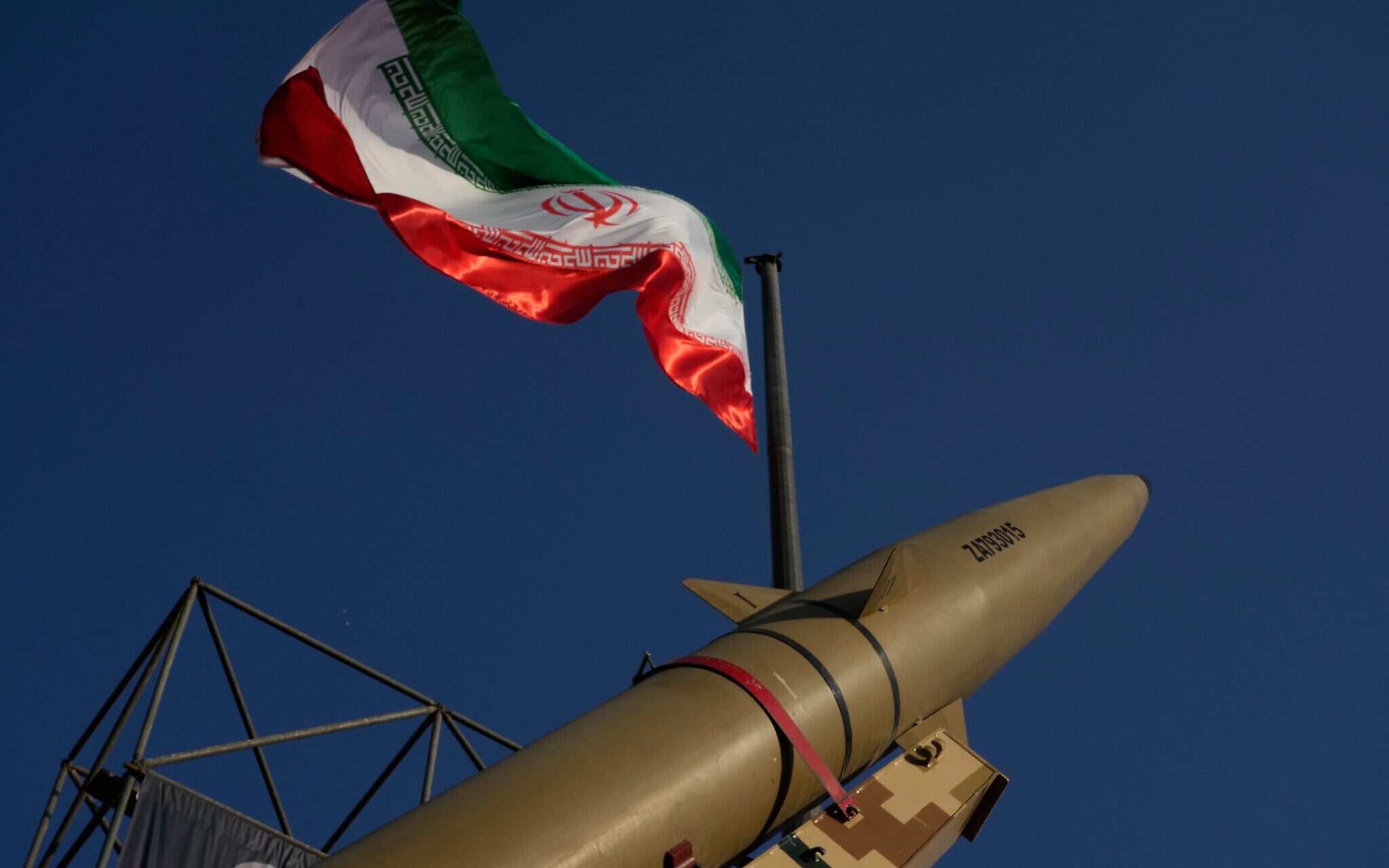
Despite ruling out immediate military action, Washington imposed sanctions Thursday targeting “the remnants of Iran’s shadow fleet” of tankers used to transport oil products to foreign markets.
“Today’s action effectively neutralizes the vast majority of Iran’s remaining shadow fleet network,” the US Treasury Department said in a statement.
The sanctions target 17 vessels said to have moved millions of barrels of Iranian crude oil, alongside petroleum and petrochemical products, to markets across South and East Asia.
The Treasury Department designated companies that own these vessels, accusing them of operating in the petroleum or petrochemical sectors of the Iranian economy.
Treasury Secretary Scott Bessent said the measures were intended to deprive Tehran of funds needed to “wage war in the region.” He had previously promised an “Economic D-Day” against Iran.
Putin pledges to help Iran end war
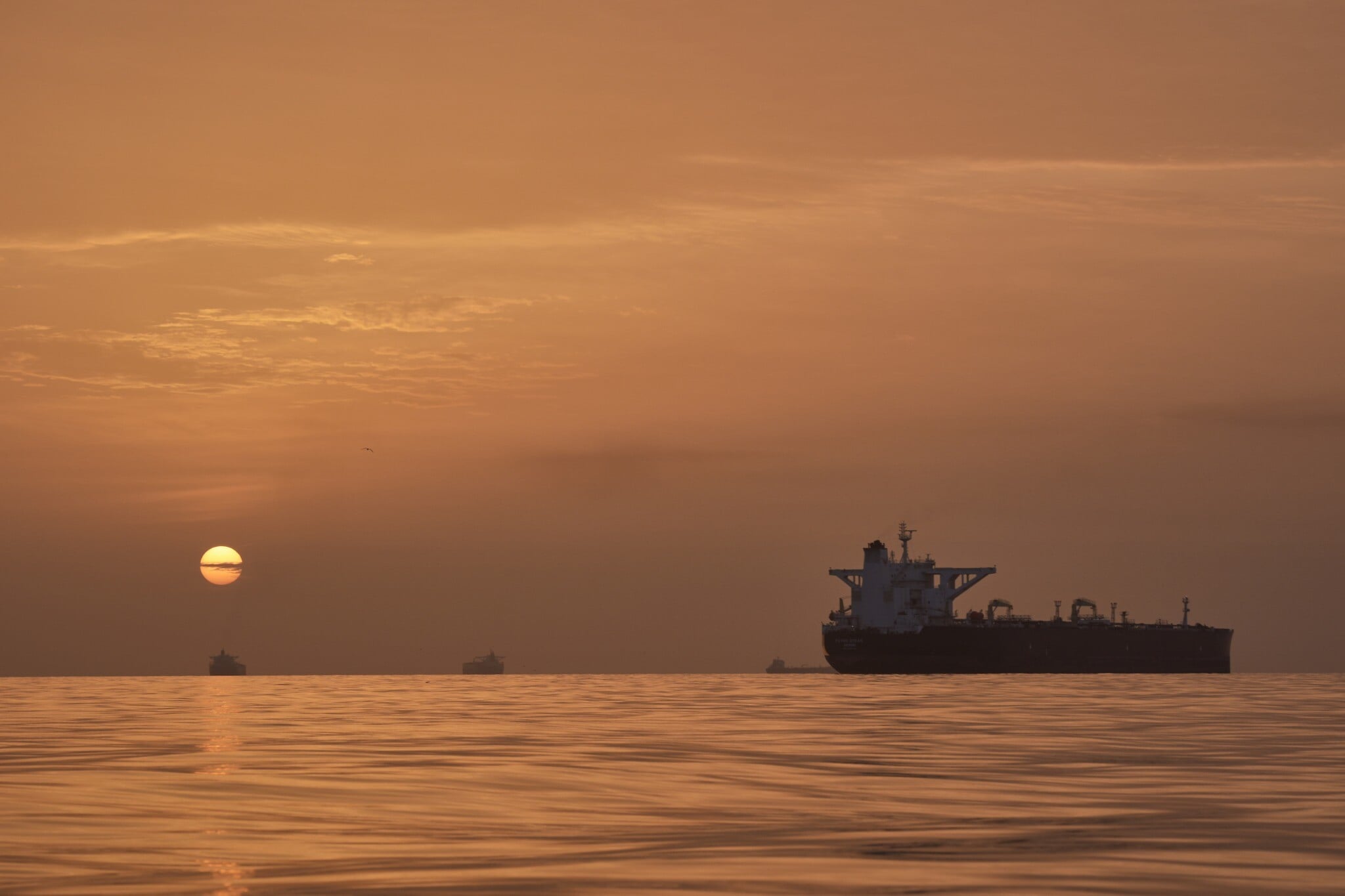
Meanwhile, Russian President Vladimir Putin held talks with his Iranian counterpart, Masoud Pezeshkian, and promised to “do everything” to help end the Middle East conflict, Russian news agencies reported.
“We are ready to do everything that is in our power to contribute to the settlement of this situation,” said Putin ahead of a regional summit in the Central Asian nation of Turkmenistan, adding that Iran had made “real efforts to end the war” since US-Israeli attacks started on February 28.
Putin also noted the “positive evolution” in relations between Iran and Russia. The two have reinforced diplomatic and military links since Russia launched its invasion of Ukraine in February 2022, becoming increasingly reliant on each other.
Both leaders arrived Thursday evening ahead of the summit of the Commonwealth of Independent States (CIS) — a grouping of former Soviet nations — in the resort of Avaza on the Caspian Sea.
Ukraine and Western countries have accused Iran of supplying Russia with Shahed drones and short-range missiles for use in the military campaign, while Russia has been accused of supplying targeting data to Iran for its strikes on US interests in the Middle East.
Their meeting came as talks between Tehran and Washington appeared to be at an impasse, despite Trump’s description of them as productive. Pezeshkian said this week that negotiations with Washington were “meaningless.”
First foreign flight lands in Iran since war began
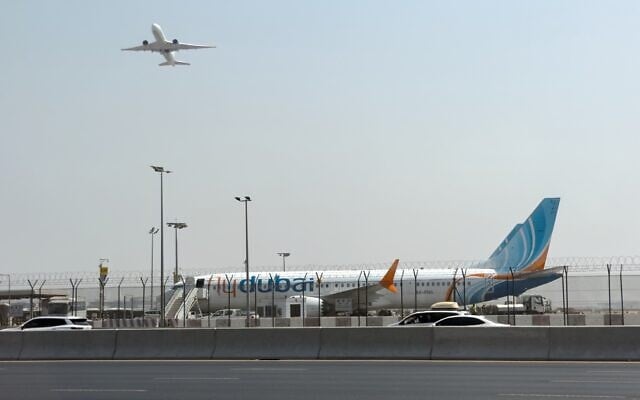
Also Thursday, the first commercial flight operated by a foreign airline to enter Iran since the war began landed in Tehran after the United States granted Iraq’s national carrier a sanctions waiver.
State TV broadcasted a short video of the Iraqi Airways flight landing in capital Tehran from Iraq’s Najaf, a city holy to Shia Muslims, adding that it was a round-trip service.
“Operated by Iraqi Airways, the flight took off from Najaf Airport and landed successfully at Imam Khomeini Airport in Tehran at 6:50 am,” state TV said.
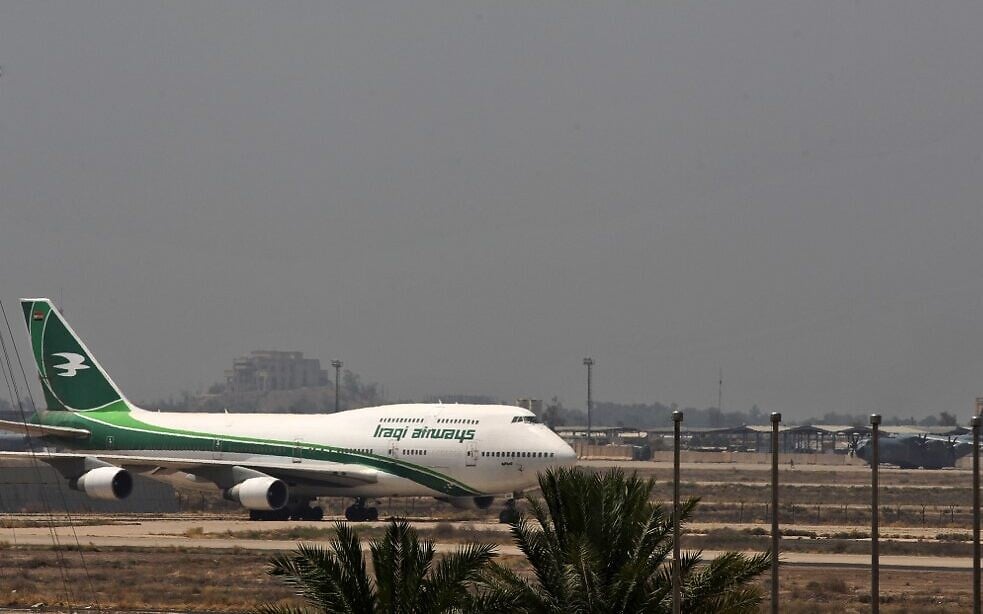
Iraq’s transport ministry said last week that the United States had granted Iraqi Airways an exemption to fly to Iran, with an official saying it applied to pilgrims traveling between Iran and Najaf.
The Iraqi government also said last week that it had secured an agreement with the US allowing Iranian airlines, except Mahan Air, to operate daily flights to and from Najaf, home to one of the most revered shrines in Shia Islam.
It came after Washington imposed restrictions on Iran’s aviation industry last month, vowing to take a hard line against companies that assist it.






The Times of Israel Community.