

US warns of ‘economic D-Day’ for Iran as defiant Tehran set to hold talks with Oman on Hormuz
Iran’s rial slumps to record low ahead of sanctions announcement; Tehran charges measures prove US failed in war, says it issued warnings against cooperating with pressure campaign
 Add ToI as a Preferred Source on Google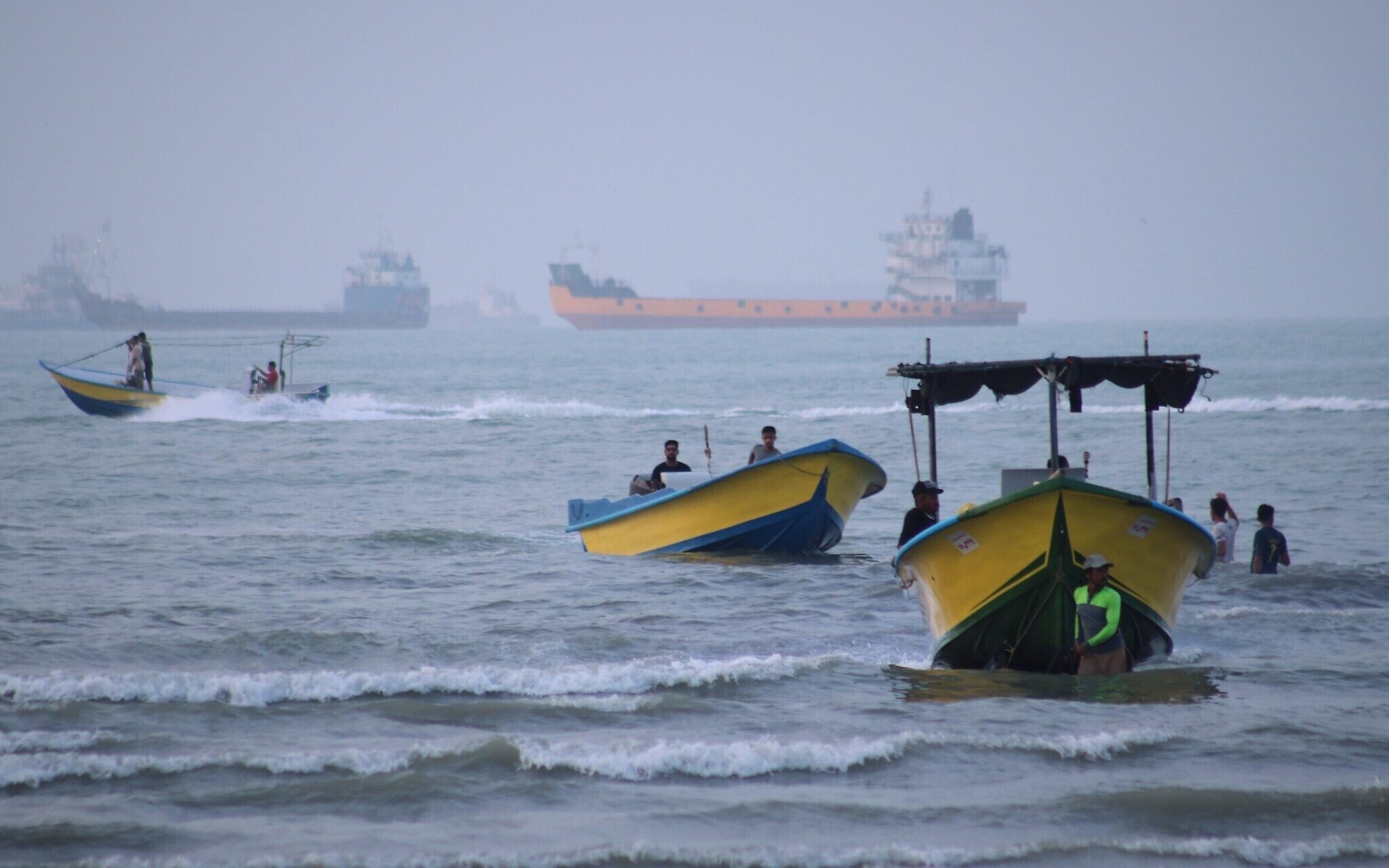
The United States on Monday threatened Iran with what it called “the greatest financial offensive ever marshaled” as it prepared to roll out economic sanctions that target Iran’s trade partners in an attempt to pressure the Islamic Republic into favorable terms to end the war.
US Treasury Secretary Scott Bessent will hold a press conference on later Monday amid promises to reveal even more severe measures on a country that has endured near-continuous economic sanctions since the Islamic Revolution of 1979.
“At dawn begins an economic D-Day — the single greatest financial offensive ever marshaled against an adversary,” Bessent wrote in an opinion piece published in the Financial Times.
Without detailing specific measures, Bessent signaled the US will target “fearful nations” that practice “appeasement” by engaging with Iran’s economy and financial system.
“They would do well to consider the consequences of sustaining it,” he wrote in the Financial Times.
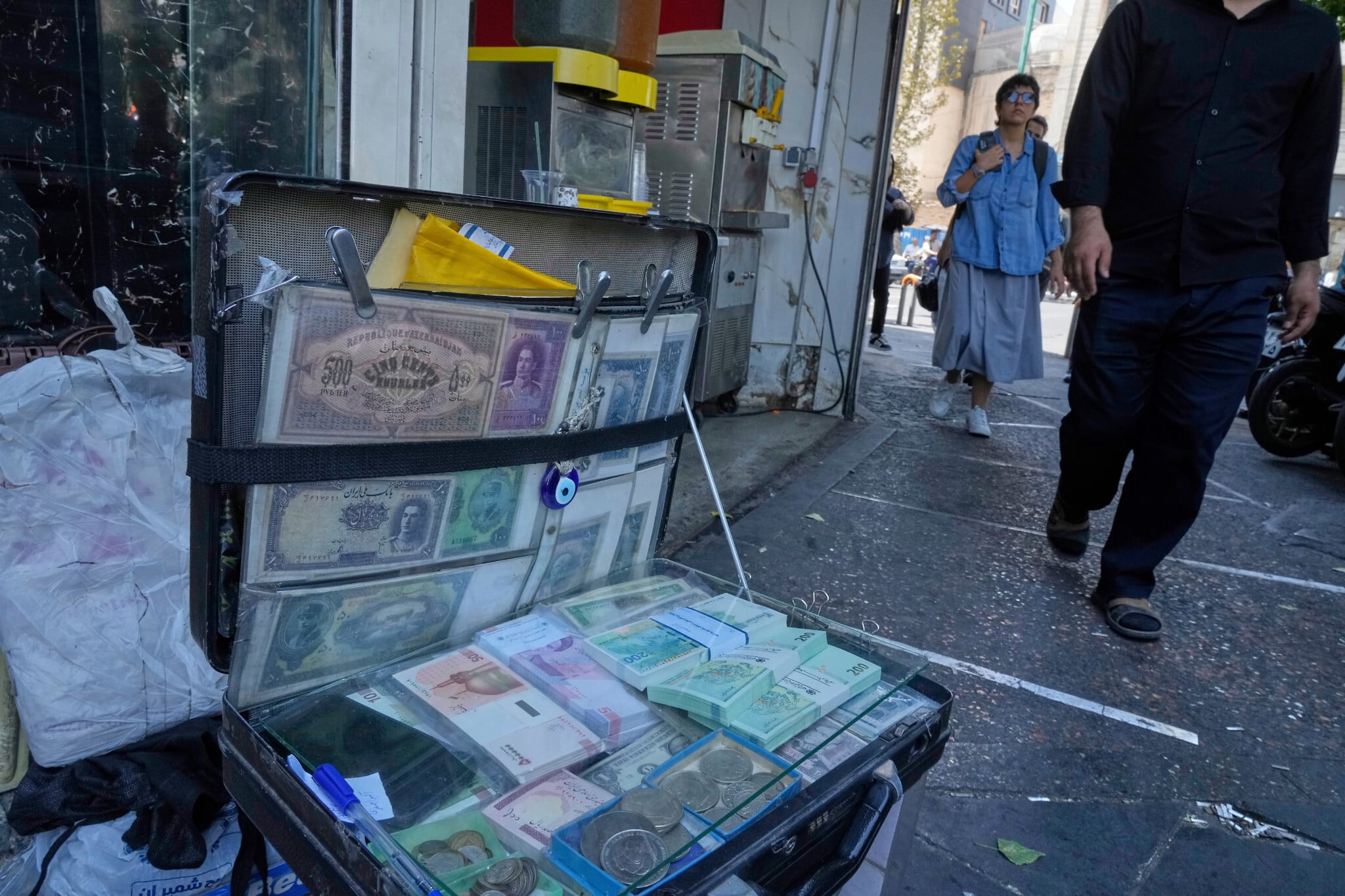
Ahead of the announcement, Iran’s currency dropped to a record low of more than 2,000,000 rials per US dollar, two websites tracking the free market rate showed.
US President Donald Trump warned last week of sweeping economic consequences for any country that provides what he called “any type of lifeline to Iran,” threatening economic warfare and isolation on an unprecedented scale.
The US president has made a series of threats of devastating force and economic sanctions against Iran, only to walk many of those back, while claiming progress in negotiations toward a diplomatic agreement.
The intensified economic pressure campaign comes as the war nears the six-month mark with no immediate diplomatic or military off-ramp in sight, and the vital Strait of Hormuz still significantly choked off, obstructing the flow of oil and natural gas.
With the US November midterm elections quickly approaching, Trump is also facing renewed domestic scrutiny over the war’s costs on consumers and its toll on the military.
Trump did not elaborate on what he would do to countries that continue doing business with Iran — which would appear to include US allies that have helped mediate talks — and he did not list any country by name.
China’s Foreign Ministry said on Monday that Beijing, a close trading partner of Iran, will closely watch developments and do what is necessary to protect its rights.
Speaking at a daily press conference on Monday, Foreign Ministry spokesperson Lin Jian also urged parties to act rationally with restraint, warning that sanctions and pressure tactics do not help to resolve issues.
China buys more than 80% of Iran’s shipped oil, according to 2025 data from analytics firm Kpler, but engaging in further economic warfare with China, a major exporter to the US, including in vital rare-earth minerals, risks retaliation against Washington.

Iran’s Foreign Ministry Spokesperson Esmaeil Baghaei said Monday that it has issued warnings regarding cooperation with the sanctions, and vowed Tehran will use all bilateral means to confront them.
“The necessary warnings have definitely been given, because any complicity with America in carrying out its aggressive actions against Iran will definitely have its own consequences,” he said.
At the same time, the Iranian Foreign Ministry dismissed Washington’s declaration that it will impose severe sanctions, saying it disproves US claims to have dismantled Tehran’s military and nuclear capabilities.
“Your narrative doesn’t add up: you say that Iran’s military power has been ‘dismantled’, 100% of its military factories ‘destroyed’ and its nuclear program ‘buried’,” Kazem Gharibabadi, deputy foreign minister, said in a post on X.
Yet, he added, “there is a need for ‘the largest financial invasion in history’ and the mobilization of ‘all institutions and powers’ of the United States! Is this a victory or an admission of America’s defeat?”
Oman’s Foreign Minister Sayyid Badr Albusaidi will visit Tehran on Tuesday to continue talks between Iran and Oman on the Strait of Hormuz, Baghaei also said on Monday.
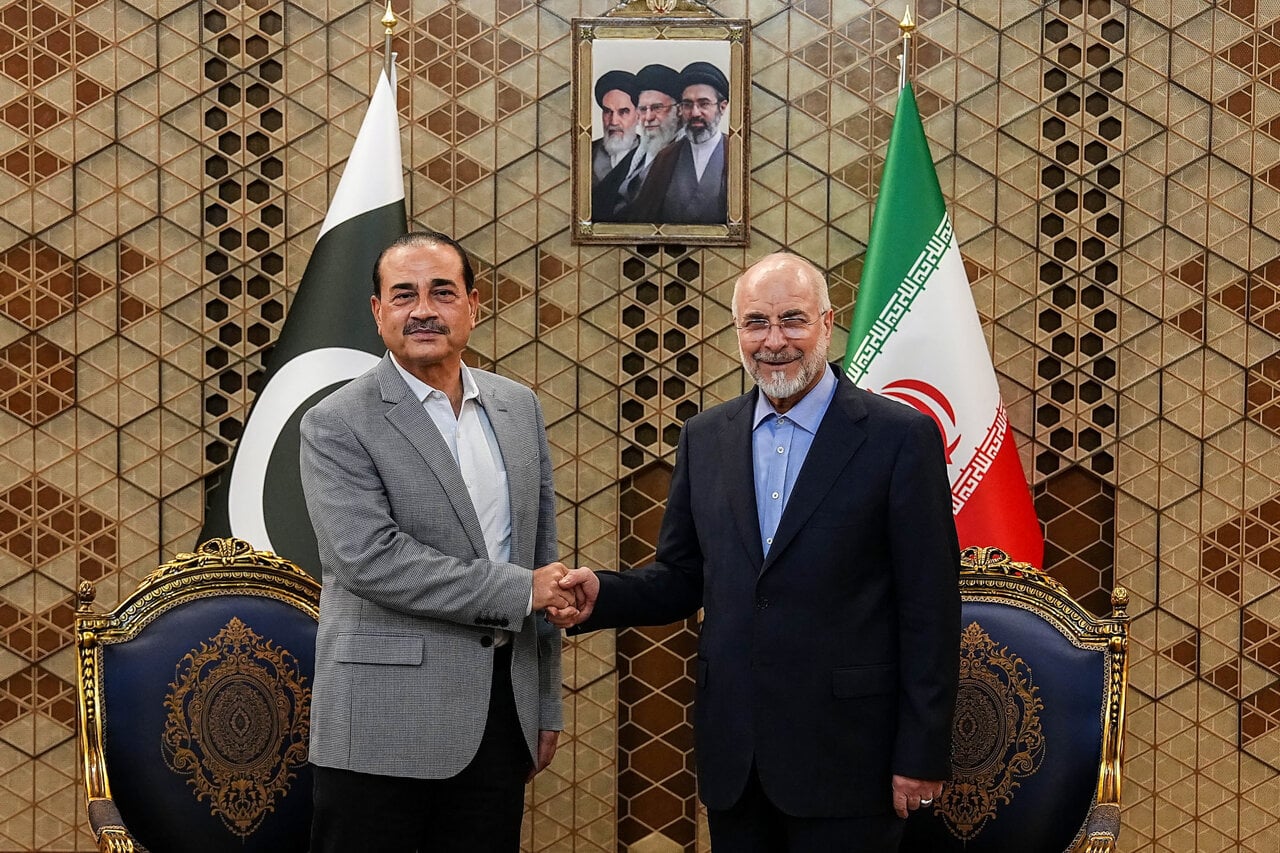
Additionally, Pakistan’s army chief Asim Munir, who has mediated between the US and Iran, spoke with Trump last week, according to three Pakistani sources, days before his expected visit to Tehran on Monday.
The White House Office of the Press Secretary did not immediately respond to a request for comment. It was unclear what Munir and Trump discussed.
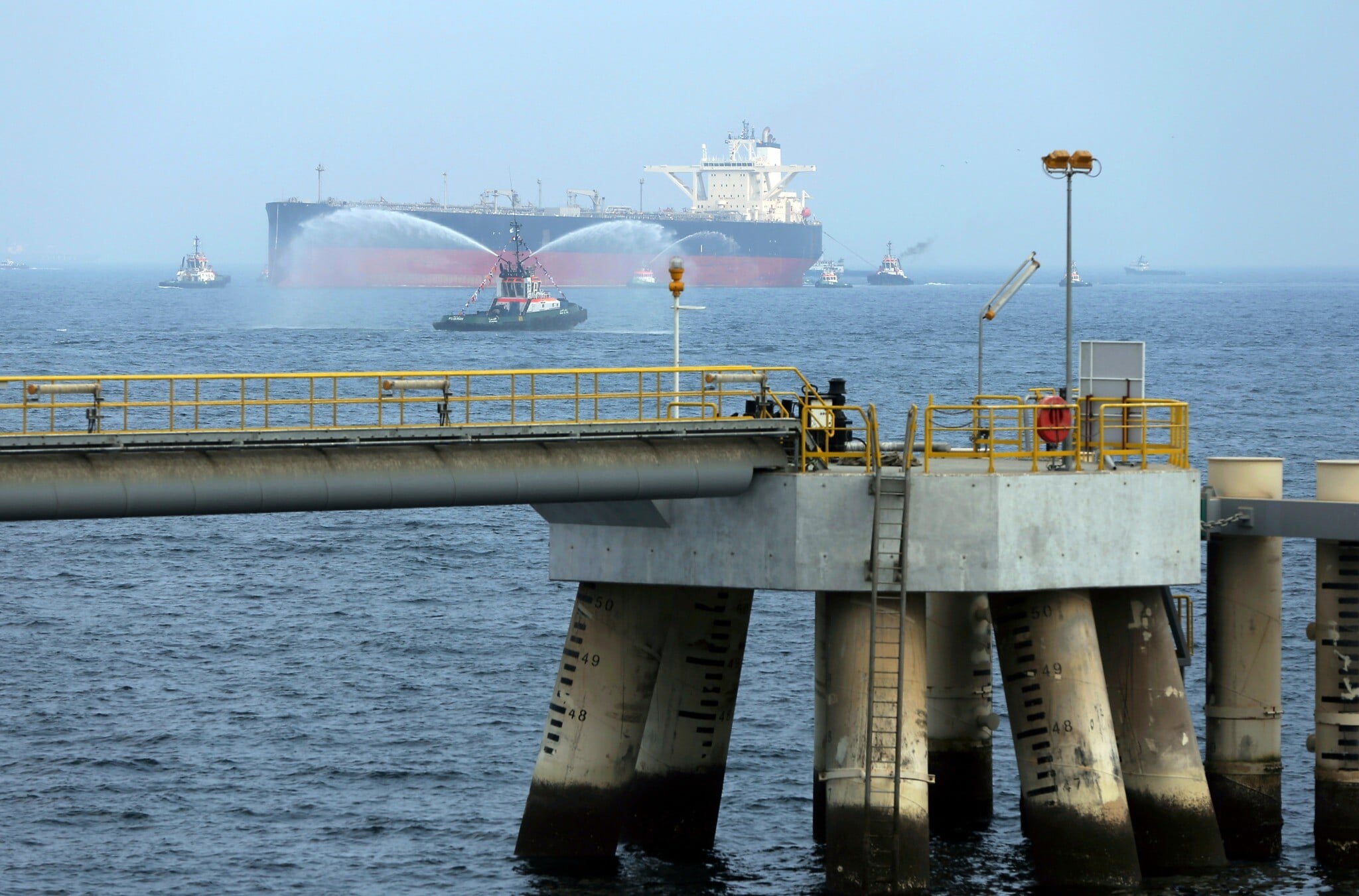
Meanwhile, Iran has issued a warning that vessels violating its arrangements for transiting the Strait of Hormuz could face restrictions, including fines, detention, or confiscation, the Persian Gulf Strait Authority wrote in a post on X.
The warning heightens risks for the charterers and shipowners whose vessels transit through the Strait of Hormuz, a key waterway for the world’s energy shipments.
The PGSA, a new body Iran has established with the aim of managing the strait, has said cargo owners should refer to an updated list of vessels deemed non-compliant for voyages relating to the Persian Gulf.
Vessels engaging in operations including ship-to-ship transfers or transshipment with non-compliant vessels will also be added to the restricted list, it said.
Ships seeking the removal of their names from the non-compliant vessels’ list must submit a request with relevant explanations to Iran’s maritime authorities, the post said.
Fewer than 20 commodity vessels transited the Strait of Hormuz over the weekend, shipping data shows, as Iranian and US blockades restrict traffic through the vital chokepoint for energy shipments.
Four vessels crossed the strait on Sunday, initial data from ship tracker Kpler shows, with 13 on Saturday. The figures can change as some ships switched off transponders on their way through.





The Times of Israel Community.