Amid measles outbreak, study finds skepticism of routine vaccines soared during COVID
Bar-Ilan researcher finds that 6.6% of parents who vaccinated an older child before the pandemic chose not to vaccinate a younger child; 'enough to trigger' current outbreak
As Israel contends with one of its most severe outbreaks of measles in decades, a Bar-Ilan University researcher says that the legacy of the COVID-19 pandemic has diminished public trust in childhood vaccines, leading to the current outbreak.
Those findings, published in a recent study, come as 11 children, most of them unvaccinated, have died of measles in Israel since May. As of late October, according to the Health Ministry, there were 1,644 reported cases of infections and 577 hospitalizations.
Until recently, Israel had virtually eliminated measles. But the study found that 6.6 percent of Israeli parents who vaccinated an older child before the pandemic chose to withhold at least one key childhood immunization from a younger sibling born afterward, such as the measles-mumps-rubella (MMR) and diphtheria-tetanus-pertussis (DTP) vaccines.
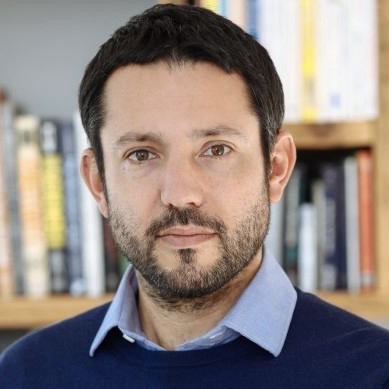
That percentage is large enough to have fueled the current measles outbreak, says Prof. Michael Edelstein, the study’s lead author. More than a third of parents, he found, “reported a decline in trust in vaccines” following the pandemic.
Nearly all who withheld vaccines cited fear of side effects as their main reason.
The pandemic “has had a clear impact on people’s attitudes and behavior toward vaccination,” said Edelstein, a public health expert at Bar-Ilan University’s Azrieli Faculty of Medicine.
“Even what appears as a small increase in the number of parents who choose not to vaccinate their younger children is enough to rapidly trigger the kind of outbreak that we’re seeing now in Israel,” he said.
Published in the peer-reviewed journal Vaccine, the study surveyed 2,047 Israeli and UK parents with children born both before and after the pandemic. It also found a decline in trust in vaccines in the UK.
Among the Israeli participants, the rate for measles vaccination declined from 94.3% before the pandemic to 91.6% afterward. Edelstein said that “we don’t really know why COVID caused a decline in trust,” and that the study didn’t ask. But he suggested it could be because of the changing and sometimes conflicting or contradictory health guidance that was issued during the pandemic.
“The feeling basically was, well, it doesn’t sound like these people know what they’re talking about, and that confusion and lack of clarity and lack of trust expanded into routine vaccination,” he said. “People started saying, well, if they’re so unclear and so inconsistent with COVID-19 vaccines, why should we trust them with regular vaccines? That is my hypothesis.”
In communities with a vaccination rate under 95%, measles has an easier time spreading. Small declines in vaccination rates, leaving enough people vulnerable to diseases, can undermine the protective effect of “herd immunity” and lead to renewed outbreaks.
Edelstein said that since the start of the COVID-19 pandemic in 2020, there have been decreases in vaccine coverage worldwide, including in Israel. He stressed that the findings focus not on the COVID-19 shot but on routine vaccines such as those protecting against measles and diphtheria.
Edelstein said that during the pandemic, people were advised to stay at home, and they were quarantined. After the pandemic, there was a slow increase in routine vaccinations, but the researchers wanted to understand “the failure to return to what it was before.”
Changes in immunization rates before and after COVID-19
The researchers queried parents who already had a child before COVID and who then had another child who was born after the pandemic, and compared the children’s vaccination histories. About two-thirds of the respondents were in Israel and about one-third in the UK.
Since parents are “relatively consistent” in their approach when it comes to vaccines, Edelstein had expected the vaccination rates to remain the same.
“If you believe in vaccines, or if you want your children to be vaccinated, you’re more likely to give the same vaccines that you gave to your previous kids,” he said.
However, the researchers were surprised to find that 5% of the UK parents chose not to vaccinate the younger child. The rate in Israel, 6.6%, was even higher.
“That may not sound like a lot, but it’s actually very, very substantial,” he said.
A contagious but preventable disease
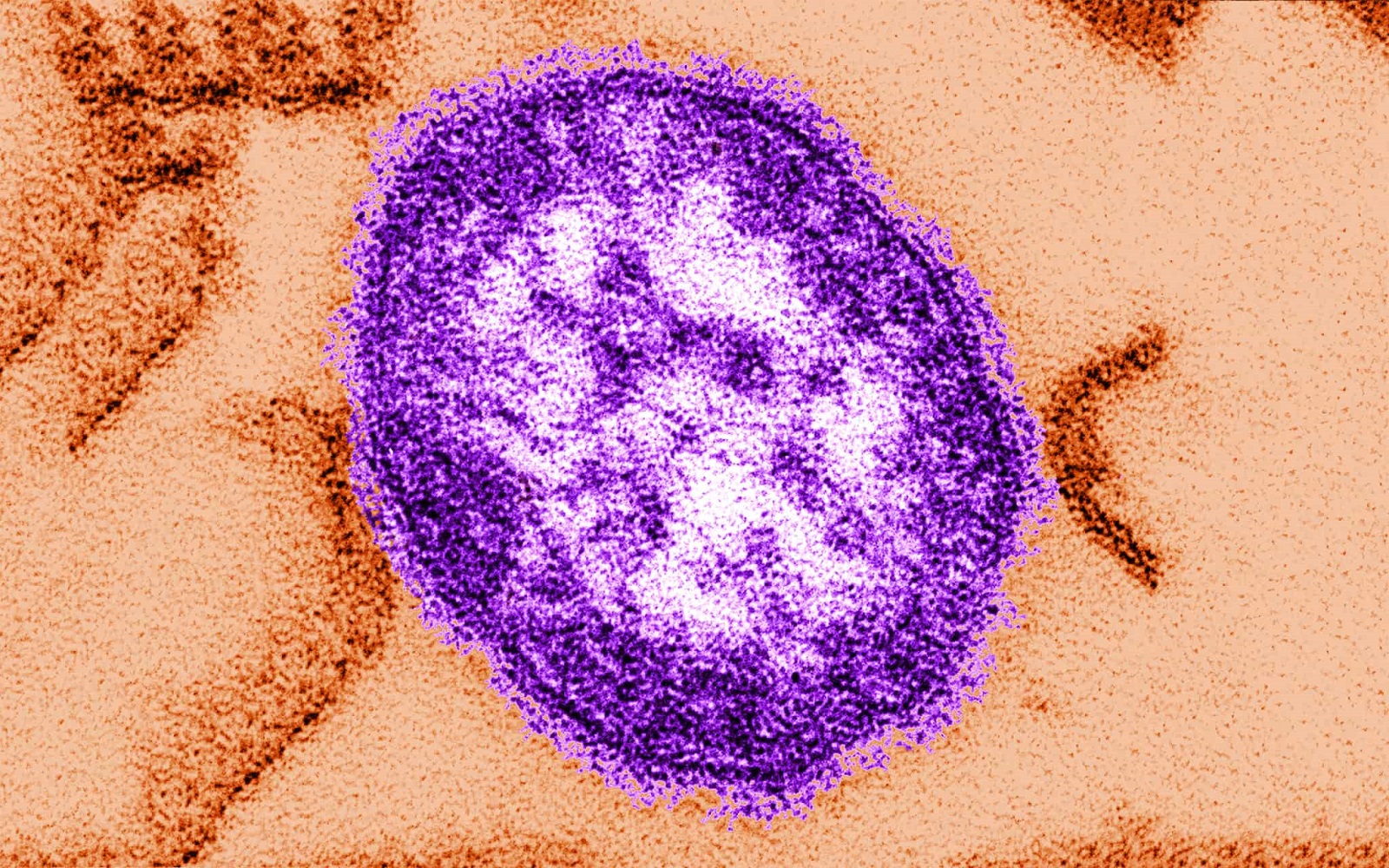
Measles is a highly contagious viral disease characterized by fever, malaise, a runny nose, and a rash.
The rash generally appears three to five days after the first symptoms, beginning as flat red spots on the face and then spreading downward to the neck, trunk, arms, legs, and feet. When the rash appears, a fever may spike over 104°F (40°C), according to the US Centers for Disease Control.
Most children will recover from measles, but infection can lead to dangerous complications such as pneumonia, blindness, brain swelling, and death.
One reason that people are skeptical about vaccines is that “they have been so successful that diseases like measles have almost disappeared,” Edelstein said.
The routine vaccination schedule recommended by Israel’s Health Ministry includes two doses: at the age of one and in first grade.
However, due to the outbreak, the ministry has expedited the administration of the second dose in high-incidence areas.
In general, Edelstein explained, vaccines are “successful in Israel because everyone is eligible” and they’re not hard to obtain.
“There’s good coverage,” he said. “Clinics are available in almost every small moshav, every small kibbutz. It’s relatively easy to get an appointment. There are also good data systems, meaning your health provider can know who is vaccinated. The Health Ministry also has its information. People receive reminders. It’s free.”
Within the various sectors in Israel, the most vaccinated population is the Arab population, where Edelstein said there’s less debate about vaccines and getting one’s shots is a “social norm.”
“The Arab population fares less well when you’re measuring health in other ways, such as for life expectancy or chronic diseases, but they do very well with vaccines,” said Edelstein, who has also published research about vaccine coverage among the Arab Israeli population.
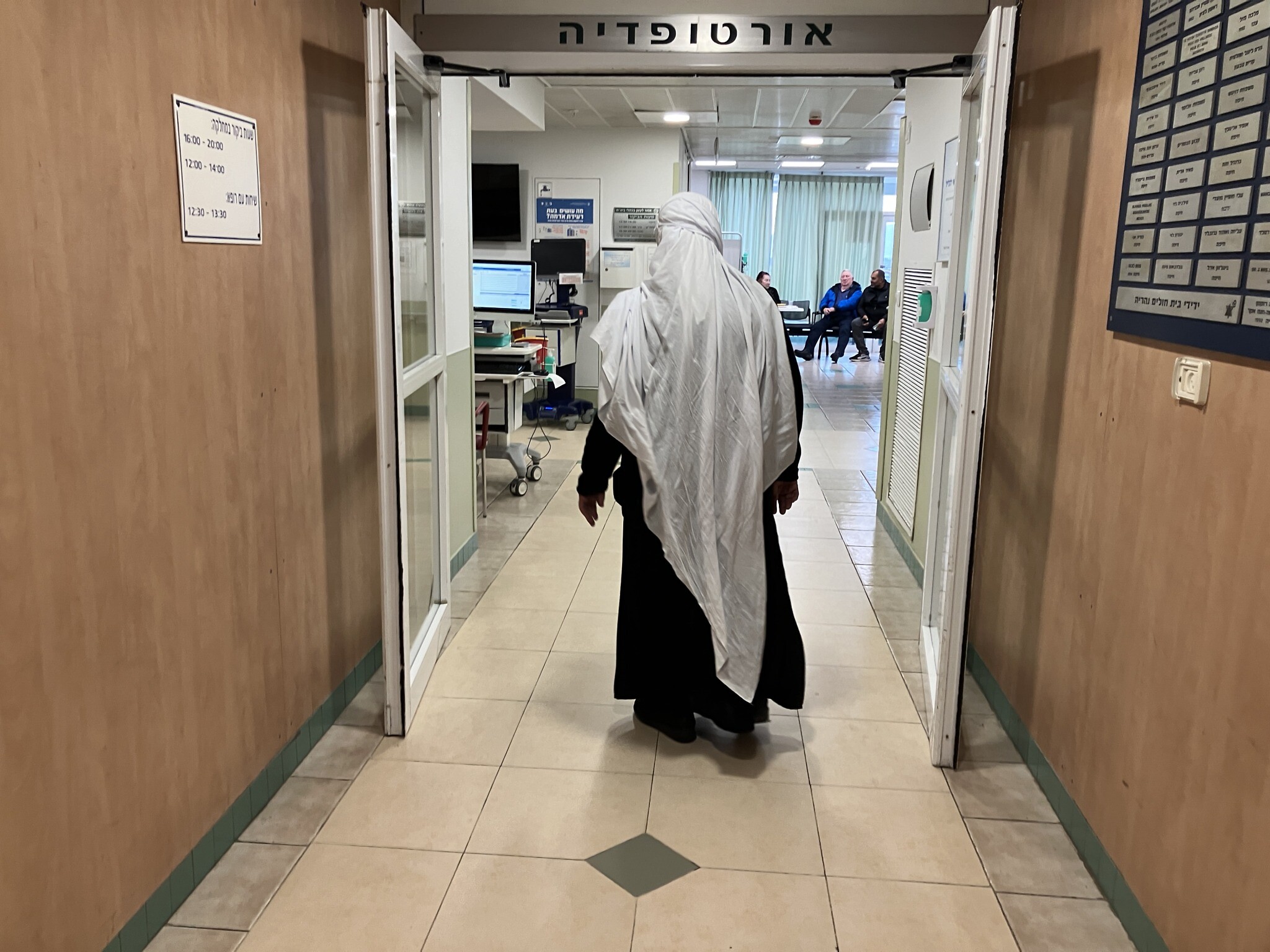
He added later that this is partly because “the healthcare system is one place where Arabs describe not being discriminated against and feeling comfortable, partly because a lot of healthcare workers are Arab themselves.”
14 areas with the outbreak of measles
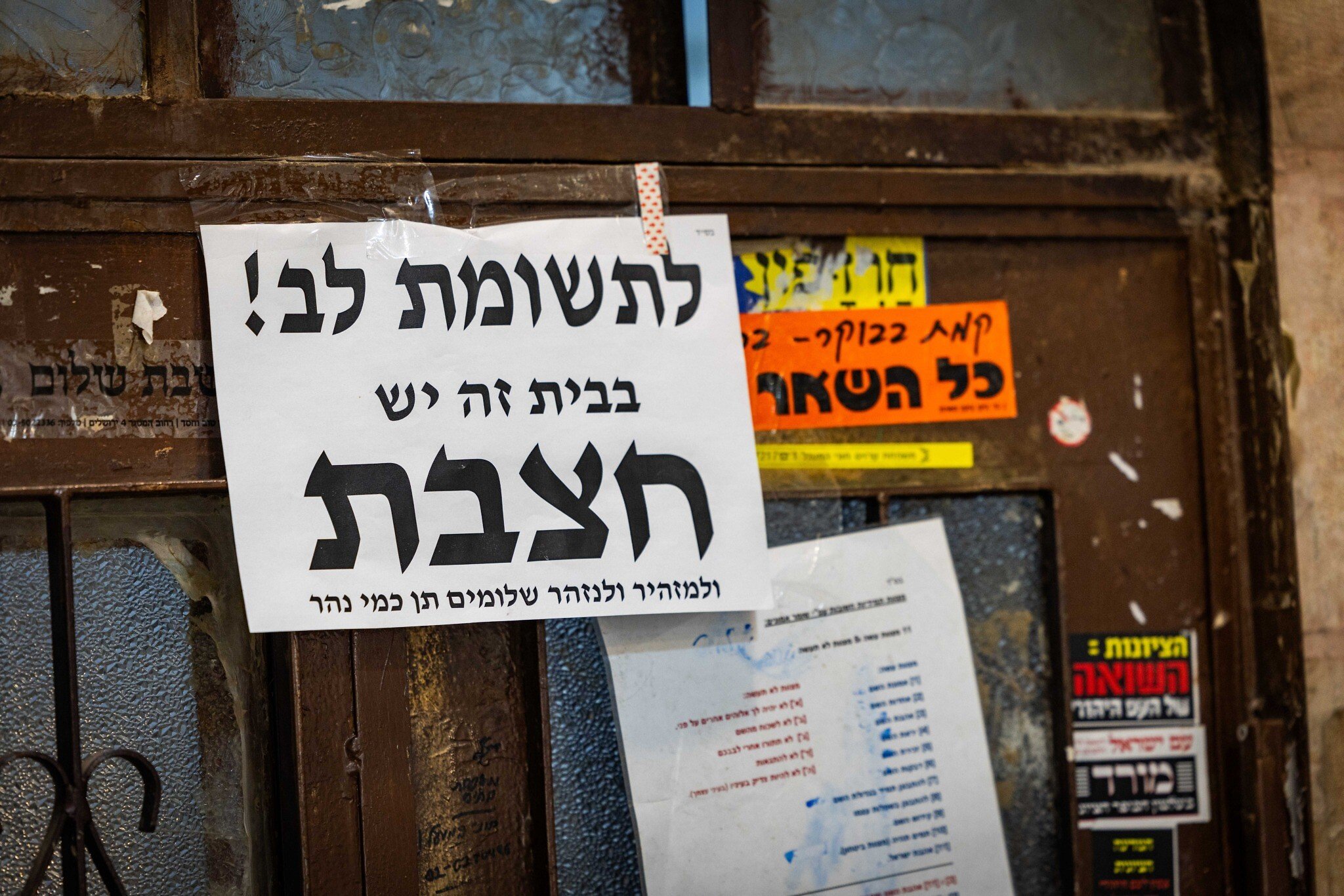
The incidence of the measles outbreak appears to correlate with the prevalence of vaccination. The least vaccinated sector in Israel is the ultra-Orthodox — and many of the areas currently defined as having an outbreak have large ultra-Orthodox populations.
The areas in question are Jerusalem, Beit Shemesh, Bnei Brak, Harish, Modiin Illit, Nof HaGalil, Kiryat Gat, Ashdod, Safed, Netivot, Haifa, Tiberias, the Mateh Binyamin Regional Council, and the settlement of Tekoa.
Edelstein said that despite good vaccine coverage in other parts of Israel, the ultra-Orthodox population “grew a lot and very fast, and the health services are struggling to catch up.”
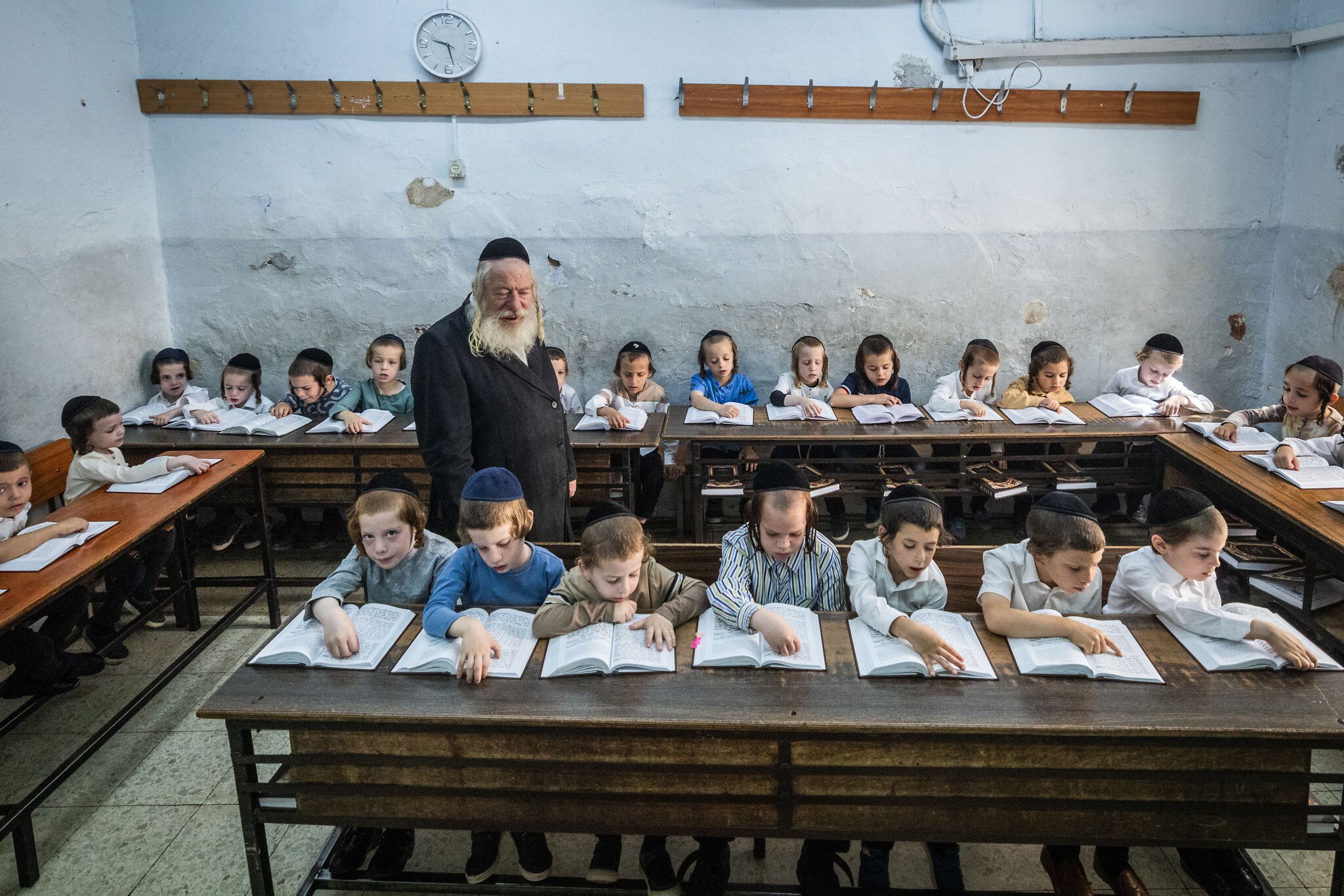
“There aren’t enough clinics that are open at convenient times,” Edelstein said. “They tend to be open only in the morning. In this population, the mother is the main breadwinner, and she has to look after the kids. So, for her to take a day off to go and vaccinate the kids is a challenge, because she potentially loses a day of income.”
Although Edelstein said that access has become a key issue, hesitancy is also on the rise and he doesn’t want to “completely absolve parents of responsibility, it’s a complicated, multi-faceted issue. I think the truth sort of lies somewhere in the middle.”
Alternative communities, including communities that have what he called “more alternative lifestyles,” also have very low vaccine coverage in Israel.
One person who has avoided vaccines is Smadar Sayag, a resident of Shavei Zion in the Western Galilee, who said she has not immunized any of her three children.
“I believe in natural medicine,” Sayag said. “I believe in the bodies of my children. I believe that our bodies are strong and know how to cope and don’t require vaccines.”
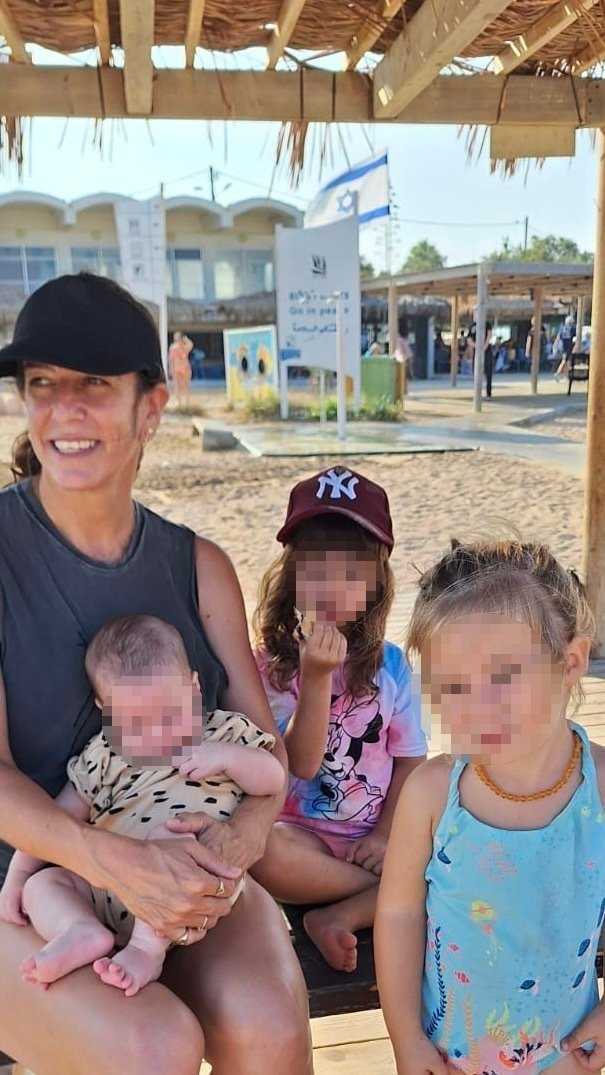
But she said the current outbreak may be prompting second thoughts.
“I know about the measles outbreak, and I get nervous,” she said. “If there’s an outbreak in my area, I might give the children vitamin A or a homeopathic treatment. I’m also open, and might decide to do something else, or maybe give them the vaccine.”
Strengthening community-led engagement
“The study shows how the COVID-19 pandemic has lowered confidence in routine childhood vaccines,” said Dr. Ben Kasstan-Dabush, assistant professor of Global Health & Development at the London School of Hygiene & Tropical Medicine.

Kasstan-Dabush is not connected to the study. Like Edelstein, he told The Times of Israel that both Israel and the UK have “already seen major measles outbreaks this year… and falling vaccination rates that only increase that risk.”
He added that public health teams in both countries need to respond to the findings by strengthening “community-led engagement and ensuring healthcare professionals across the system are trained and supported to make every contact with parents count.”
Edelstein said that the purpose of the study was “to ring an alarm bell.”
He is now focused on building tools for policymakers and health ministries around the world to evaluate different strategies and interventions to improve vaccine coverage.
“The truth is, there’s this emergency to deal with the current outbreak, and there are long-term issues of declining vaccine coverage,” Edelstein said. “If those things are not fixed long term, these outbreaks are going to repeat themselves every few years.”