At the UN, Sharaa says peace with Israel possible, but vows Golan will remain Syrian
Syrian leader demands IDF withdrawal from border buffer zone, says Israel carried out 500 strikes since Assad's fall; Katz responds Golan is 'integral, eternal part of Israel'
Syrian President Ahmed al-Sharaa held out the possibility of peace with Israel in a speech to the United Nations on Wednesday, while sharply criticizing Israeli military activity in Syria and vowing that Damascus would not relinquish its claim to the Golan Heights.
“The opportunity for peace and security is available to those who wish to live in peace, a just peace that maintains the rights of all,” Sharaa told world leaders in New York, after accusing Israel of repeatedly attacking Syrian territory.
He also said that while the world was accepting Syria back into the international community, “Israel is launching attacks against Syria.”
He claimed Israel had carried out 500 airstrikes, more than 1,200 incursions and 300 detentions since the fall of longtime Syrian ruler Bashar al-Assad in late 2024. The Israeli actions, he said, were “at odds with the direction we see at the global level” and “reminiscent of an era we thought was long gone.”
Sharaa also called for Israeli forces to withdraw from areas they entered after Assad’s fall, including a buffer zone along the border. Israeli troops moved into the zone following the collapse of the Assad government in late 2024.
Israel says all its actions are necessary to defend its security following the previous regime’s fall and the rise of the Islamist regime led by Sharaa, a former jihadist.
Despite his criticism of Israel, Sharaa’s remarks left open the prospect of an eventual agreement between the two countries, framing peace as possible if it preserved what he described as the rights of all sides.
Syrian President Ahmad al-Sharaa:
Any attempts to violate our sovereignty will be stopped.
Golan will remain Syrian territory.
Any other attempts will be thwarted according to Security Council resolutions. pic.twitter.com/fFwLhuLbo1
— Clash Report (@clashreport) September 23, 2026
The Syrian president was less flexible on the Golan Heights, insisting that Damascus would not abandon its claim to the strategically important plateau.
“Any attempts that violate our sovereignty, violate international law, will be stopped,” Sharaa said. “Golan will remain Syrian territory.”
Israel captured the Golan Heights from Syria during the 1967 Six Day War and annexed the territory in 1981. The United States recognized Israeli sovereignty over the Golan, and Colombia became the second country to do so in August.
The United Nations, however, continues to consider the Golan Syrian territory under Israeli military occupation. UN Secretary-General Antonio Guterres reiterated that position in July, describing the Israeli occupation of the plateau as “totally unacceptable.”
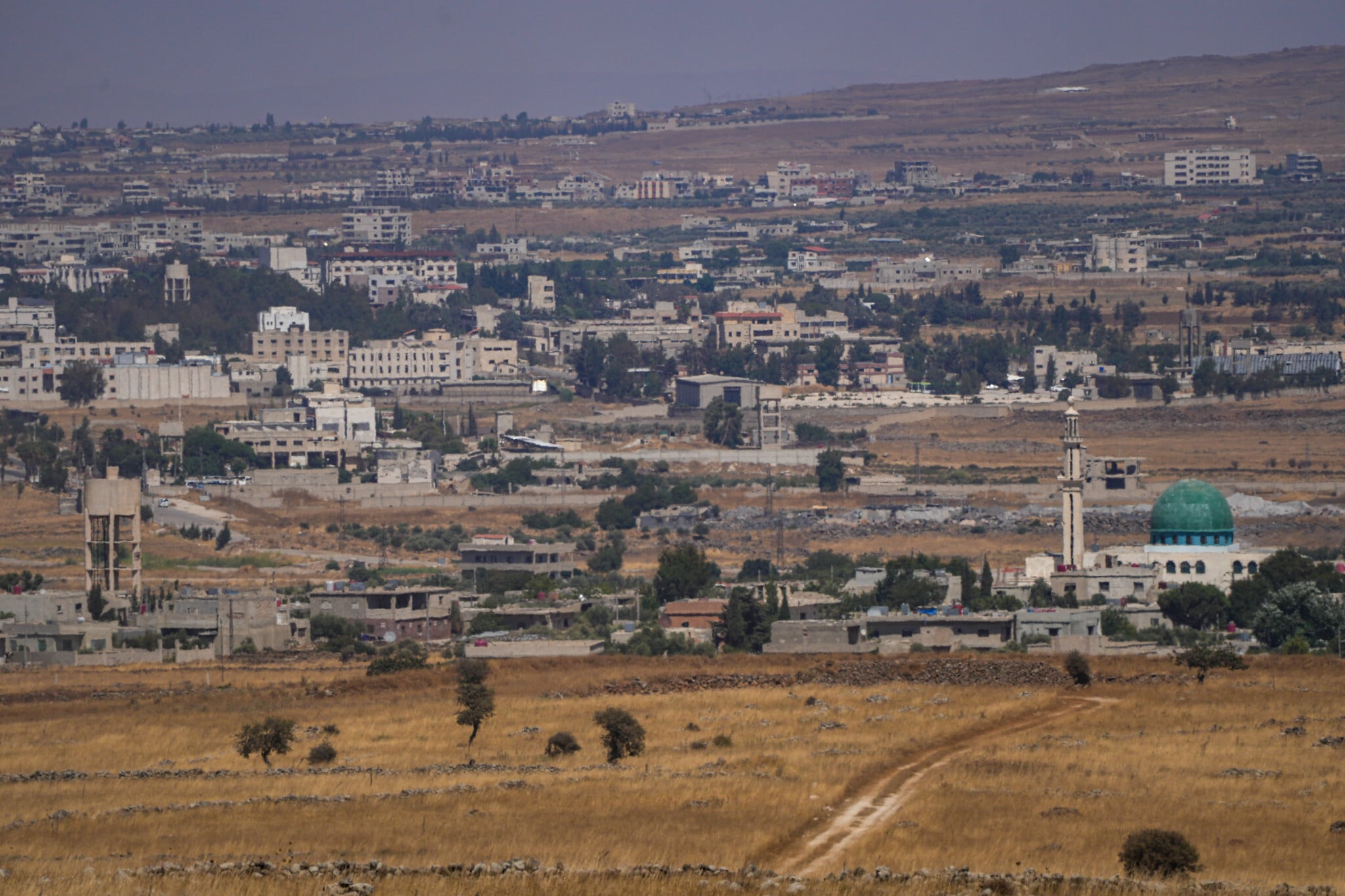
Defense Minister Israel Katz, responding to Sharaa’s insistence that the Golan Heights belonged to Syria, released a statement reiterating that the strategic plateau in the northeast is “an integral, eternal part of Israel.”
“We will not withdraw from Mount Hermon and the security zone, which were captured in heroic fighting during the 1973 defensive war and handed over to Syria under the 1974 disengagement agreement, under clear conditions that were violated, as Syria became an Iranian base and a threat to Israel and its borders,” Katz continued, referring to the 1973 Yom Kippur War and diplomacy that followed.
Israel, he said, addressing Sharaa directly, “will remain on Mount Hermon and in the security zone as long as there is a jihadist threat to the border and Israeli communities, whether from your security forces or from other jihadist organizations and groups in Syria.”
He warned that if Israel is attacked from Syria, “any territory we take this time will remain ours forever, in accordance with the laws of war.”
“We will not allow Syria to become a threat to Israel, and we will act as necessary to prevent this,” Katz vowed.
Sharaa’s address was his second appearance at the UN rostrum since taking power following Assad’s fall. In Wednesday’s speech, he repeatedly returned to Israeli military activity in Syria, describing the strikes, incursions and detentions as “aggressions.”
Sharaa’s comments at the UN followed remarks a day earlier at the Atlantic Council, where he said Syria was seeking a peaceful solution with Israel and that talks between the two countries had made significant progress toward a security agreement.
According to Sharaa, negotiations between Israel and Syria had already resolved nearly 90 percent of the outstanding issues required for such an agreement.
Israel and Syria have no formal diplomatic relations and remain officially at war, but the two countries have held several rounds of US-backed talks since the fall of Assad.
In January, they agreed to establish an intelligence-sharing mechanism, while broader negotiations have focused on reviving the 1974 disengagement agreement and securing an Israeli withdrawal from the buffer zone. Sharaa said in July that such a security agreement could eventually lead to comprehensive peace, while insisting Syria would not relinquish its claim to the Golan Heights.
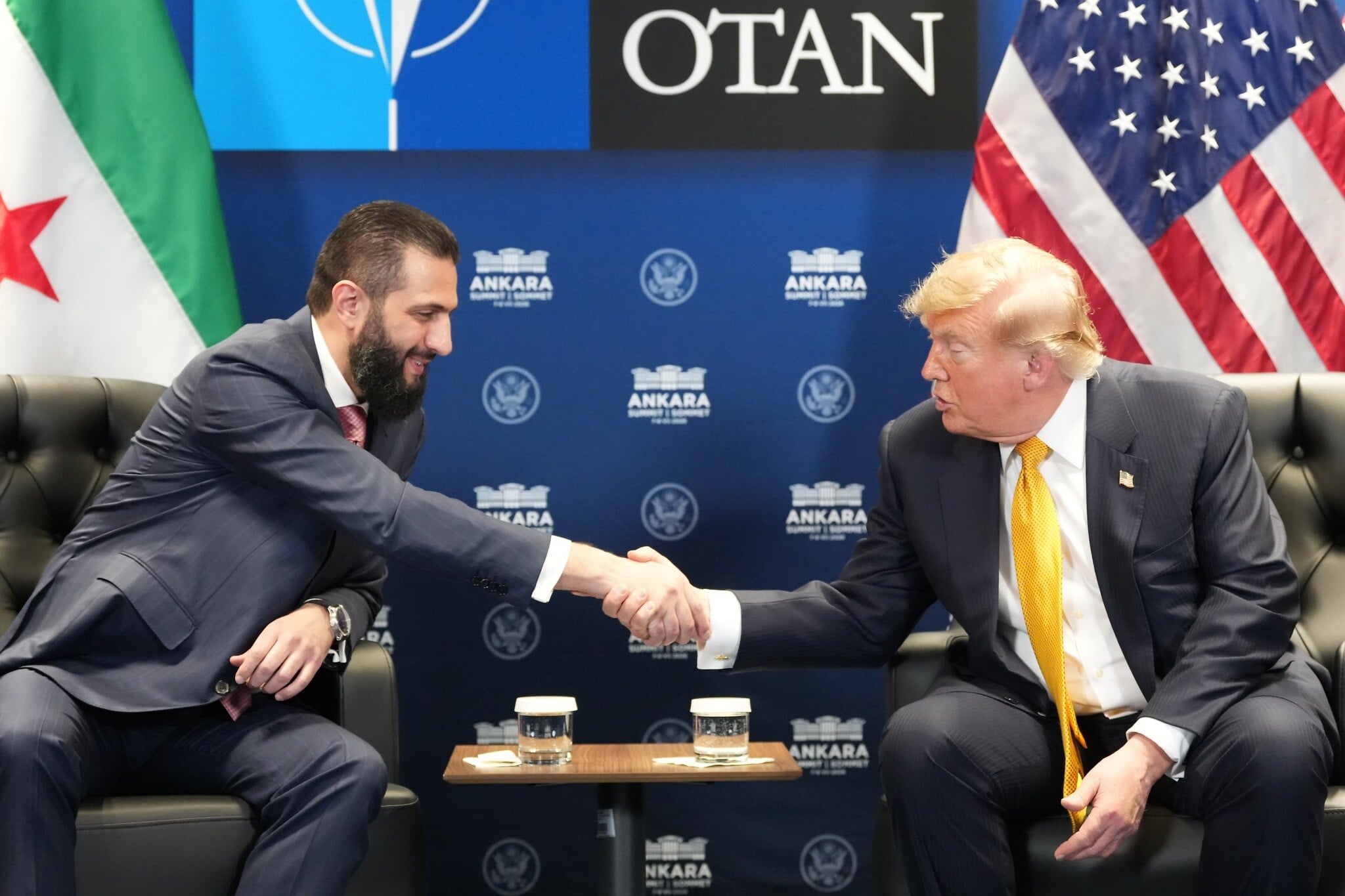
Syrian Foreign Minister Asaad al-Shaibani said on September 1 that Damascus was working “seriously” toward a US-mediated diplomatic solution with Israel despite continuing Israeli military activity in Syria.
He said Syria wanted the talks to halt Israeli strikes and arrests and secure a withdrawal to positions Israel held before Assad’s fall in December 2024, alongside full implementation of the 1974 disengagement agreement.
This was just over a week after Syria confirmed that al-Shaibani had met an Israeli delegation in Jordan in US-mediated talks aimed at easing tensions after Israeli strikes in the country.
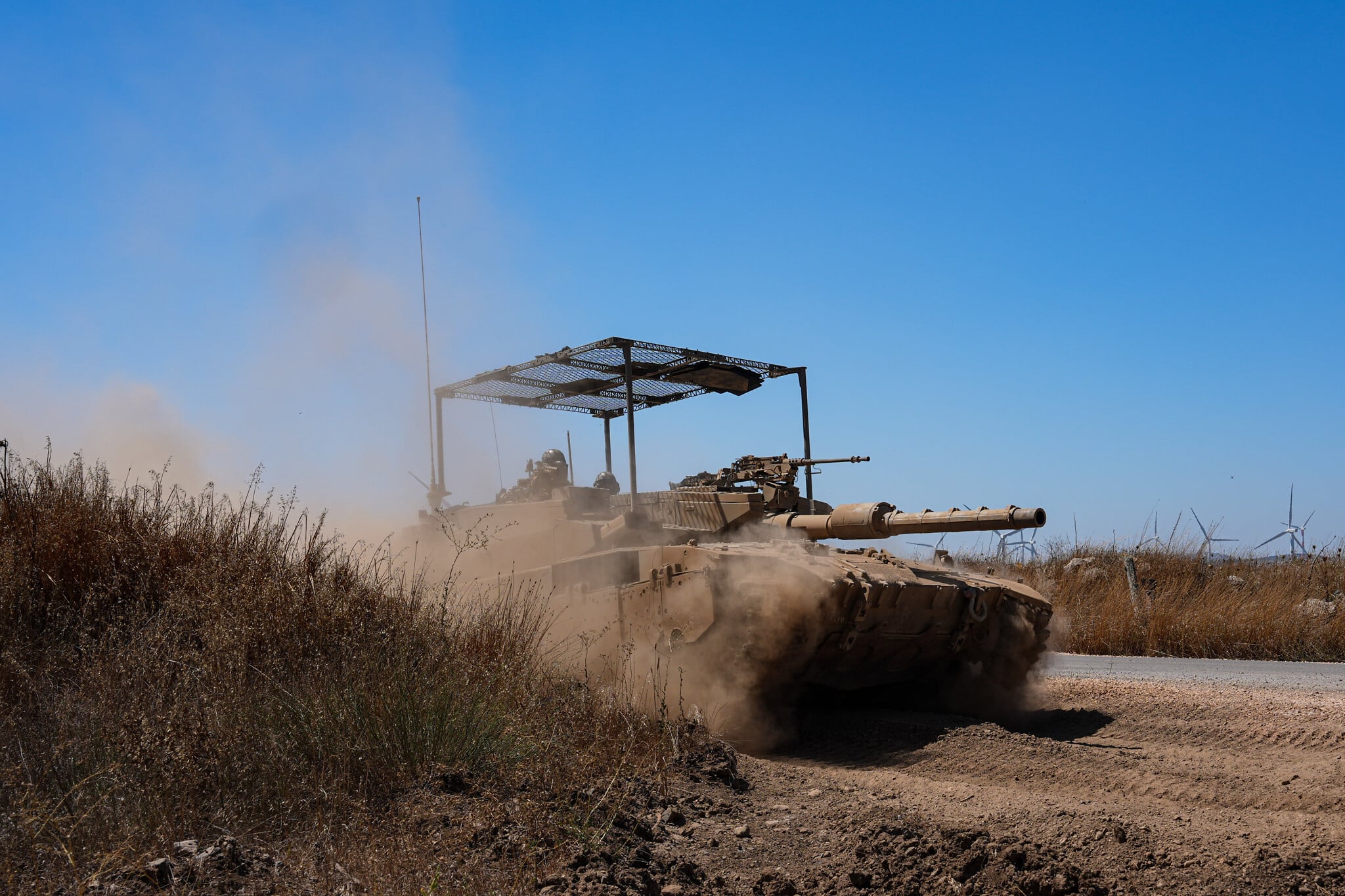
Israel has rejected demands for an immediate withdrawal from the buffer zone. During an August 25 visit to Israeli troops in southern Syria, Defense Minister Israel Katz said the IDF would remain on Mount Hermon and in the security zone for as long as “jihadist threats” to Israel persisted.