

Katz: Israel won’t leave Syria buffer zone so long as ‘jihadist threats’ remain
Defense minister, visiting troops, tells Syrian president ‘when you wake up in Damascus and see IDF on Mount Hermon, know we’re here to defend our communities and border’
 Add ToI as a Preferred Source on Google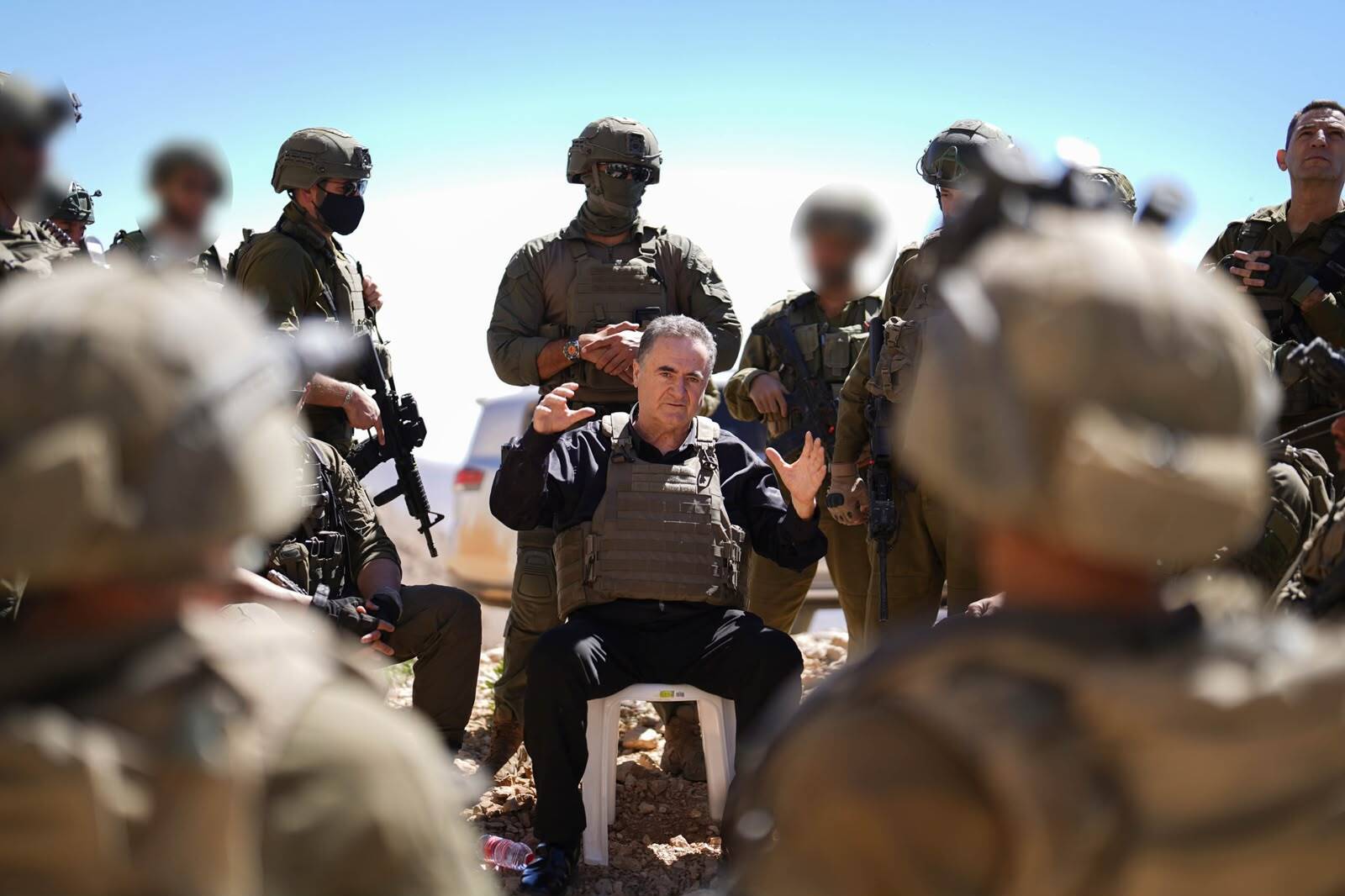
Defense Minister Israel Katz on Tuesday told troops in southern Syria that the Israeli military would not leave its buffer zone there as long as “jihadist threats” remain, issuing a belligerent message to Damascus as the US tries to secure a security deal between the countries.
“We will not move from Mount Hermon and the security zone as long as there are jihadist threats to the State of Israel,” he said.
“The message to the president of Syria is clear — when you wake up in the morning in the palace in Damascus and look up at Mount Hermon and see the IDF, you know that we are here to defend our communities and our border.”
Katz added that Israel “acted against a Turkish attempt to establish itself in Syria, while putting Israel’s security interests at risk,” referring to last week’s strikes on the Abu al-Duhur airbase in Idlib.
“We made this clear and will stand by it in the future as well,” he added.
The Syrian foreign ministry condemned Katz’s visit as illegal, and said his crossing of the international border was “a flagrant violation” of Syria’s sovereignty and territorial integrity.
The Israel Defense Forces has been deployed to nine posts inside southern Syria since the fall of the Assad regime in December 2024, mostly within a United Nations-patrolled buffer zone on the border between the countries.
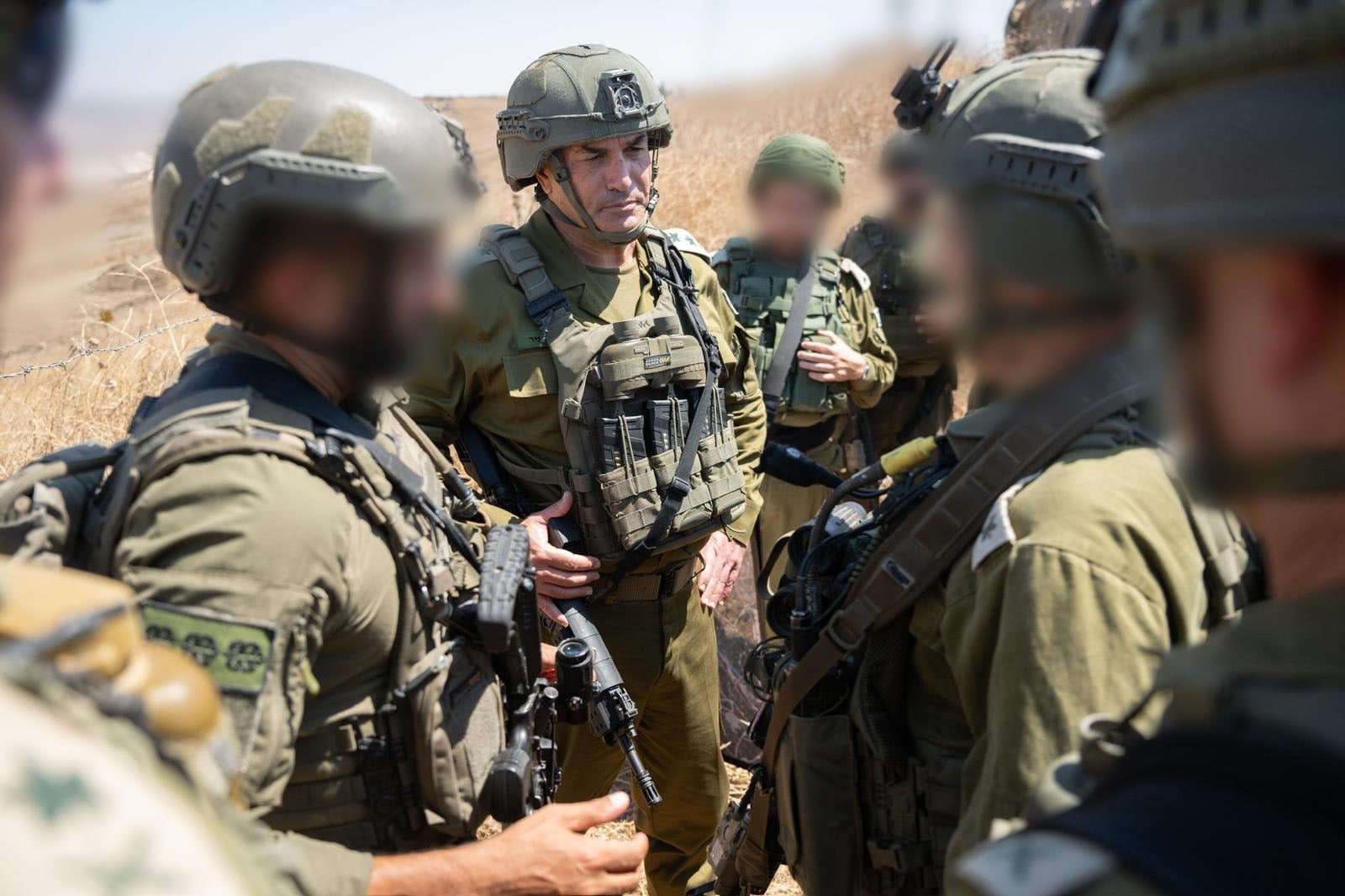
Israeli troops have been operating in areas up to around 15 kilometers (9 miles) deep into Syria, aiming to capture weapons that Israel says could pose a threat to the country if they fall into the hands of “hostile forces.”
The two countries, which have no formal relations and are officially in a state of war, held historic direct talks last year aimed at reaching a groundbreaking security agreement that ultimately failed to materialize. However, contacts between the sides have been ongoing.
In addition to concern about local jihadist groups, Israel is increasingly worried about Turkey’s military presence in Syria, prompting the strikes against the airbase last week.
However, a Channel 12 report on Tuesday said that Israel believed that Turkey’s efforts to establish a military presence at a base in northern Syria have been thwarted for now.
The decision was a result of intensive efforts to calm tensions following the Israeli airstrike, which have seen high-level contacts between Israel and Syria, as well as Israel and Turkey, notably including a meeting between Mossad chief Roman Gofman and Syrian Foreign Minister Asaad al-Shaibani in Jordan on Sunday, the report said.
Nevertheless, Israel will not hesitate to strike the base again, Channel 12 quoted Israeli security officials as saying.
Washington took issue with the Idlib attack, and even cast doubt on the Israeli intelligence Jerusalem cited to justify it.
The US has been seeking to forge a security deal between Israel and the government of Syrian President Ahmed al-Sharaa, a new US ally in the Middle East, for over a year. But it has proven elusive as Israel has kept troops in Syrian territory and attacked government assets, citing threats to its security.

On Sunday, Mossad chief Gofman met with Syria’s al-Shaibani to defuse tensions.
The Trump administration strongly pushed for the meeting, according to Channel 12. The outlet reported that the sitdown was positive in nature and was considered a step toward restarting direct negotiations.
Hours before the meeting was reported, al-Shaibani said in an interview that Syria expected negotiations with Israel to resume soon, and that “the US is trying continuously to put pressure on Israel to return to the dialogue table.”
Al-Shaibani said that around the start of this year, the sides had “agreed on paper to almost everything” regarding a security deal that would require Israel to stop strikes in Syria and was tied to its withdrawal from territory seized after Assad fell.
The deal would include several security zones in Syrian territory near the Israeli border, including a buffer zone where only the UN would be present, and others where Syrian forces would deploy in varying degrees of force.
But the Syrian foreign minister accused Israel of seeking to evade implementation.
Channel 12 also reported Sunday that Israel identified an increase in the Hezbollah terror group’s attempts to smuggle weapons from Syria into Lebanon. A security official cited by the network said Iran is financing and operating the smuggling network.
“Hezbollah is exploiting the ceasefire to build up its strength, and there has therefore been an increase in smuggling attempts through Syria,” a security official told Channel 12.





The Times of Israel Community.