

Mossad chief meets Syrian FM in effort to defuse tensions after airstrike
Israel said to set ‘red lines’ for diplomatic agreement, as US pushes for full renewal of direct Jerusalem-Damascus talks that were halted earlier this year
 Add ToI as a Preferred Source on Google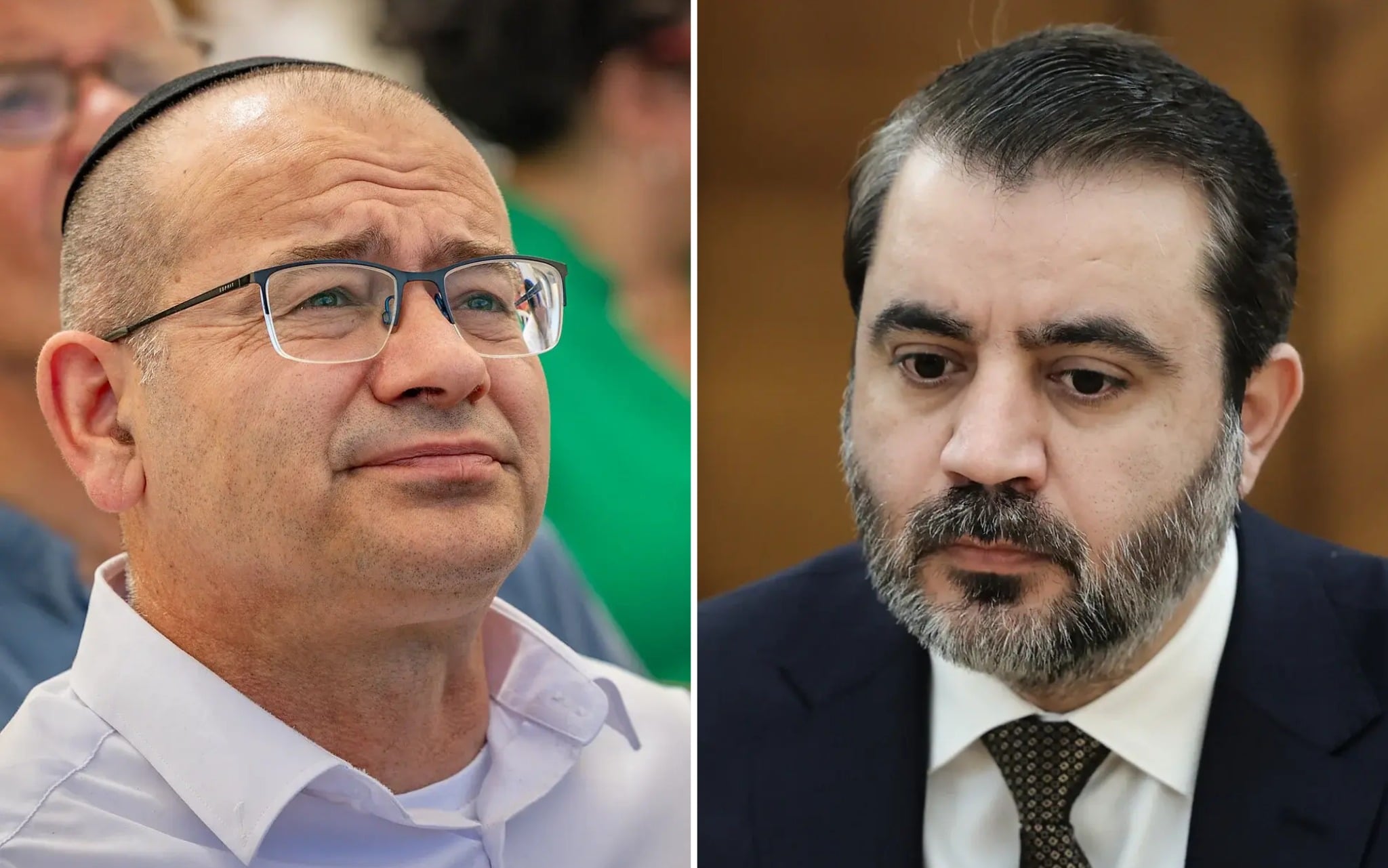
Mossad chief Roman Gofman and Syrian Foreign Minister Asaad al-Shaibani held a meeting on Sunday to defuse tensions between their countries after Israel’s strike last week on a Syrian airbase, Syrian state media confirmed.
The two met in Jordan, two sources told AFP, adding that they discussed issues such as establishing “a special operations room” in Jordan under US supervision to prevent any confrontation in Syria, including involving Turkey.
Citing three sources with knowledge of the matter, the Axios news site reported that the meeting was aimed at “lowering the temperature,” following the escalating rhetoric between the two sides.
Israel’s Channel 12 news reported that the sitdown was positive in nature and was considered a step toward restarting direct Jerusalem-Damascus negotiations. The network said the meeting was supposed to take place last week, but was pushed off because of the Israeli strike.
The Trump administration strongly pushed for the meeting, seeking a de-escalation between Israel, Syria and Turkey ahead of the upcoming Israeli election, Channel 12 said.
The TV network also reported that Israel’s security establishment is pushing politicians to follow through on diplomatic efforts to lower the flames, preferring that to a potential military escalation.
Citing an Israeli security source, Channel 12 said Jerusalem has set a number of red lines for such talks, including not allowing any Turkish military activity in Syria; keeping the Syrian side of the Golan Heights a demilitarized zone; not allowing the Syrian army to possess strategic weapons systems; ensuring the security of Syria’s Druze community; and only withdrawing Israeli troops from the buffer zone in which they are currently posted in exchange for diplomatic achievements.
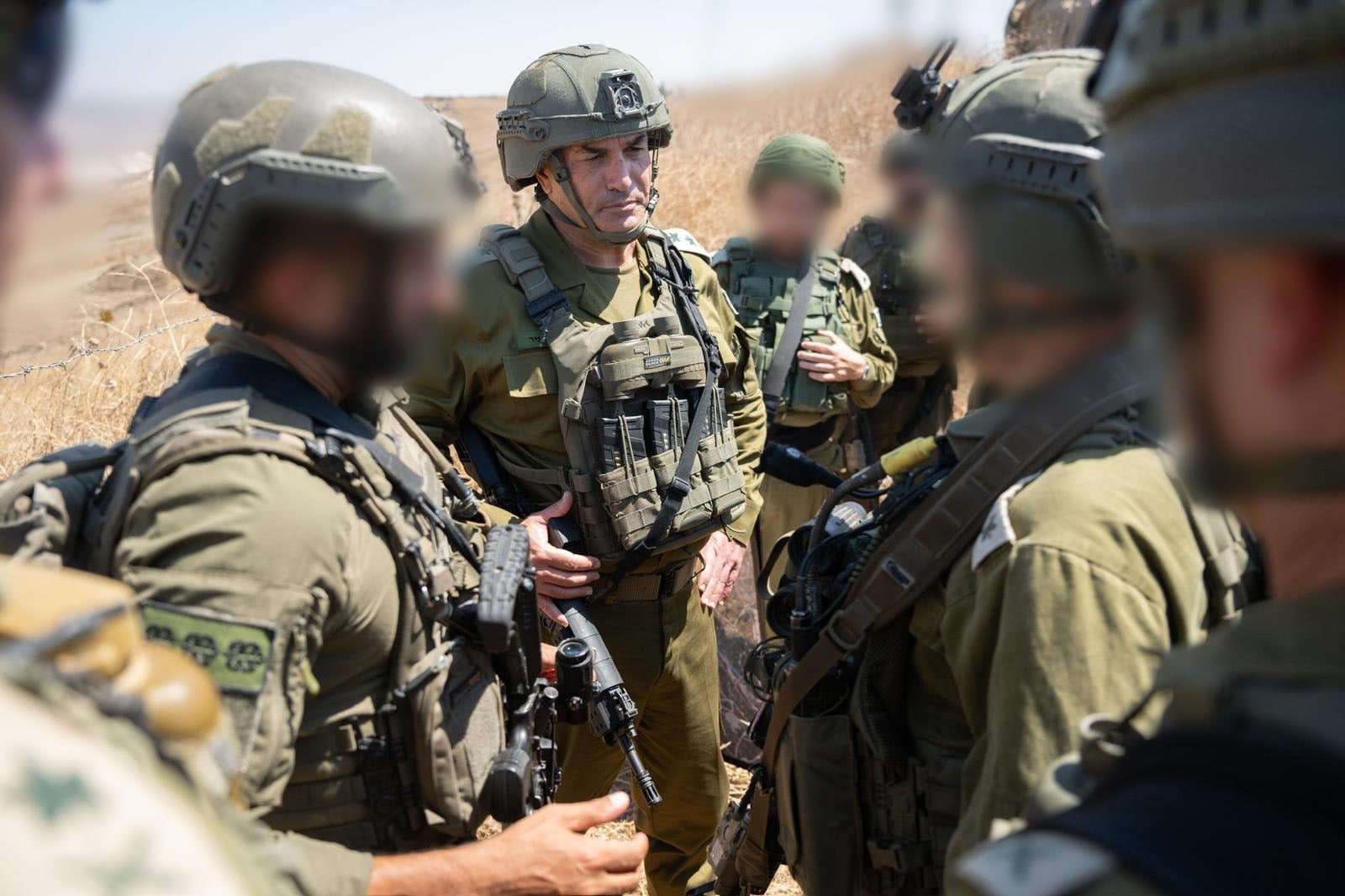
The meeting came after tensions between Jerusalem and Damascus and Ankara rose sharply last week following an IDF strike on the Abu al-Duhur airbase in northwestern Syria. Israel accused Damascus of preparing to allow Turkish forces to deploy there. Syria denounced the strike and Turkey denied the claim that its forces were deploying to the base.
Prime Minister Benjamin Netanyahu later said that Israel had warned Turkey against any military activity in Syria ahead of the strike. Reuters reported last week that Gofman and al-Shaibani had held a phone call on Turkey’s military presence in Syria just days before the airstrike.
Netanyahu’s office declined to comment to Axios on Sunday’s purported meeting, and a spokesperson for al-Shaibani did not immediately respond to a request for comment from the outlet.
Hours before the meeting was reported, al-Shaibani said in an interview with the Reuters news agency that Syria expected negotiations with Israel to resume soon, urging Israel to seize a “historic opportunity” as the door for diplomacy is open.
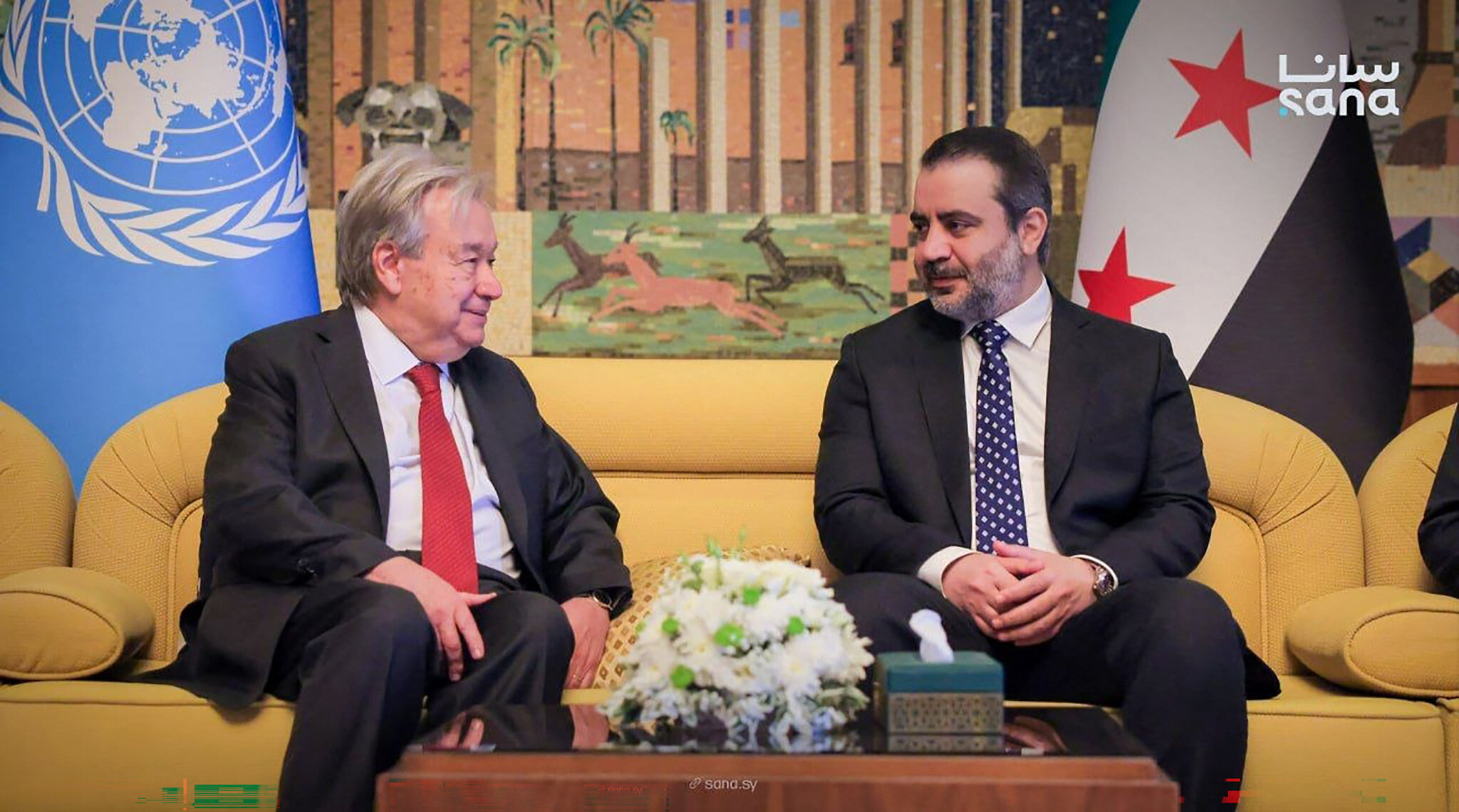
Shaibani said negotiations over a security agreement between the two longtime foes had been frozen since the start of the Iran war, but he expected them to restart: “We believe there should be contact, especially with a party that constantly threatens the security of Syria. But if this contact doesn’t bring results, then we don’t need it,” Shaibani said. “We do not trust Israel currently.”
“The US is trying continuously to put pressure on Israel to return to the dialogue table,” he added, saying that Syria has “very great hope” of building stable relationships with its neighbors.
“Syria is extending its hand for understandings, for peace, for diplomacy,” and regional stability, he said.
The meeting took place despite an Israeli drone strike on Saturday afternoon in southwest Syria. Damascus condemned the attack, which the IDF said targeted an operative who was advancing attacks “in the final stages of preparation.”
The IDF has been deployed to nine posts inside southern Syria since the fall of Bashar al-Assad’s regime in December 2024. Most of the Israeli-held posts are located within a UN-patrolled buffer zone on the border between the two countries. Israel said it did so to protect its security given the instability and uncertainty brought on by the rise of the new jihadist-led regime.
Israel and Syria held historic direct talks last year aimed at reaching a groundbreaking security agreement that ultimately failed to materialize.
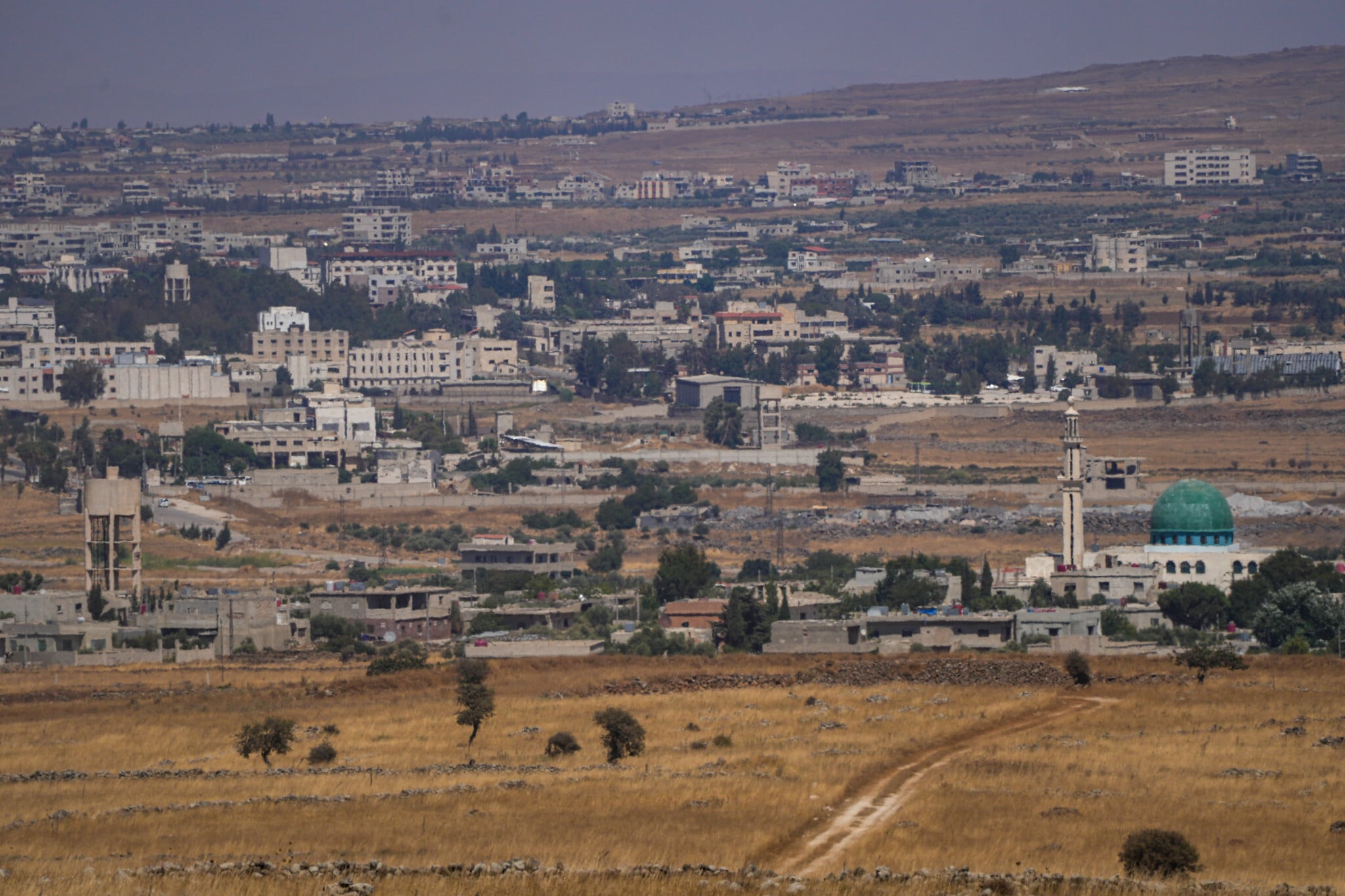
Al-Shaibani said Sunday that around the start of this year, the sides had “agreed on paper to almost everything” regarding a security deal that would require Israel to stop strikes in Syria and was tied to its withdrawal from territory seized after Assad fell.
The deal would include several security zones in Syrian territory near the Israeli border, including a buffer zone where only the United Nations would be present, and others where Syrian forces would deploy in varying degrees of force.
But the Syrian foreign minister accused Israel of seeking to evade implementation, adding: “We did not see they had the real will to reach an agreement.”
Meanwhile, Channel 12 also reported Sunday that Israel’s defense establishment has recently identified an increase in Hezbollah’s attempts to smuggle weapons from Syria into Lebanon, as the terror group works to rearm and rebuild under cover of the ongoing ceasefire.
A security official cited by the network said Iran is financing and operating the smuggling network through the Islamic Revolutionary Guard Corps’ Quds Force, which continues to oversee the transfer of weapons into Hezbollah’s hands.
While the Syrian and Lebanese armies have publicized several weapons seizures over recent months, Israeli security officials reportedly assess that many other shipments are successfully reaching Lebanon.
“Hezbollah is exploiting the ceasefire to build up its strength, and there has therefore been an increase in smuggling attempts through Syria,” a security official told Channel 12. “We assess that many shipments are getting through without being detected.”
Stav Levaton and agencies contributed to this report.






The Times of Israel Community.