

After midterm defeat, Trump replaces Susie Wiles with Stephen Miller as chief of staff
Wiles had been the longest-serving chief of staff for Trump; Miller, a member of Trump’s inner circle, is a key architect of the administration’s hard-line immigration policies
 Add ToI as a Preferred Source on Google
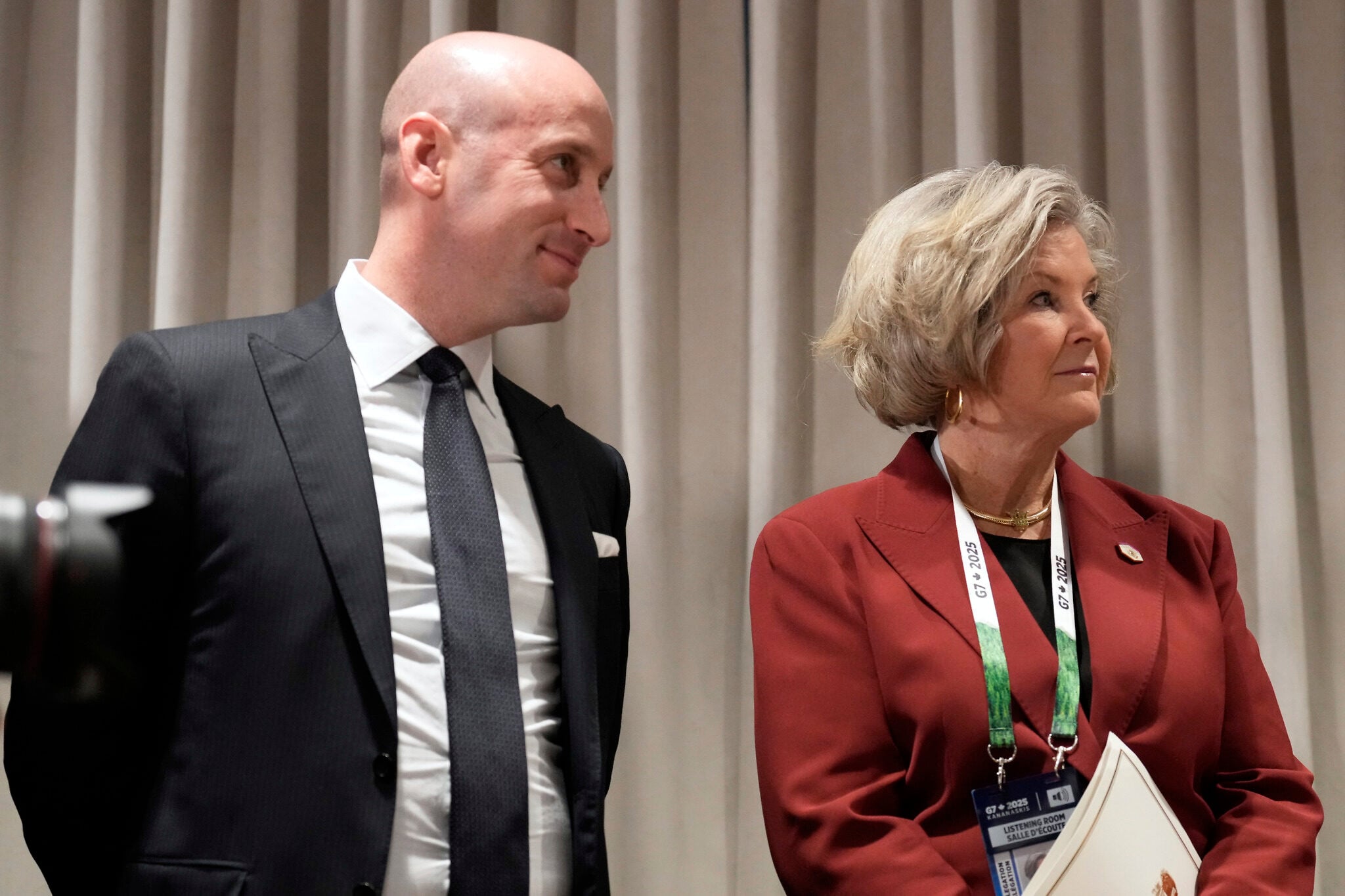
WASHINGTON (AP) — President Donald Trump said Friday that Stephen Miller was replacing Susie Wiles as White House chief of staff, mere days after Republicans lost control of Congress in the midterm elections.
On his social media site, Trump praised Wiles and said she’d continue to work for his political organization. Wiles also released a social media statement Friday.
“Serving President Trump in the White House has been the honor of a lifetime. I’m so proud to have been a part of what we’ve accomplished together from securing our border and cutting taxes to strengthening our economy and putting America First,” Wiles said in a social media post shortly after Trump’s announcement. She added that her commitment to “the President and the mission” will not change.
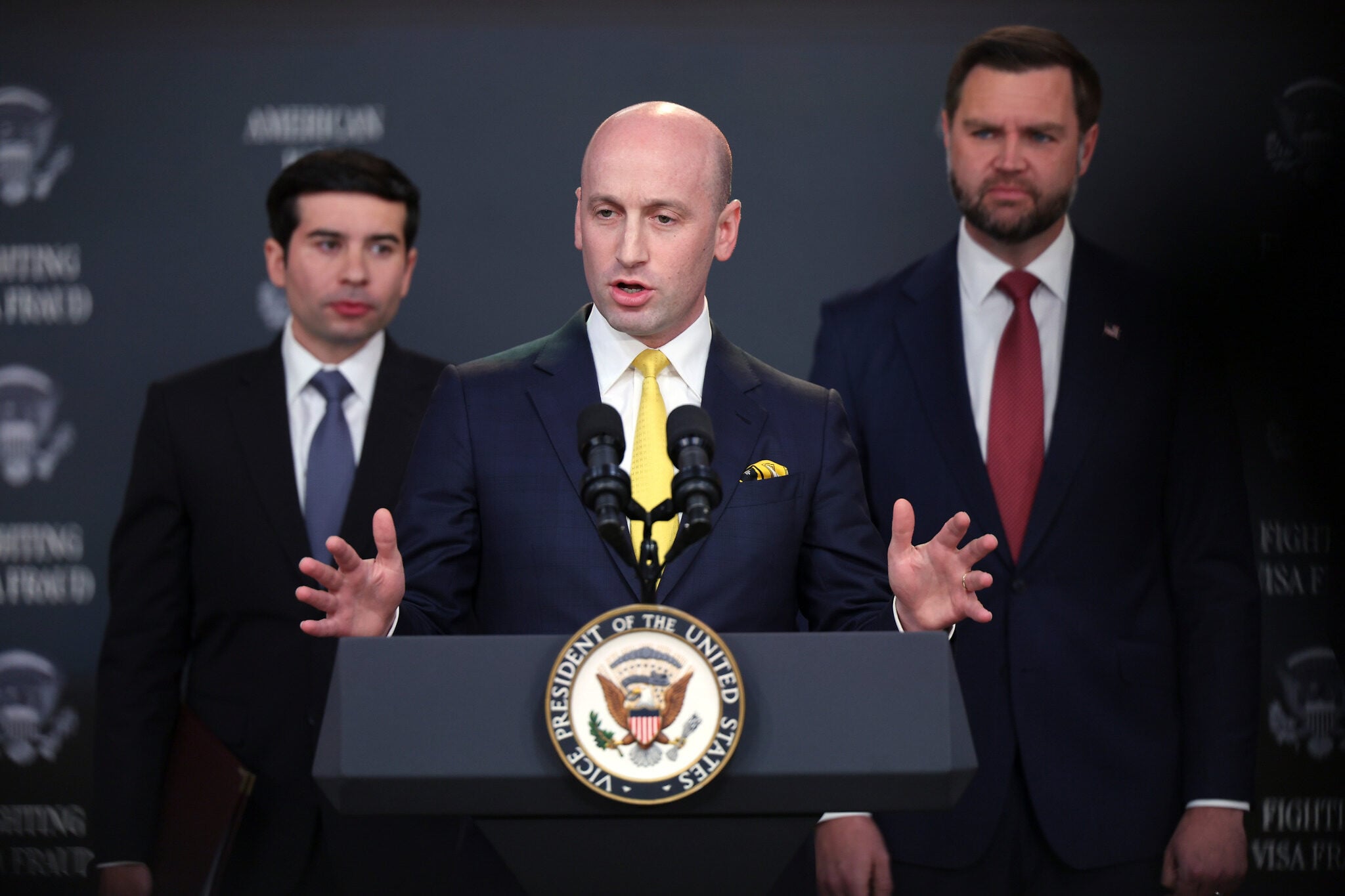
Miller, long a key member of Trump’s inner circle, is a key architect of the administration’s hard-line immigration policies.
Wiles, the steely political operator and longtime adviser to Trump, was the first woman to ever serve in that post.
Wiles’ departure comes almost immediately after the GOP’s midterm thrashing on Tuesday.
The departure also came months after Wiles indicated she no longer showed evidence of breast cancer after she underwent months of treatment for the disease, a diagnosis she went public with in March 2026.
Wiles is the longest-serving White House chief of staff for Trump, who cycled through four of them during his first four-year term.
Miller is a longtime Trump aide
During the midterm campaign, Miller took frequent partisan swipes at Democrats, calling them “extremists, freaks and America-hating lunatics” on social media and promoted unfounded theories about election fraud in California and Alaska.
He has been a major part of the Trump administration’s anti-fraud task force targeting benefit programs and a decision to suspend Microsoft and others from a green card program. He also served as homeland security adviser at the White House, giving him a perch from which to coordinate with other agencies across the government.
Miller was a veteran Senate aide who worked for former Sen. Jeff Sessions, R-Ala., before he joined Trump’s nascent presidential campaign in 2016. Sessions was the first senator to endorse Trump in his first run and later served as his attorney general.
But the immigration policies that Miller is so closely allied with were a major liability for Republicans during the just-wrapped election. The midterm AP Voter Poll found that most voters, about 6 in 10, said the administration’s immigration enforcement actions had gone too far and that they “somewhat” or “strongly” disapproved of how Immigration and Customs Enforcement had handled its responsibilities.
“Just days after the American people rejected his corrupt and lawless presidency, Donald Trump is doubling down,” said Rep. Robert Garcia, D-Calif., who is set to become chairman of the powerful House Oversight Committee. “Stephen Miller is the architect of the unconstitutional ICE raids that have terrorized our communities and kidnapped and killed American citizens and immigrant families.”
In a statement, Garcia added: “Stephen Miller should lawyer up.”
Wiles brought order to Trump’s campaign
The veteran Florida operative joined Trump’s team during his 2016 presidential bid to run the campaign in his adopted home state. She performed the same role again in 2020 before overseeing the entire 50-state effort in 2024. She is the second woman to lead Trump’s presidential campaign to victory, although she never embraced the formal title of campaign manager.
Wiles, 69, has been credited with steering the most disciplined of his three presidential bids, and Trump himself has said he was often told that Wiles led his “best-run campaign.” Often called the “ice maiden” by the president, she was seen as the no-brainer choice to serve as White House chief of staff at the start of his second term.
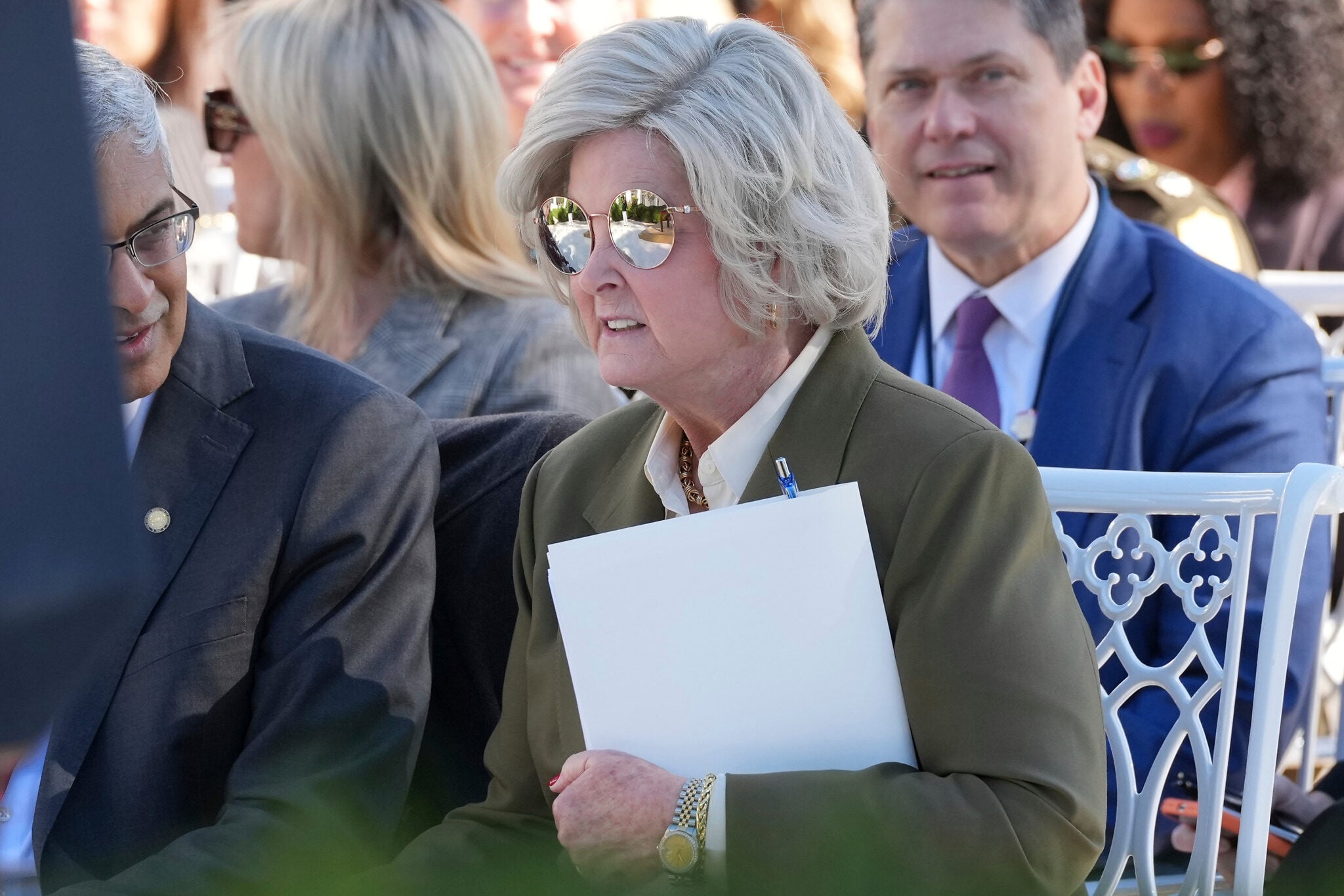
She cut her reputation as someone who brought discipline to the president’s chaotic style and shunned the spotlight, so much so that at Trump’s 2024 election night victory party, she repeatedly shook her head and avoided the microphone as Trump tried to coax her to speak to the crowd.
Wiles showed unusual candor in an interview
But in December 2025, nearing the end of Trump’s first year back as president, Wiles became the headline when Vanity Fair magazine published a series of interviews with her and other top Trump administration officials conducted by the author Chris Whipple, an expert on White House chiefs of staff.
The Wiles interviews stuck out for their candor, which is unusual for a sitting White House chief of staff. She said Trump has an “alcoholic’s personality,” although the president does not drink, and said then-Attorney General Pam Bondi had “whiffed” in her handling of the Jeffrey Epstein files while remarking that Vice President JD Vance has been a “conspiracy theorist for about a decade.”
Trump and other administration aides rushed to defend Wiles, who in turn disparaged Vanity Fair for publishing what she called a “disingenuously framed hit piece,” although she did not deny making the comments that were attributed to her.
In the interviews, which were conducted over a period of several months, Wiles also revealed a bit of her management style, saying she was “not an enabler.”
“I try to be thoughtful about what I even engage in,” Wiles said. “I guess time will tell whether I’ve been effective.”
Trump grinded through four chiefs of staff in his first term: Reince Priebus, who Trump fired after just six months; John Kelly, who served the longest at 17 months; Mick Mulvaney, who held the role for a little over a year in an “acting” capacity; and Mark Meadows, who served as gatekeeper for the 10 months before Trump left office.
Wiles overcomes personal health struggle
In March 2026, Wiles revealed she had been diagnosed with early stage breast cancer and she juggled surgery and treatments alongside her demanding job.
Six months later, she said she was “cancer-free,” indicating she no longer showed evidence of cancer after her pathology results came back clear. On social media, she thanked her family, friends, doctors and “everyone who prayed for me, checked in, and supported me along the way” and gave special thanks to Trump for his “unwavering support.”
“She’s tough,” Trump said of his chief of staff in an October 2026 event at the White House. “She’s a tremendous fighter.”
In a rare October 2026 interview, Wiles told Fox News Digital that she hadn’t been planning on getting the mammogram that ultimately detected her cancer, because she wasn’t due for one for several more months. Her doctor suggested she do the exam anyway, because a mammogram machine was available that day and her schedule was too busy and unpredictable.
“Had he not encouraged me to do it that day, I would have gone back to work and probably not thought about it again until July,” Wiles told the outlet. “We would be having a very different conversation in that case. Four months may not sound like a long time, but with cancer, early detection matters. I will always be grateful to my doctor for knowing me well enough to insist.”






The Times of Israel Community.