

Strike on Syrian airbase signals Israel’s growing unease with Turkey’s regional ambitions
Critics question why Ankara’s longstanding presence suddenly required force, but experts say Turkish military systems could threaten IDF freedom of action and help Erdogan expand his influence

 Add ToI as a Preferred Source on Google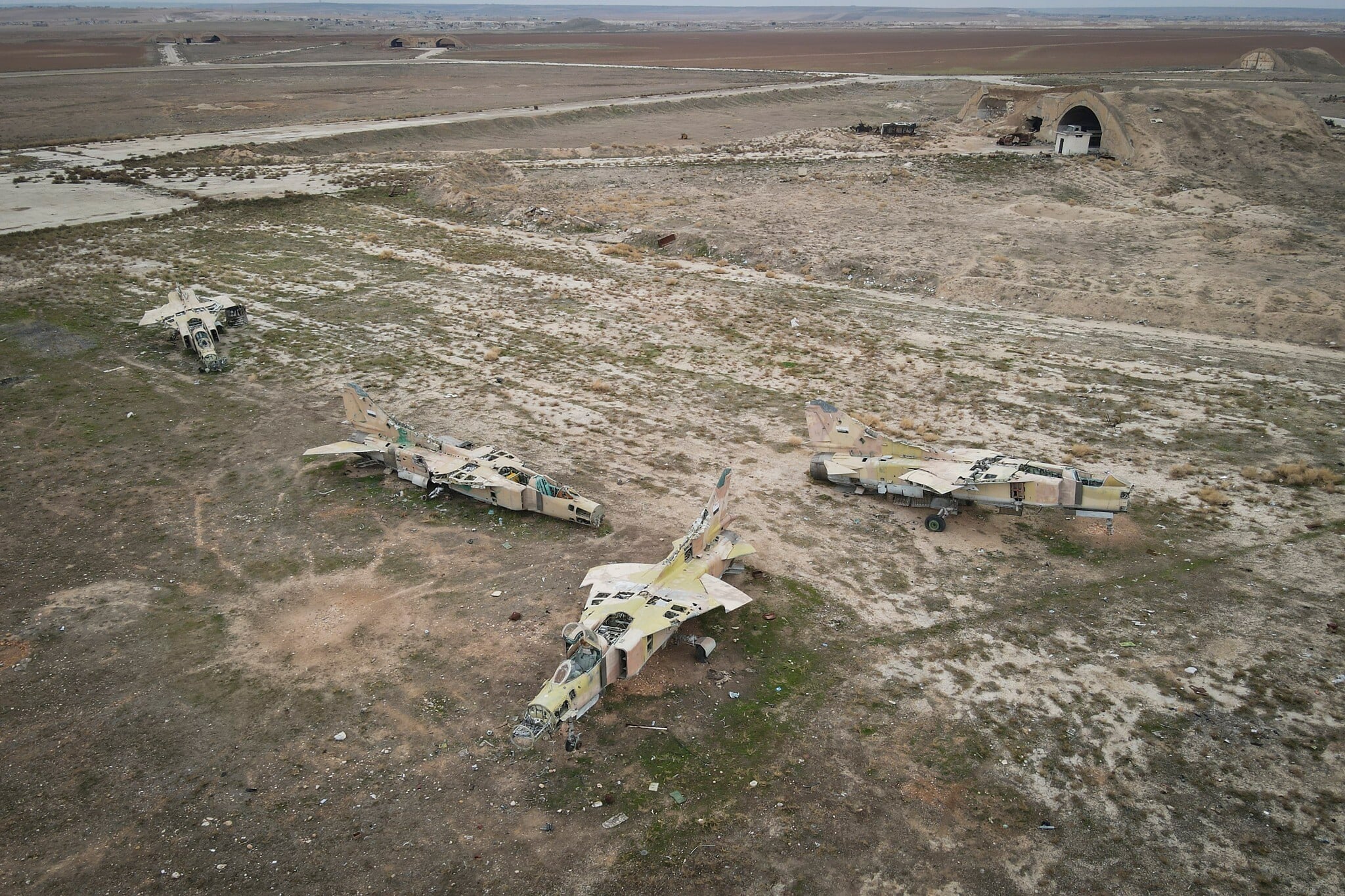
For a decade, Turkey has maintained a military presence in northern Syria, with Ankara framing the occupation as necessary to protect its border from the Islamic State and Kurdish militants it considers linked to the Kurdistan Workers’ Party (PKK). Israel’s strikes last week on a military airport in northwestern Syria, however, signaled that Jerusalem increasingly sees Turkey’s military presence not simply as a feature of the Syrian conflict, but as a potential threat to Israel itself.
In the early hours of August 18, Israel carried out a series of eight airstrikes on the runway of the Abu al-Duhur airbase in Idlib, causing damage but no casualties, according to Syria.
“Israel and Syria agreed to a status quo in security matters, which Syria was on the verge of breaching by permitting Turkish troops to deploy at an airbase near Aleppo,” Prime Minister Benjamin Netanyahu’s office said in an English-language statement explaining the strikes.
Damascus swiftly condemned the attack, calling it an “unjustified act of aggression.” Ankara did as well, while denying plans to deploy military assets there.
The fallout quickly reached Washington, where US envoy Tom Barrack said the strikes “constitute an unnecessary escalation that does not advance regional stability.”
The ambassador cast doubt on Israel’s claim that Turkey was moving military assets into Syria’s northwestern Abu al-Duhur military airport, saying US intel did not indicate such activity.

Israel, for its part, alleged that Syria had approved the shipment of unspecified military equipment from Turkey to the airbase, even after Mossad chief Roman Gofman reportedly warned Syrian Foreign Minister Asad Hassan al-Sheibani against such a move.
A senior military source told Zman Yisrael, The Times of Israel’s sister Hebrew website, that the shipment consisted of several drones, while the Kan public broadcaster reported that it was a radar system.
Whatever the shipment contained, the Israeli decision to use force raised a broader question: Why had this particular Turkish deployment in northern Syria suddenly become a red line for Jerusalem?
Turkey’s deep roots in northern Syria
The Turkish Armed Forces have occupied areas of northern Syria since August 2016, when they launched Operation Euphrates Shield. In the years that followed, Turkey played an active role in the Syrian civil war, supporting Syrian opposition forces against now-ousted president Bashar al-Assad and backing the Syrian National Army.
Turkey’s unwavering support for Syrian dissidents and its decision to welcome Syrian refugees during the civil war created a close relationship between the two nations that has only gained greater prominence as Syria seeks to rebuild and establish itself as a stable, unified state after nearly 14 years of internal conflict.
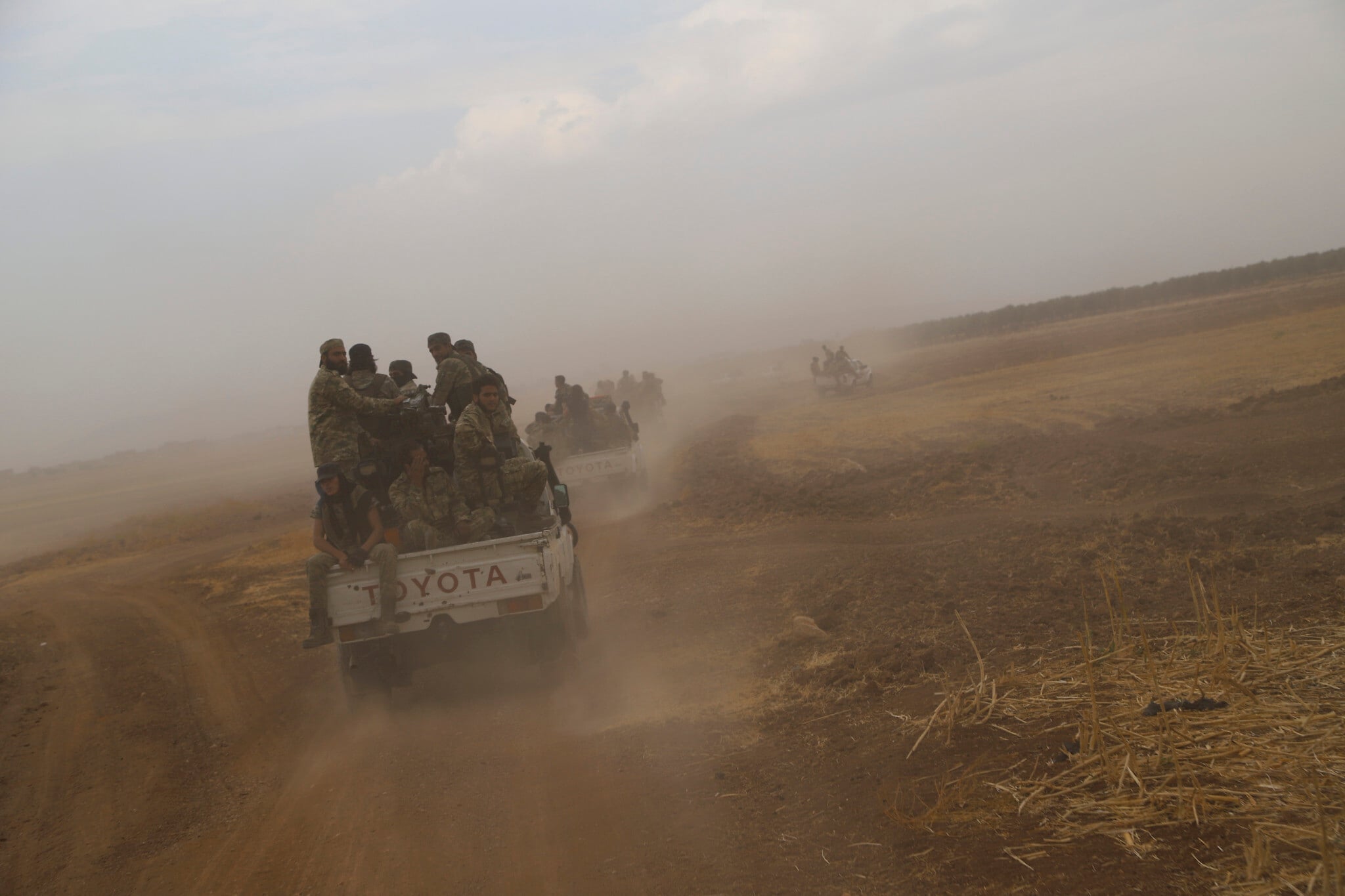
The current Syrian government’s appreciation for Turkey, coupled with Ankara’s willingness to aid Damascus in its military buildup, leaves “room for Turkey to operate” within Syria, according to Gallia Lindenstrauss, a senior research fellow at the Institute for National Security Studies.
Still, she emphasized that Syrian President Ahmed al-Sharaa is “not a puppet of Turkey,” and has sought to balance Ankara’s influence against strong support from other powers, such as the US and Saudi Arabia.
A necessary strike or political calculation?
Israel’s attack was widely seen as a preventive move — an attempt to stop Turkey from establishing a new military foothold at Abu al-Duhur before personnel and equipment were in place.
Lindenstrauss said that Jerusalem’s message was “clear,” wanting to signal that “Turkey will not deploy in Syria.”
But whether the prospective deployment justified military action is far more contested.
Attacking the base opened the prospect of armed conflict with a NATO member country that enjoys close ties with the White House and that continues to maintain diplomatic ties with Israel, even if heavily frayed. And the strike added a fresh crimp to a relationship with Syria that the US has been trying to smooth out in hopes of forging a security deal and possibly more between Damascus and Jerusalem.
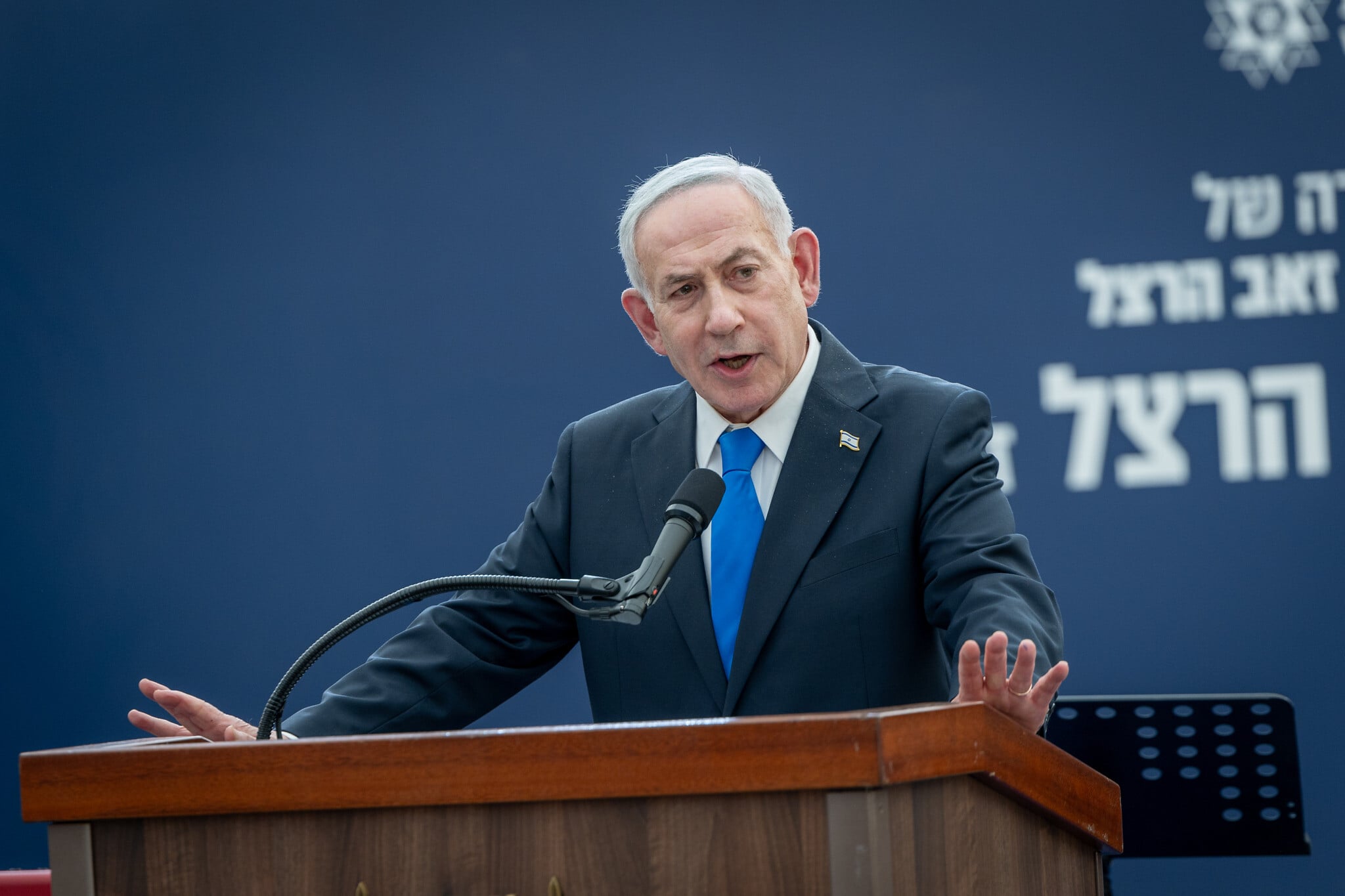
Elizabeth Tsurkov, a senior non-resident fellow at the New Lines Institute, a Washington DC-based think-tank, told The Times of Israel that while there “was definitely a context” for Israel’s attack, she questioned the necessity of going “as far as striking to prevent” the Turkish shipment.
Others have questioned not only the necessity of the strike, but the motivations behind its timing.
“One theory is they were just baiting Turkey, and it’s a very aggressive, but maybe well-received, pre-election concept,” Barrack said in an interview days after Israel’s attack, implying that conflict between Israel and Turkey would serve Netanyahu ahead of the elections scheduled for October 27.
“I see political reasons behind it,” Tsurkov said, echoing Barrack’s remarks. “It’s very clear it could have been avoided.”
Tsurkov speculated that the government is purposefully exaggerating the Turkish threat in Syria to gain political points by portraying itself as confronting the issue with an iron fist.
“We are two months away from an election. Netanyahu is failing in the polls, and he is willing to do what it takes,” she said. Recent polling shows Netanyahu’s ruling Likud party trailing slightly behind main political rival Gadi Eisenkot’s Yashar party.
בתמונות מיקומים של בסיסים צבאיים של תורכיה בצפון סוריה, חלקם שקיימים שם מאז 2017. ובמפה הגדולה, לצד מיקומי הבסיסים, סימנתי בנקודה שחורה את בסיס אבו א-ט'הור שאותו הפציצה ישראל. התמונות מלפני נפילתו של אסד, ומאז עשרות מהבסיסים התורכיים פורקו בשל סיום העימותים עם משטר אסד והכורדים.… pic.twitter.com/pCwKYjf2CW
— Elizabeth Tsurkov (@LizHurra) August 20, 2026
Tsurkov took to X to voice her criticism of Israel’s strikes, posting satellite images of Turkish bases in northern Syria, “some of which have existed there since 2017.”
“The images are from before the fall of Assad, and since then, dozens of the Turkish bases have been dismantled due to the end of the confrontations with the Assad regime and the Kurds,” Tsurkov wrote. “Why does another base in northern Syria with Turkish presence justify an Israeli strike and damage to relations with the US and increased tension with Turkey? Where is the great threat?”
The wider Turkish threat
For Israeli security officials and some analysts, however, the answer lies less in the prospect of another Turkish base than in the capabilities Ankara could eventually station there.
According to Oded Ailam, a researcher at the Jerusalem Center for Security and Foreign Affairs and former head of the Counterterrorism Division in the Mossad, the most tangible threat lies in what Turkey may have planned to ship to Syria.
“What is especially alarming is the deployment of their anti-aircraft system, the SİPER system,” he stressed, referring to Turkey’s long-range, high-altitude surface-to-air missile defense system.
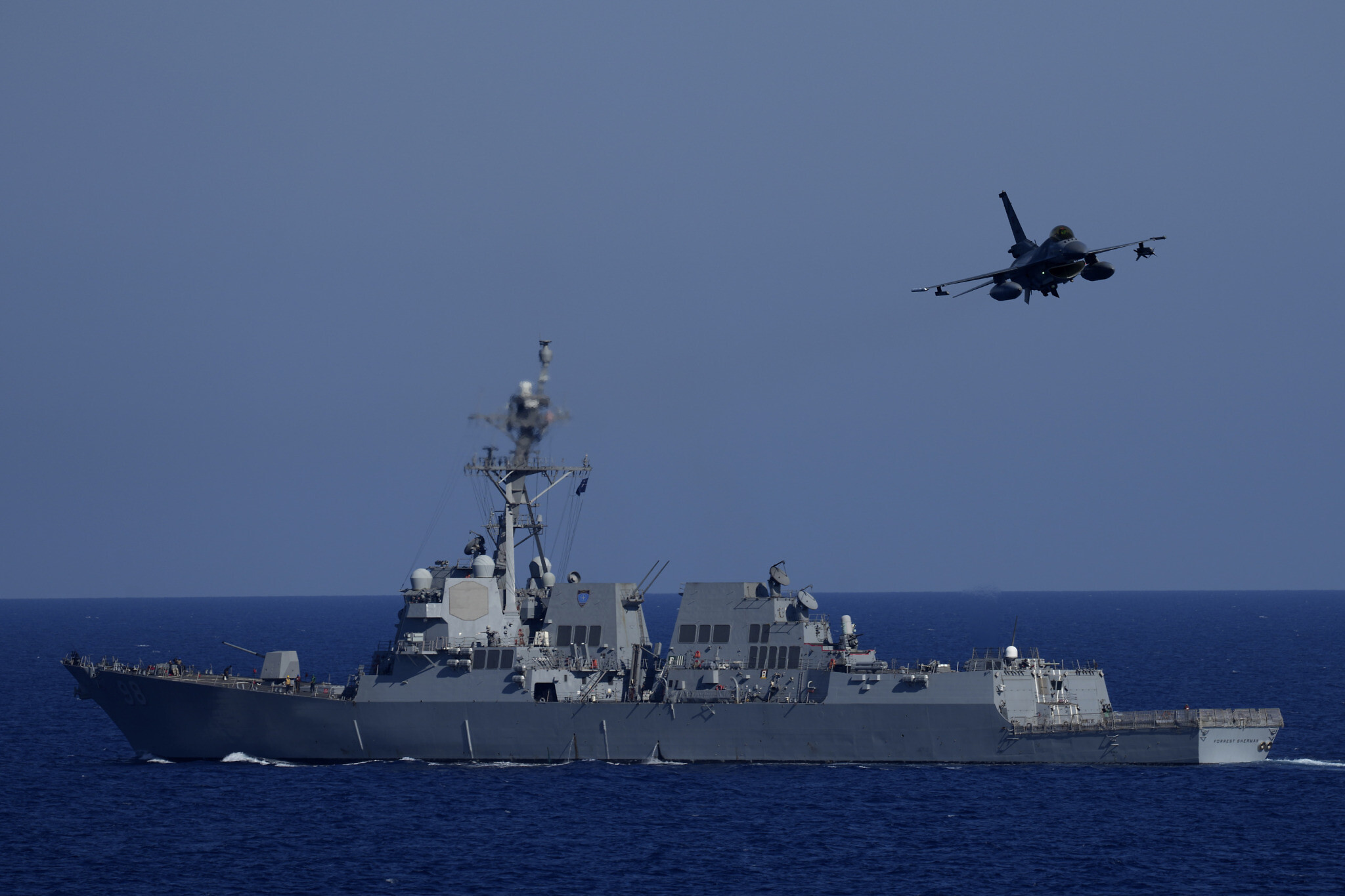
According to Kan, Israel told the US that Turkey planned to deploy an air defense system at Abu al-Duhur, potentially threatening Israel’s freedom of action in the region.
Ailam said such a deployment could complicate future Israeli strikes on Iran, since “the course of the aircraft that are sent to Iran are strictly above this place near Idlib.”
Reporting has also portrayed the prospective deployment as increasingly imminent. An Israeli source told Zman Yisrael that the decision to launch the strikes was made when “the Turkish trucks were already ready to move towards Syria.”
Tsurkov pushed back against that characterization, saying, “This airbase did not pose any kind of an imminent threat to Israel,” noting its deteriorated state due to damage sustained during the Syrian Civil War and the months it would take to rebuild it to an operational state.
Lindenstrauss argued that other aspects of Turkey’s growing regional role may pose more immediate challenges for Israel.
“Hamas leadership is now moving from Qatar to Turkey,” she said. “That’s an issue that I think is a bigger concern than a possible Turkish deployment of UAVs in northern Syria.”
According to the Kan public broadcaster, the decision came in part after Doha expressed dissatisfaction with the terror group’s decision to elect Khalil al-Hayya as its new leader.

Indeed, the dispute over Abu al-Duhur comes amid a much broader Israeli unease over Ankara’s expanding regional ambitions, extending beyond Syria to Gaza and the eastern Mediterranean.
Turkey’s growing involvement in the region has led some experts to suggest Ankara is working to expand its influence, drawing comparisons to Iran, which exerts sway via a network of proxy organizations across the Middle East, including Hamas in Gaza, Hezbollah in Lebanon and the Houthis in Yemen.
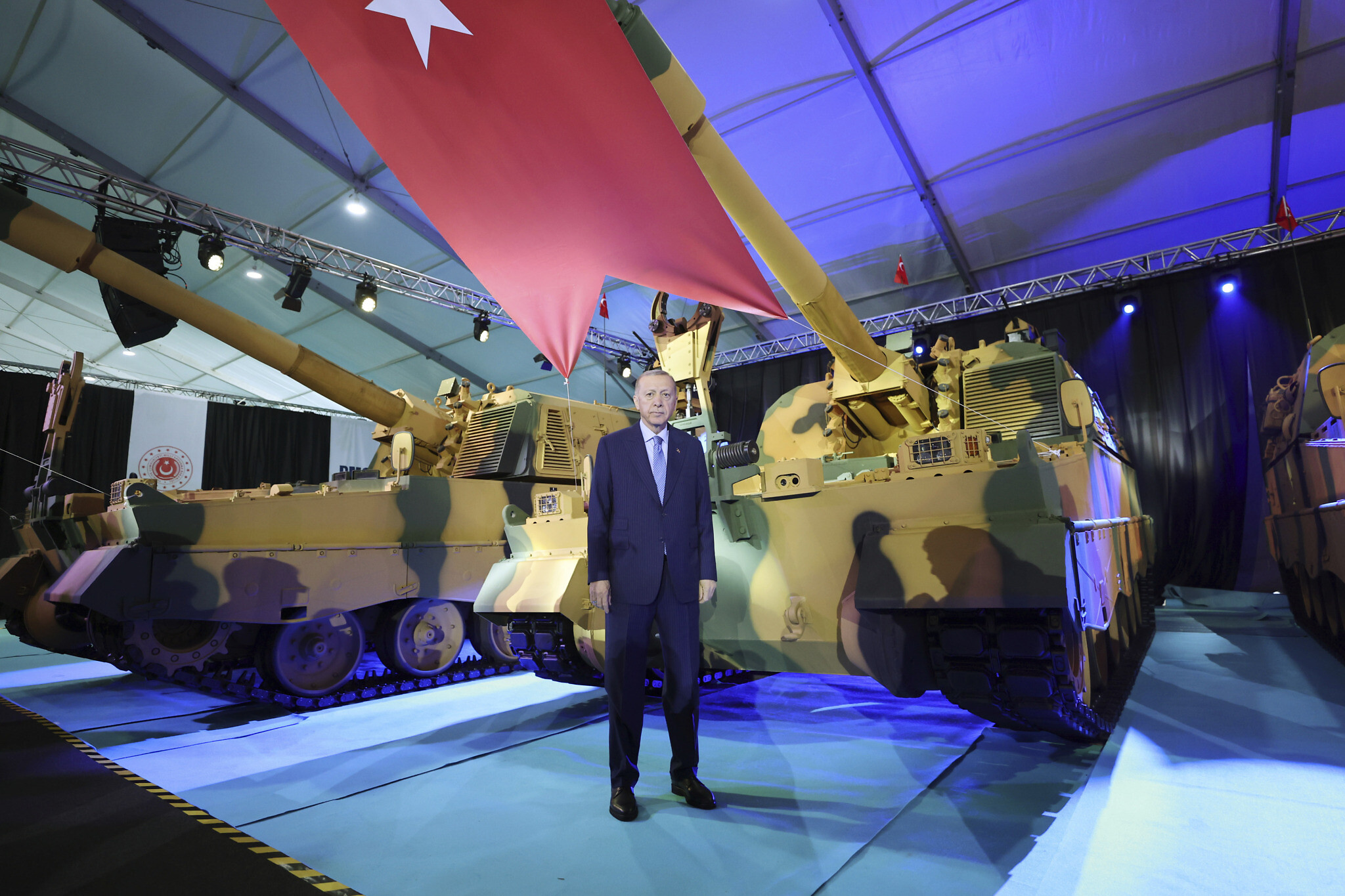
Turkish President Recep Tayyip Erdogan is “gradually trying to get his foot in the door in order to facilitate his concept of the new Ottoman Empire,” Ailam said, pointing to Ankara’s push to deploy its troops to Gaza as part of the enclave’s yet-to-be established International Stabilization Force as an example of this effort.
“I think the West and the Americans should understand who we are facing,” Ailam warned. “They are looking at Erdogan as more of a tame poodle that can be manipulated very easily, but that’s not the case.”
Keeping conflict at arm’s length
Israel’s mounting concern over Turkey has helped drive closer ties with two of Ankara’s longstanding regional rivals, Greece and Cyprus, both of which it recently partnered with to deepen military cooperation.
In December, the Greek parliament approved the purchase of 36 PULS rocket artillery systems from Israel to bolster defenses along Greece’s northeastern border with Turkey and on Greek islands in the Aegean Sea.
Yet for all the increasingly hostile rhetoric and competing ambitions, neither Jerusalem nor Ankara appears eager to allow their rivalry in Syria to spiral into a direct confrontation.
An unnamed Israeli defense official told Kan on Sunday that the two countries have established quiet backchannel contacts aimed at avoiding friction over Syria.
“Israel has no desire to turn Turkey into an enemy,” the source said. “[But] when the messages don’t help, Israel is forced to act.”
The comments echoed those of Foreign Minister Gideon Sa’ar, who said Saturday night that Israel has “no interest in escalation with Turkey,” seeking to dial back tensions that ratcheted up after the Israeli strike on the Abu al-Duhur base.
Turkey’s NATO membership raises the stakes further, muddling the prospect of any direct military confrontation between Ankara and Jerusalem.
“Nobody wants to envision this scenario in which Israel and Turkey clash,” Lindenstrauss said, pointing to Washington as a likely mediator should tensions between the two countries escalate further. “The US has a leading role in NATO and a great interest in relaxing tensions.”









The Times of Israel Community.