Democrats party declares suspension of coalition talks with Yashar amid ‘stalemate’
Golan's faction blames 'progress' in unity government negotiations, hours after Likud and Yashar said they would meet again on Wednesday; Yashar and Yisrael Beytenu ink coalition deal
The Democrats party, led by MK Yair Golan, announced Tuesday that it was freezing coalition talks with Yashar due to the ongoing talks between MK Gadi Eisenkot’s party and Prime Minister Benjamin Netanyahu’s Likud faction, which were due to hold further negotiations on Wednesday.
The left-wing party said it was declaring the “cessation of talks with the Yashar party,” due to the purported “progress in talks to form a unity government with Netanyahu, agreements with the Likud to establish a consensus committee regarding the judicial overhaul” as well as what it called a “stalemate in negotiations” to form a coalition within the so-called change bloc.
Minutes later, Yashar said that it signed a coalition deal with Yisrael Beytenu led by MK Avigdor Liberman, the first such agreement between two parties since Eisenkot was tasked with forming a government following the October 27 elections.
A brief statement from Yashar did not provide details on the deal and there was no immediate comment from Yisrael Beytenu.
Liberman has been strongly aligned with Eisenkot and has been pushing him to form a coalition with the Haredi political parties. Golan meanwhile has been seeking an alignment with the Arab-led Ra’am and Joint List factions, which other members of the anti-Netanyahu bloc — which also includes MK Naftali Bennett’s B’Yachad — have said they strongly oppose.
The announcements came hours after Likud and Yashar said they would meet Wednesday for a fourth round of talks on a potential unity government, which B’Yachad is said to favor. The sides are expected to discuss their main points of contention, including the details of a rotation premiership, potential coalition partners and a state commission of inquiry into the failures surrounding Hamas’s October 7, 2023, onslaught.
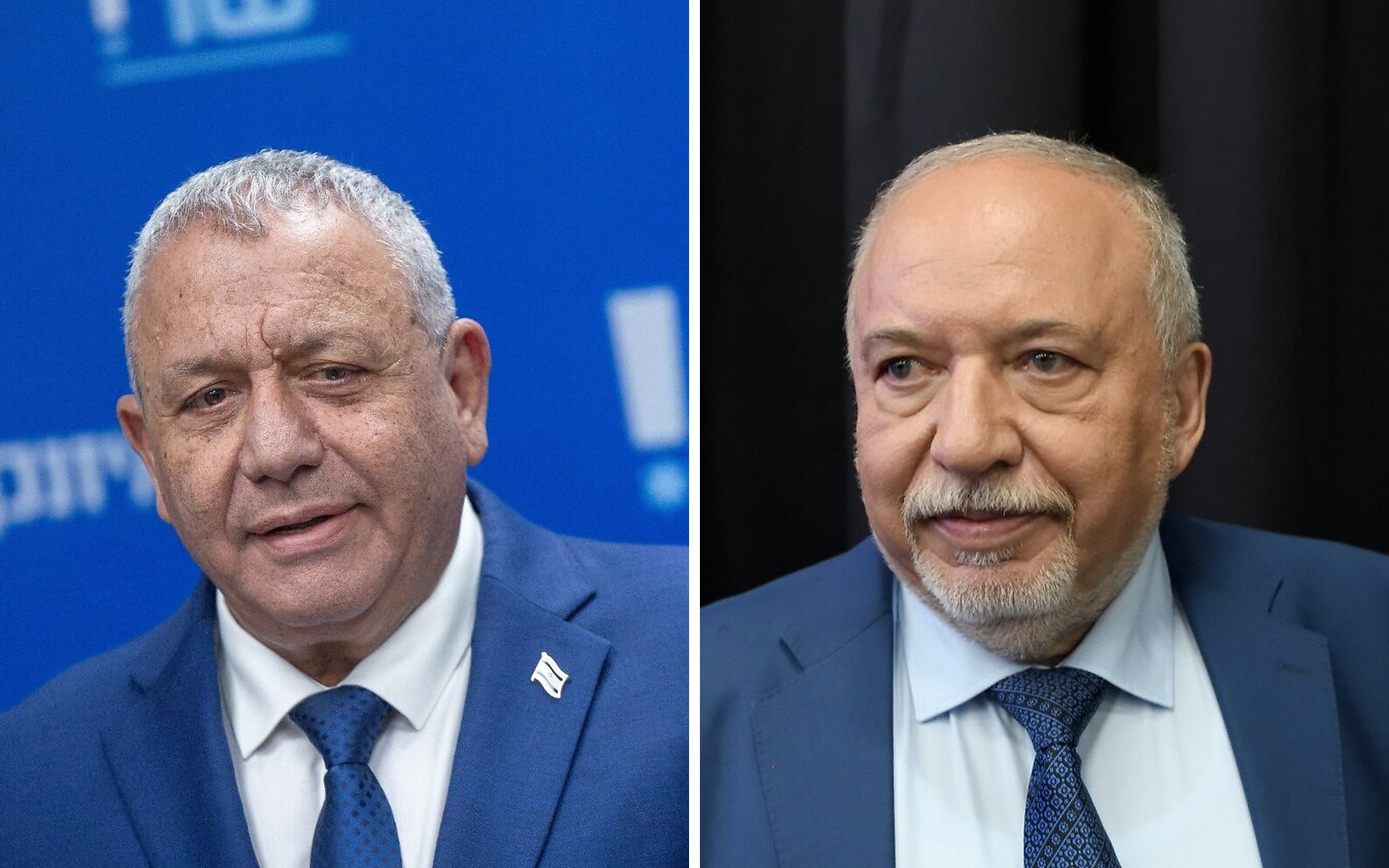
Their latest meeting on Monday reportedly focused on judicial legislation, with Eisenkot’s bloc seeking to repeal the judicial overhaul passed under Netanyahu. Reports after those talks indicated that significant gaps remained between the sides on key issues; no significant progress was reported after either of the preceding rounds.
In addition to pursuing negotiations with Likud, Eisenkot’s potential paths to governance include a coalition with the ultra-Orthodox parties or a minority government with the support of the Joint List and Ra’am.
But each potential path has been publicly ruled out by some members of his bloc, further complicating matters, which appeared to come to a head on Tuesday with the Democrats party’s decision to suspend talks.
If he cannot unite all corners of his bloc, the Yashar chair has indicated he will instead swear in a government without the approval of all his partners, hoping that even if some of them won’t support it, they won’t vote against it.
The result would be a minority government with him as prime minister. If the government collapses and the country moves to repeat elections, he would remain in office in a caretaker capacity, as Netanyahu currently is.
UTJ-Yashar talks said advancing ‘beyond expectations’
Also Tuesday, Channel 12 news reported Netanyahu has made unsuccessful efforts to speak with United Torah Judaism MKs Meir Porush and Eliakim Stark, who are seen as closer to his right-wing bloc, after earlier reporting that UTJ lawmakers were seeking approval from their spiritual leaders to formally open coalition negotiations with Eisenkot’s bloc.
Porush’s staff has been unable connect him with Netanyahu, while attempts to reach Stark have also failed, the network said.
Meanwhile, a senior UTJ source described the talks with Eisenkot as advancing “beyond expectations,” but said the sides have yet to find a draft-law framework that would withstand scrutiny by the High Court of Justice, which ruled in June 2024 that the government must begin to enlist eligible Haredi men after their longstanding blanket exemptions expired.
Discussions were currently focused on a possible military draft framework that would abolish conscription quotas altogether and effectively preserve blanket exemptions for ultra-Orthodox men studying in yeshivas, according to Hebrew media reports.
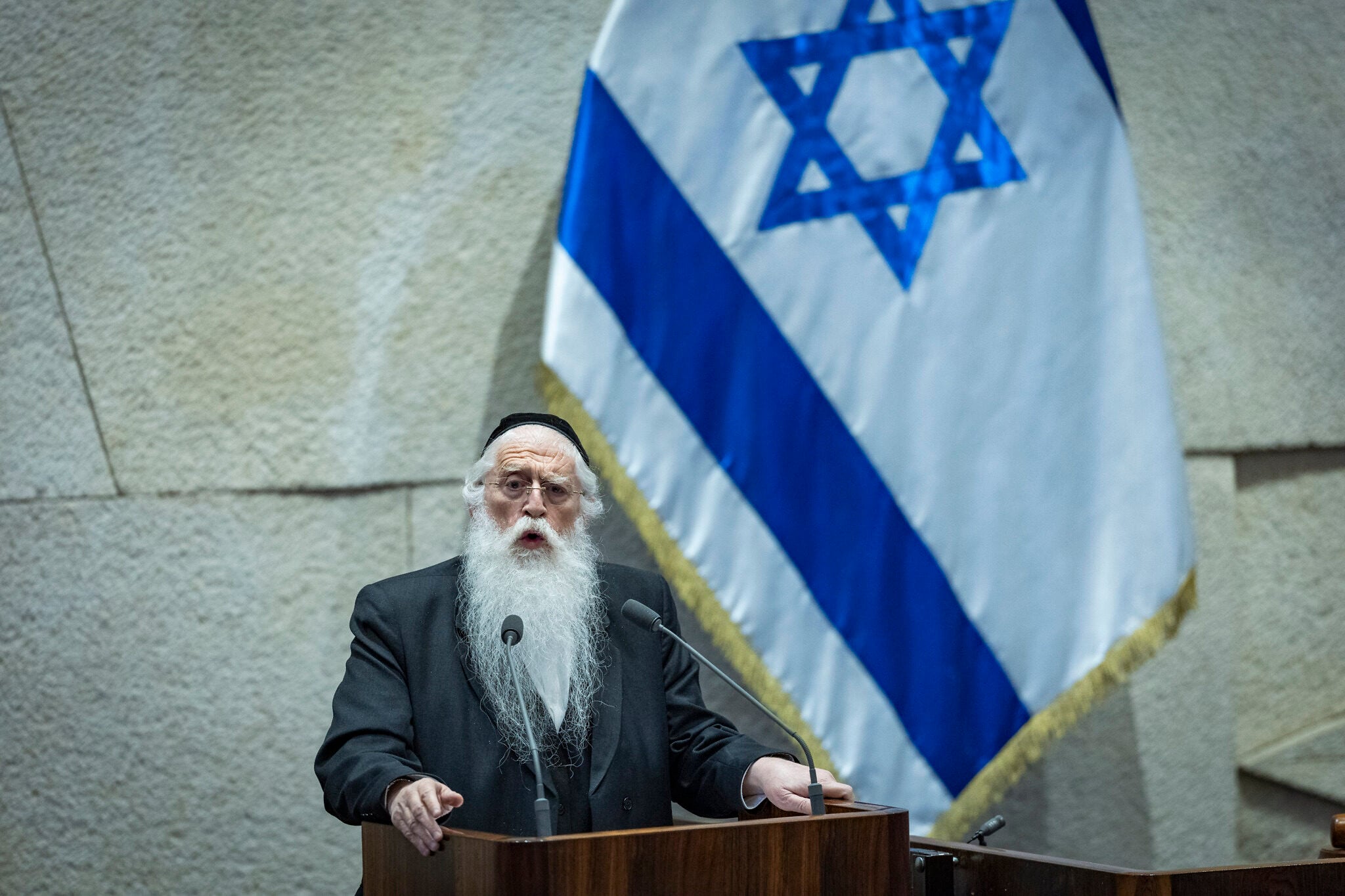
Eisenkot and his bloc partners all campaigned on ending sweeping military service exemptions for ultra-Orthodox men, though Liberman has since softened his position, indicating he would accept a framework considerably closer to the Haredi parties’ position as he rules out a coalition with Ra’am and the Joint List.
Eisenkot seeks to secure ultra-Orthodox support for a government before his mandate to form one expires. The reported proposal would represent a significant concession by Eisenkot to the Haredi parties’ demands, without requiring their leaders to accept any binding enlistment targets or limits on exemptions.
Yashar declined to comment on the reports, while UTJ head Yaakov Asher said reports of progress in negotiations “do not reflect reality” and that “no decisions have been made, and any step will be taken solely at the instruction of our revered rabbis and leading Torah sages.”
Haredi conscription was a key issue in the elections, with opposition parties vowing to pass legislation to draft the Haredim and the ultra-Orthodox parties threatening not to rejoin the coalition unless a law is passed to preserve military service exemptions.
Ultimately, the election results were inconclusive, with neither the bloc led by caretaker Netanyahu or the opposition bloc seeking to oust him having a clear path to a majority in the Knesset.