

UTJ to seek rabbis’ okay to formally open coalition talks with Eisenkot bloc
Talks said to focus on draft proposal without quotas; Eisenkot bloc reportedly weighs short-lived minority government, with repeat election if others don’t join
 Add ToI as a Preferred Source on Google
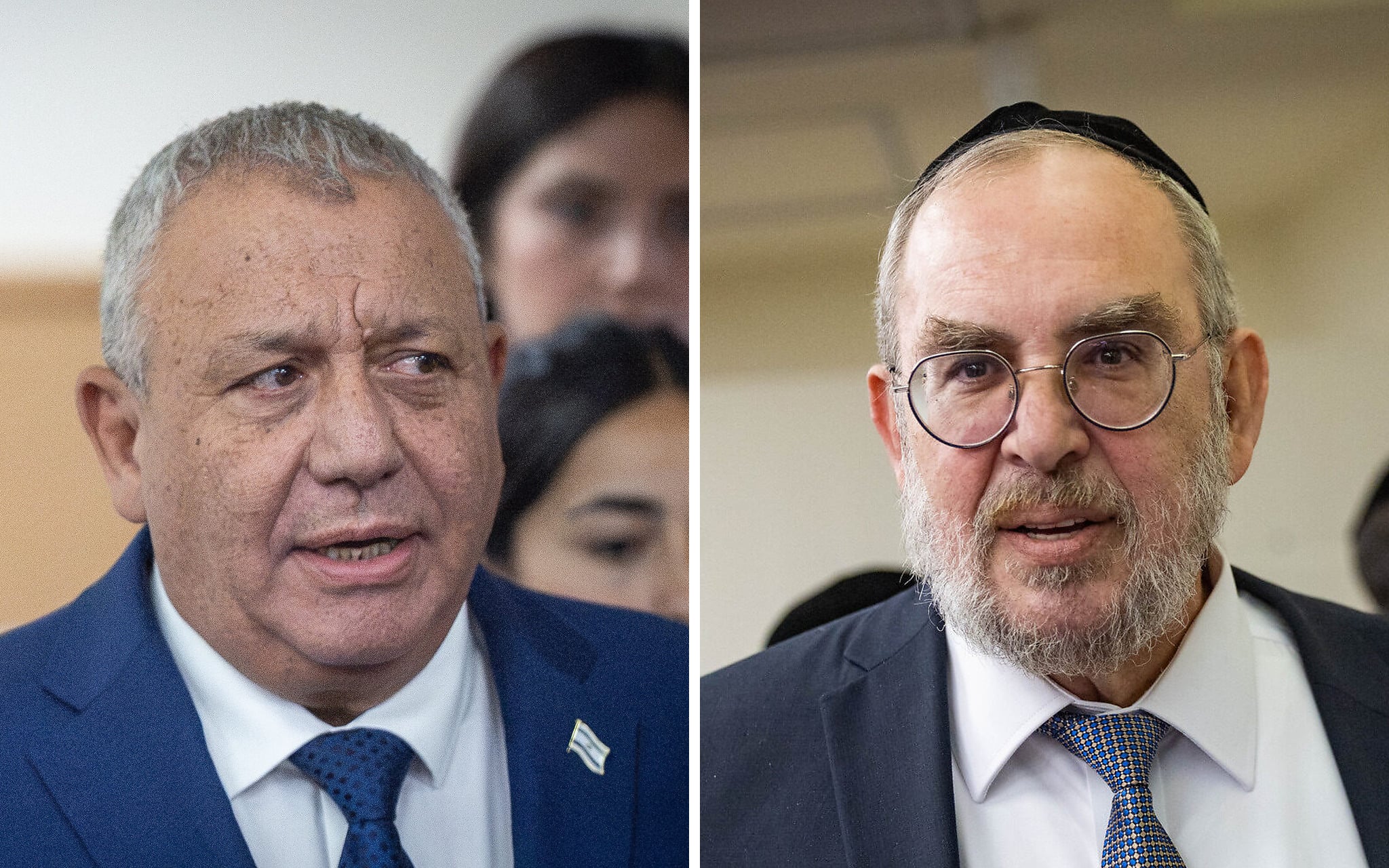
Lawmakers from the ultra-Orthodox United Torah Judaism party are seeking approval from their spiritual leaders to formally open coalition negotiations with the bloc led by Yashar chairman Gadi Eisenkot, after weeks of unofficial contacts began to yield progress, according to reports on Tuesday.
The move, reported by Channel 12 news, would bring the talks into the open, as UTJ has said its rabbinic leaders would have to approve any decision on negotiations or a potential coalition agreement.
The informal discussions are currently focused on a possible military draft framework that would abolish enlistment quotas altogether and effectively preserve blanket exemptions for ultra-Orthodox men studying in yeshivas, according to Hebrew media reports.
The Kan public broadcaster reported Tuesday that the main point of contention currently centers on the arrest of draft dodgers, with UTJ demanding the Knesset pass a law halting arrests before a government is sworn in, while Eisenkot prefers to make a cabinet decision on the matter after the government is formed.
Eisenkot and his bloc partners all campaigned on ending sweeping military service exemptions for ultra-Orthodox men, though Yisrael Beytenu leader Avigdor Liberman has since softened his position, indicating he would accept a framework considerably closer to the Haredi parties’ position. He has also ruled out alternative paths to forming a government, such as partnering with Arab-majority parties.
Eisenkot seeks to secure ultra-Orthodox support for a government before his mandate to form one expires. The reported proposal would represent a significant concession by Eisenkot to the Haredi parties’ demands, without requiring their leaders to accept any binding enlistment targets or limits on exemptions.
Under the proposed framework, ultra-Orthodox rabbis would issue a call for those not studying to enlist, while oversight mechanisms would be strengthened to prevent fraudulent yeshiva enrollment, including through biometric identification at religious seminaries, Channel 12 reported. Previous attempts to enforce such oversight have failed.
The framework would also reportedly expand military service tracks tailored to ultra-Orthodox men.
It remains unclear whether such sweeping exemptions, in the absence of binding enlistment targets, would withstand scrutiny by the High Court of Justice, which ruled in June 2024 that the government must begin to draft eligible Haredi men after their longstanding blanket exemptions expired.
The High Court also ruled unanimously in September to annul a highly contentious law passed in July that would have placed a seven-month moratorium on arrests of ultra-Orthodox draft dodgers by the IDF and police.
Yashar declined to comment on the reports, while UTJ head Yaakov Asher said reports of progress in negotiations “do not reflect reality” and that “no decisions have been made, and any step will be taken solely at the instruction of our revered rabbis and leading Torah sages.”
Tuesday’s reports came after UTJ’s spiritual leaders rejected Eisenkot’s previous proposal, which would have limited exemptions for yeshiva students to the equivalent of three percent of each annual cohort. The rabbis have insisted that any conscription law contain no quotas.
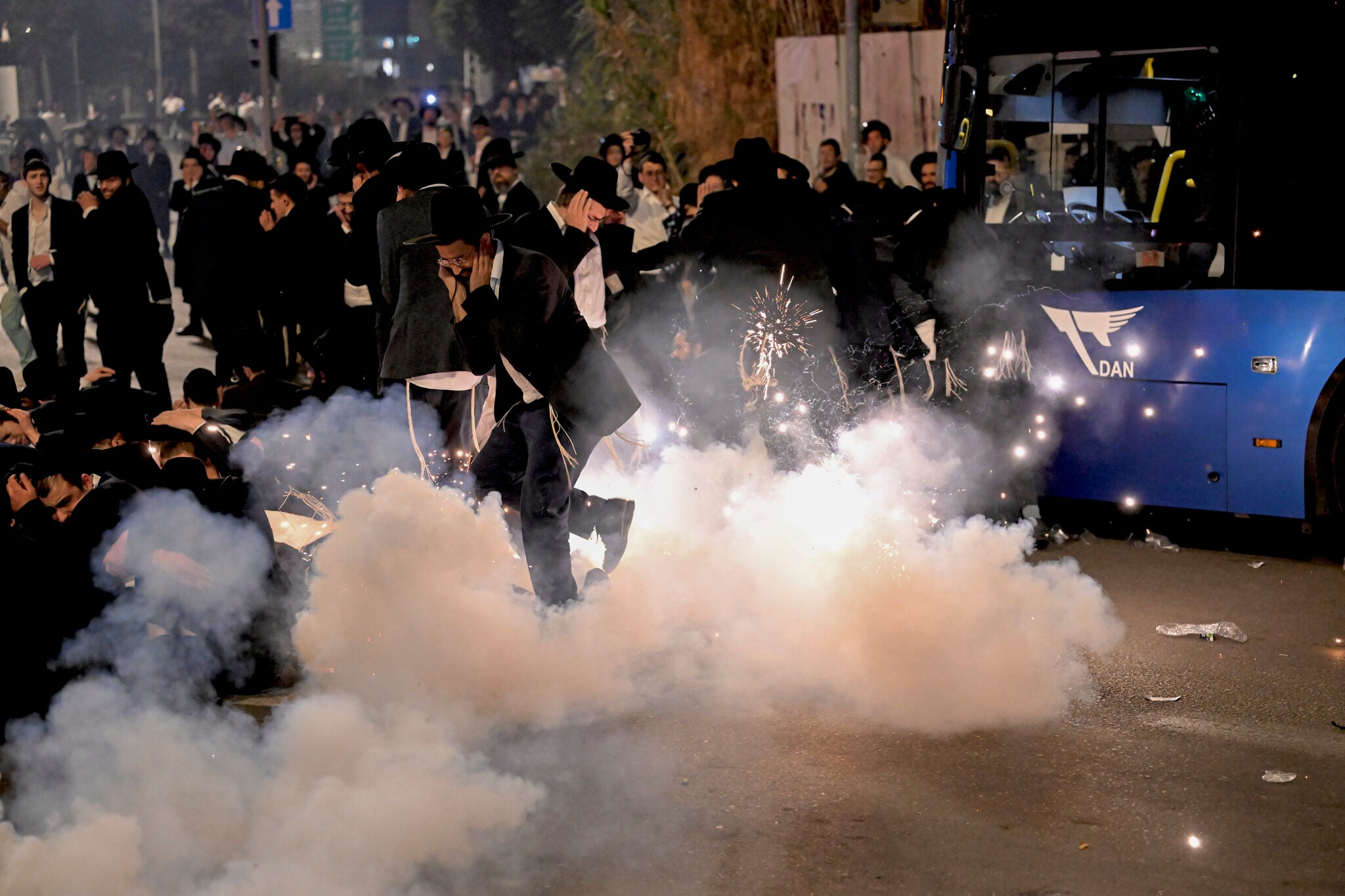
The ultra-Orthodox community has historically shunned army service, claiming that military life is at odds with their religious culture and practices. The IDF has created programs to accommodate Haredi soldiers, but many still oppose service, and the community’s leaders seek legislation to continue broad exemptions that have been granted for decades. Haredi protest rallies against the draft and the arrest of draft evaders, which sometimes turn violent, have been routinely held at various locations around the country.
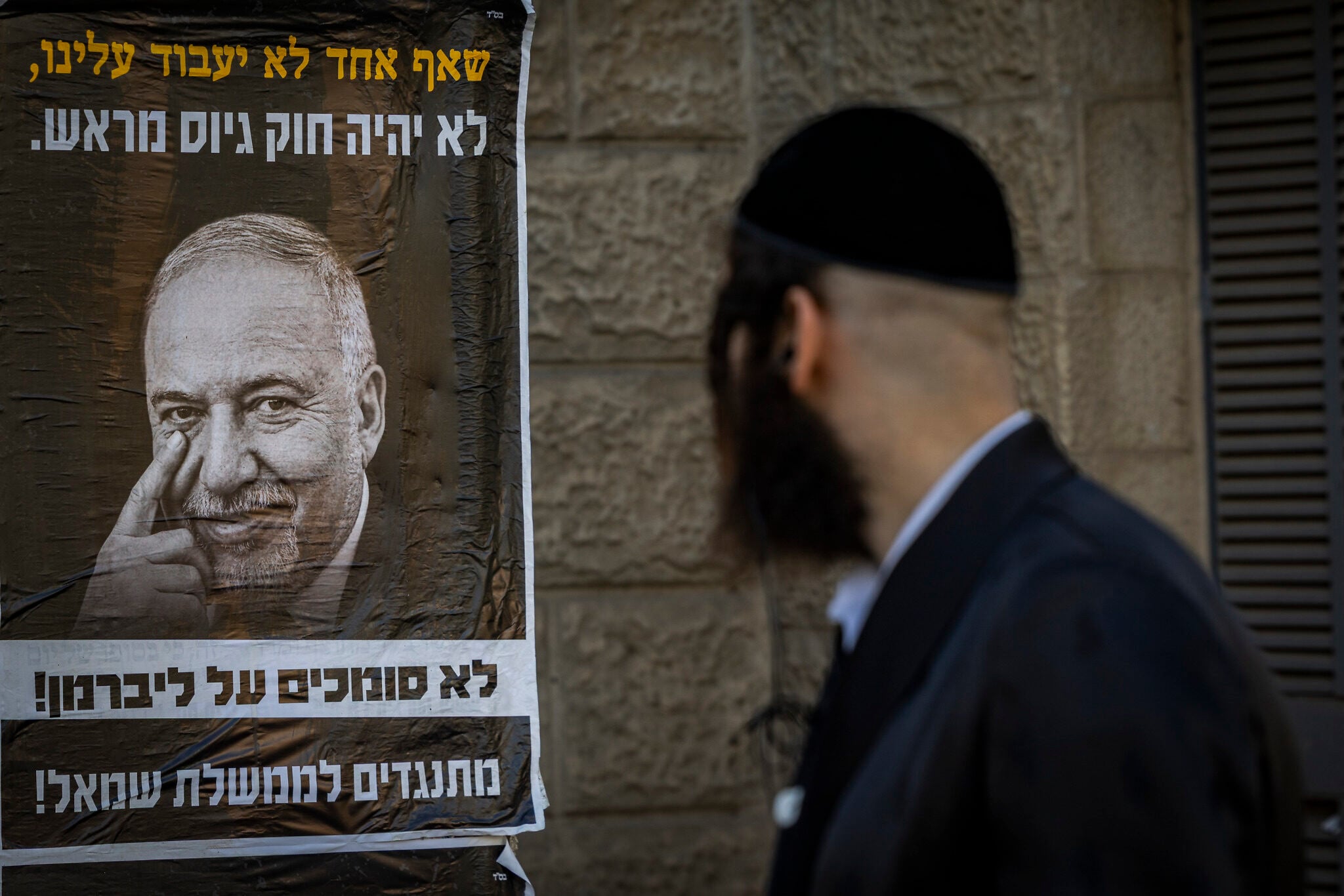
Haredi conscription was a key issue in the elections, with opposition parties vowing to pass legislation to draft the Haredim and the ultra-Orthodox parties threatening not to rejoin the coalition unless a law is passed to preserve military service exemptions.
Ultimately, the election results were inconclusive, with neither a bloc led by caretaker Prime Minister Benjamin Netanyahu nor an opposition bloc seeking to oust him having a clear path to a majority in the Knesset.
UTJ is said to be considering switching to the Eisenkot-led bloc after years of loyalty to Netanyahu, out of frustration with the prime minister, who has not passed legislation it has long demanded to enshrine military exemptions for yeshiva students.
Eisenkot bloc said to weigh short-lived government
A separate Channel 12 report Tuesday said the Eisenkot-led bloc is considering forming a short-lived minority government to replace Netanyahu.
Under the proposal discussed within the bloc, the government would include only five or six senior ministers overseeing urgent portfolios such as foreign affairs, defense, finance, national security and justice, the report said, citing political sources.
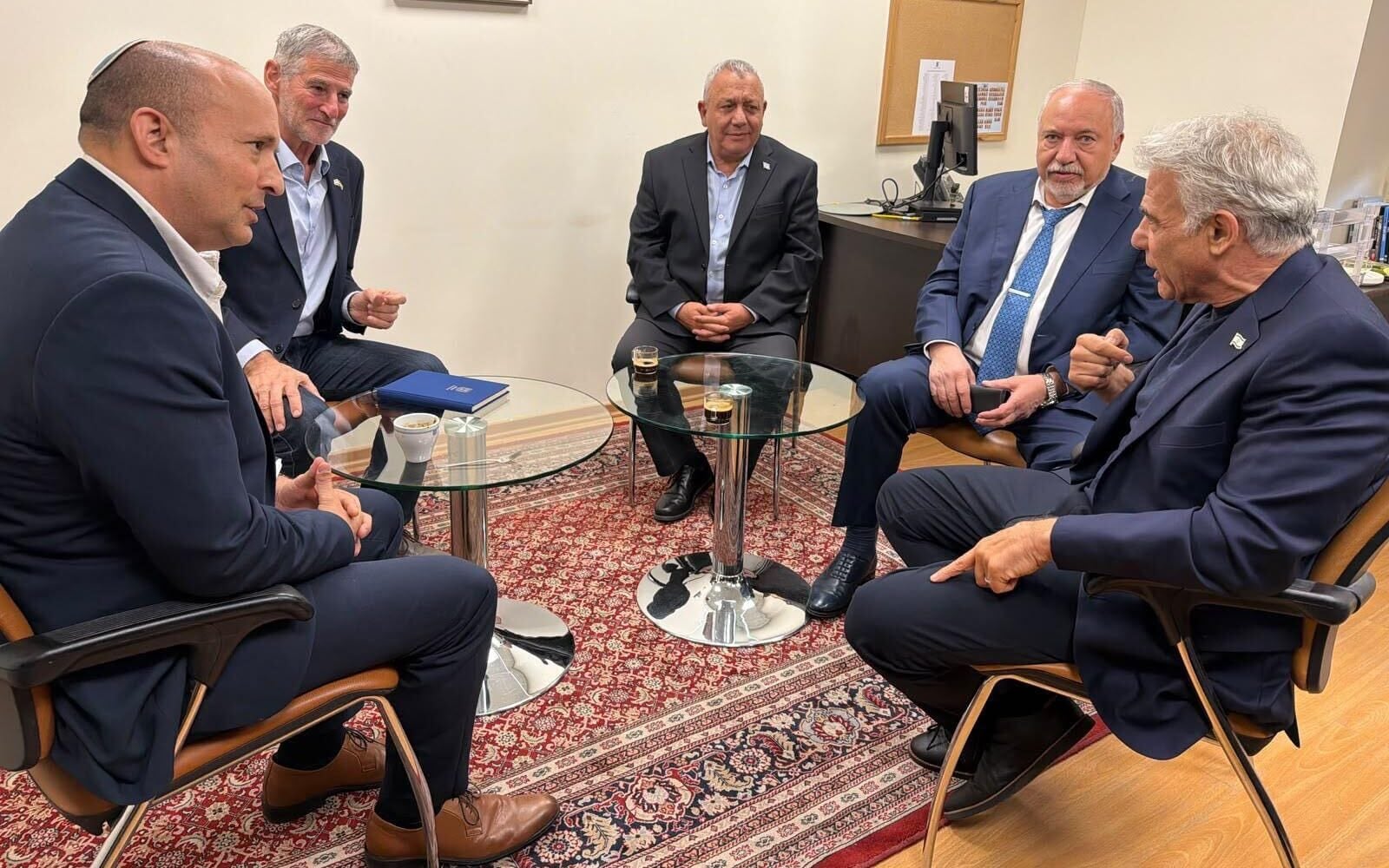
It would then quickly seek to expand its support from a position of strength. If no additional factions agree to join and form a majority government, it would dissolve the Knesset and call a fresh election.
The reported plan would allow the bloc to claim it has fulfilled its pledge to replace Netanyahu without relying permanently on outside support from the Joint List.
Senior officials within the bloc confirmed to Channel 12 that the option is being considered, but said it is one of several frameworks under discussion.
The proposal was being weighed alongside the bloc’s ongoing talks with UTJ, and separate talks with Likud, where significant gaps remain, particularly over who would lead a proposed unity government, along with the Eisenkot-led bloc’s push to repeal the judicial overhaul passed under Netanyahu.


The Times of Israel Community.