

Ministry reports 165% spike in domestic abuse cases referred for electronic monitoring
Data released by Welfare Ministry finds courts nearly doubled electronic tagging orders compared to same period last year; nonprofit says 166 women murdered in past five years
 Add ToI as a Preferred Source on Google
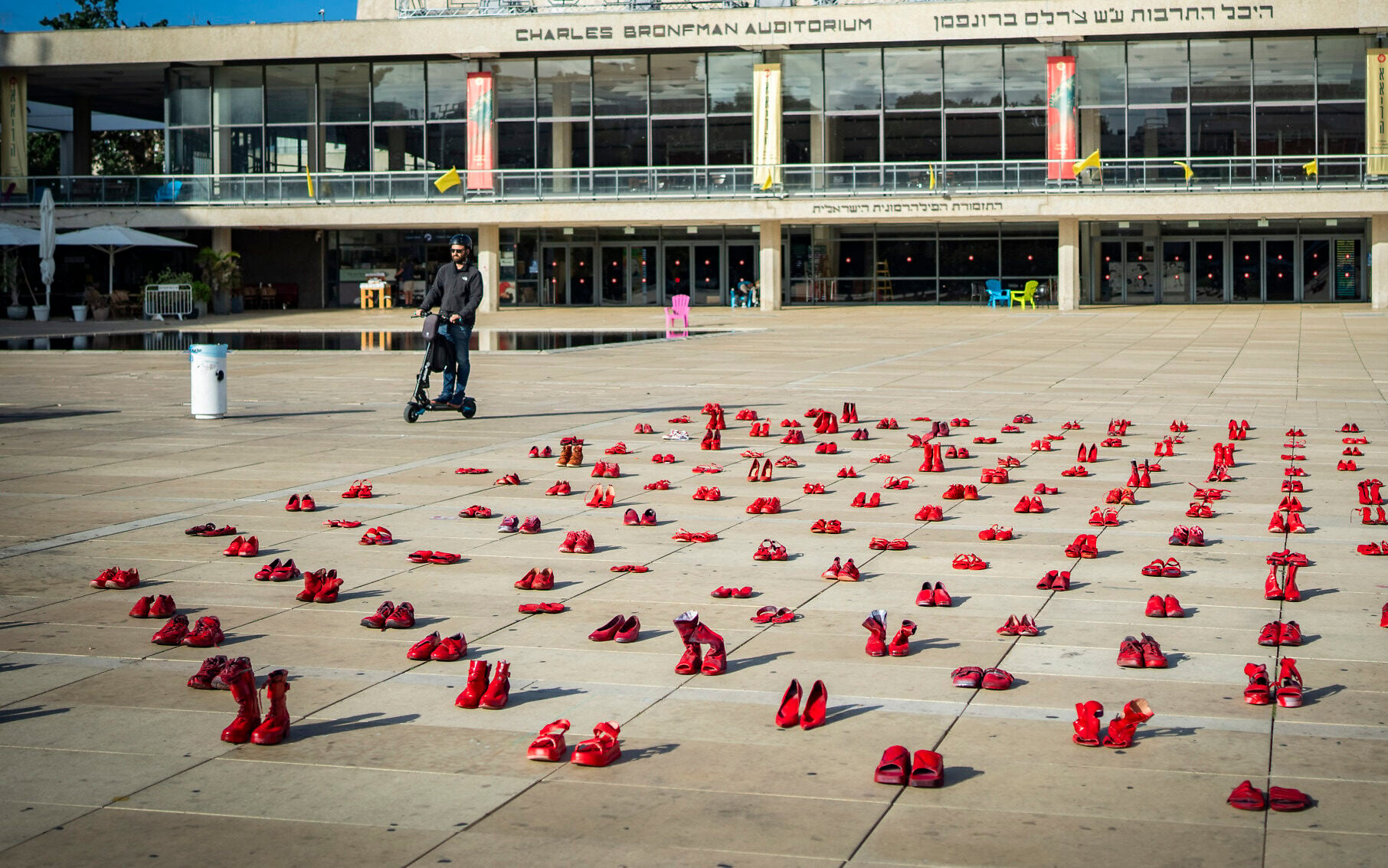
The number of domestic violence cases referred to the Welfare Ministry by courts for risk assessment and potential electronic monitoring increased by 165 percent this year through August compared to the same period last year, according to data released on Tuesday, a day ahead of International Day for the Elimination of Violence Against Women.
According to the Welfare Ministry’s data, courts have referred 183 domestic violence cases, compared to the 69 court-referred cases during the same period last year.
The ministry submitted 132 assessments to the courts by the end of August, and concluded that 109 of the cases, or nearly 83%, were high-risk, according to the figures.
In total, 101 electronic monitoring orders were handed down by courts in the time period, almost double in the same period last year, in which 55 were handed down.
Under legislation that came into effect in August 2024, authorities can use electronic ankle bracelets to monitor abusive partners once a court-mandated Welfare Ministry assessment determines the case to be high-risk.
The figures released Tuesday also showed that the ministry’s 118 hotline received 2,736 domestic violence-related calls in the first six months of 2026, up from about 2,100 over the same period last year, or a roughly 30% increase.
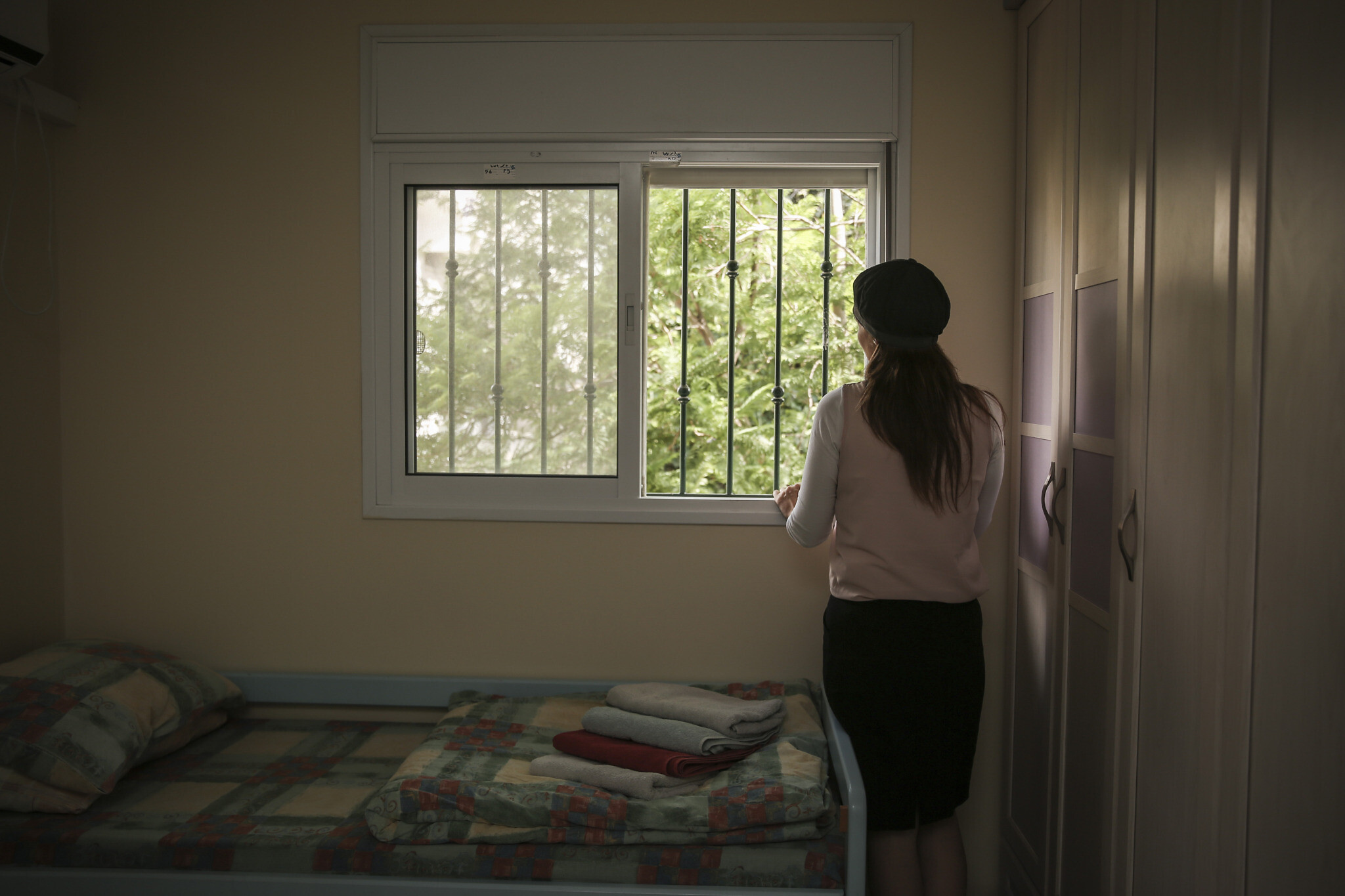
The 17 domestic violence shelters operated by the ministry received an increase of 4.5% in women seeking safety in the period, from 468 last year to 489 this year.
The ministry also shared data showing increases in calls for specific categories of domestic violence. The number of calls relating to violence against women in relationships rose 13%, from 1,132 to 1,280, while the number of calls relating to violence against men rose from 58 to 120.
The number of calls relating to domestic child abuse rose from 545 to 786, violence between siblings from 61 to 75, violence against the elderly from 65 to 81, children against parents from 58 to 103, and between other family members from 181 to 291.
In a statement on the figures, Welfare Minister Haim Katz said “every woman has the right to feel safe in her home and raise her children without fear,” adding that the ministry’s role was to ensure services could be provided for immediate protection and rehabilitation for victims of violence.
Another report on gender-based violence released Tuesday by the nonprofit Israel Women’s Network found that 166 women have been murdered in Israel in the past five years, and that 83% of those murders occurred within relationships or families.
Additionally, the report found that only 26% of the murders of Arab women have been solved, compared to 91% of murders of Jewish women.
The report also found a rise in the use of firearms in the murder of women. In the years 2022-2023, seven women were murdered with guns, compared to 18 in 2025.
“The numbers on the enforcement gaps between Jewish and Arab women and the increase in the use of firearms in the murder of women require an immediate change of direction,” Israel Women’s Network Executive Director Tal Hochman said.

Additional figures showed a decline in the gender-based murder of women, or femicide, in Israel in 2026 after a spike last year, the Israel Observatory on Femicide at the Hebrew University of Jerusalem reported.
The Observatory, directed by Prof. Shalva Weil, reported that of 30 adult women murdered in Israel this year to date, 19 were killed because they were female, including at the hands of a partner or relative and in so-called honor killings.
Last year, the worst year on record, 44 adult women were murdered, including 34 femicide victims, the report said.
Femicide excludes women killed through terrorism, accidents or negligence. The report also noted the Observatory monitors cases involving female victims aged 18 or older in keeping with international standards.
According to the Observatory’s report, 11 of the 19 femicide victims in 2026 had raised concerns with police or other institutions before they were killed, and the perpetrators in some cases were known to authorities or had criminal records.
“In many cases, authorities, including police and welfare services, appear to have fallen short of taking the measures needed to prevent the killing,” the report said.

Arab women accounted for 10 of the 19 femicide victims, or about 53% of the total, despite Arab citizens comprising about 21% of the population. That share, however, is lower than the percentage of Arabs among all homicide victims in Israel this year, which is about 83%.
Jewish and other women accounted for the other nine femicide victims this year, the group said. All the victims belonged to the same ethnic group as their killers, except for two Jewish-born women who had converted to Islam, Weil told The Times of Israel.
The Observatory’s report also said it found no correlation between the distribution of legal firearms and femicide, despite arguments by some activists that National Security Minister Itamar Ben Gvir’s relaxing of gun laws would lead to a rise in femicides.










The Times of Israel Community.