

Two Syrian Druze girls secretly treated in Israeli hospitals
Israeli nonprofits coordinate with IDF for a 20-month-old toddler to receive care at Wolfson Medical Center and a 13-year-old to undergo surgery at Ziv Medical Center
 Add ToI as a Preferred Source on Google
Reporter at The Times of Israel
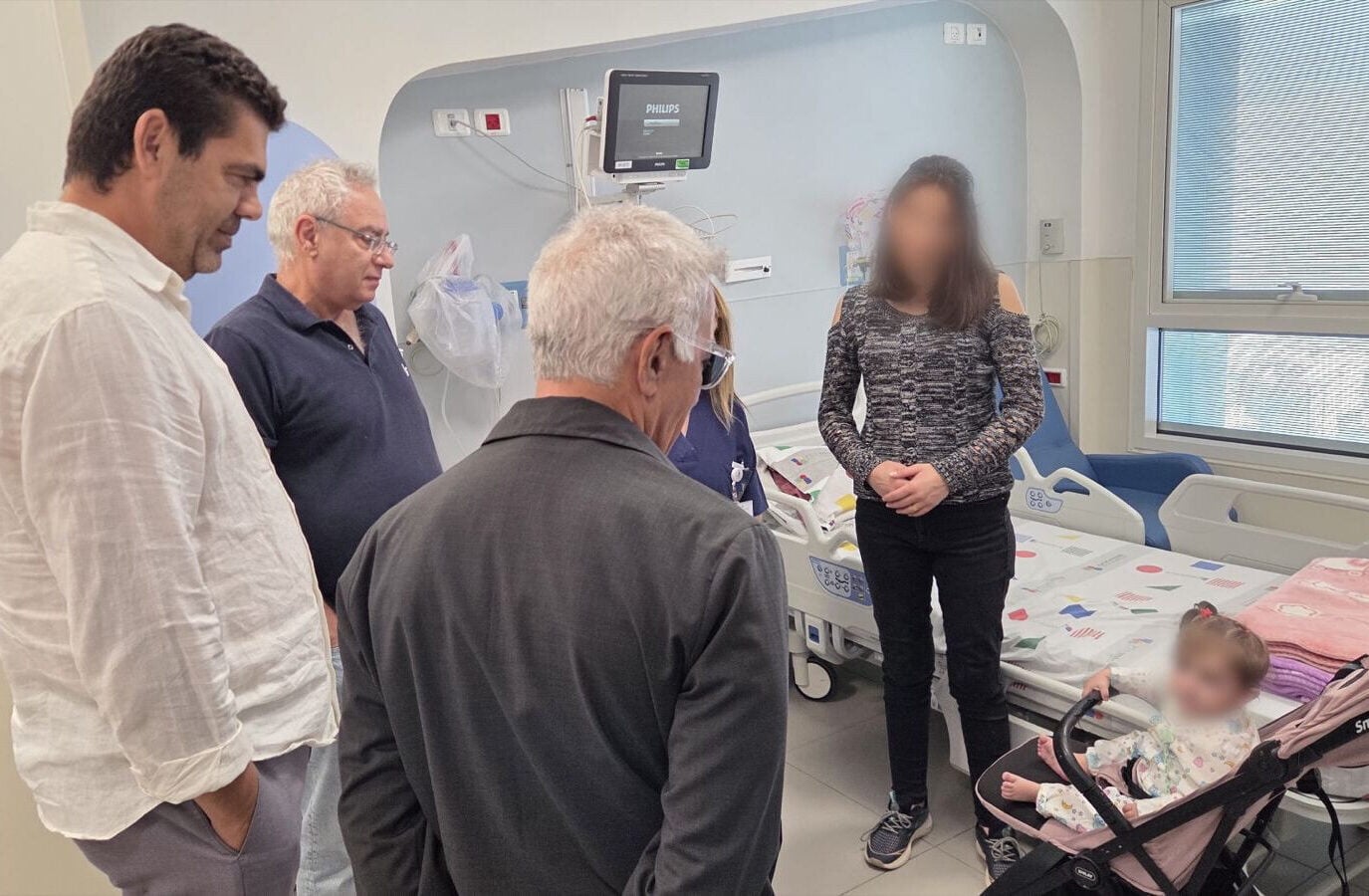
Two Syrian Druze girls were secretly brought to Israel for life-saving medical treatment over the past month, the latest in a series of cross-border humanitarian operations assisting children who lack access to specialized care.
Despite the lack of formal ties between Israel and Syria, the separate events highlight covert cross-border coordination as Israeli nonprofits Save a Child’s Heart and Israeli Flying Aid worked alongside the Israel Defense Forces to navigate active security zones and bring the patients to Israeli hospitals.
The journey for 20-month-old Heba began after a Syrian doctor contacted Israeli Flying Aid with an urgent appeal, the group’s spokesperson told The Times of Israel.
Heba’s mother, Carmela, carried the toddler in her arms, taking “nothing except two plastic shopping bags,” the spokesperson said. “She risked everything passing through five dangerous military checkpoints manned by forces loyal to Syrian President Ahmed al-Sharaa, to save her daughter.”
Once at the border, a United Hatzalah ambulance brought Carmela and Heba to Wolfson Medical Center’s children’s hospital in the central city of Holon, where Heba underwent a cardiac catheterization procedure.
Nine months earlier, Carmela had made the same journey to Wolfson following Heba’s diagnosis of coarctation of the aorta (COA), a narrowing of the main artery carrying blood from the heart to the body.
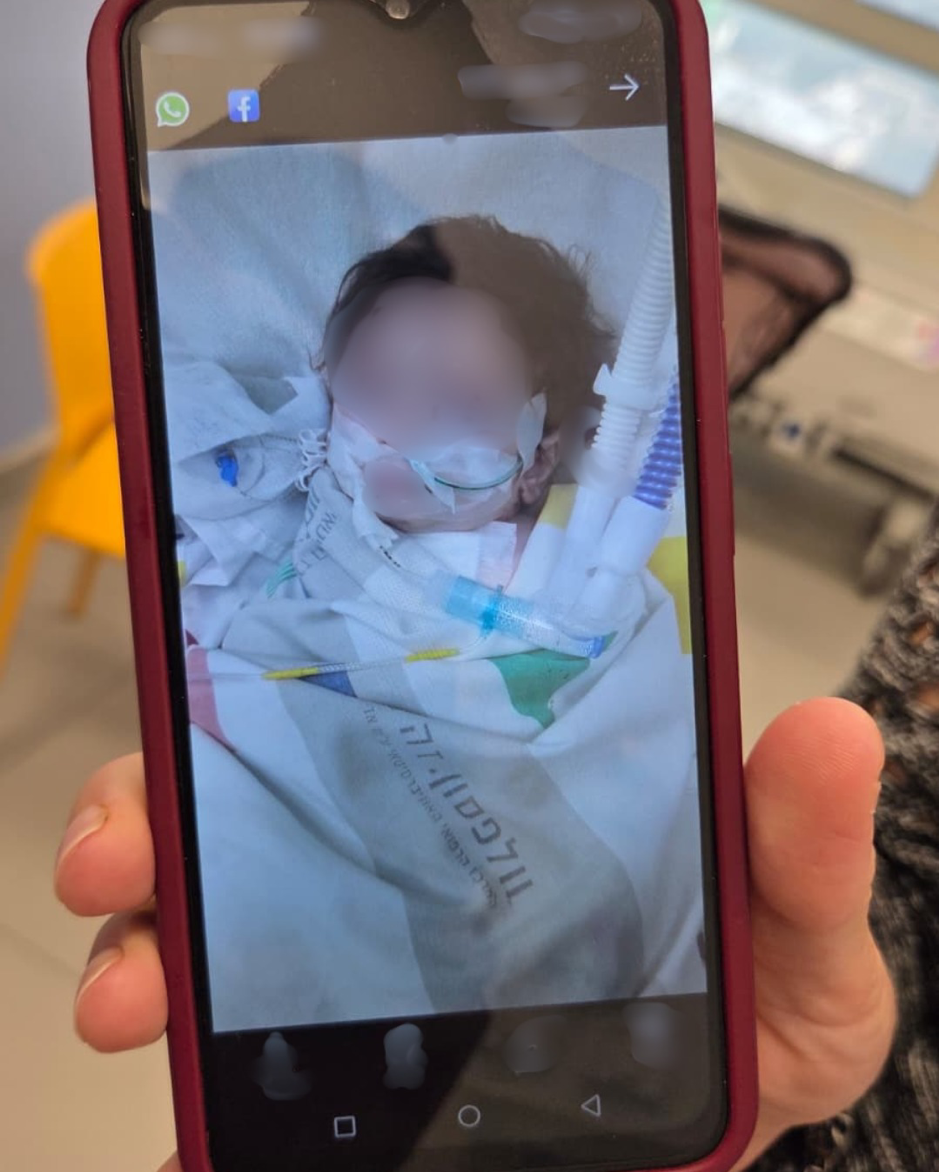
Save a Child’s Heart surgeons performed her heart surgery, and the most recent cardiac catheterization is part of her ongoing care.
“Providing life-saving treatment is only the first step,” Dr. Alona Raucher Sternfeld, pediatric cardiology director at the children’s hospital, said in a statement.
“Following up with our patients is equally important to monitor her progress, ensure her continued recovery, and give her the best possible chance for a healthy future,” said Sternfeld.
Heba, now back in Syria, needs to take medication three times a day.
Israeli Flying Aid continues to coordinate the medicine’s delivery every six weeks through a highly confidential operation, with the IDF also participating in the transfer.
‘It’s a privilege for us to take care of this girl’
In a separate case, a 13-year-old Druze girl known as Siham from the Sweida region of southern Syria was brought to Ziv Medical Center in Safed for orthopedic surgery on her leg.
Siham, who was born with a congenital hip condition that went undiagnosed until she was 18 months old, underwent six unsuccessful operations in Syria. Her mother, identified by the pseudonym Sanaa, told the Ynet news site that the most recent surgery worsened her condition by making one leg shorter than the other, leaving her unable to walk.
Dr. Noam Reshef, director of the Orthopedics Department at Ziv, told The Times of Israel that he performed Siham’s surgery with a medical team led by Dr. Oti Rudich, head of the Pediatric Orthopedics Unit, and Dr. Alexander Chelnokov, the department’s trauma specialist.
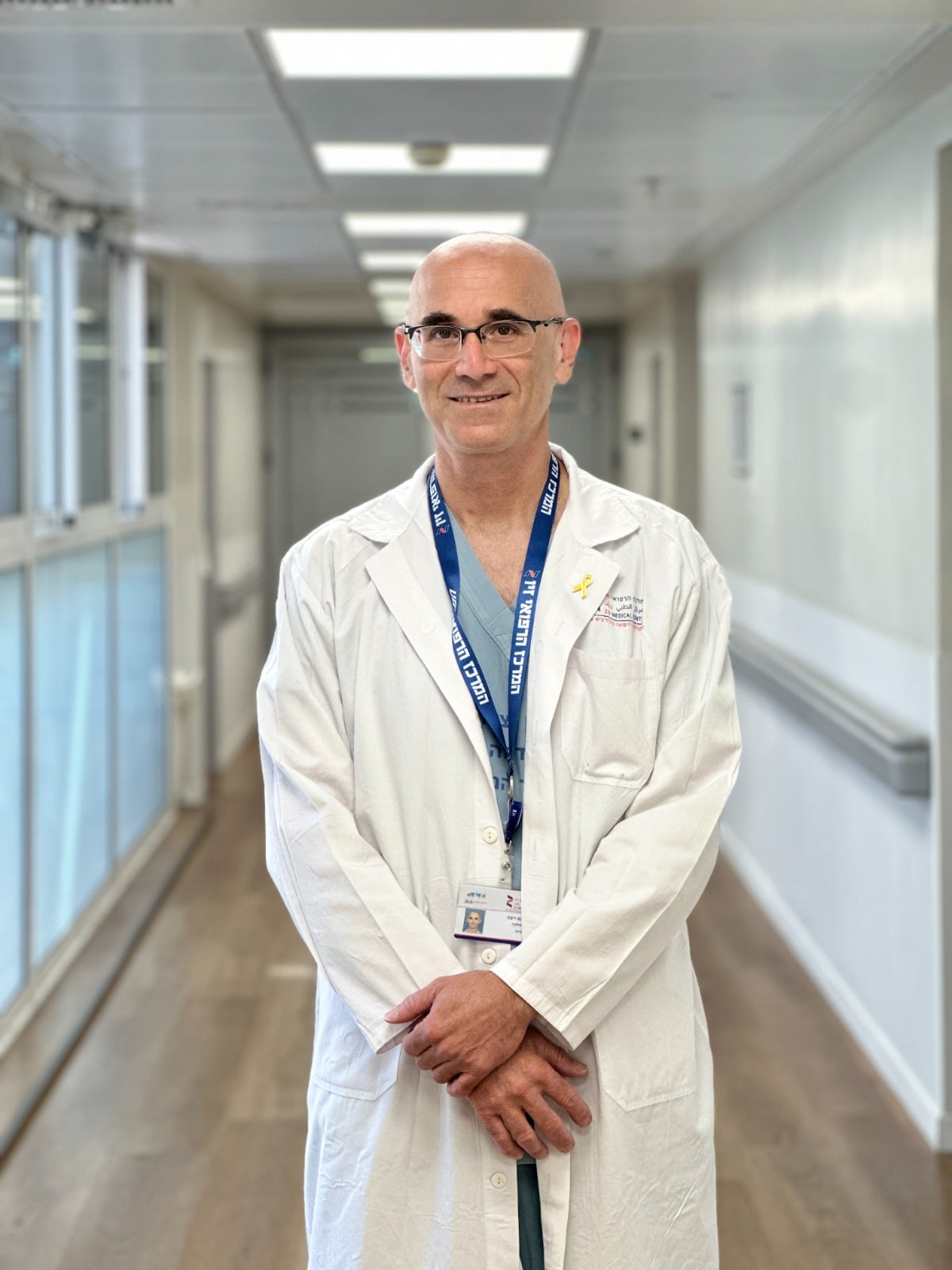
“Siham had a devastating injury,” he said. “A previous surgery in Syria had attached a metal plate to stabilize Siham’s broken thighbone, but the bone failed to heal properly.”
Reshef said the medical team removed the old plate, realigned the bone, and inserted a specialized internal rod built for children.
The rod allowed her to bear weight immediately, Reshef said. “She returned to walking a few days after surgery, and the results look promising.”
Reshef said that Siham has since returned to Syria.
He noted that the Israeli health system has been treating foreign populations for decades, including Palestinians and Arabs from all over the world.
“This is important because we can and must take care of people who are sick, especially children,” Reshef said. “It was a privilege for us to take care of this girl.”







The Times of Israel Community.