

Desert town’s mayor threatens KKL-JNF with High Court petition over park funds
Likud’s Nili Aharon claims funding stoppage political, discriminatory; organization says Aharon refuses to discuss, renew 5 year contract that ran out in July
 Add ToI as a Preferred Source on Google
Sue Surkes is The Times of Israel's environment reporter
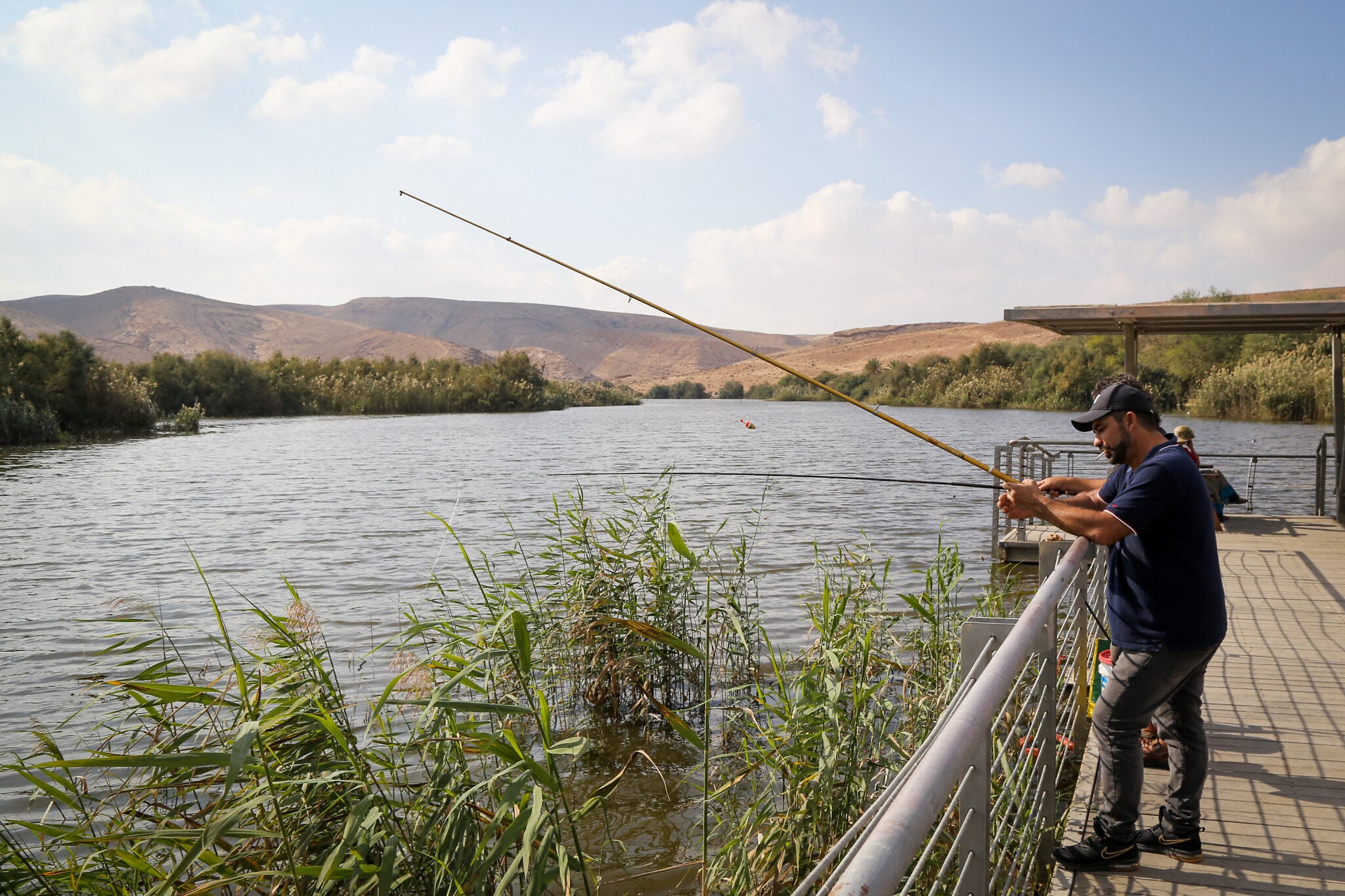
The mayor of a tiny desert town has declared war on the chairman of the KKL-JNF Jewish National Fund over funding for a park built around a large manmade lake.
Nili Aharon, mayor of Yeruham, claims that the KKL-JNF “unilaterally” and “without prior notice and for extraneous reasons” stopped contributing funds for the park’s maintenance.
KKL-JNF rejects this, saying a five-year contract it signed with the Yeruham council on July 7, 2021, has run out, and that all its efforts to meet with Aharon to discuss renewing it have been rebuffed.
Claiming that the budget cuts have led to staff cuts, cancellation of pruning for visitor safety, and difficulties managing a fish die-off in the lake (requested testimony was not provided), Aharon was now threatening to take the issue to the High Court, claiming that KKL is discriminating between authorities for political reasons.
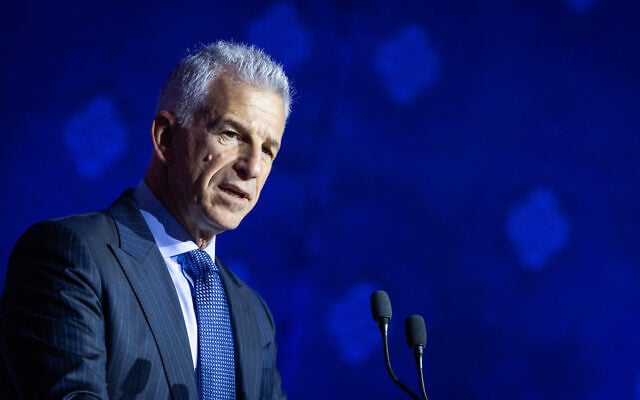
KKL chairman Eyal Ostrinsky has a history in the Labor Party. Aharon, a former legal adviser to Justice Minister Yariv Levin, who led the outgoing government’s controversial judicial reform, is from Likud.
In July, Aharon narrowly escaped arrest for disturbing the peace when she arrived with a megaphone at the Omer local council, near the southern city of Beersheba, to protest while Ostrinsky was visiting.
On November 19, she posted a video of herself outside the Supreme Court in Jerusalem, saying she had begun the legal process toward filing a petition against KKL-JNF. She claimed she was fighting for “transparency, oversight and control, for an equitable and just distribution of public resources, and for preserving Zionist values and the legacy of the state’s founders.” KKL-JNF, she said, was “founded for the people, not for whoever heads it.”
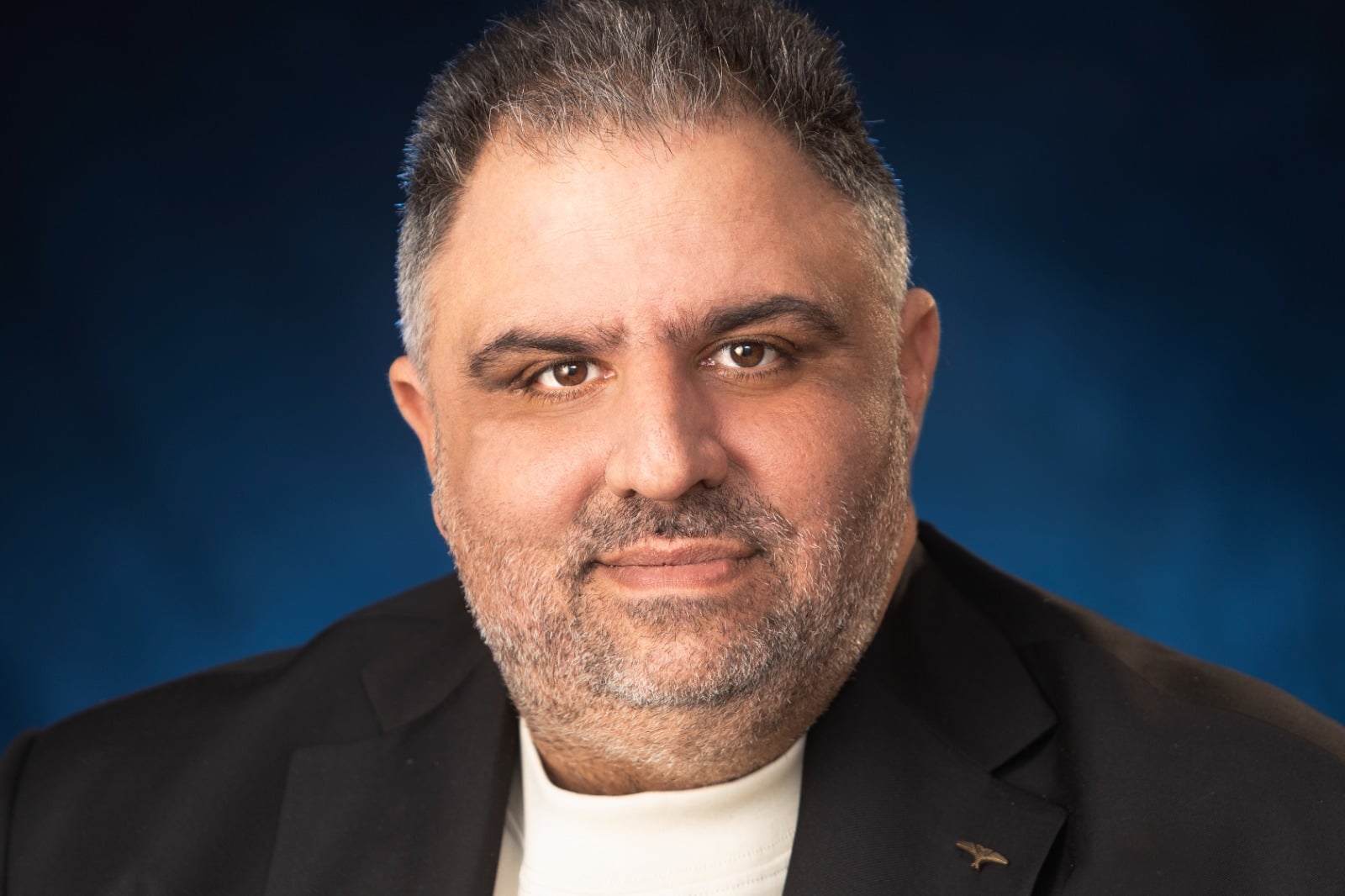
Ostrinsky, who posted a long response (in Hebrew) on Facebook Sunday, told The Times of Israel that he and his office had made every effort to arrange meetings with Aharon to no avail. He said she had insisted a meeting would take place only after the contract was renewed.
“Renewing operation without an agreement is something we cannot do legally because KKL-JNF is an orderly body that operates according to public rules, and funds cannot be transferred to places without formal agreements,” Ostrinksy explained.
He added, “It’s a kind of behavior we haven’t experienced with anyone.”
Aharon, who did not respond to requests for comment, canceled one meeting, according to Ostrinsky, and arrived 50 minutes late to another, which Ostrinsky had to leave because of an important medical checkup for his daughter.
Ostrinsky challenged Aharon’s claim that he was personally blocking budgets for the park because she was from Likud, citing KKL funding for projects and cultural events in multiple Likud-led authorities.
The previous contract shows KKL-JNF committing to transfer NIS 1.1 million ($333,000) annually for the park—half for forestry, cleaning, maintenance, insurance, and irrigation; NIS 200,000 ($60,000) for birding activities; and NIS 400,000 ($120,000) to employ maintenance staff. Ostrinsky said KKL-JNF paid an additional NIS 300,000 ($90,000) for maintenance in 2025 following a council request.
The local council pledged to invest NIS 300,000 per year but had provided only half, Ostrinsky pointed out.
A local drainage company gave an additional NIS 300,000 annually.
Ostrinsky added that the town council had approved naming the park in memory of Israel’s fifth President, Yitzhak Navon. Despite this, he said, Aharon took down the sign with Navon’s name and told Navon’s son that the naming had not been properly approved.
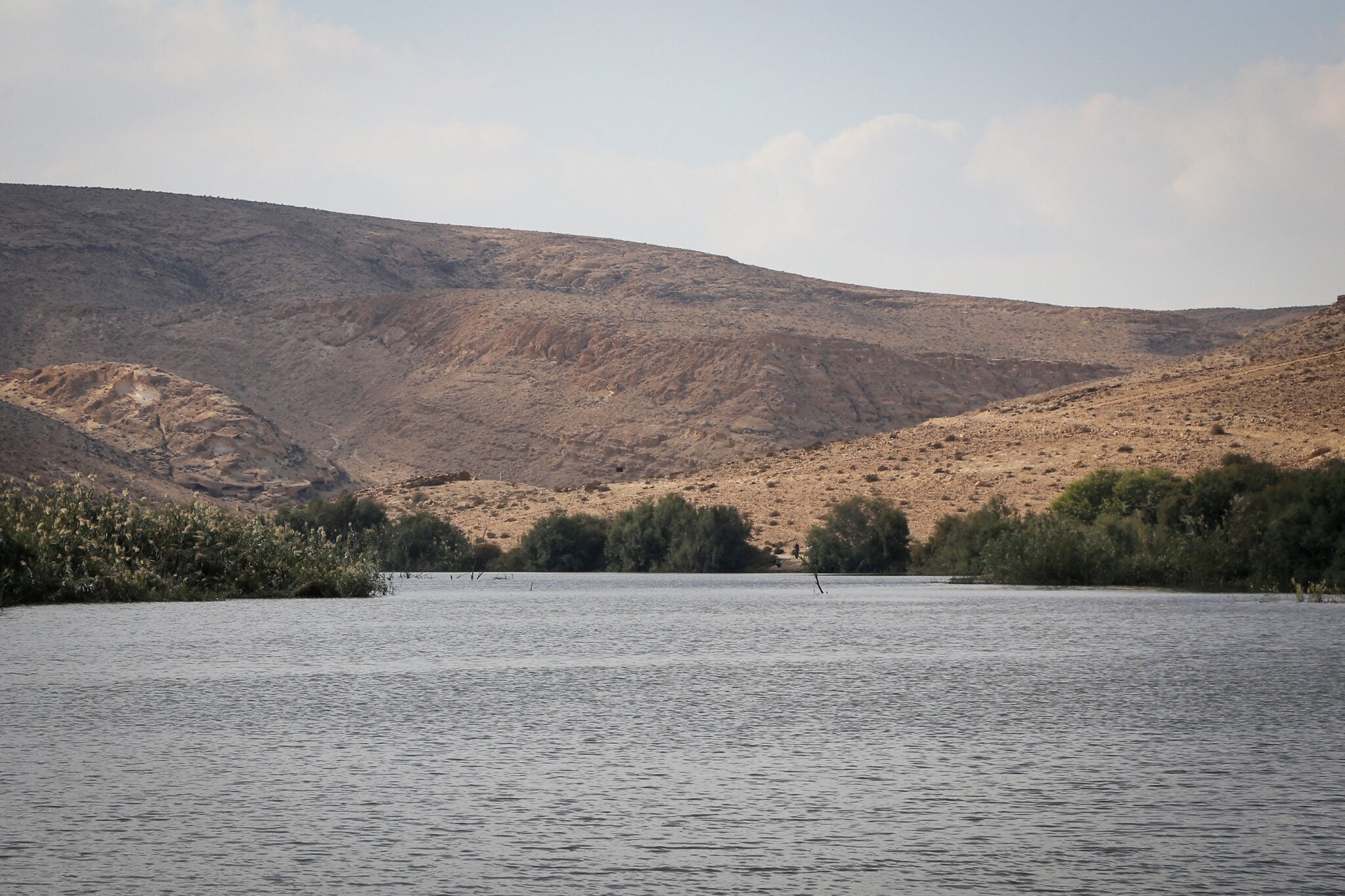
The lake sits in a 3,000 dunam (740-acre) park just west of Yeruham.
In the 1950s, KKL-JNF planted trees at the site, later adding large lawns and a playground. The lake was created in the late 1950s to boost agriculture and tourism by building a dam to retain winter rains flowing down the Revivim stream. The park was rehabilitated in the early 1990s. Today, the council says it draws about 150,000 visitors a year.






The Times of Israel Community.