

Squeezed by IDF security barrier, a Jordan Valley hamlet turns into a ghost town
Once home to some 200 people, today the Bedouin community of Ras al-Ahmar contains only a handful of men after IDF cut off access as part of contentious trenchworks meant to stop smuggling and terror
 Add ToI as a Preferred Source on Google
Nurit Yohanan is The Times of Israel's Palestinian and Arab world correspondent
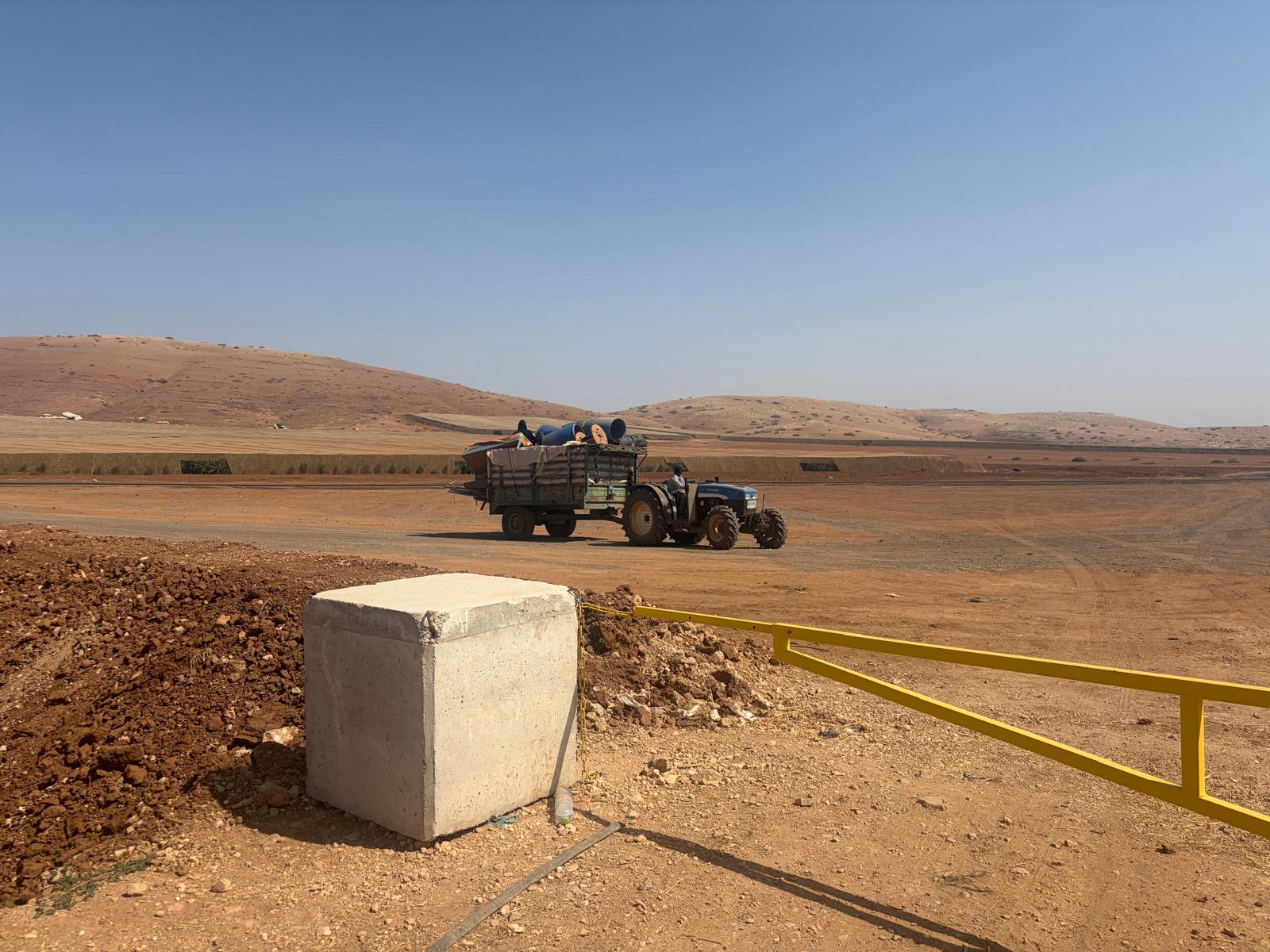
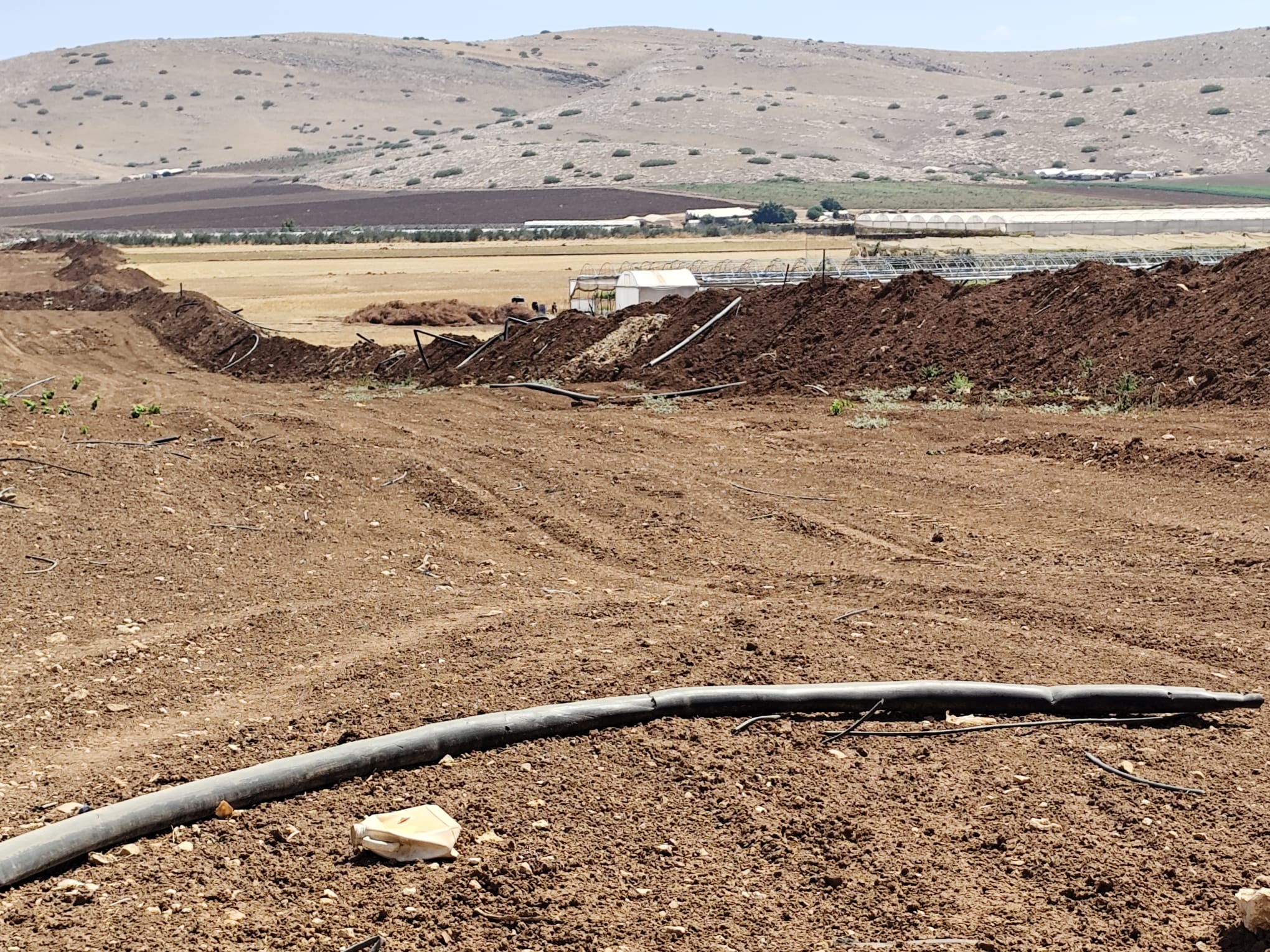
An earthen barrier being built by Israel to stop smugglers and terrorists entering the West Bank from Jordan has resulted in the mass exodus of dozens of families from a Palestinian village cut off by the works, where residents say life has become untenable.
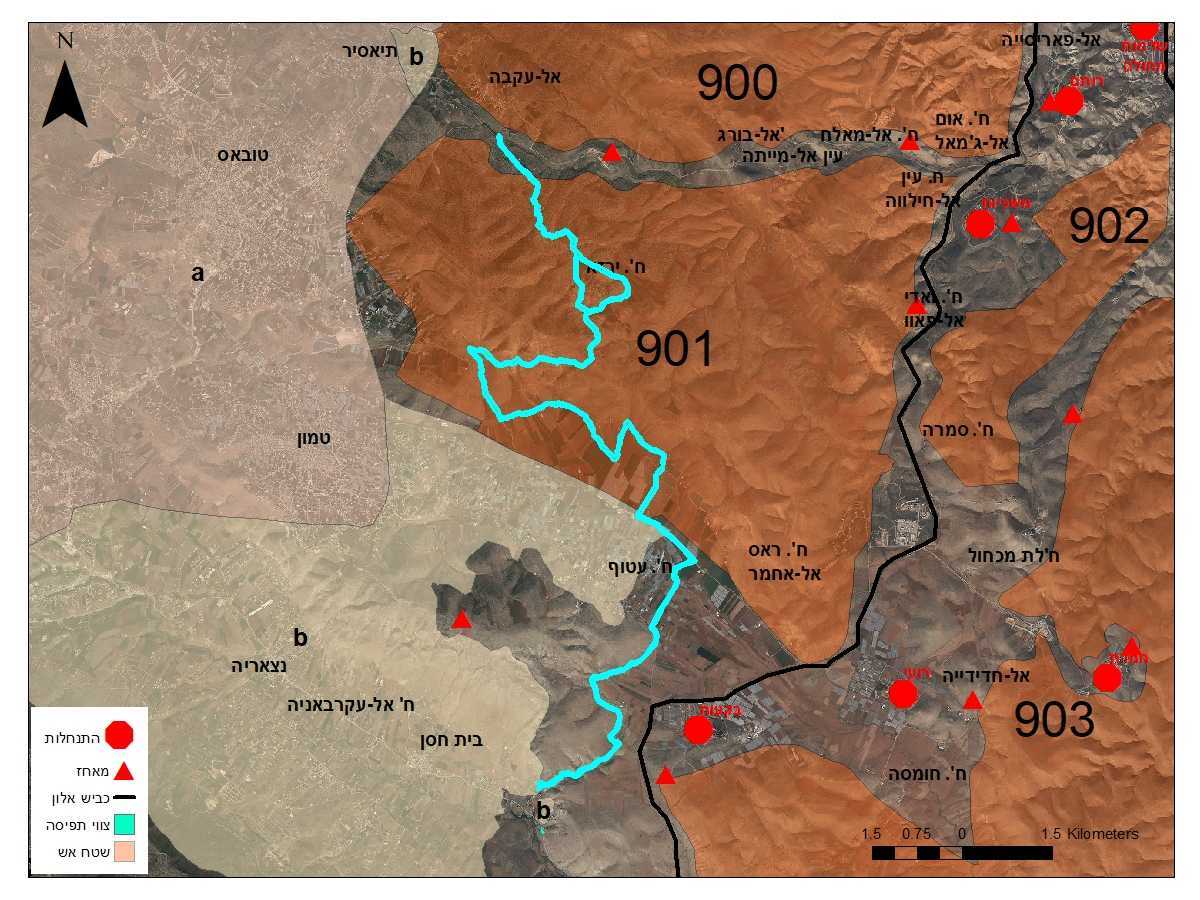
Only 25 families remain in Ras al-Ahmar, a community east of Tubas in the northern West Bank, according to Jordan Valley Activists, a group of Israelis who assist Palestinian communities in the area.
Until recently, the community had consisted of some 60 families, equaling some 200 residents, according to activists and current and former residents.
Even in the homes that are still occupied, only the men have stayed, while all the young women and children have left the community, according to one local.
Among those who have left in the last three months is Jamil Suleiman, who said his family had lived in the area Bedouin village for some 70 years before he decamped for Atuf, a larger Palestinian town nearby.
“In early March, they began building a trench and a [limited-access] security road. Since the beginning of September, they have closed all the roads. It became impossible to bring in a car, or even a donkey. Children couldn’t go to school, and we couldn’t bring in fodder for our livestock,” Suleiman told a Palestinian television channel.
The Israel Defense Forces, which started building the barrier in July, says the project is intended to prevent weapons smuggling and terror attacks by creating a defensive line between the northern Jordan Valley, on the territory’s eastern frontier, and the West Bank’s interior to the west. According to the Israel Defense Forces, it is meant to include a paved patrol road, a “natural barrier” alongside it, and trenches and earth embankments where necessary.
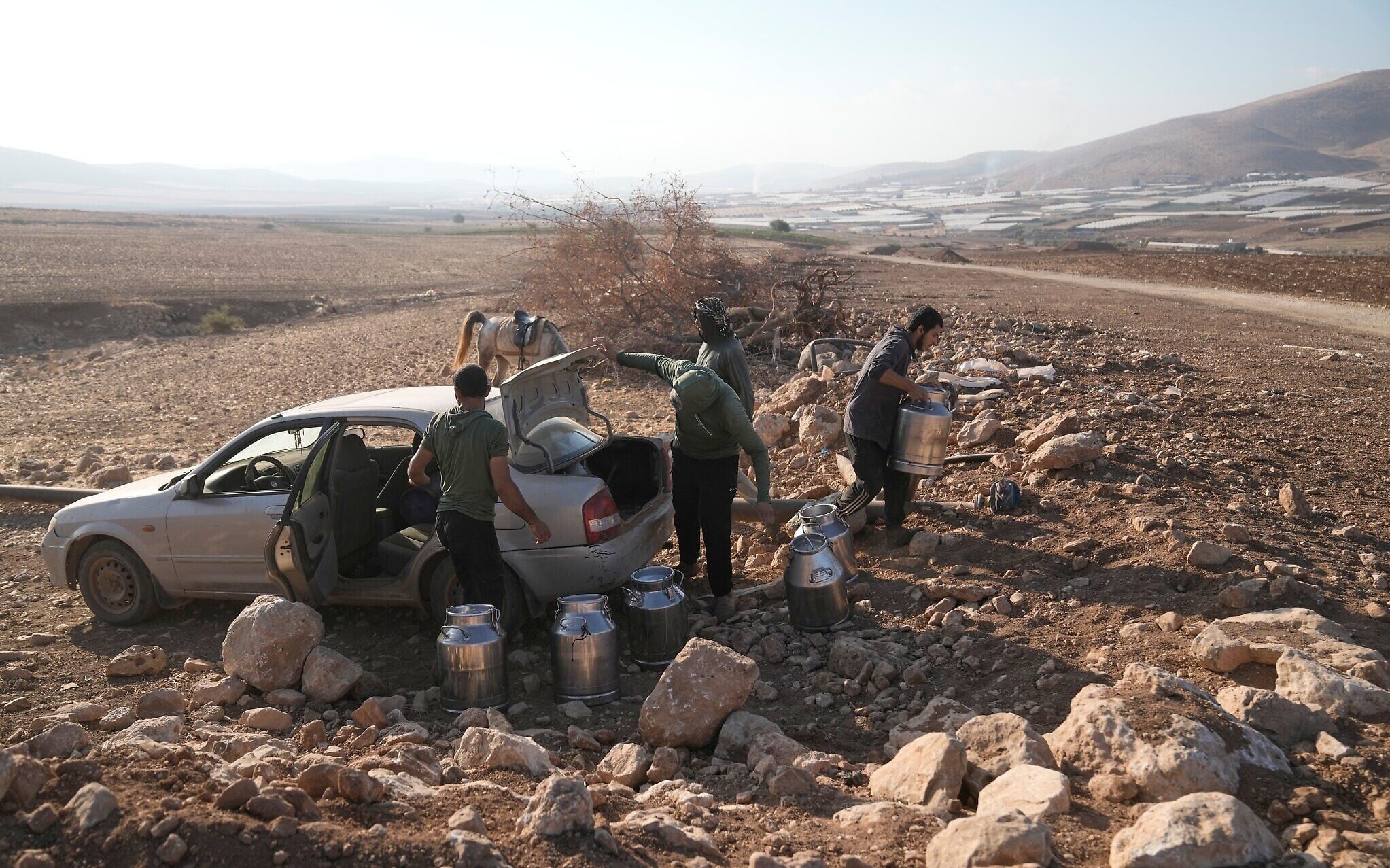
To construct the obstacle, the army has issued seizure orders covering 1,160 dunams (287 acres) of privately owned land in the northern Jordan Valley.
When challenged over the barrier, the state told the High Court that “no harm to the fabric of life in the area is expected as a result of the seizure orders.”
The army also said it would take steps to minimize harm to area residents, promising controlled access to lands and neighboring communities across the barrier.
In reality, however, Palestinians say the berm has created significant hardships, with their ability to cross the barrier or bring in critical needs like water by truck severely limited by Israeli authorities, leaving them little choice but to find new homes.
Security barrier cuts off community
The residents of Ras al-Ahmar own their land and it is formally registered in their names — a rarity in the West Bank, where Israel never completed the process of formally recognizing ownership claims after capturing the territory in 1967.
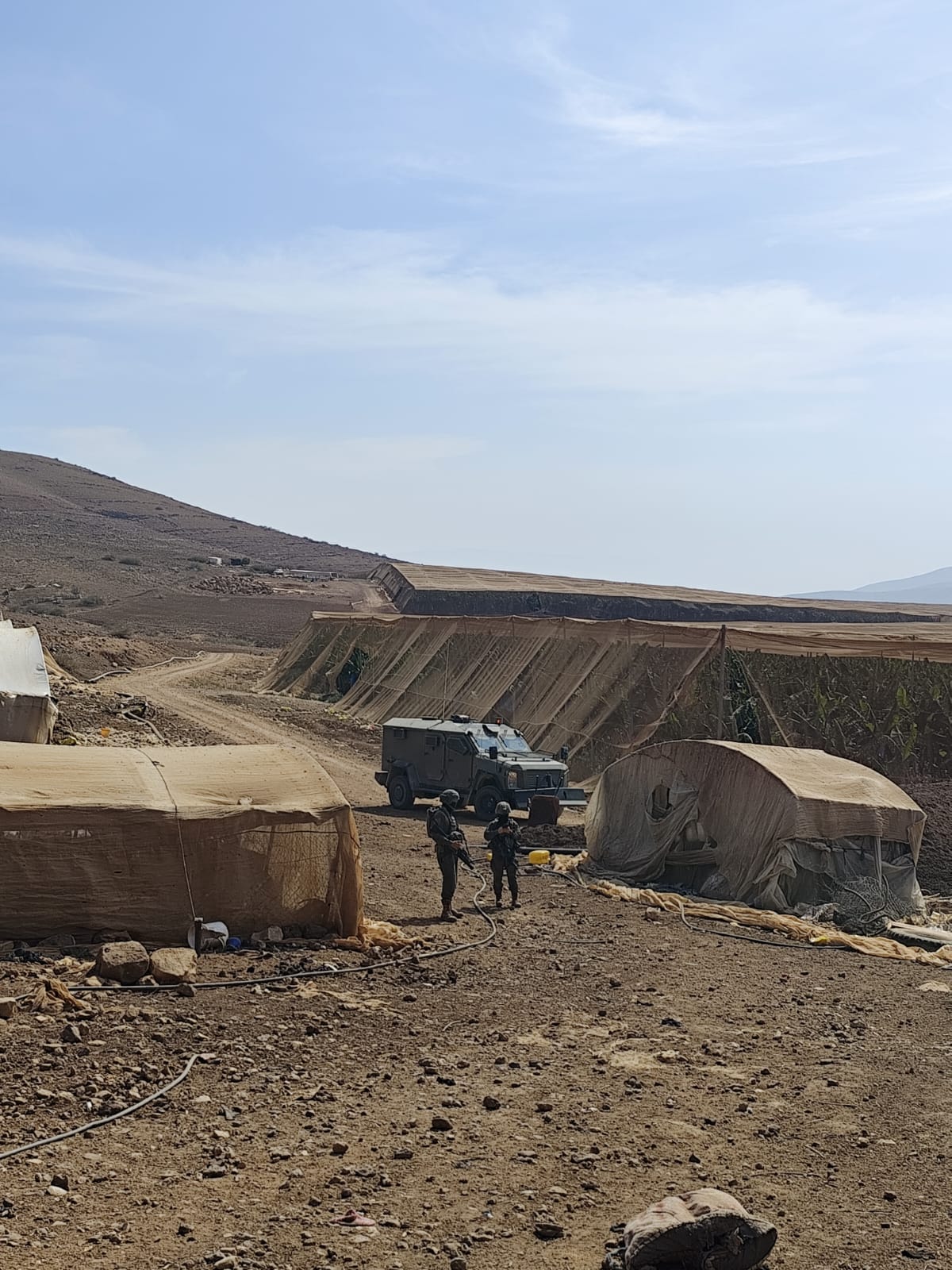
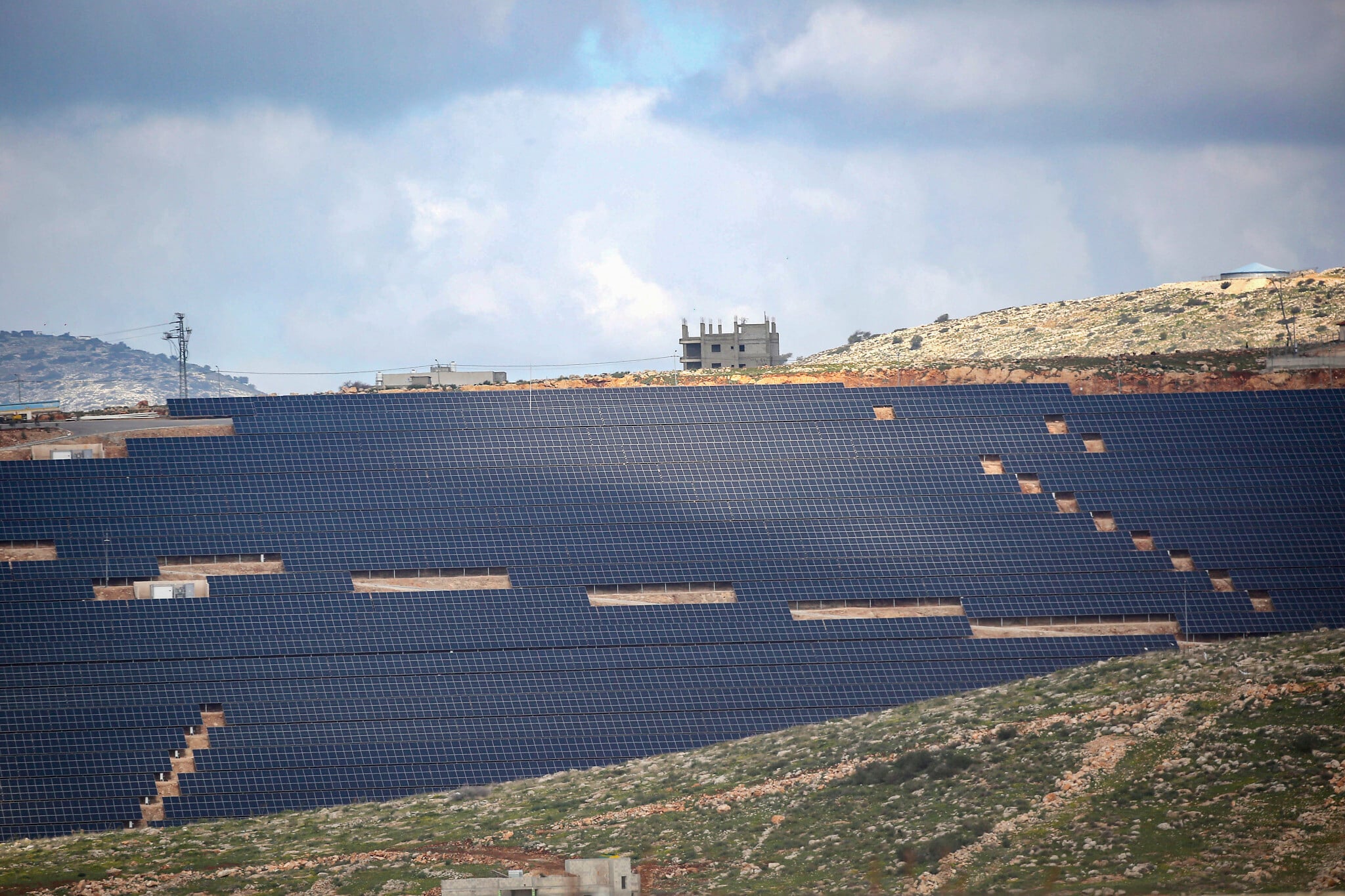
Residents make their living from agriculture, including greenhouse farming, and livestock herding. Water for irrigation comes through pipes connected to nearby Palestinian communities or is delivered by water tankers, as the community has never been connected to a permanent water network. Electricity is generated by solar panels purchased by residents.
Despite their ownership of the land, Israel declared the area an IDF firing zone in 1972 but was not allowed to expel those already living there.
Ilan Volkov, an activist with Jordan Valley Activists, said some residents of the village in their 40s have lived there their entire lives.
In July, as construction of the barrier reached an advanced stage, residents of Ras al-Ahmar told The Times of Israel that the IDF had severed water pipes running through the construction area and seized or blocked access to agricultural land, including greenhouses.
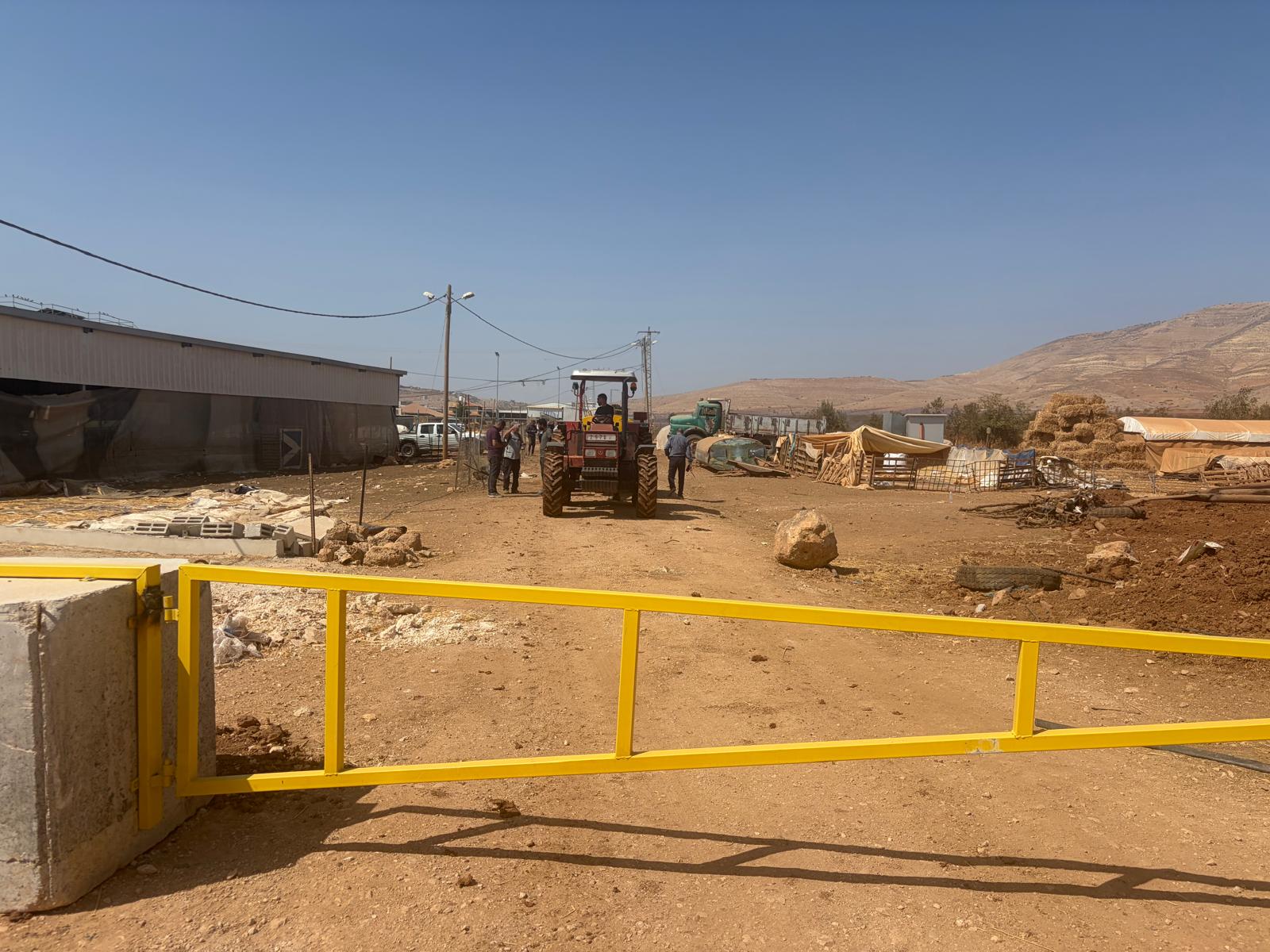
The situation worsened in September, when the IDF began installing yellow metal gates on roads that had previously connected Ras al-Ahmar to other parts of the West Bank, including the Palestinian towns of Tammun and Tubas.
According to Volkov, four such gates were kept permanently closed, preventing residents from entering or leaving Ras al-Ahmar by vehicle. Tubas, the nearest city, is 20 kilometers (12 miles) away.
In mid-November, the IDF began opening one of the gates for a total of 30 minutes a day — 15 minutes in the morning and 15 minutes in the afternoon — to allow water tankers to reach the residents, according to both activists and locals.
“They only allow us to bring in water and livestock feed. Everything else is prohibited. For example, we’re not allowed to bring in additional livestock pens,” said Abdullah Basharat, a Ras al-Ahmar resident who has not left.
Basharat told The Times of Israel that all the village’s children and young women had left in recent weeks due to the difficulties caused by the road closures, relocating to the larger Palestinian communities of Tammun and Atuf, where the children attend school.
Assurances that residents would not be harmed
The High Court has yet to rule on a petition filed in January challenging the construction of the security barrier over its impact on local residents. In the meantime, it has allowed construction to go ahead on sections of the route, as requested by the state.
In its interim decision, issued on April 16, the court noted that roads on both sides of the planned barrier were open to Palestinian vehicles without the need for special entry permits, and that Palestinians would be allowed to access their agricultural land.
The IDF told The Times of Israel that work on the barrier “is being carried out in accordance with High Court rulings, following a joint tour of the area with the petitioners.”
“In the section in question, residents are permitted to travel by vehicle during designated hours. Vehicle access can also be coordinated as needed. Pedestrian access remains open,” the military said
Residents say they are unaware of any way to enter or leave the community by vehicle other than during the half-hour window.
The army also noted that “recently, several water tankers and deliveries of livestock feed have entered the area.”
“The IDF continues to allow residents to maintain their daily lives in the area, subject to security considerations,” it said.
Tawfiq Jabareen, who represents the petitioners, has estimated that the barrier will cause an estimated $200 million in losses for Palestinian growers in the area and may render up to 50 square kilometers (19.3 square miles) of privately owned Palestinian land unworkable.
Basharat told The Times of Israel that adding to the residents’ difficulties were ongoing attacks by settlers, who have targeted the community over the past year. He noted that Israeli extremists had been entering the hamlet unimpeded, damaging equipment used by the community to house animals and generate electricity.
“At night, groups of settlers roam around the livestock pens and the solar panels and destroy them,” said Basharat.








The Times of Israel Community.