

Amid politicized debate in US and Israel, Katz warns Iran developing chemical weapons
Defense minister says IDF ready to strike, preferably with CENTCOM; insists Syria’s Sharaa is an ‘enemy,’ Lebanon is collaborating with Hezbollah
 Add ToI as a Preferred Source on Google
Lazar Berman is The Times of Israel's diplomatic reporter
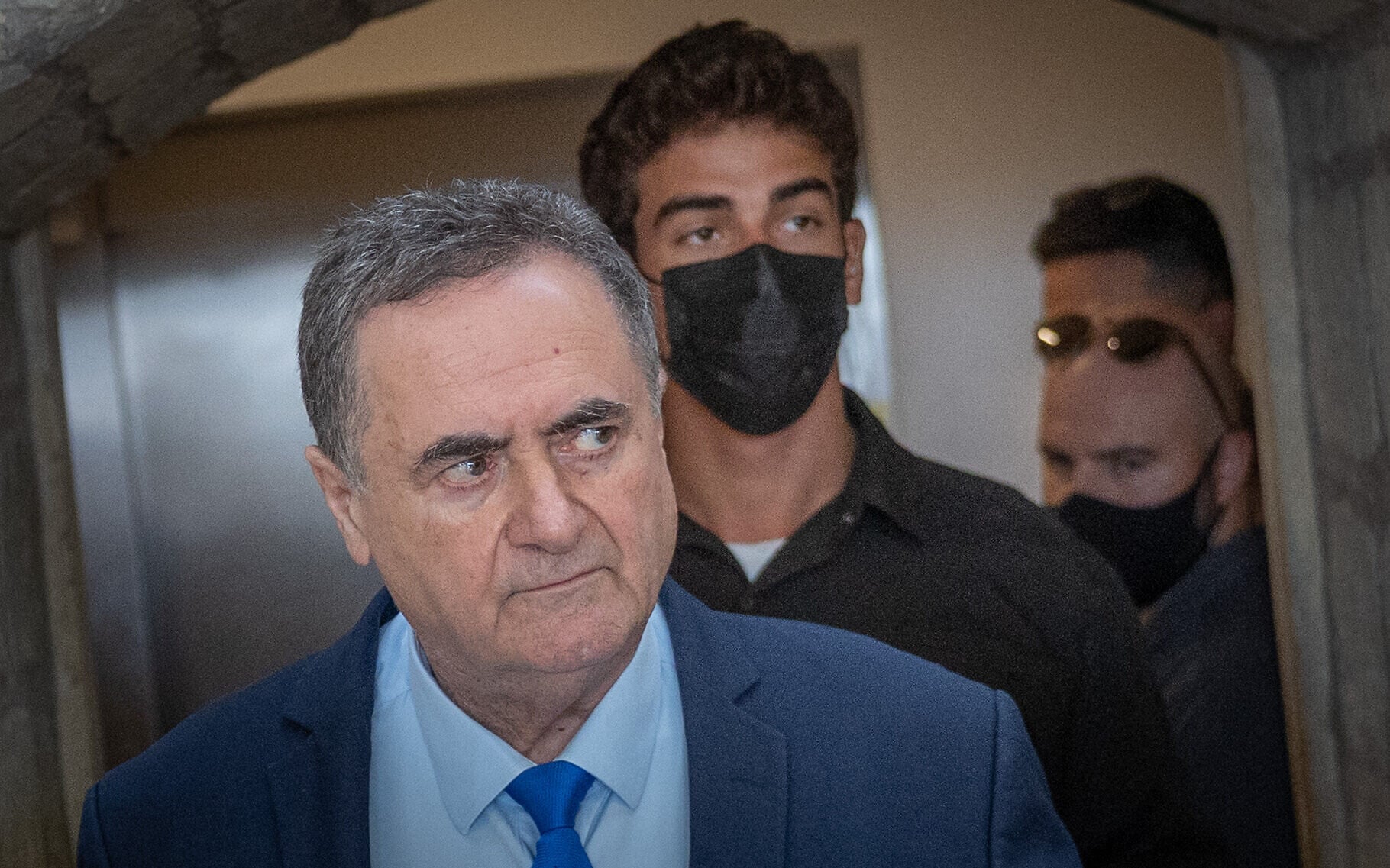
In the wake of the 2026 US-Israel campaign against the Islamic Republic, Iran has taken the strategic decision to develop chemical weapons, caretaker Defense Minister Israel Katz said on Tuesday.
He also said that although Iran hasn’t reactivated its nuclear program since the June 2025 Israeli-US strikes on its key sites, “there are signs it is trying to.”
Speaking to Israeli reporters in his Tel Aviv office, Katz said that Iran “is in the process of developing chemical weapons.” He would not say how far along the alleged program has progressed, nor where it is taking place.
He pledged that Israel “will not allow Iran to attain a chemical weapon.”
After the April ceasefire, said Katz, “they came out of the tunnels, and saw what happened to them. They are looking for a weapon that gives them some balance against us.”
Israel earlier this month reportedly shared intelligence with the United States and Gulf countries that Iran is considering using chemical weapons against them.
Iran denies that it is developing chemical weapons, with its Foreign Ministry spokesman calling such reports “fraudulent” and accusing the US of building a specious case for an extended war.
Katz’s warning came amid strident — and often politicized — debates in both the US and Israel about the urgency of the Iranian threat, and whether the allies should go to war together for a third time against the Islamic Republic.
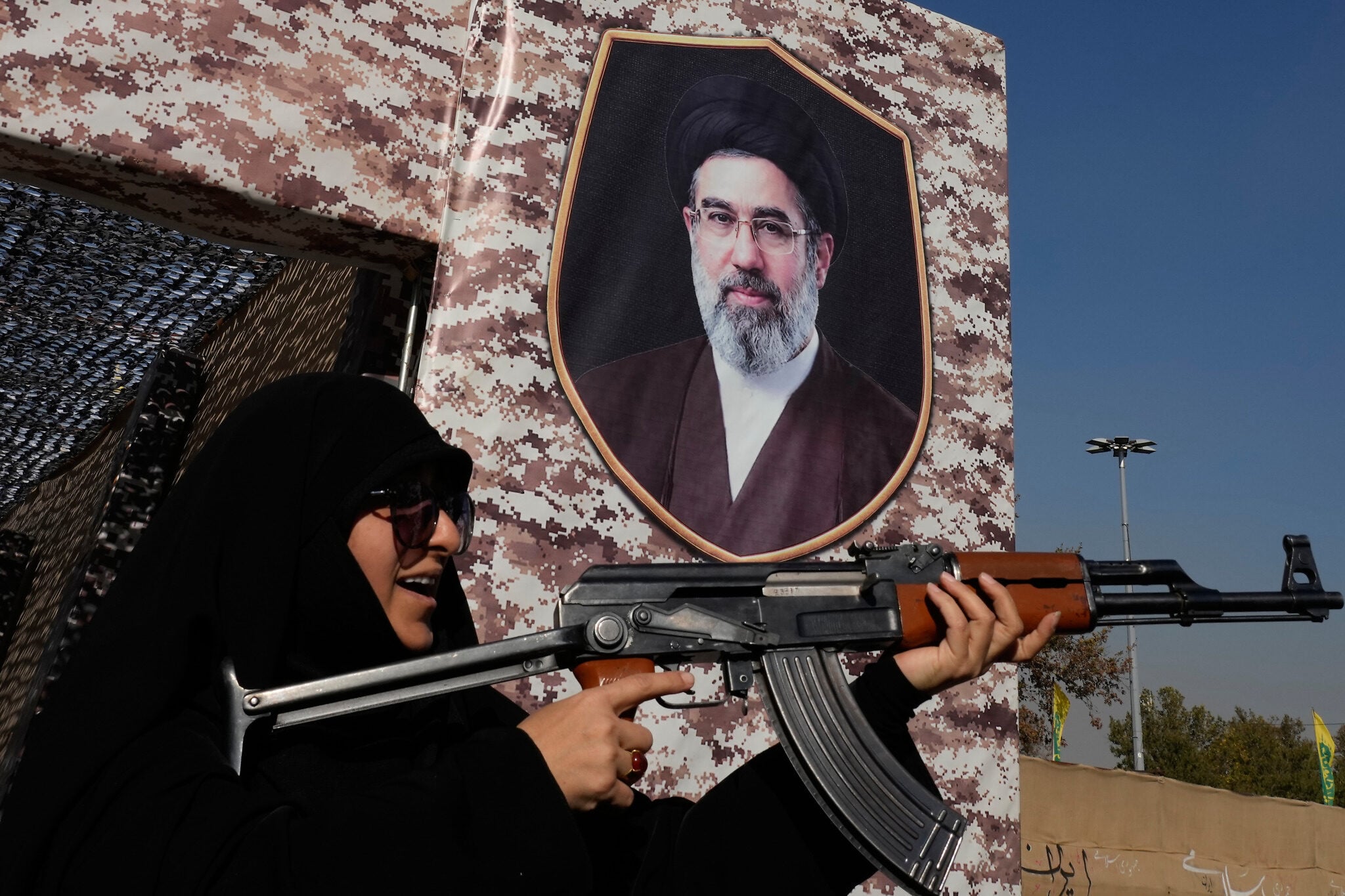
According to Israeli media reports, Mossad researchers have assessed in recent discussions that there is no immediate need for military action, even as the spy agency’s chief, Roman Gofman, Prime Minister Benjamin Netanyahu’s former military secretary, has been advocating for renewed strikes on the Islamic Republic.
Israel Defense Forces Chief of Staff Lt. Gen. Eyal Zamir also said that there is no urgency to strike, according to Hebrew-language reports, as has Yashar leader Gadi Eisenkot, himself a former chief of staff.
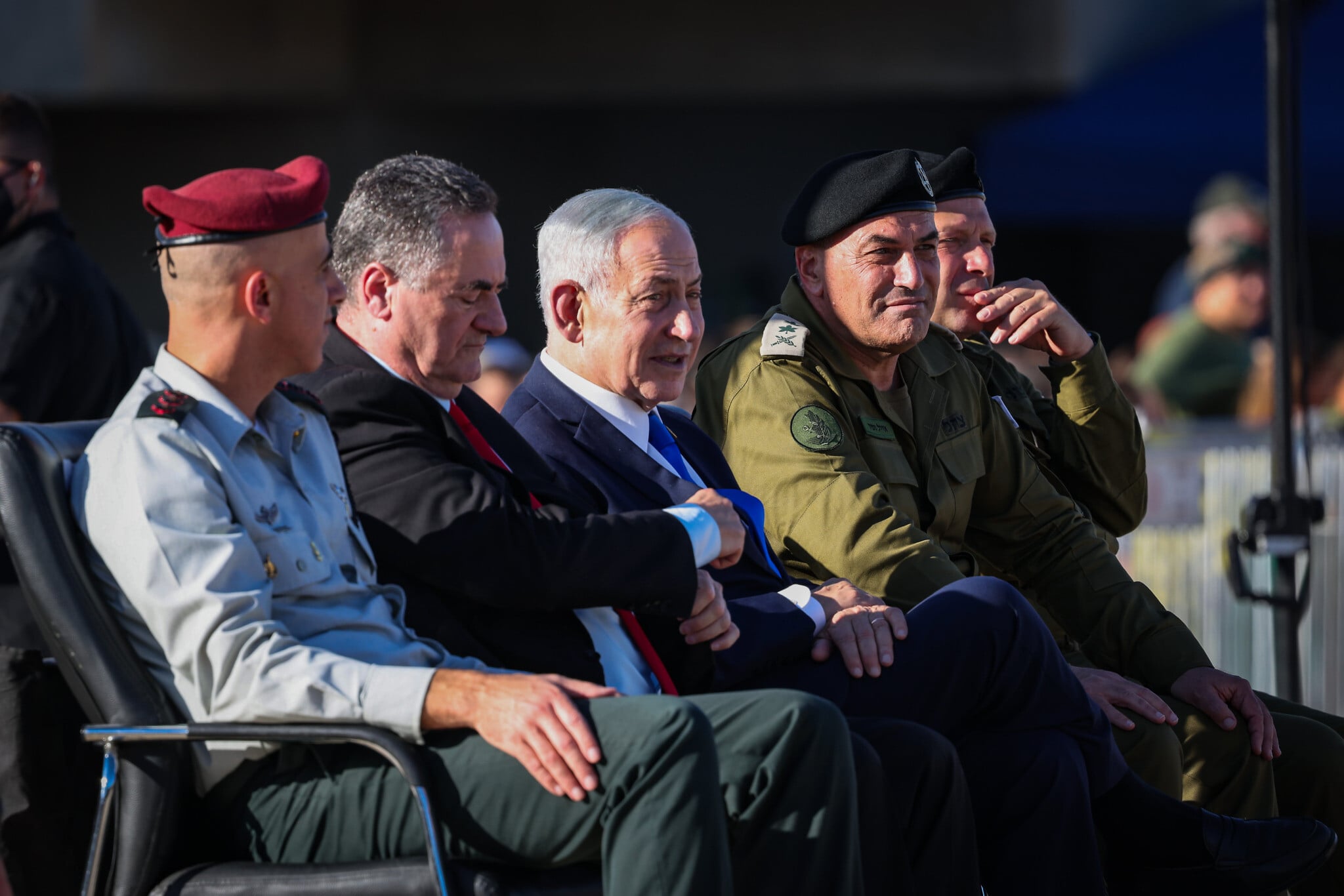
Netanyahu responded by accusing his political rivals of “minimizing” the threats facing Israel for political reasons, describing the danger as immediate and severe.
Israel must ensure that Iran’s ostensible chemical weapons program “doesn’t reach the zone of immunity,” Katz said. “When we reach the conclusion that we have to act, we will act. It will not come from political considerations.”
Despite reports of Zamir advocating against an immediate strike, Katz insisted that “there is absolutely no daylight between me, the prime minister, and the chief of staff.”
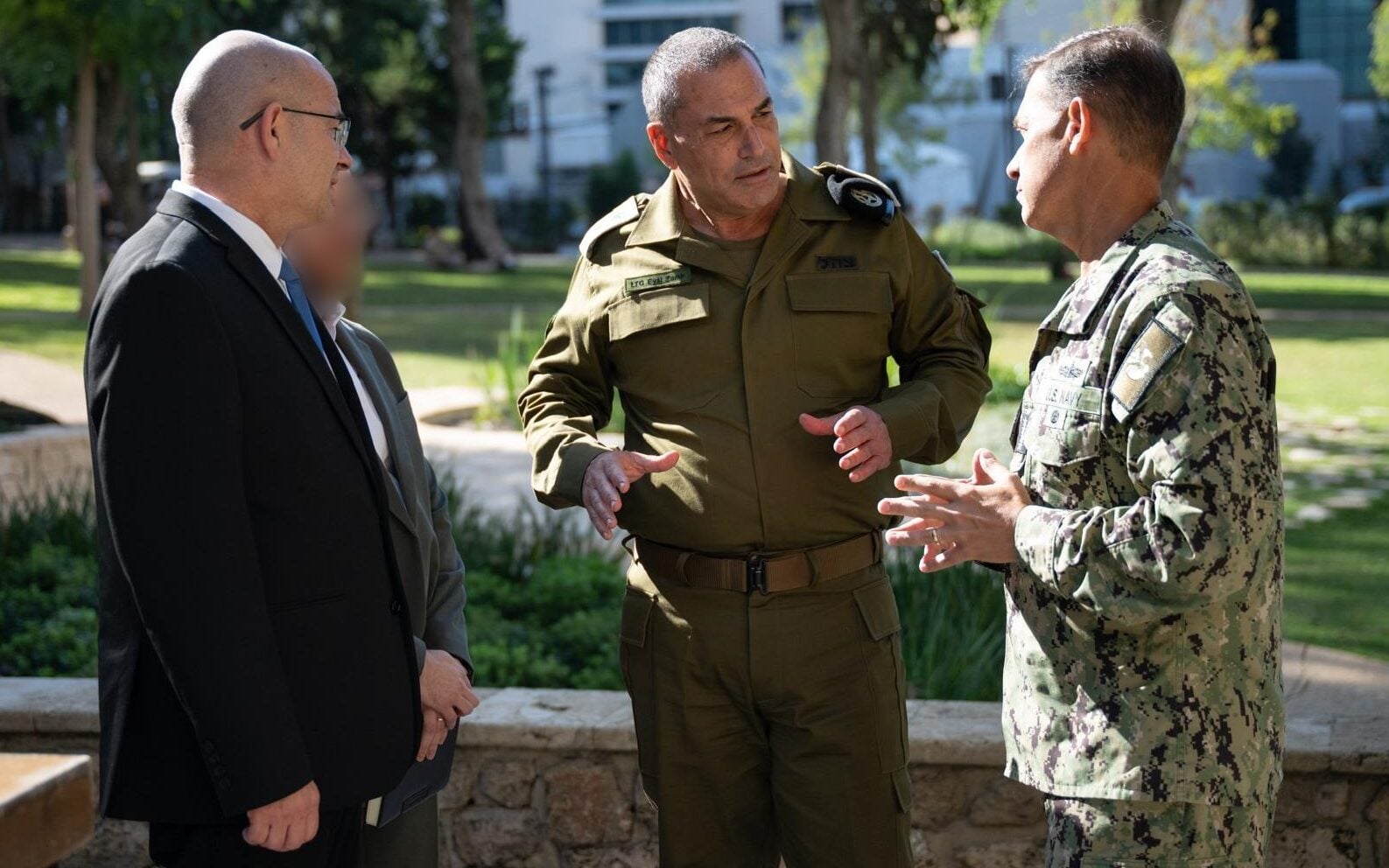
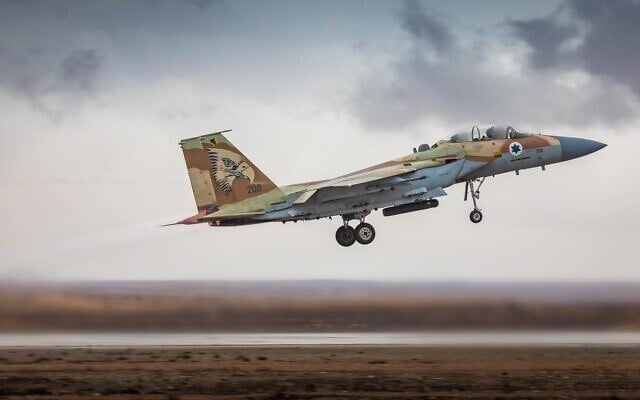
The IDF and the US Central Command are “ready to attack together,” he added. “The operational plans are ready. [US President Donald] Trump will decide.”
Trump said earlier this week that he is inclined to launch another offensive against Iran if a deal is not reached by the new year.
Israel’s preference, Katz stressed, “is of course to attack together with CENTCOM.”

Israel has been tracking the chemical weapons threat for months, he said, but since it reached the press recently, he decided to address it directly.
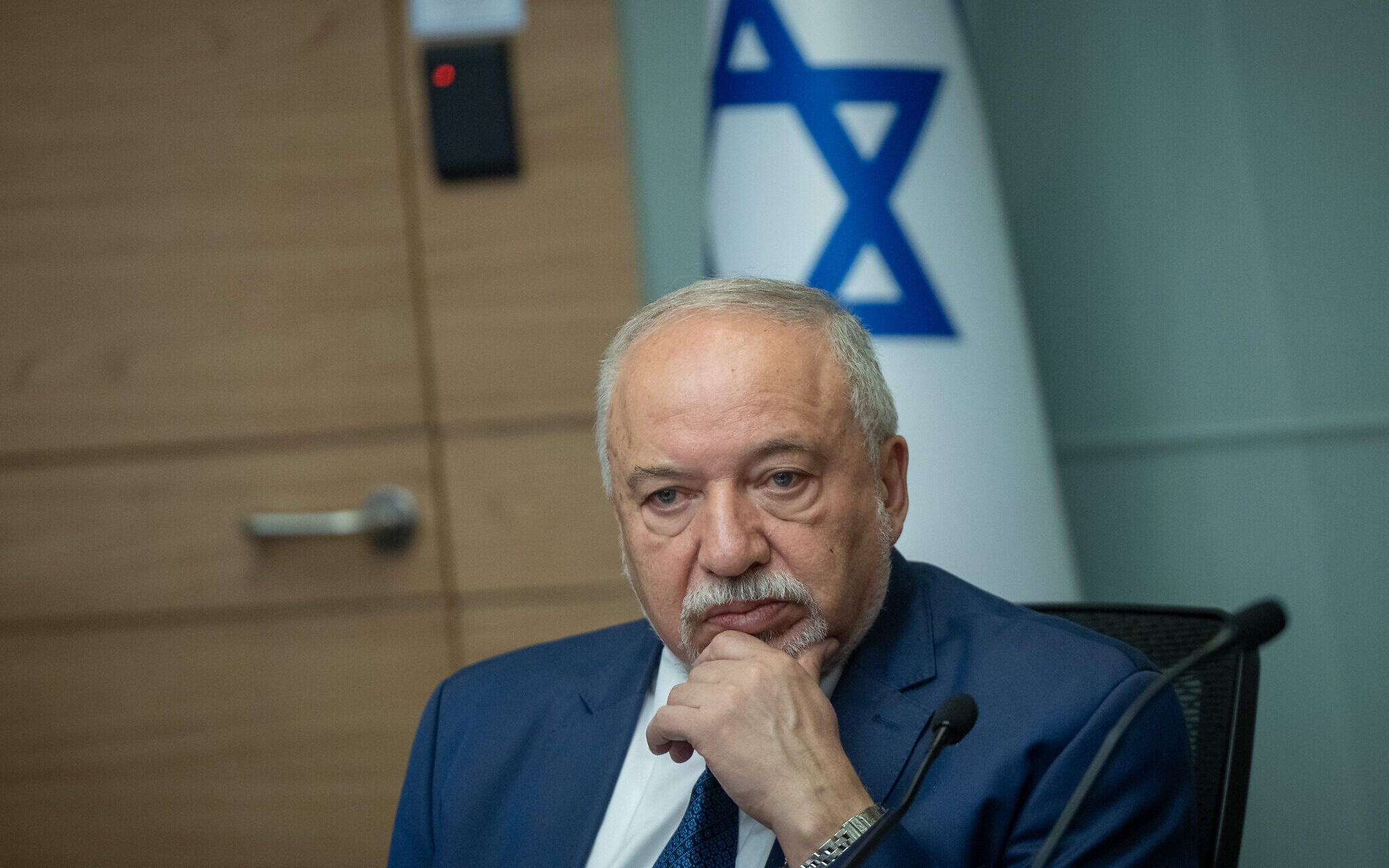
Speaking at a faction meeting of his Yisrael Beytenu party on Monday, Avigdor Liberman addressed reports about the Iranian chemical weapons program, calling it a serious threat, “but not one that requires and justifies independent, immediate action without American participation.”
According to several Hebrew media reports, he added: “If such a decision is made in the [Netanyahu-led] cabinet, it will be a decision stemming only from political and personal interests, and therefore such a decision should be treated as a manifestly illegal order.”
Katz blasted Liberman’s statement, calling it a “disgraceful, baseless provocation.”
He also denied reports that Netanyahu had been pushing for a joint strike on Iran before Israel’s October election, but was rebuffed by Trump.
“We said to the Americans, we don’t want it before the election,” Katz said, claiming that “Trump initiated the discussion” of a pre-election strike.
More nuclear, energy targets
Despite the urgency of the chemical weapons threat, said Katz, the nuclear issue remains Israel’s top priority.
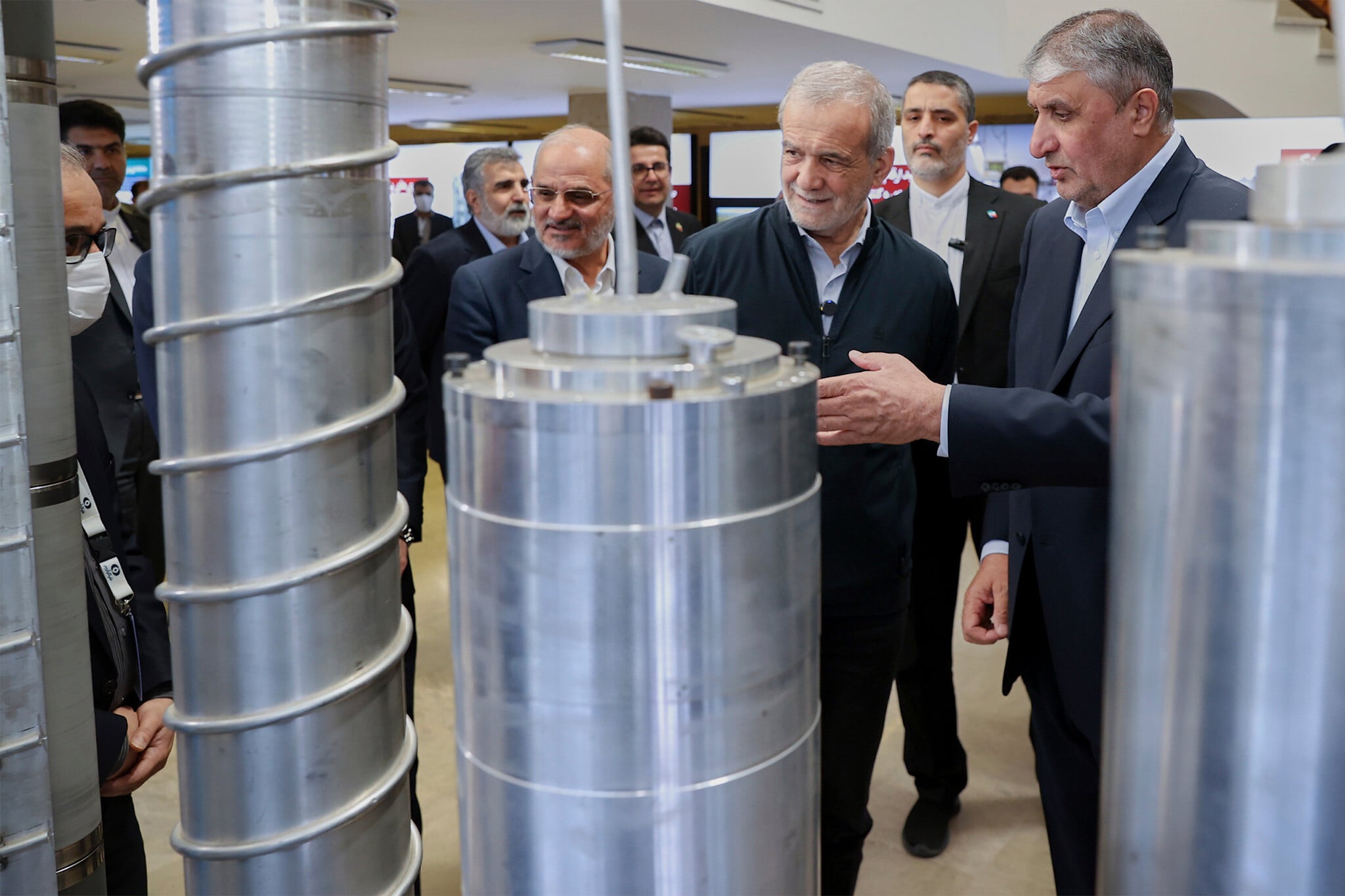
“We have more targets we want to complete there,” said Katz, noting that Israel hasn’t carried out widespread strikes on Iran’s energy infrastructure.
“Hitting the energy infrastructure will set Iran back decades,” he said, underscoring Israel’s overarching goal of toppling the regime
“An attack would weaken the regime significantly, and will accelerate the process of collapse,” he predicted, while stressing that no kinetic action can bring down the Islamic Republic on its own.
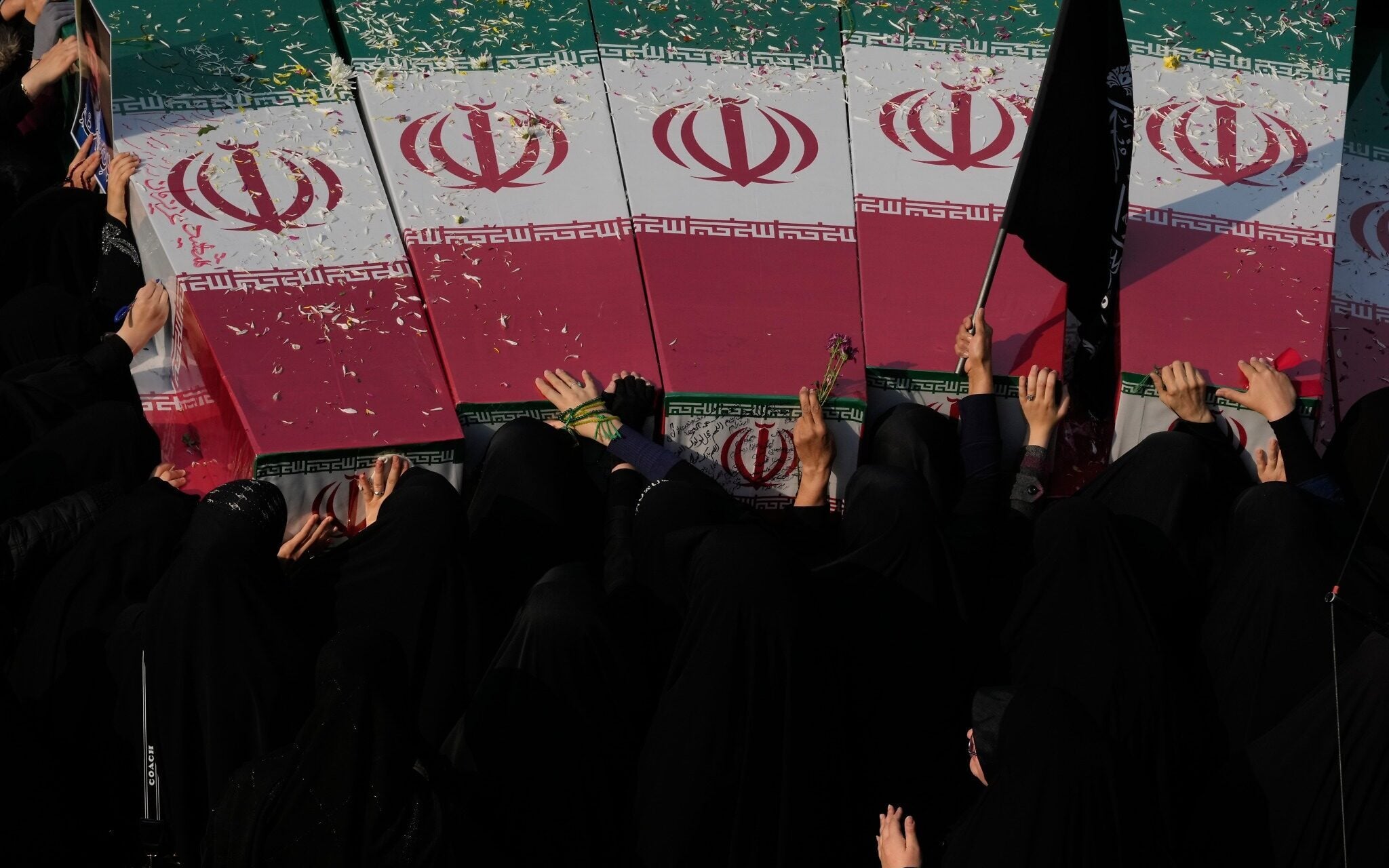
The Mossad is in charge of the plan to topple the regime, he said.
In addition to the chemical threat, Iran is prepared to carry out a surprise attack on Israel, while also working to assassinate both Trump and Netanyahu, Katz warned.
Sharaa is a ‘clever enemy’
During the briefing, Katz also pledged that Israel will remain in buffer zones in Lebanon, Gaza, and Syria that it captured in the wake of the October 7, 2023, Hamas invasion of southern Israel.
He expressed extreme skepticism that US-backed diplomatic processes on all three fronts would lead to a solution.
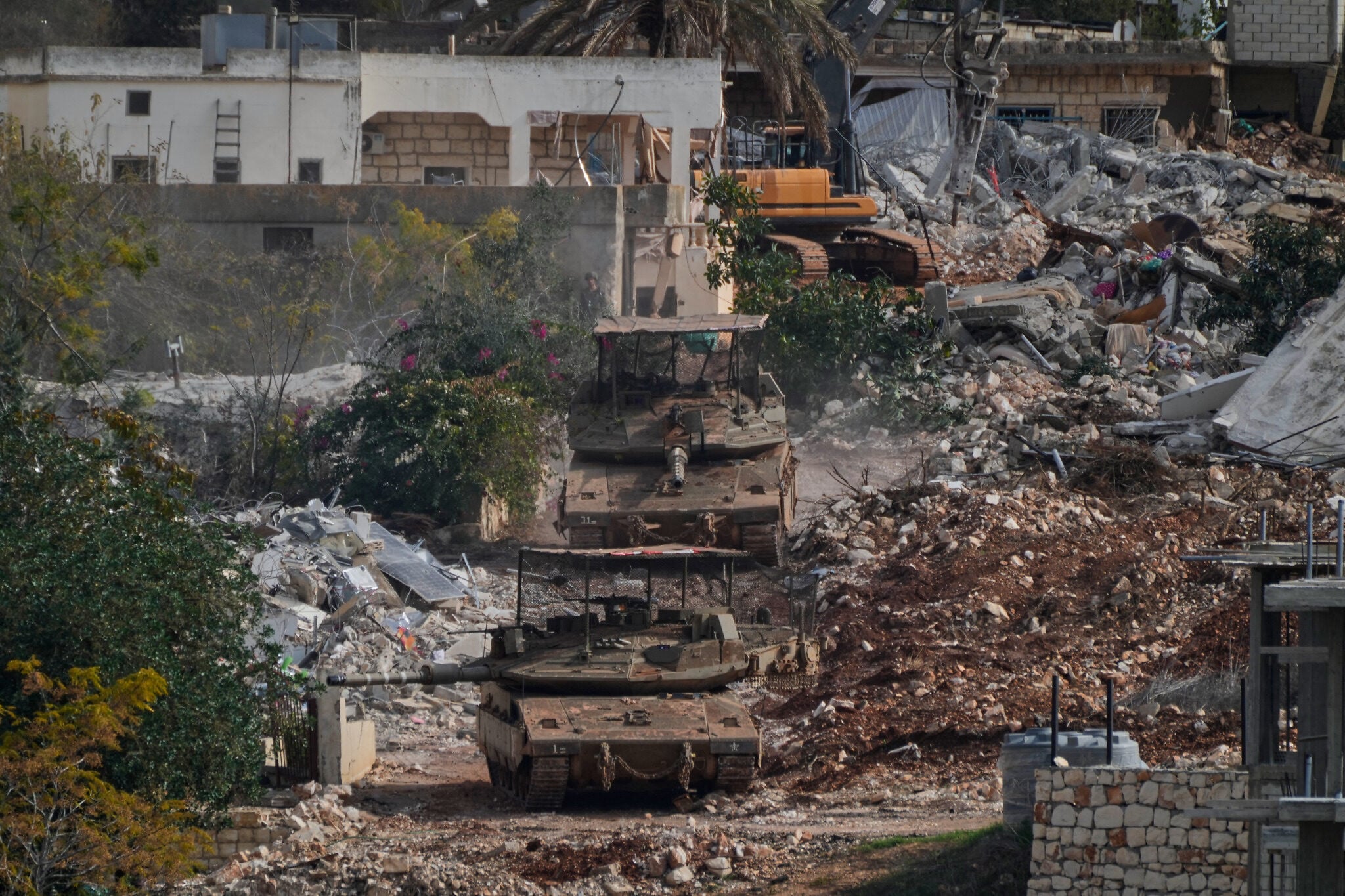
In southern Lebanon, Israeli troops began withdrawing from the pilot zones in July under a US-brokered plan, which envisioned the Lebanese Armed Forces confiscating weapons from Hezbollah and phased withdrawals of Israeli troops, who are eventually meant to leave Lebanon.
The LAF efforts are a “fiction,” said Katz, while accusing the Lebanese military of “collaborating with Hezbollah.
If Hezbollah joins in an Israel-Iran war — which, according to Katz, the terror group has told Tehran that it intends to stay out of — Israel has an extensive bank of targets ready, he said.
Turning to Israel’s buffer zone in Syria, Katz called Syrian ruler Ahmed Al-Sharaa “an enemy, a clever enemy.”
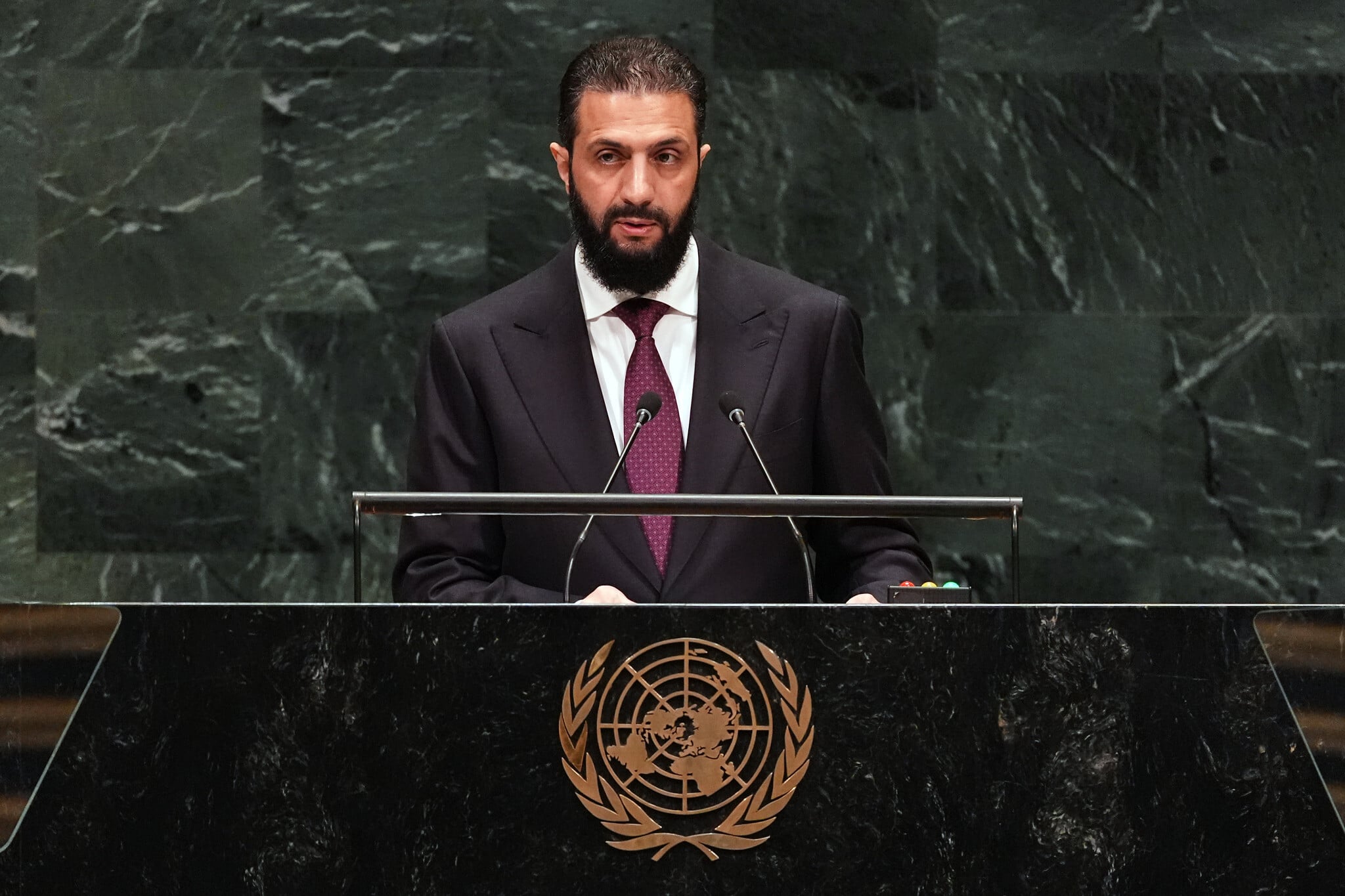
“He is building capabilities with Turkish support,” said Katz.
Sharaa, meanwhile, has been expressing a decidedly moderate message on Israel. An Israeli withdrawal, he said in September, is a necessary first step before talks can be held on reaching agreements between the two countries, while also indicating that “lasting peace” can be achieved.
Israel, which initially blasted Sharaa as a terrorist but now holds direct talks with his administration, has described its operations in Syria as necessary to prevent terror groups from invading northern Israel as Hamas did in the south.
“A security deal with Syria is not feasible,” Katz maintained. “He doesn’t want a peace deal. He wants a withdrawal.”



The Times of Israel Community.