Election day quiet in Jerusalem’s Haredi enclaves: ‘We vote for whoever our rabbi tells us to’
Many members of the ultra-Orthodox community see casting a ballot as a religious duty, even as some denounce the process: 'Whatever happens is in God's hands'
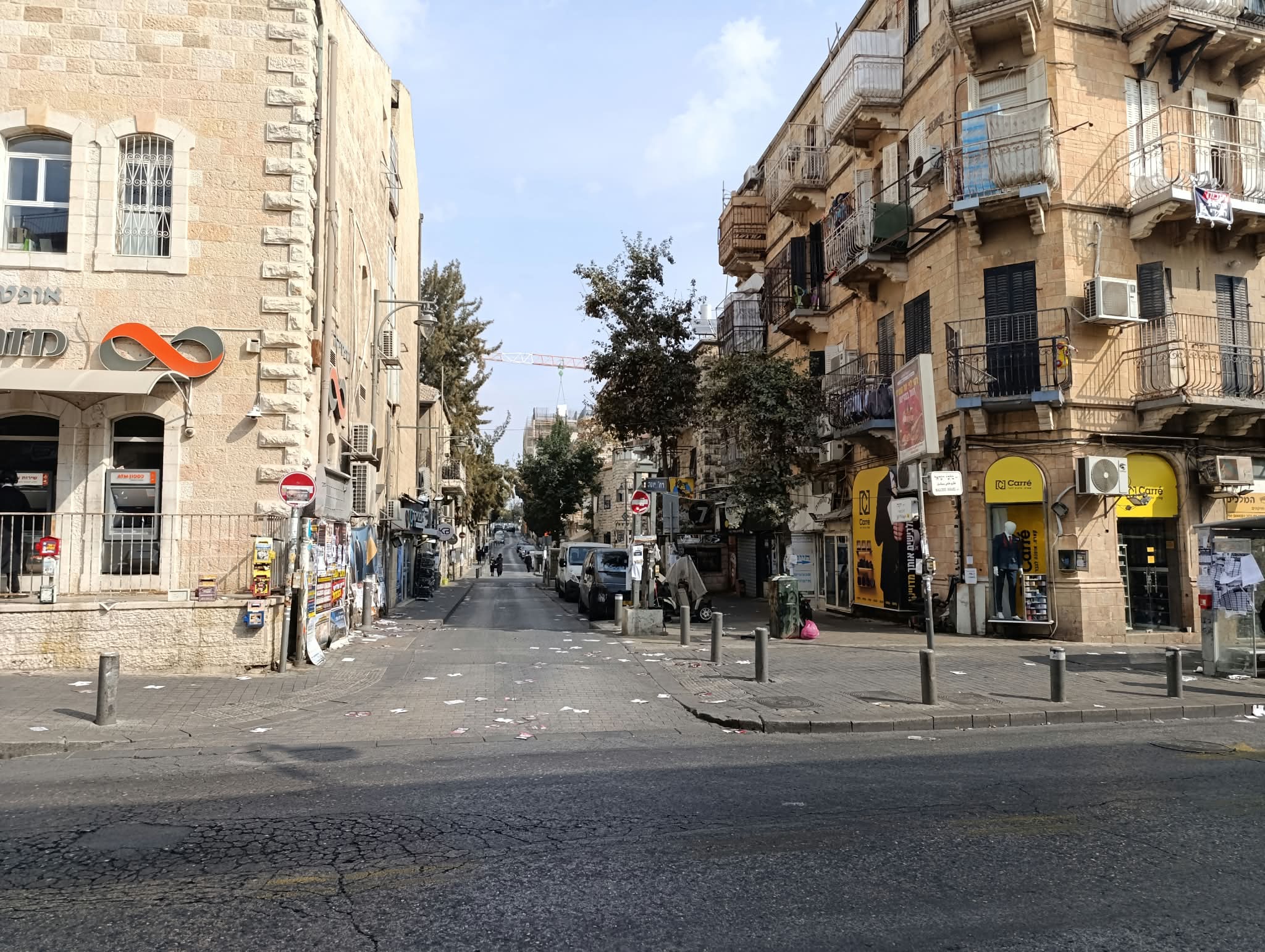
On the streets of Jerusalem’s Orthodox Mea She’arim and Geula neighborhoods, the streets were uncannily quiet on the morning of election day.
Around 10 a.m. on Tuesday, the normally busy Malchei Yisrael Street was nearly empty of cars, and foot traffic along the commercial strip was minimal.
Schools in the community were generally closed, although some yeshivot held morning studies before dismissing students to vote in the afternoon.
“People are relaxed today,” said Moshe, a worker in a nearly empty bookstore on Malchei Yisrael Street. “People are spending time with their families, or they are out buying things they need.”
Outside the Zichron Moshe shteibel, a synagogue with prayer services around the clock, a crowd of men was milling around the entrance at around 10 a.m., seemingly unhurried.
Some of the bakeries had a few customers, while a popular women’s clothing shop had about a dozen shoppers inside.
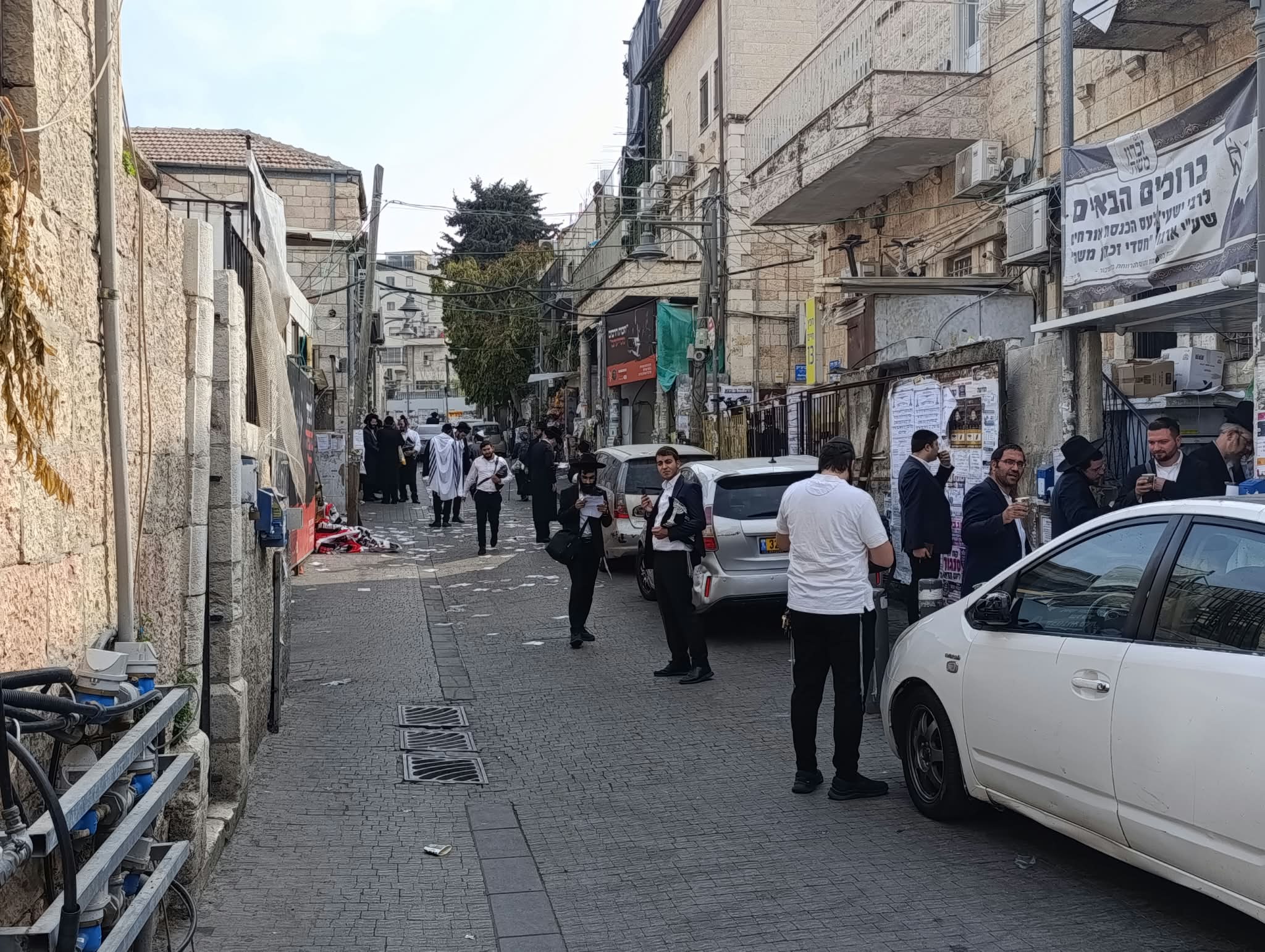
Many of the people strolling the streets seemed relaxed and unconcerned with the election, even though voter turnout is typically high in Haredi areas. Most in these communities tend to vote for the Ashkenazi United Torah Judaism (UTJ) or Sephardi Shas slate.
Political messages could be seen everywhere, from the posters on walls and public noticeboards to flyers strewn on the ground.
Many of the posters warned that voting for any party that would allow even a partial draft of yeshiva students was strictly forbidden. At times, crowds gathered around these signs, having lively discussions on the topic.
However, there were no ads for the new Charedi Public party, the first ultra-Orthodox list to have women on its slate, which looks to promote greater workforce participation and IDF conscription for those not studying full-time in yeshiva. Widely shunned by the Haredi mainstream and not expected in polls to pass the electoral threshold, the party hopes that voters will buck social taboos and take advantage of the privacy of the ballot box.
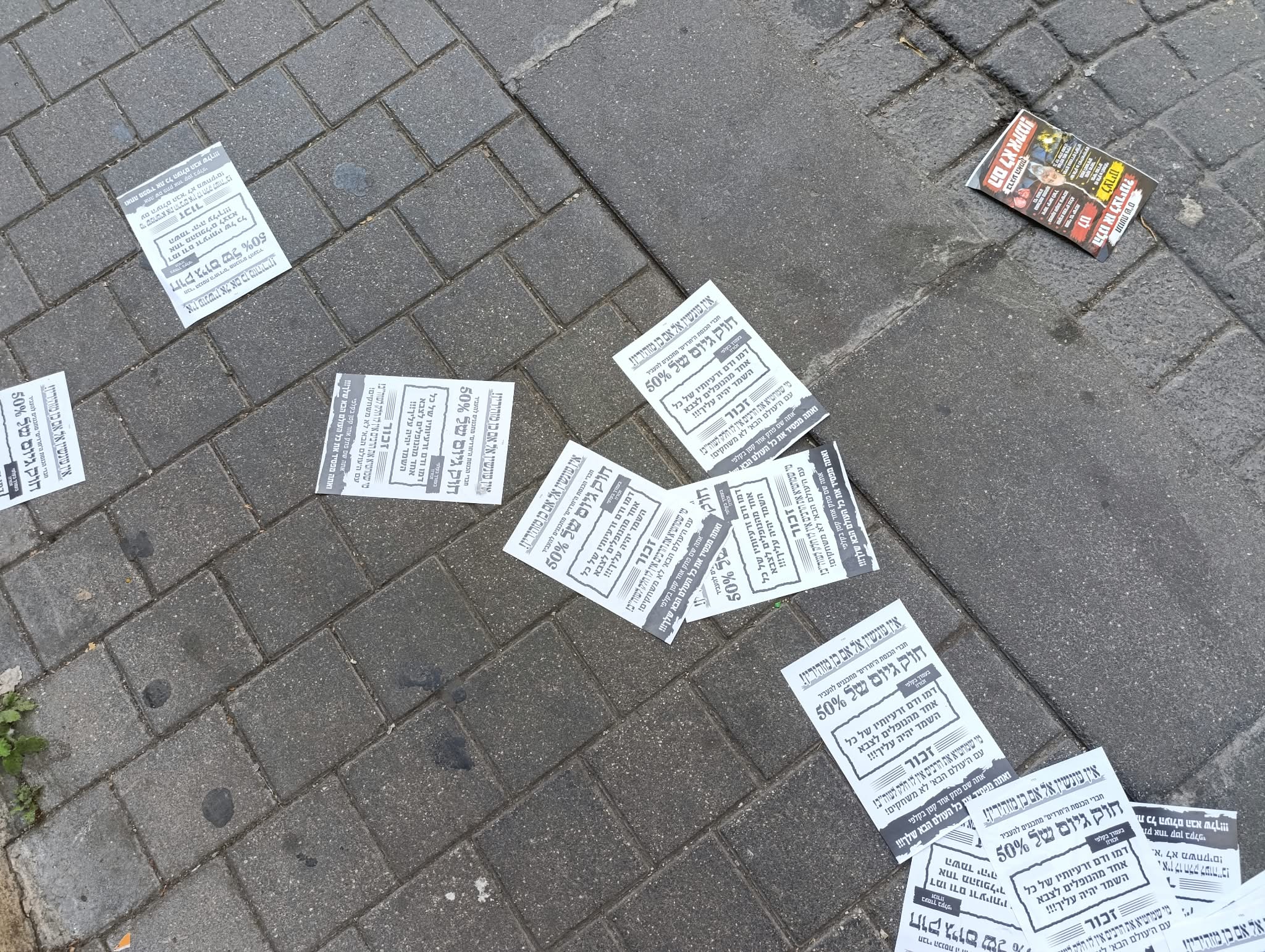
Some in the Haredi strongholds proclaimed that the whole electoral process was a sham.
One boy walked down the street dropping hundreds of flyers declaring, “In a democratic country, your vote has no meaning.” An image on the flyer designed to resemble a ballot slip had the phrase, “Sit and do nothing.”
But most people said they took the democratic process more seriously.
“Anyone who doesn’t vote misses out on a mitzvah (positive commandment),” said Moshe, a young Sephardic man walking back from the ballot box with his wife, Yehudit.
“But only if they vote in line with the Torah,” he added.
Asked whom he had voted for, Moshe was happy to answer. “Only Shas, of course,” he said.
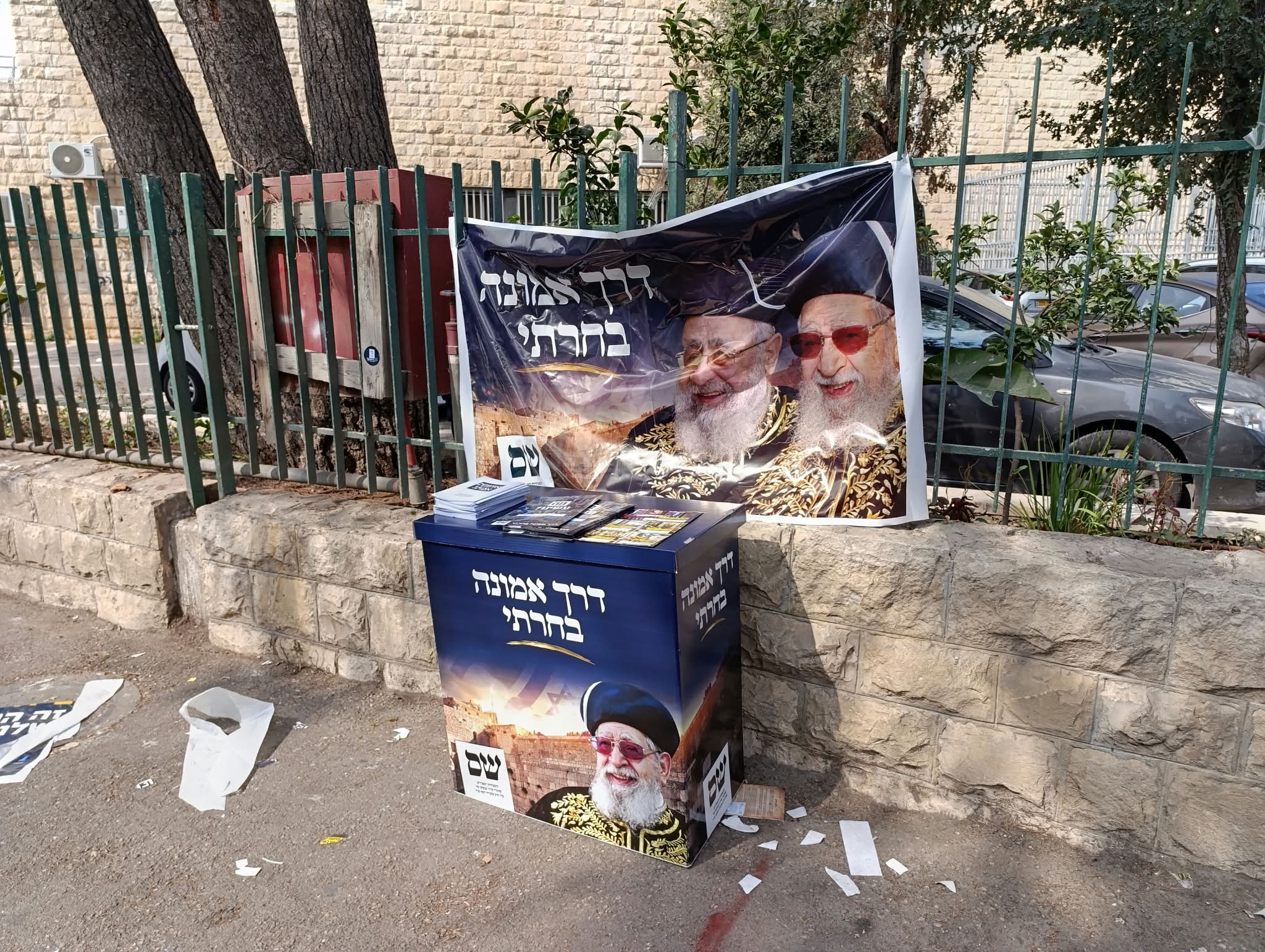
While the events of the last four years have left many Israelis disenchanted and unsure whom to vote for, many in the ultra-Orthodox community don’t have that dilemma.
“All the Haredim do the same thing; we vote for whoever our rabbi tells us to,” explained Yair, a yeshiva student who said he had voted for UTJ. “It doesn’t matter what I think. I do what I’m supposed to do.”
While the issue of drafting yeshiva students has drawn tens of thousands of Haredim to the streets to protest in recent years, most of the people who spoke with The Times of Israel didn’t seem particularly interested in the matter. Those with more extreme opinions generally tend to be more wary of the non-Haredi press.
Outside one of the polling stations, activists for the far-right religious Zionist Noam party set up a booth trying to attract undecided voters.
However, most responses to their overtures were negative.
“You’re just a waste of a vote,” one man shouted, noting that the party is seen as unlikely to pass the electoral threshold to get into the Knesset.
Yehoshua, a thin man with a black coat and long brown beard, referred to election day as “a day of prayer.”
“I voted Gimel (the symbol for UTJ), like the rabbis say,” he said. “Whatever happens is in God’s hands. He manages everything, and we just do whatever we can.”