Electoral fraud suspicions may never yield evidence of wrongdoing, election chief says
Justice Sohlberg says leaks to the media harming investigation; calls cooperation between Shin Bet and AG's office 'good' despite earlier friction between them
Central Elections Committee Chairman Deputy Supreme Court President Noam Sohlberg said on Thursday that information provided so far regarding suspicions of foreign interference in the recent election has not yet yielded evidence of wrongdoing, and that such evidence may not ever be found, in an update on the investigation.
Writing to members of the committee, Sohlberg also said that cooperation between the police, the Shin Bet and the Attorney General’s Office was “good,” and that after examining the issue he had not found that the Attorney General’s Office was blocking requests by the security agency to conduct investigative actions.
“The investigation is still ongoing. Confidential information has been presented — material that has not yet ripened into actual evidence, and may never do so; time will tell,” Sohlberg wrote to the Central Elections Committee members.
“I have found that the cooperation between the Shin Bet, the Israel Police and the Attorney General’s Office is good… [I] found no instances where the Attorney General’s Office refused investigative requests submitted by the Shin Bet,” he added.
Shin Bet chief David Zini has previously complained that Attorney General Gali Baharav-Miara has hampered the investigation, while Baharav-Miara, for her part, has accused Zini of seeking to question senior Arab politicians without presenting evidence to justify such a step.
Election officials have already said the vote was conducted properly, and law enforcement has said the probes into election misconduct were limited in scope. Police have reportedly told the State Attorney’s Office that “there is no suspicion of security offenses” by Arab party heads or any need to interrogate them over the allegations.
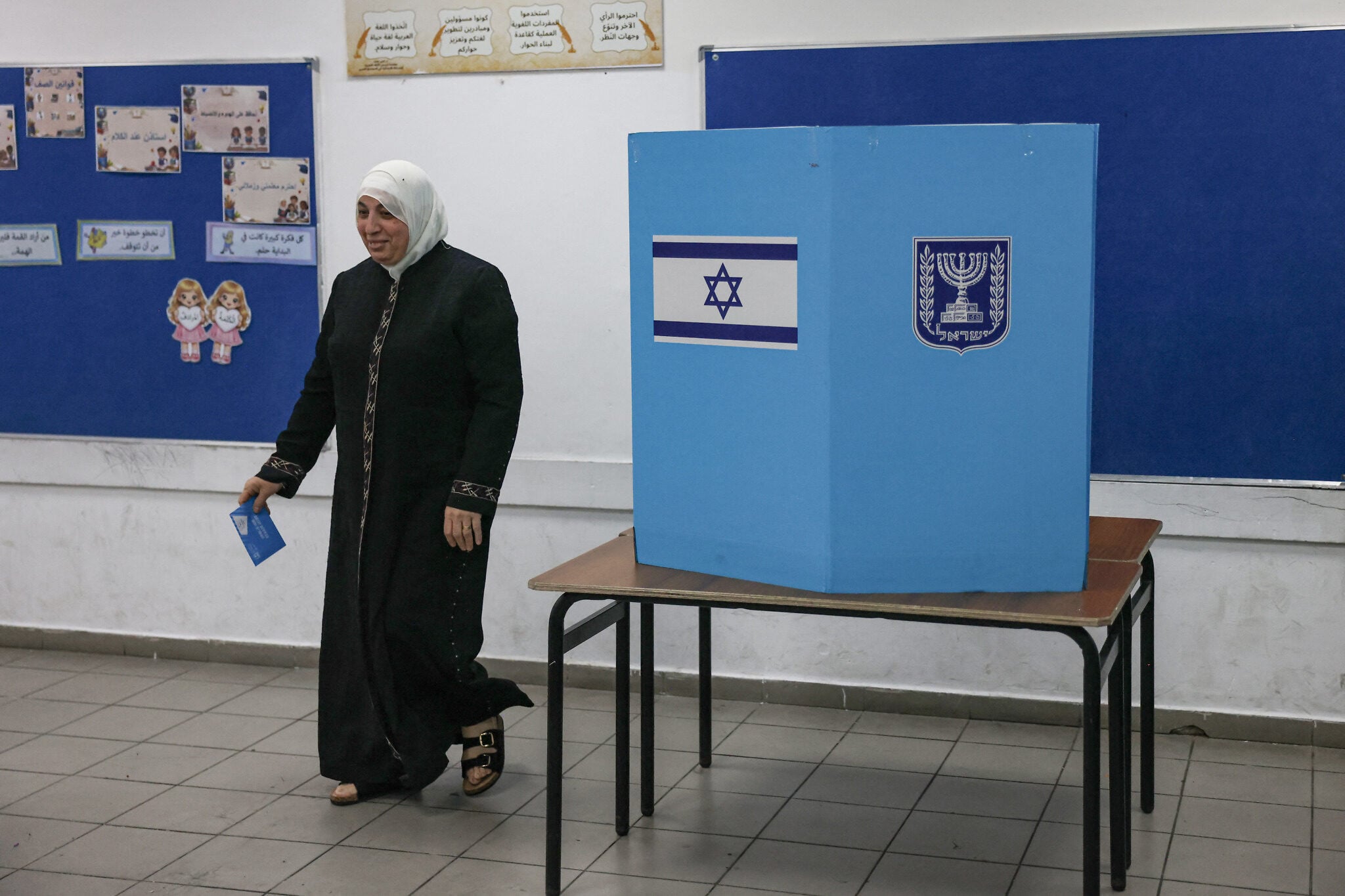
Ibrahim al-Garibi, one of three Ra’am activists arrested on election day over suspicions of being part of an alleged vote-buying scheme, told Channel 13 news on Thursday that his arrest was “political persecution, nothing else.”
He said that when police arrived at his doorstep at 5 a.m. on election day, he requested a search warrant from officers before they entered his home, which they didn’t have.
“They started removing clothes from closets, damaging the home. They didn’t find anything,” he said.
While in custody, he said he was questioned three times — the last time not about the election matter — before he was released without condition by the Beersheba Magistrate’s Court a week later.
The three suspects were accused of planning to pay people to vote for Ra’am. Police found envelopes of cash and Ra’am ballots during searches of some of the suspects’ homes. But the men denied the bribery allegations and said the money was intended for charitable purposes.
Unnamed Shin Bet and law enforcement officials have been widely quoted in Hebrew media as lambasting Zini’s conduct and accusing him of baselessly manufacturing allegations of foreign interference.
Zini has made the exceptional decision to authorize the use of various technological means to gather evidence on the case, while also approving an operational unit to collect evidence on the allegations, Haaretz reported on Wednesday.
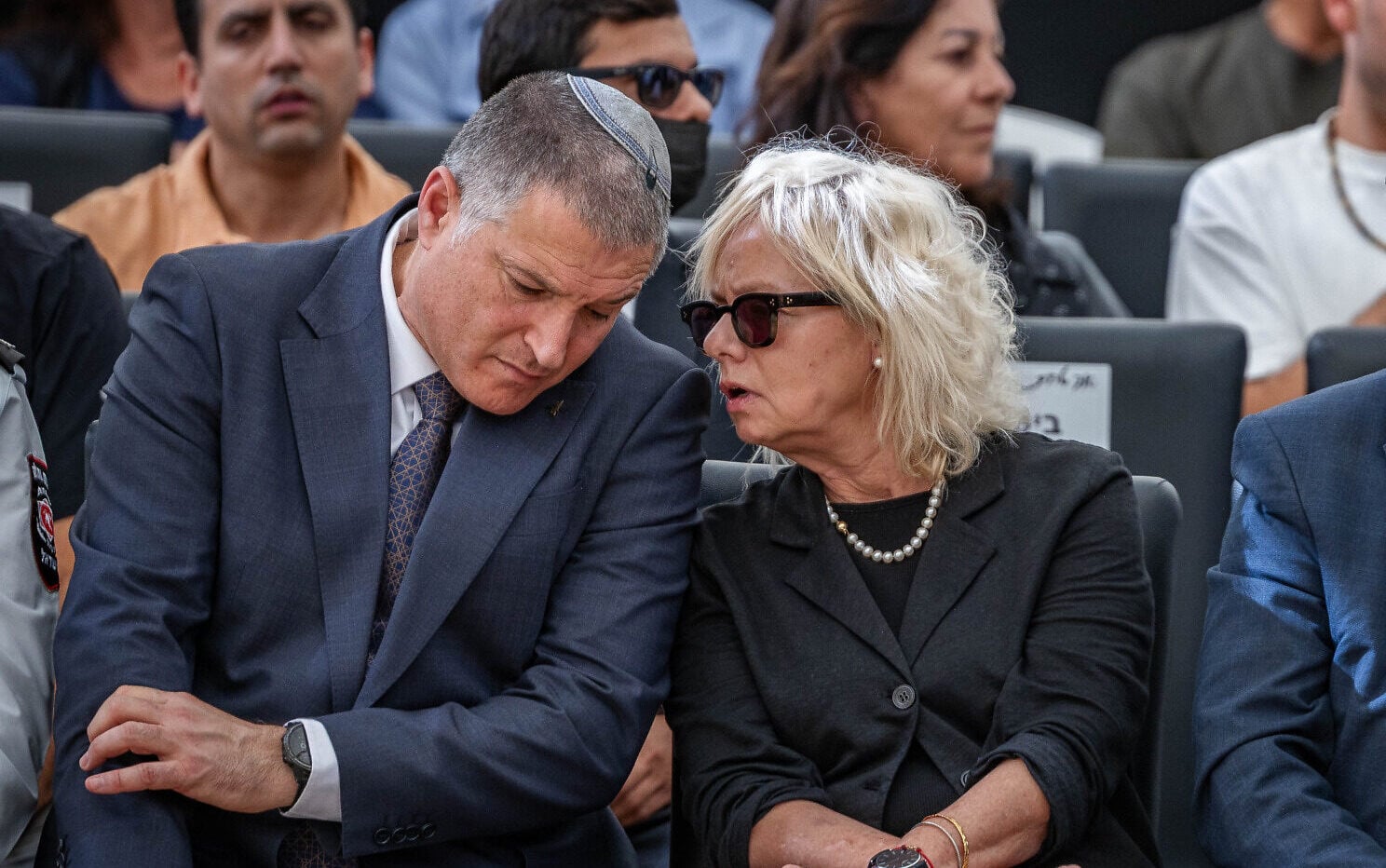
Sohlberg also on Thursday addressed leaks to the media of documents related to the investigation and said they are harming the investigation.
“My complaint is not about manners or etiquette, but rather about the repeated harm caused to the investigation — specifically to its security-related aspects — as a result of leaks. Such leaks are a malignant phenomenon,” the judge said.
According to the initial claims, Qatar was suspected of having funneled a large sum of money to Israel to encourage Arab citizens to vote. But Haaretz reported later that investigators were looking into the possible transfer of no more than a few hundred thousand shekels to Arab parties, not from a foreign country but from the Palestinian Authority.
Netanyahu has seized on the allegations to suggest Arab parties “stole” the October 27 Knesset election, which saw him lose his parliamentary majority amid massive Arab voter turnout.
Citing the purportedly stolen election, National Security Minister Itamar Ben Gvir’s Otzma Yehudit party voted against certifying the results and has already submitted draft legislation to dissolve the Knesset that was sworn in this week.
However, Baharav-Miara said Wednesday she has not seen anything in the investigation that would “even remotely” influence the outcome of last month’s vote.