Report: Ex-IDF chief says he suggested dismissing refusing reservists, but Netanyahu said no
Halevi reportedly tells bereaved families that during 2023 judicial overhaul crisis, he asked Netanyahu to either express support for reservists or let him dismiss them, but PM warned it would 'spark a bigger wave'
Former Israel Defense Forces chief of staff Herzi Halevi reportedly said at a meeting of bereaved families in recent weeks that in early 2023, he suggested to Prime Minister Benjamin Netanyahu that he, as chief of staff, dismiss IDF reservists who had refused to report for duty in protest of the government’s judicial reform efforts, but that Netanyahu refused, saying: “No way.”
According to a Channel 12 report on Sunday, Halevi held the meeting with a small group of bereaved families who had requested he answer questions surrounding the policy decisions made in the months leading up to the October 7, 2023, Hamas attack. The report said the families requested Halevi’s answers to their questions because the government has still not established a state commission of inquiry into the failures that led to the attack, three years after it occurred.
At the meeting, the former IDF chief of staff reportedly said that during the 2023 crisis that arose surrounding the government’s attempts to overhaul the judicial system — which critics said was undermining democracy, prompting several thousand reserve soldiers to sign pledges to refuse call-up orders — he had warned Netanyahu about the risk to the army’s preparedness.
“To minimize the danger, I ask that you issue a positive statement regarding the reservists and ask ministers to stop attacking them,” Halevi said he asked Netanyahu, referring to the inflammatory statements made by government ministers deriding the reservists for threatening to refuse call-up orders.
At one point, anti-judicial overhaul protest groups claimed that 10,000 reservists had pledged to not show up for service, including pilots and others in key military roles, in protest of the government’s plans for far-reaching changes to the judiciary that they said would erode the country’s democratic nature.
But while Halevi asked Netanyahu to try to lower the tension, issue a statement in support of the concerned soldiers, and tell his ministers to stop fanning the flames, the former IDF chief said the premier refused and instead pushed ahead with the judicial reform efforts.
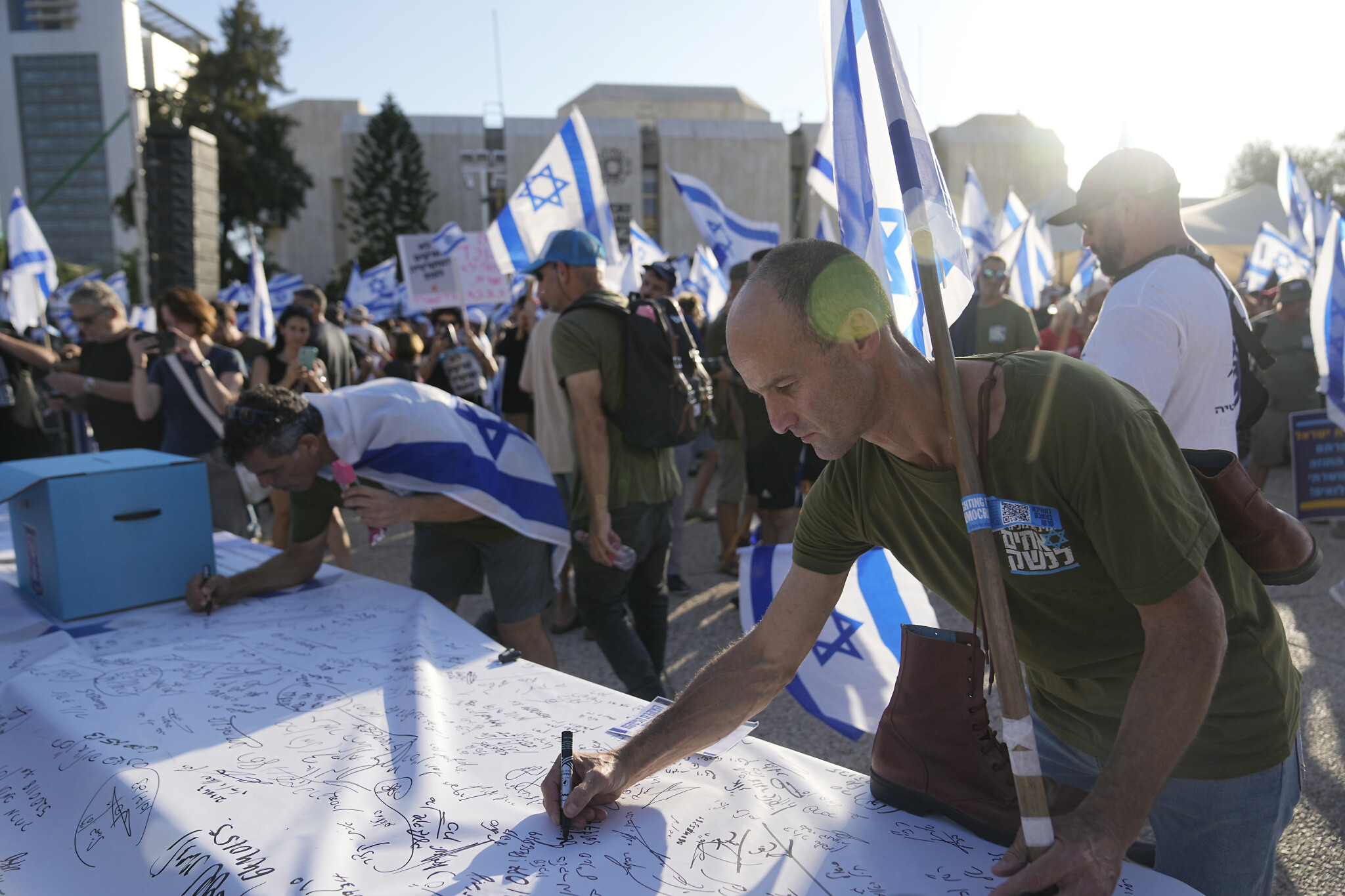
Seeing that Netanyahu was not looking to appease the thousands of reservists who had pledged not to report for duty, Halevi then asked the prime minister if he would like the military to dismiss the refusing soldiers, according to his testimony to the bereaved families.
“Do you want me to dismiss all the refuseniks now?” he said he asked Netanyahu, to which the premier responded: “No way!”
“That would spark an even bigger wave [of refusals,]” Netanyahu argued. “Don’t do it!”
Halevi did not specify to the bereaved families exactly when this exchange took place. However, he said that even after his warning, Netanyahu continued to publicly deride the refusing soldiers and military brass, and pushed ahead with the judicial overhaul efforts up until the October 7 attack. At that point, they were largely shelved due to the war in Gaza.
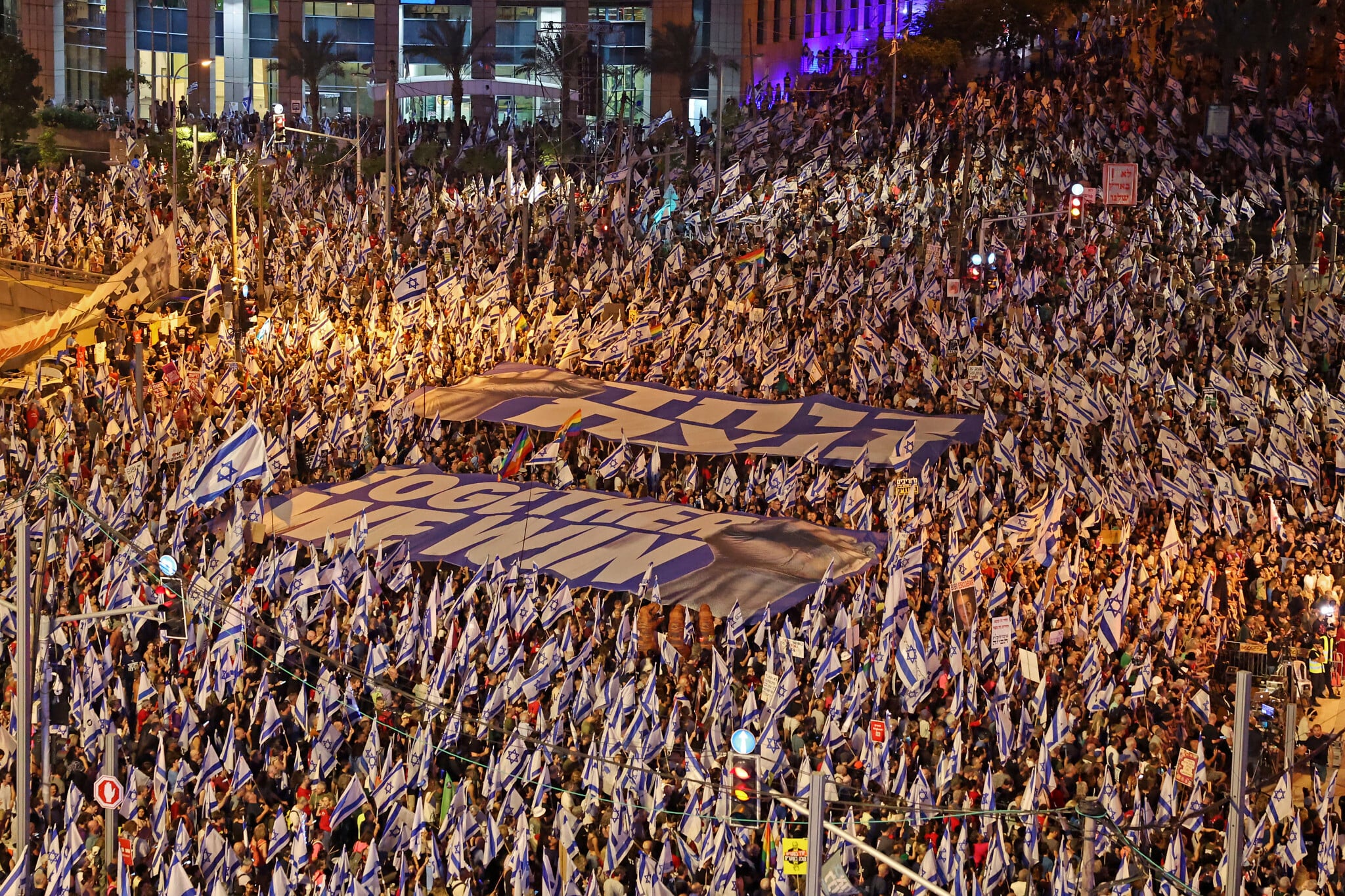
Despite the pledges of thousands of reservists not to report for duty due to the judicial overhaul efforts, nearly all answered the call on and after October 7, with over 300,000 reservists reporting for duty at the time.
Halevi and the Prime Minister’s Office both declined to comment on the Channel 12 report.
That protest movement ultimately succeeded in stymieing the most radical aspects of Levin’s overhaul agenda in the spring of 2023, and the government failed to make any significant progress on the initiative before the October 7, 2023, Hamas attack reordered the government’s priorities. But in early 2025, the government revived its contentious program, and during the course of the next 18 months, it succeeded in pushing several key components of its judicial overhaul agenda through the Knesset and into law.
The government has also refused to establish a state commission of inquiry into the October 7 disaster, arguing that an independent panel appointed by the Supreme Court would be biased against Netanyahu. Such an inquiry has been a major demand of families of victims and others since the attack took place, and opposition parties have vowed to set one up should they gain power after the October 27 election.