Ex-Mossad chief says Israeli operatives are active on Iranian soil, ‘not by proxy’
In recordings obtained by Haaretz from closed-door conference, Yossi Cohen suggests Saudi normalization can manage to 'skip over the Palestinian issue'
Former Mossad director Yossi Cohen offered an unusually candid glimpse into Israel’s covert activities in Iran and ongoing diplomatic efforts with Saudi Arabia, in recordings from a closed-door conference obtained by the Haaretz daily.
In the audio, published by the newspaper on Thursday, Cohen states that Mossad operatives are active on Iranian soil. Iran is “not a place where we operate by proxy,” Cohen can be heard saying in the clip. “We go in to recruit and to bring intelligence.”
Cohen stepped down as head of the Mossad in 2021 after five years at the helm, though he reportedly continued to work behind the scenes, including in hostage talks following Hamas’s massacre in southern Israel on October 7, 2023.
In the recording, which Haaretz said was made in the past few days, Cohen referenced public claims by US President Donald Trump about the destruction of Iranian nuclear sites during the 12-day war in June: “Trump said ‘total dismantlement.’ I say, if not total dismantlement — then at least, and this is a lot — a very substantial halt.”
He also warned that Tehran still retains a nuclear capability, saying, “The Iranian regime has not given up its nuclear ambitions.”
The former spy chief also discussed the diplomatic track with Riyadh, describing meetings with Saudi Crown Prince Mohammed bin Salman while he headed Israel’s intelligence service.
“A peace deal with Israel is possible, including a way to skip over the Palestinian issue,” said Cohen of the ongoing normalization efforts, suggesting that Saudi domestic politics could allow a deal that delays or sidelines an immediate resolution of the Israeli-Palestinian question.
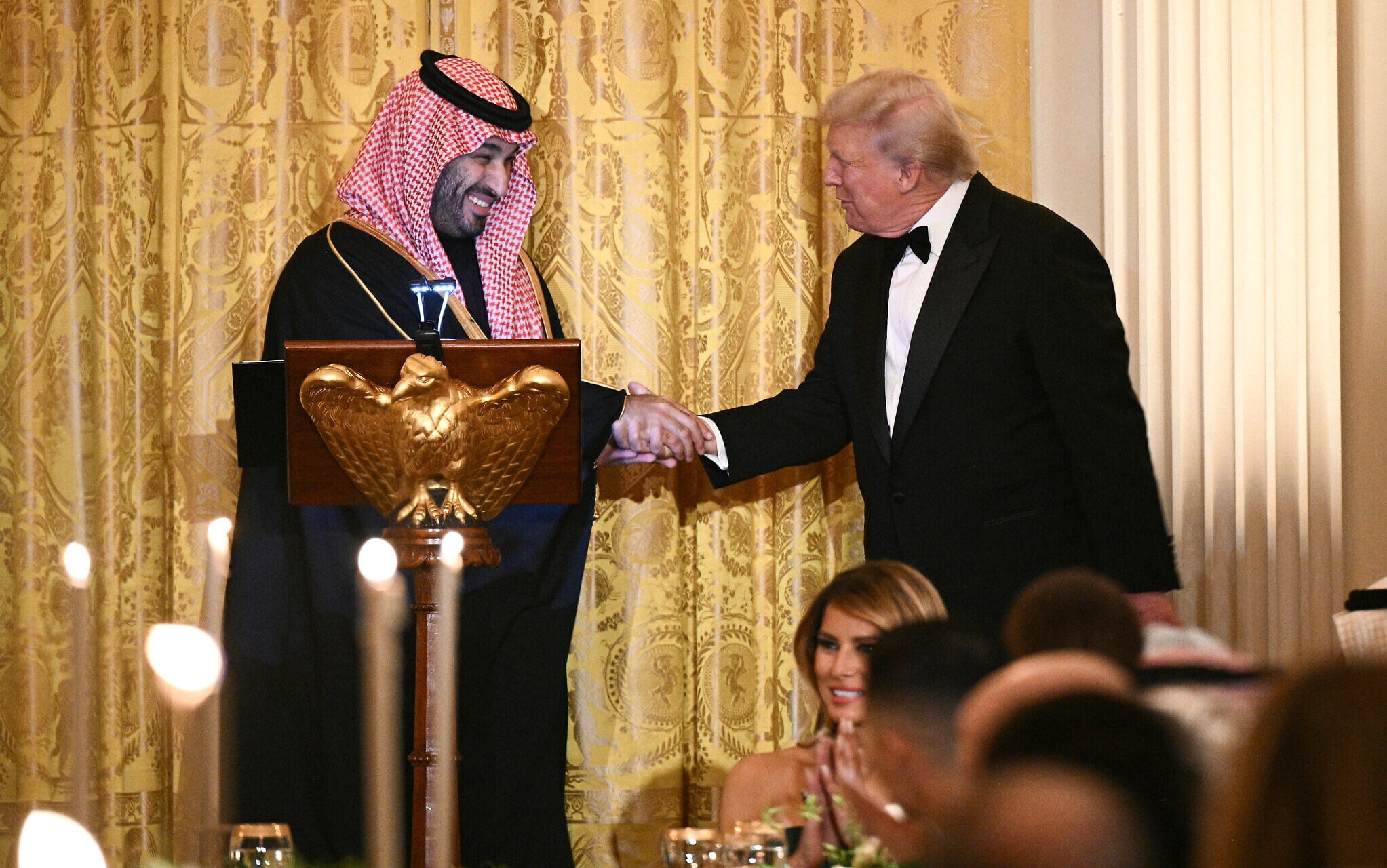
Saudi Arabia has insisted on a credible pathway to Palestinian statehood in exchange for establishing formal relations with Israel, a condition rejected by the Israeli government. Netanyahu declared during an interview last week that “there will not be a Palestinian state,” even at the cost of normalization with Riyadh.
The remarks came as Washington moved forward with a major arms package for Saudi Arabia — including F-35 fighter jets — a development that has prompted debate in Israel about preserving its qualitative military edge.
Cohen was long seen as a close confidant of Netanyahu, although in recent months he has been publicly critical of the prime minister, suggesting that it was time for him to leave office.
In an interview with Channel 12 in September, Cohen said that Netanyahu “did many things out of a deep faith in Israel’s good… at this time, now, change is required,” and that the prime minister “can’t unify” Israel the way it needs.
Cohen made those comments a week after saying that “for real change to happen, I need to be prime minister.”
However, speaking to an audience in New York last month, the former Mossad chief said he would not be running in the next election.