Hamas sees internal stirrings of dissent over reconciliation deal
Unity with Fatah is lauded in Gaza, but regarded with suspicion in the West Bank where arrests by PA continue unabated
Sheikh Hassan Yousef, a key Hamas leader in the West Bank and one of the organization’s most influential figures, said Tuesday that the much-lauded reconciliation agreement between Hamas and Fatah “is only a media event.”
Palestinian negotiators from rival factions signed a reconciliation deal in Cairo on October 12 that was meant to end a decade-long split, with Palestinian Authority President Mahmoud Abbas calling it a “final” accord. Under the agreement, the West Bank-based Palestinian Authority is to resume full control of the Hamas-controlled Gaza Strip by December 1, according to a statement from Egypt’s government.
The deal was signed by new Hamas deputy leader Saleh al-Arouri and Azzam al-Ahmad, the head of the Fatah delegation for the talks, at the headquarters of Egypt’s intelligence service, which oversaw the negotiations.
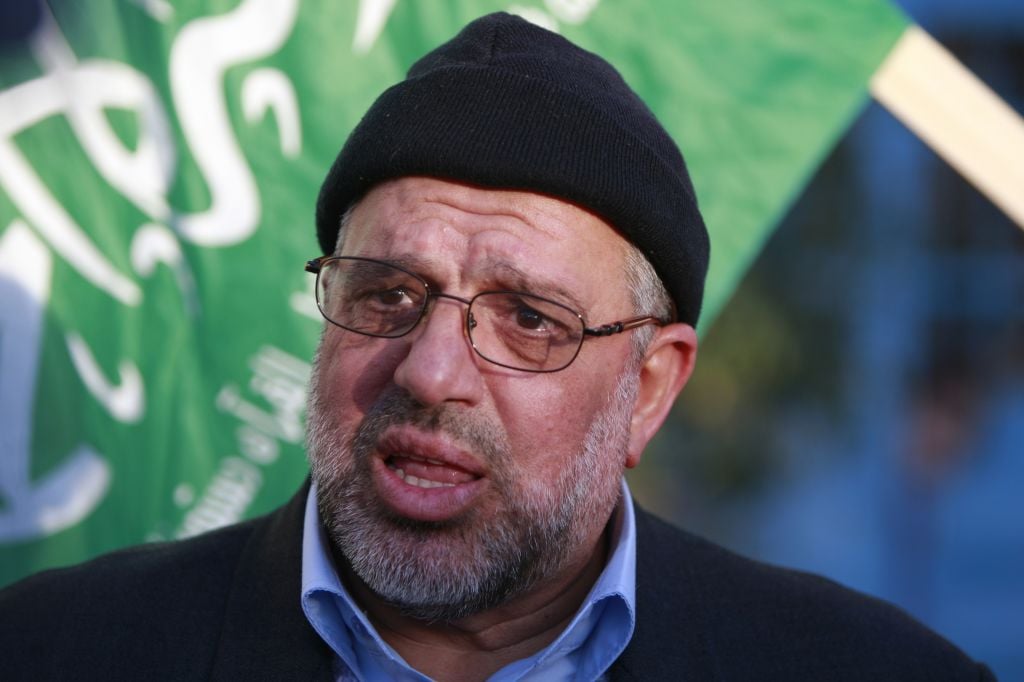
In comments made public on Tuesday, two weeks after the signing of the agreement, Yousef pointed to the PA’s arrests in recent days of many activists from Hamas and other groups throughout the West Bank. Yousef, who was only recently released from an Israeli jail, also noted that the PA’s sanctions against the Gaza Strip remain in place.
He warned that any delay in implementing the reconciliation agreement would have grave consequences to the sides’ ability to trust one another, and that this failure would exact a “steep price.”
Yousef’s concerns are clear: the wave of arrests by the PA has continued unabated, and even targeted Hamas members recently released from Israeli prisons, while the next round of reconciliation talks is slated for November 21 in Cairo, leaving plenty of time for unexpected – and unwanted – developments. For all the noise it is generating, the deal remains fragile.
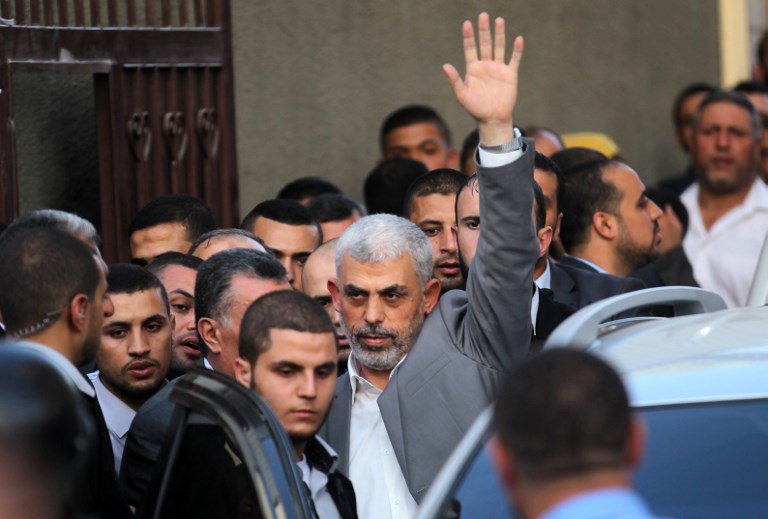
In contrast, Hamas’s leader in Gaza, Yahya Sinwar, considered the most ardent supporter of the reconciliation agreement, insisted on Tuesday that within six days, at midnight on October 31, control of Gaza’s border crossings will pass from Hamas to the Palestinian Authority. He has argued repeatedly that the reconciliation process is advancing, and that Hamas is readying itself to accept “domestic setbacks” due to the agreement with Fatah “for the good of the Palestinian nation.”
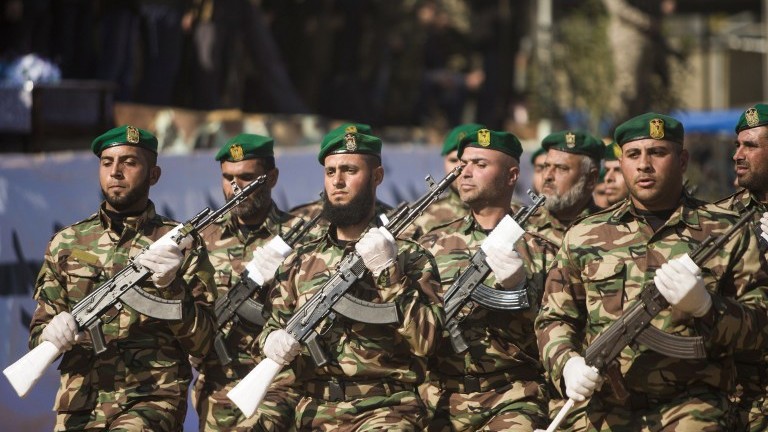
He resisted pressure to disarm his organization, emphasizing in his Tuesday comments that the weapons of the organization’s military wing were “the property of the Palestinian nation.” He also rejected out of hand the conditions put forward for post-reconciliation peace talks by Israel’s security cabinet, including that Hamas renounce violence and recognize Israel.
Sinwar added that “the reconciliation is a broad-based decision of the Hamas movement, both domestic and international,” that Hamas would “not allow the continued split [between itself and Fatah], and would act to end it as a national and humane duty and need. Anyone who doesn’t see that is wrong, and his conscience is corrupted. The continued split is a strategic danger to the national movement. We must unite.”
He warned of those who would “ambush the reconciliation, waiting for its failure.”
Attention has rightly been focused on the Gazan leadership and its efforts at hammering out the new agreement in Cairo. But not everyone in Hamas is as pleased or optimistic about the reconciliation. In the West Bank there is real dissent among Hamas leaders, many of whom were left out of the talks that brokered the reconciliation, and of the broader accommodations that make it possible.
They are the uncomfortable caveat to Hamas’s celebratory rhetoric, and may yet have a say in the success or failure of the reconciliation.