In TV documentary, soldiers detail use of Palestinian civilians as human shields
Testimonies aired by Kan detail widespread practice of units forcibly recruiting innocent Gazans at start of war to search buildings before troops enter; IDF says 'we will learn from this'
Israel Defense Forces soldiers and commanders who served in the Gaza Strip during the war against the Hamas terror group acknowledged using innocent Palestinian civilians as human shields in an extensive investigative report aired by the Kan public broadcaster on Wednesday night.
It has been widely reported that at the start of the Gaza war, following Hamas’s October 7, 2023, onslaught, detained Palestinians were routinely sent to search buildings and tunnels in Gaza before troops entered, despite the military saying the practice was prohibited.
The Haaretz daily first publicized the military’s use of human shields in Gaza in August 2024. The IDF has since confirmed launching at least 10 criminal probes into such cases.
Wednesday night’s one-hour episode of Kan’s documentary series “Zman Emet” (“Real Time,” or “Time for Truth”) detailed, including through on-record testimony from senior officers, how various units forcibly recruited innocent Palestinians to carry out reconnaissance missions during operations in Gaza in an effort to minimize harm to troops, without oversight and with top commanders turning a blind eye to the phenomenon, which later ended at the initiative of low-ranking soldiers.
Various units referred to the human shields by different terms, including “human platforms,” “shawish” — a slang word for a low-ranking soldier — and “mosquito.”
The practice appears to have been widespread, though precise data is unclear. The number of human shields used by the army during the fighting in Gaza is unknown, as their use was not properly documented. However, according to the documentary, some soldiers claimed that certain units had a “mosquito” in every company.
The documentary detailed how troops encountered booby traps laid by Hamas in nearly every home, forcing the army to adapt and develop new methods of neutralizing the explosives before sending soldiers inside.
Troops described firing tank shells or shoulder-launched missiles at a building to try and set off any bombs, using a D9 armored bulldozer to dig around it to uncover any wiring, sending in a dog of the Oketz canine unit to search, or using a small drone.
But these capabilities gradually became unavailable, and troops said they were ultimately forced to carry out the tasks themselves.
“In those days, all capabilities had deficiencies. Very quickly, we no longer had dogs because they all sacrificed their lives for us. Drones were not as widespread as they are today in the army. Also, engineering vehicles were used in moderation,” said Lt. Col. (res.) Elitzafan Granevich, deputy commander of the Kiryati Reserve Armored Brigade.
“Ultimately, you want to provide a solution, as a commander, in which you are reducing the danger [to troops] as much as possible,” he said.
“Everyone wants all the capabilities; everyone wants everything. But resources are limited; you can’t give everyone everything,” said Col. (res.) Eli Gino, former chief of staff of the Givati Infantry Brigade and a member of the People of Israel political party, which failed to cross the electoral threshold in the recent election.
A forbidden practice spreads
According to soldiers who testified in the documentary, the practice began during fighting in southern Gaza’s Khan Younis in early 2024, when infantry and armored units began operating alongside special forces tasked with tackling Hamas’s underground infrastructure. They saw that the special forces would send a Palestinian into a site before entering themselves.
“We found out that when it’s a special forces soldier, he doesn’t use his [assault rifle]; he sends a Palestinian in front of him,” an infantry officer in the reserves with the rank of major recalled. Another soldier said that they saw “a handcuffed Palestinian in an area where there are tunnels,” next to special forces.
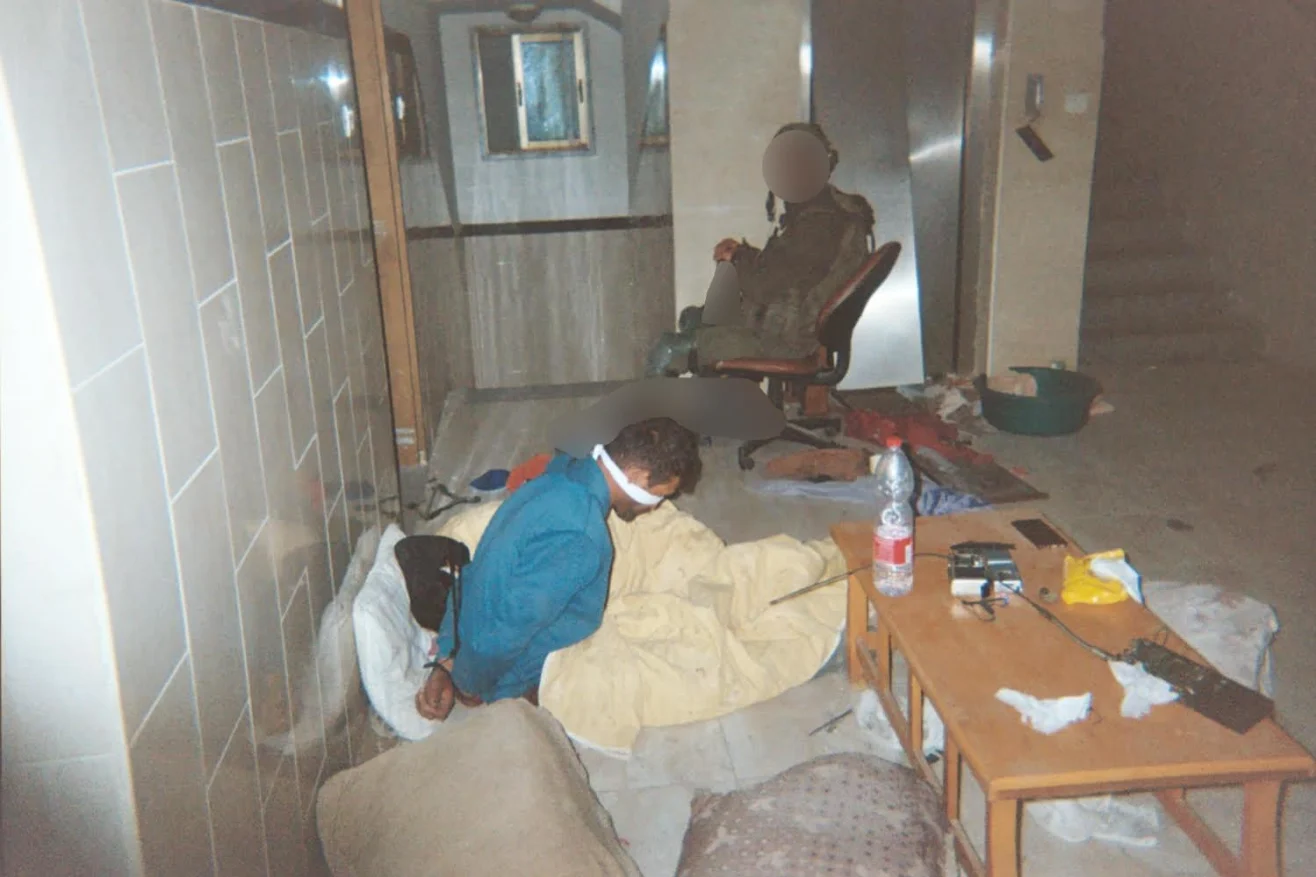
The major recalled that one of the company commanders in his unit asked: “Why is it that when a special forces soldier enters [a site] he has a human shield, but my soldier doesn’t?”
The Shin Bet security agency and the military’s Unit 504, which specializes in human intelligence, are authorized under strict regulations and in specific circumstances to use Palestinian detainees for missions, such as having a captured Hamas operative point out the location of a tunnel.
The military has often cited information gathered from Gazan detainees as being used in operations to rescue hostages or recover their bodies from Gaza. In July 2024, the Shin Bet published a photograph showing a handcuffed Palestinian detainee dressed in protective gear alongside IDF troops during an operation to recover the bodies of five Israeli hostages.

However, the infantry soldiers tasked with clearing entire neighborhoods in the Strip were entirely forbidden by the army from carrying out a similar practice.
“In every other house there is an entrance to a tunnel, every third house has a Kalashnikov or an RPG or a sniper rifle. Exhausted, we put two and two together. Suddenly we found an amazing solution: we can use Palestinians,” the major said.
Soldiers in the documentary described how they obtained the Palestinian human shields, or so-called mosquitoes, through army checkpoints intended to distinguish innocent civilians from Hamas operatives during evacuations from combat zones.
Terror suspects identified by Shin Bet officers at the army checkpoints are apprehended and taken to Israel for questioning, while those with no known terror ties are allowed to continue out of the combat zone.
“We said that we don’t want a terrorist; we don’t want to have to live with him in the same building… I don’t want to be in that situation. So instead, we used those who are considered ‘green,'” the major said, referring to innocent Palestinians who were supposed to be allowed to leave the combat zone.
The documentary stated that other units had different ways of obtaining Palestinians to use as human shields, but they were all largely innocent and not wanted for questioning.
Soldiers said that they would pick out mainly young men for the tasks, as they were physically capable of climbing through the rubble and searching buildings.
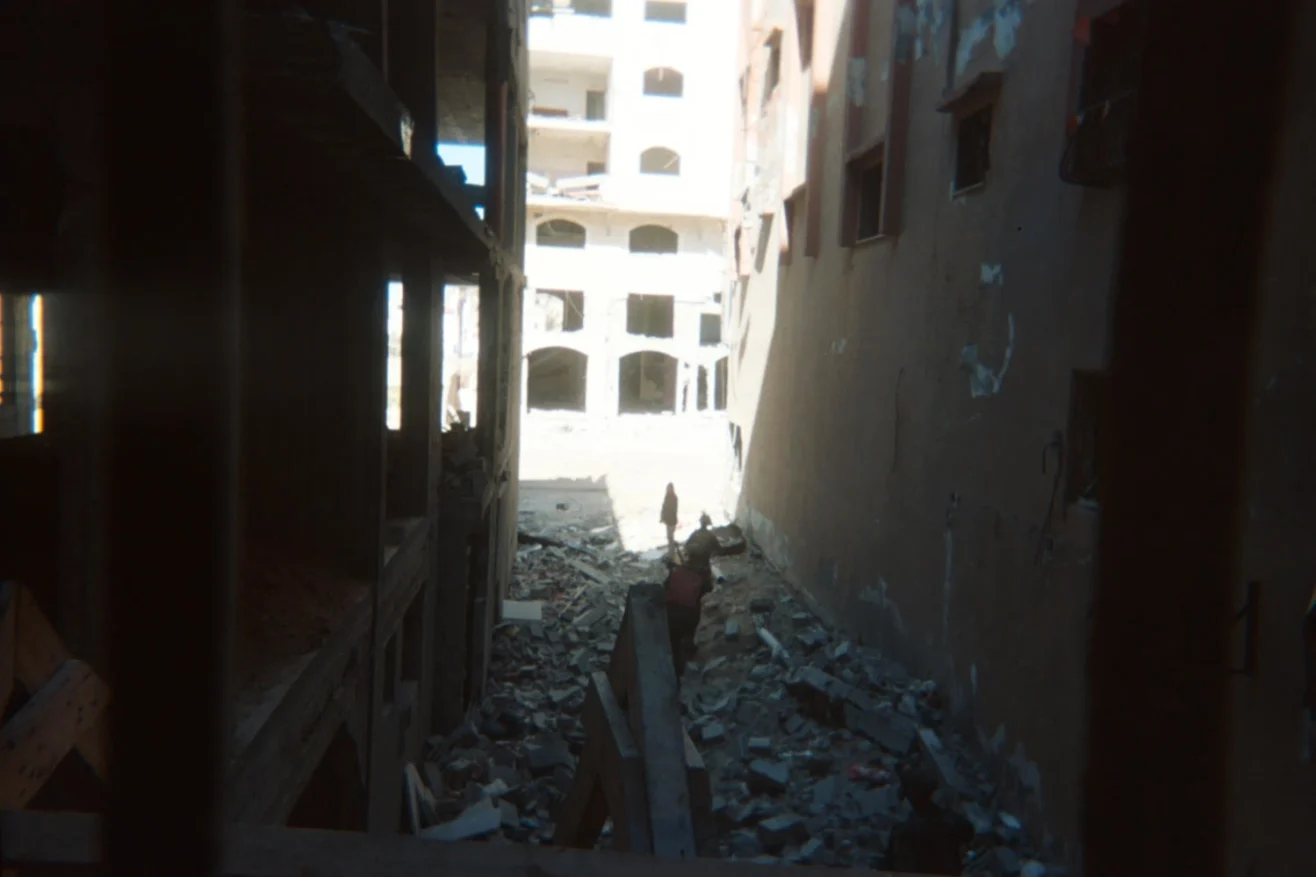
A sergeant said that during the war, while stationed near a main humanitarian evacuation route, he heard his company commander ask troops over the radio to “capture two mosquitoes.”
The next day, an interrogator brought the two Palestinians to him and said, “We captured them on the route; use them to open sites, and try not to hit them too much,” the sergeant recalled. The soldier said that one of the Palestinians was around 16 years old, and “shaking.”
“They had their hands tied behind their back, and they slept with us that night. The next day we carried out an offensive and captured four to six sites. Before the [Palestinians] headed into the sites, we took off their blindfold, not the handcuffs,” the sergeant said.
He said that “we couldn’t communicate with them because nobody in our platoon spoke Arabic.”
He said the two Palestinians mainly repeated two words in Arabic: Rafah, the southernmost city in the Strip that they were likely trying to reach, and hamam, meaning a toilet.
“Because they were handcuffed behind their back, we needed to escort them to the toilet. It was a horrifying experience, but probably for him it was even more horrifying,” he said.
Another officer recalled that several months into the war, he was told by his commander that during this stint, the unit would not receive an Oketz team with their dogs, “but we will get a mosquito.”
The officer said the Palestinian man, in his 20s or 30s, whom they called Mohammad, was “miserable.”
“He was crying that he wanted to see his parents,” he said.
After around two weeks of carrying out operations for the army, Mohammad was released, the soldier said, adding that they saw him walking around the same area later, but it remained unclear what happened after that.
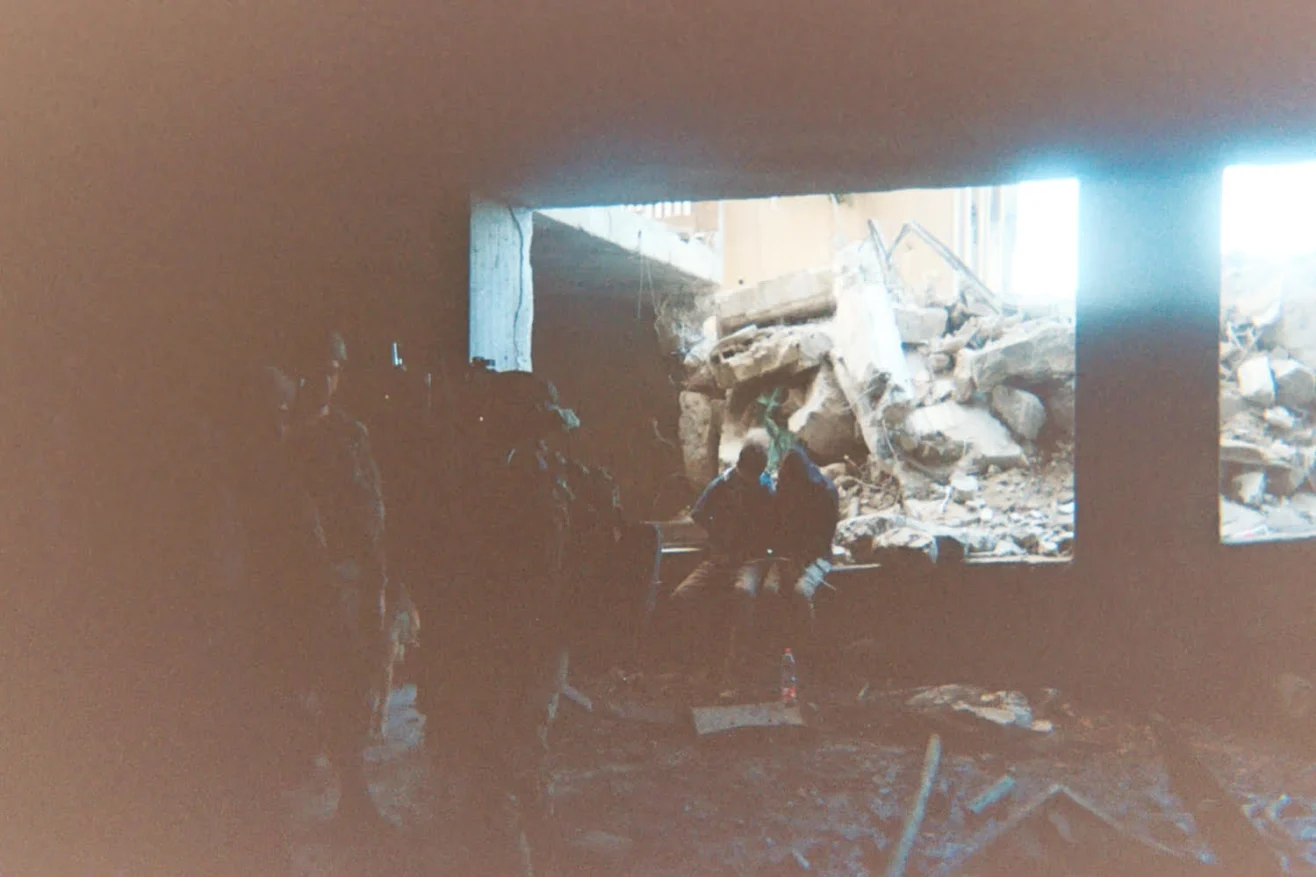
Another officer said that his brigade received a battalion from another brigade for operations in the Strip’s north, “and that battalion used a shawish.”
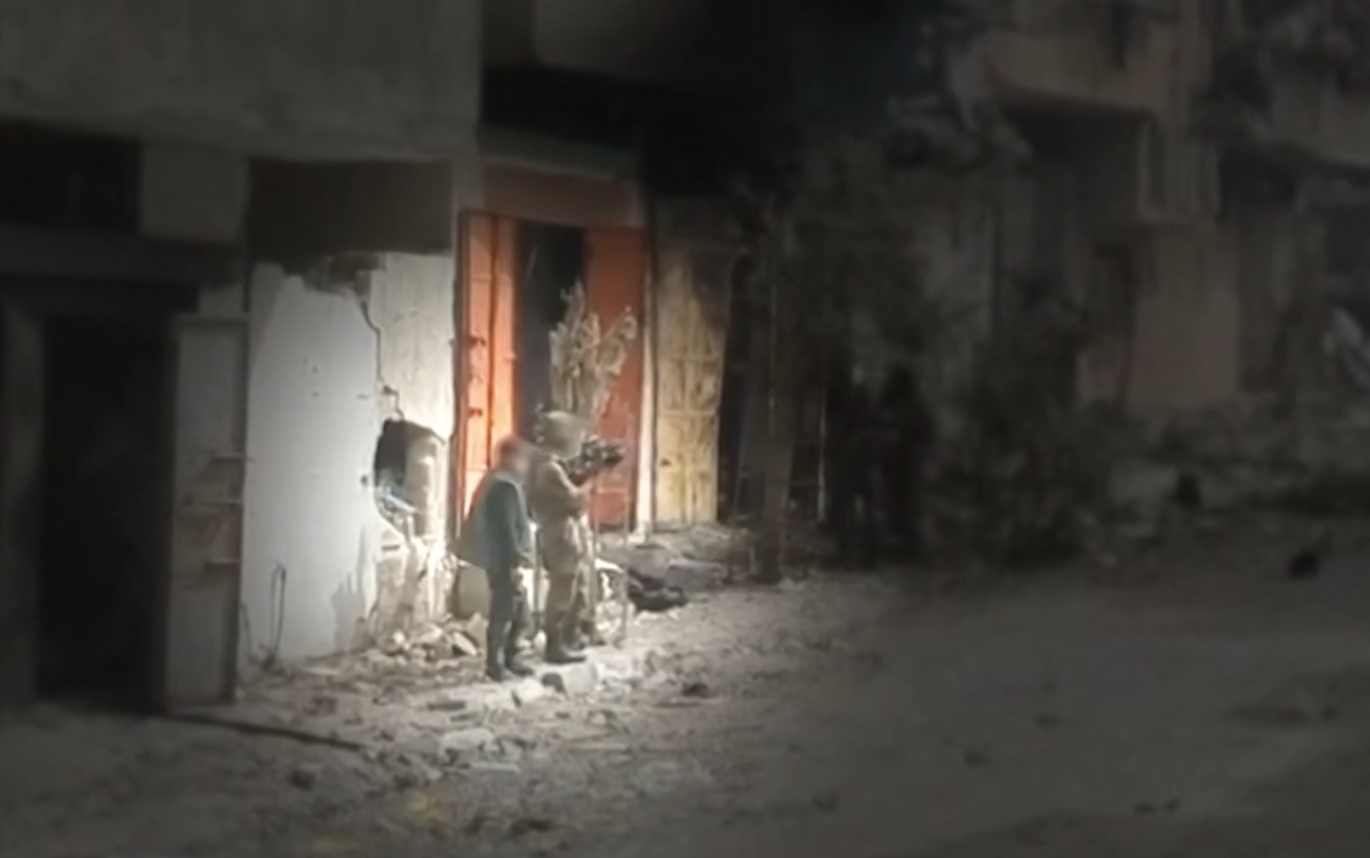
“They used him as an alternative to a dog, as an alternative to firing a tank shell. It’s faster, safer. This Palestinian goes in before IDF troops, searches cupboards. We know the house isn’t booby-trapped, and only then do infantry troops enter,” the officer recalled.
“We saw that it is an effective method. This battalion managed to work twice as fast as ours,” he said.
The forbidden practice then spread. “One unit entered a house and encountered civilians. The battalion commander said, ‘Save them for me; I’m going to take one to be my mosquito,'” the officer said he heard over the radio. “Everyone knew of the protocol.”
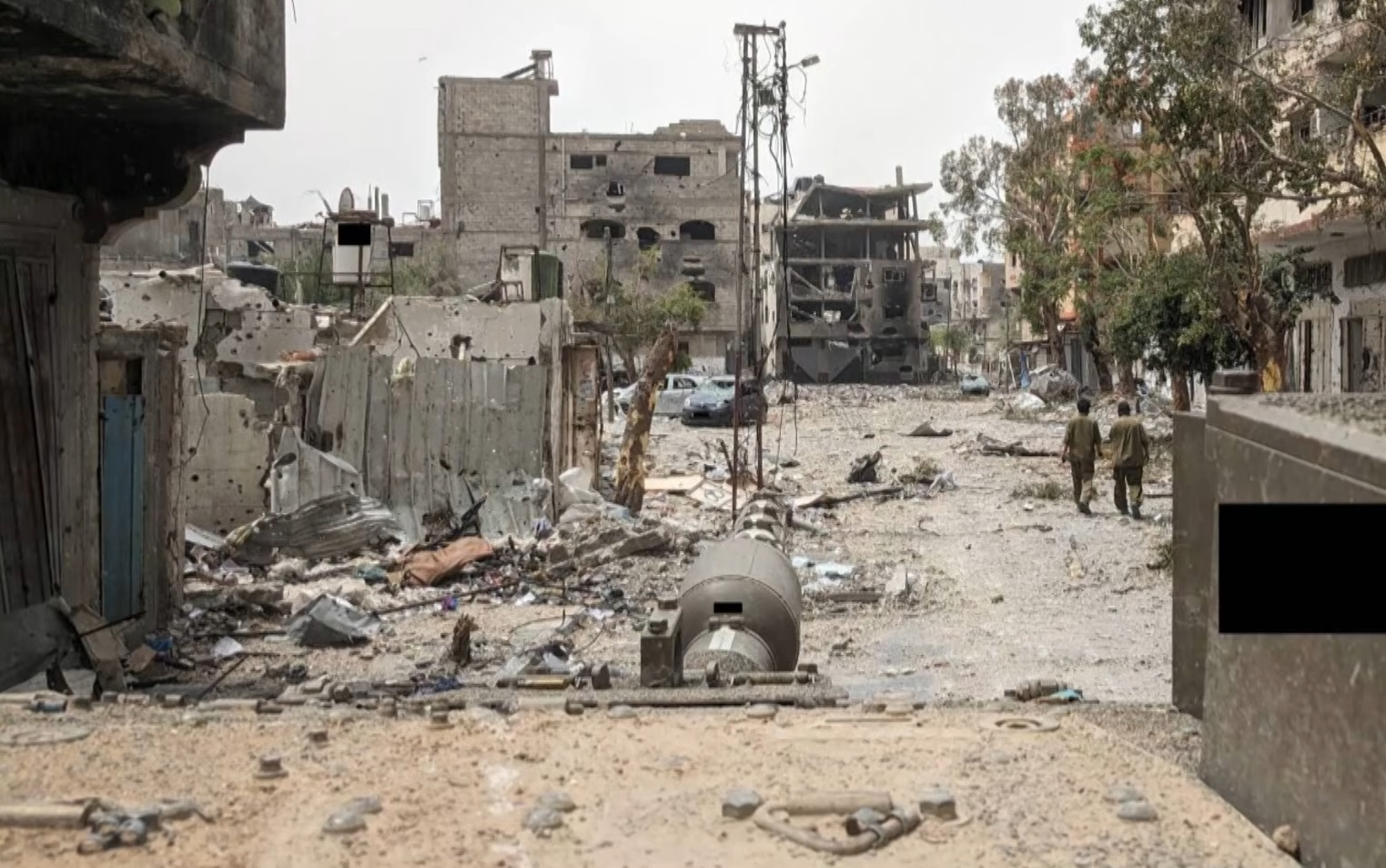
The major said that at one point a Shin Bet officer entered his brigade’s temporary headquarters and asked: “These people you are using, where did you get them from? They aren’t ours, not Unit 504’s. Who let you do this? Who approved this?”
“You don’t understand the danger; you are using [this method] unprofessionally,” the Shin Bet member said, according to the officer.
The documentary described an incident in which a Palestinian human shield was sent into a building carrying a camera, but found nothing. Troops then entered the building after him without using any firepower, only to be ambushed by Hamas gunmen, who killed one soldier. It was unclear whether the use of the Palestinian had been mentioned in an official debriefing of the incident.
Granevich, the deputy commander of the Kiryati Brigade, said: “Nobody knew what the guidelines were for holding these prisoners. Who talks to them? What actions can they carry out, and what are they not allowed to do? Are they registered somewhere? What do we do if they are injured?”
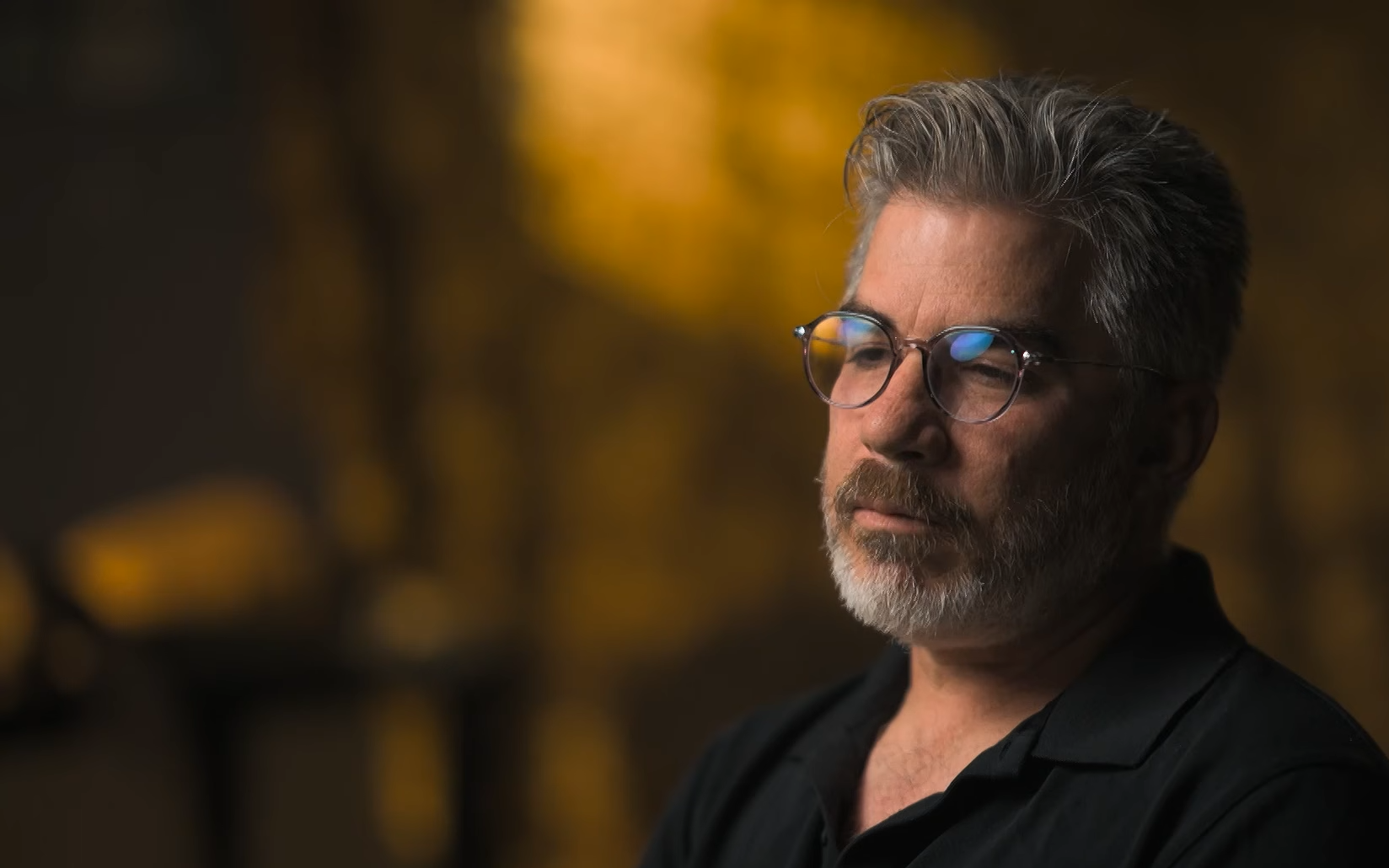
“Even in war there are laws; this was something lawless,” he said.
The deputy brigade commander said he tried to get his superiors to speak with the Shin Bet, Unit 504 and division headquarters “to help us regulate this. We want order to this mess.”
Asked whether he received any answers, Granevich said there was “shirking” and that “we didn’t get any answers.”
“They all knew; the brigade commander, the division commander knew. It was not hidden in the military hierarchy,” another soldier said.
Phenomenon ends at the initiative of low-ranking troops
Many of the Palestinians used as human shields were released alive and have since been interviewed about their experiences. However, some were accidentally killed by Israeli fire because troops mistook them for terrorists.
In one incident described by soldiers in the documentary, a Palestinian being used by the forces exited an armored personnel carrier. Despite radio calls warning that the man, who was not dressed like a soldier, was walking in the area, other troops opened fire and killed him.
After such incidents, many of the human shields were dressed in army uniform, but without any protective gear, according to the documentary.
“What brought an end to the phenomenon was not us, the commanders at the tactical level, nor the senior officers, the brigade and division commanders. Ultimately, it was the soldiers on the ground, below us,” the major said.
“They dared to stand up and say: ‘Are you sure this Palestinian we took, and is going to explode on a bomb, is the best solution you can give us?’ They started to ask questions,” he said.
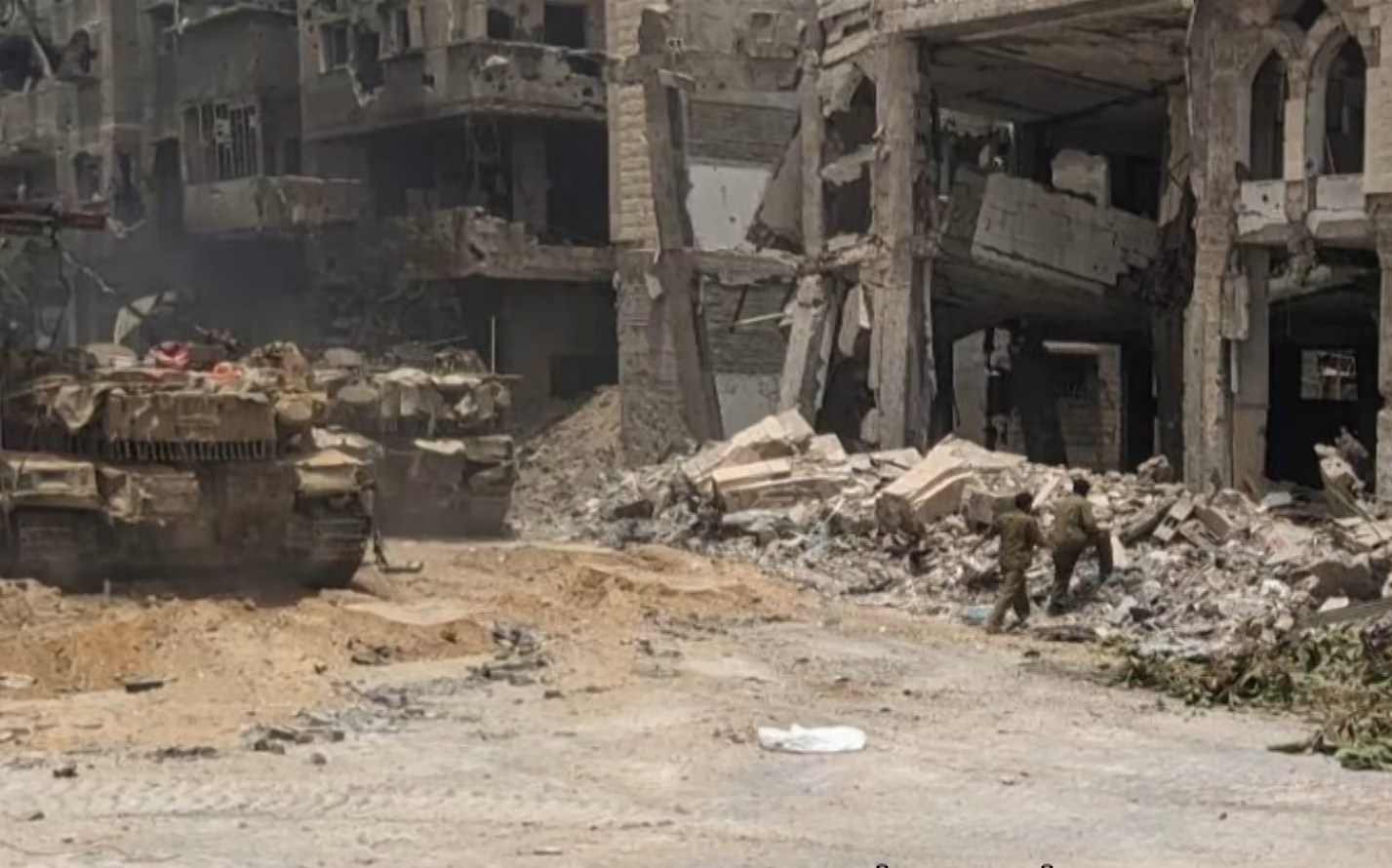
Granevich said he began looking into the use of Palestinians as human shields in his unit and called one of the deputy battalion commanders, asking him: “Do you have shawishim?”
“He responded, ‘Do I look like an idiot? When I replaced the standing army battalion in this area, they wanted to transfer their shawishim to me,’ as if they were transferring a Humvee,” Granevich recalled. “There were commanders who knew to say no.”
A senior officer in an unnamed brigade that had decided to impose a blanket ban on the use of human shields was quoted in the documentary as saying: “When our brigade inherited the mosquitoes from a brigade in the area before us, members of the division told the brigade commander that these are terrorists and we should feel comfortable using them.”
“But after [the brigade commander] checked with the Shin Bet, it emerged that these are not terrorists, and he insisted on ending this saga,” the officer said.
Granevich said that in his brigade it was also decided to end the use of the human shields. “We cannot continue like this.”
“Some commanders found it difficult, but with others, you could see it in their eyes: ‘I’m so glad they let me out of this thing.’ It was weighing on them, and all that was required was a commander who would say: ‘The party is over,'” he said.
Granevich said he instructed his forward command team to carry out a special mission: “Go buy clothes and shoes from the nearest store,” as they couldn’t release the captive Palestinians into Hamas-held territory wearing army uniforms.
The deputy battalion commander said he raised money among his comrades to buy the clothes, and the following day they gathered all six Palestinians who were being used by the unit. “They were randoms, from different places, collected at different times… they are not Hamas operatives,” he said.
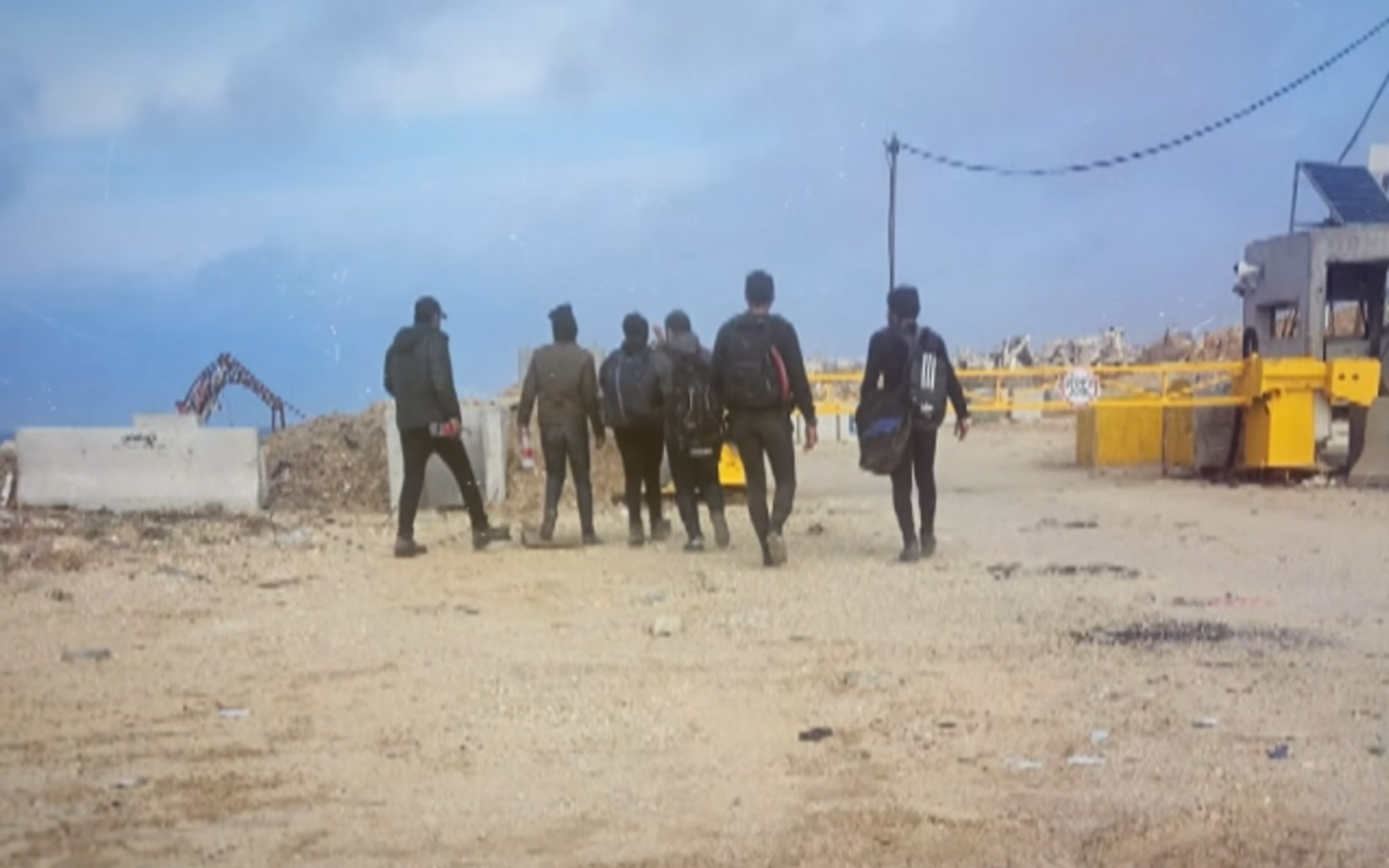
Granevich said they took the six Palestinians to the Netzarim Corridor in the center of the Strip, removed their blindfolds and told them which way to walk.
“And that’s it, we released them,” he said, with a sigh of relief.
‘We will learn from this,’ IDF spokesman says
Defense Minister Israel Katz said Tuesday that he was seeking to censor the investigative report. Yisrael Beytenu party chief Avigdor Liberman of the opposition also called on Kan to pull the report, saying it would be used “to spread blood libels against IDF soldiers.”
However, it was far from the first media investigation into the so-called “Mosquito Protocol.”
Following Haaretz’s initial reporting, a New York Times investigation published in October 2024 provided further details of the practice. The Associated Press published similar claims in May 2025. And a British documentary in November 2025 also detailed the military’s use of human shields in Gaza, citing testimony from soldiers.
In response to the reports, the army has said that “the orders and instructions of the IDF forbid using civilians in Gaza who were arrested in the field for military missions,” adding that “the orders and instructions are made clear regularly to soldiers in the field during the war.”
Speaking to Kan on Thursday morning, IDF Spokesman Brig. Gen. Effie Defrin said that “the IDF is committed first and foremost to its values, the law and the safety of its troops, who operate under complex conditions against terror organizations that make cynical and cruel use of the civilian population.”
“We are constantly learning and improving, and we will learn from this and improve in this area as well. First and foremost at the systemic and organizational levels. And, if necessary, on an individual level as well,” he said.
“Let us not get confused here and forget that Hamas has made, and continues to make, cynical use of the civilian population — in kindergartens, with babies, in beds, as we have seen. And we are still seeing such use of hospitals, medical equipment and medical devices, in violation of every rule of law and legal norm,” he added.
Israel has long accused Hamas of routinely using Gazans as human shields by positioning rocket launchers, command centers and other military infrastructure in the heart of residential areas. Many released and rescued hostages from Gaza have testified that they were held in homes in crowded apartment buildings among families.