

British TV set to air film interviewing IDF soldiers on alleged Gaza war misconduct
First-hand testimonies describe human shields, indiscriminate killings, and the controversial influence of a brigade rabbi; army insists it ‘remains committed to the rule of law’
 Add ToI as a Preferred Source on Google
Stav Levaton is a military reporter for The Times of Israel

A new British documentary airing Monday on ITV features rare testimony from Israel Defense Forces soldiers who say the war waged in Gaza was marked by relaxed rules of engagement leading to the gratuitous killing of innocents, the use of civilians as human shields, and orders to destroy buildings without clear military justification.
While many of the allegations in “Breaking Ranks: Inside Israel’s War” echo earlier allegations aired in Israeli and international media, the hour-long film introduces several new and specific accounts that have not appeared in previous coverage.
The documentary, produced by the London-based studio Zandland and directed by Ben Zand, assembled on-camera interviews with serving and former IDF personnel, some speaking publicly for the first time. Their testimony offers a portrait of a military campaign that several participants described as unrestrained and morally disorienting.
“These testimonies shine a light on actions and decisions that the world was never meant to see, and they challenge us to confront what really happens in conflict when accountability is lost,” Zand said ahead of the broadcast.
‘Mosquito protocol’
Among the most striking claims is that of a tactic dubbed the “mosquito protocol,” by which Palestinians were allegedly forced to walk through Hamas tunnels wearing a vest equipped with a smartphone that transmitted GPS data to Israeli units above ground.
“You send the human shield underground. As he walks down the tunnel, he maps it all for you. He has an iPhone in his vest, and as he walks, it sends back GPS information,” said a tank commander simply identified as Daniel. “The commanders saw how it works. And the practice spread like wildfire. After about a week, every company was operating its own mosquito.”
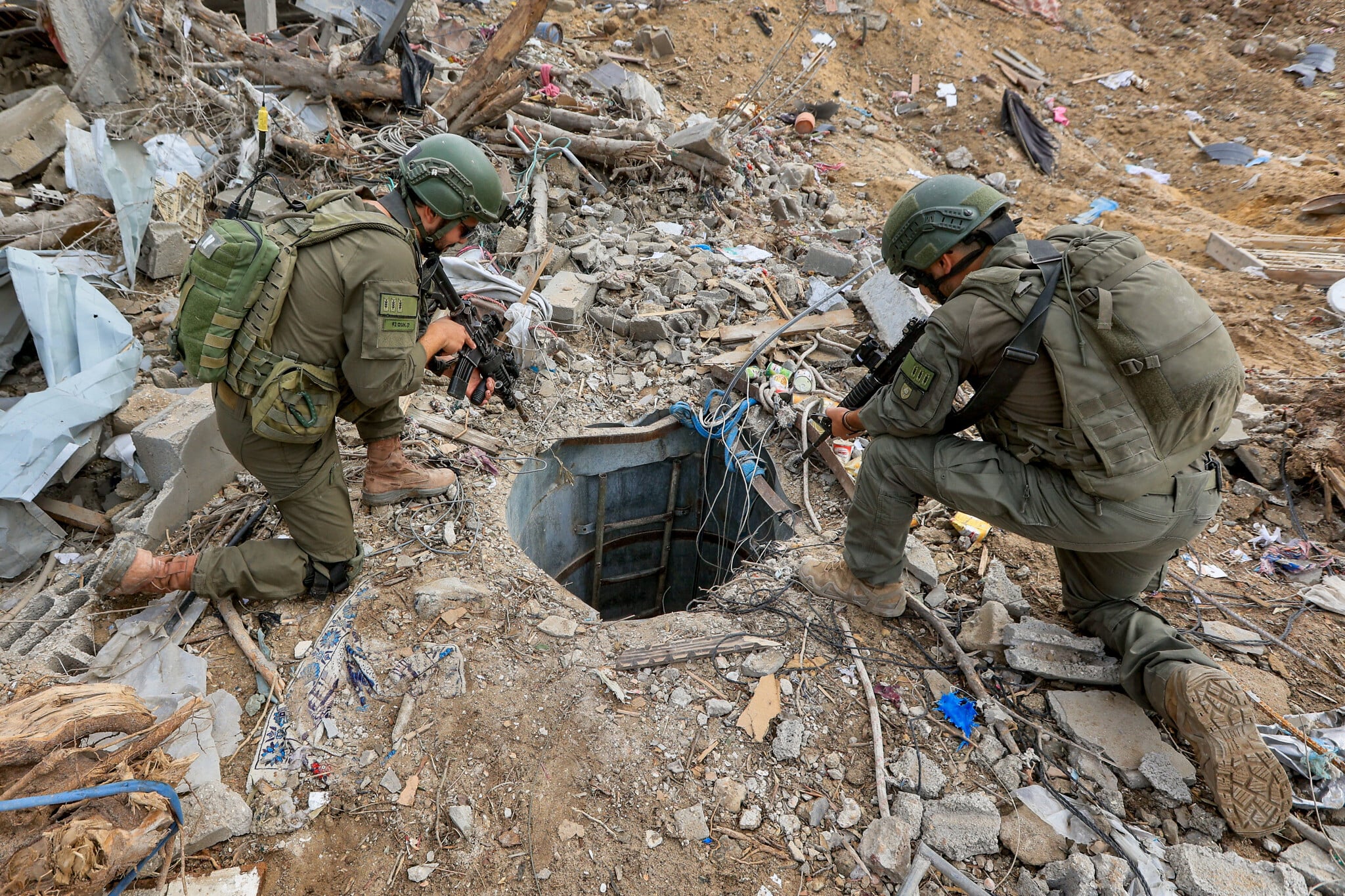
In October 2024, The New York Times reported that while IDF troops have often used drones and sniffer dogs to conduct reconnaissance operations in the often-booby trapped Hamas tunnels as well as in homes and buildings rigged with explosives, at times they used detained Palestinians — referring to detainees brought in from Israel for such a purpose as “wasps” and those captured locally and used in the field as “mosquitoes.”
The IDF has previously denied allegations of using human shields, opening internal probes into such claims.
IDF rabbi shapes operations
One of the film’s testimonies comes from Maj. Neta Caspin, who recounted a conversation with her brigade rabbi about the justification for harsh measures in Gaza.
“One time, the brigade rabbi sat down next to me and spent half an hour explaining why we must be just like they [Hamas] were on October 7. That we must take revenge on all of them, including civilians. That we shouldn’t discriminate, and that this is the only way,” she said.
Rabbi Avraham Zarbiv — a military reservist and rabbinical court judge who has been publicly linked to operating armored bulldozers in Gaza — also appeared in the film.
Zarbiv can be seen saying, “Everything there [in Gaza] is one big terrorist infrastructure… The IDF invests hundreds of thousands of shekels to destroy the Gaza Strip.”

“We changed the conduct of an entire army,” he added, appearing to boast about the scale of destruction and his influence on IDF operations in Gaza.
Zarbiv has publicly expressed similar sentiments before, telling Israeli media in May that the way to defeat Hamas was to “flatten” Gaza.
A video posted to social media earlier this year showed Zarbiv demolishing a building in Khan Younis with a D9 bulldozer, as another soldier commented off-camera, “Rabbi Zarbiv is ‘Zarbiving’ a house live from Gaza.”
Rules of engagement abandoned
Other soldiers recounted witnessing incidents in which civilians were killed without a clear cause.
One described a tank firing on a man “hanging laundry” on a rooftop after a commander allegedly misidentified him as a spotter.
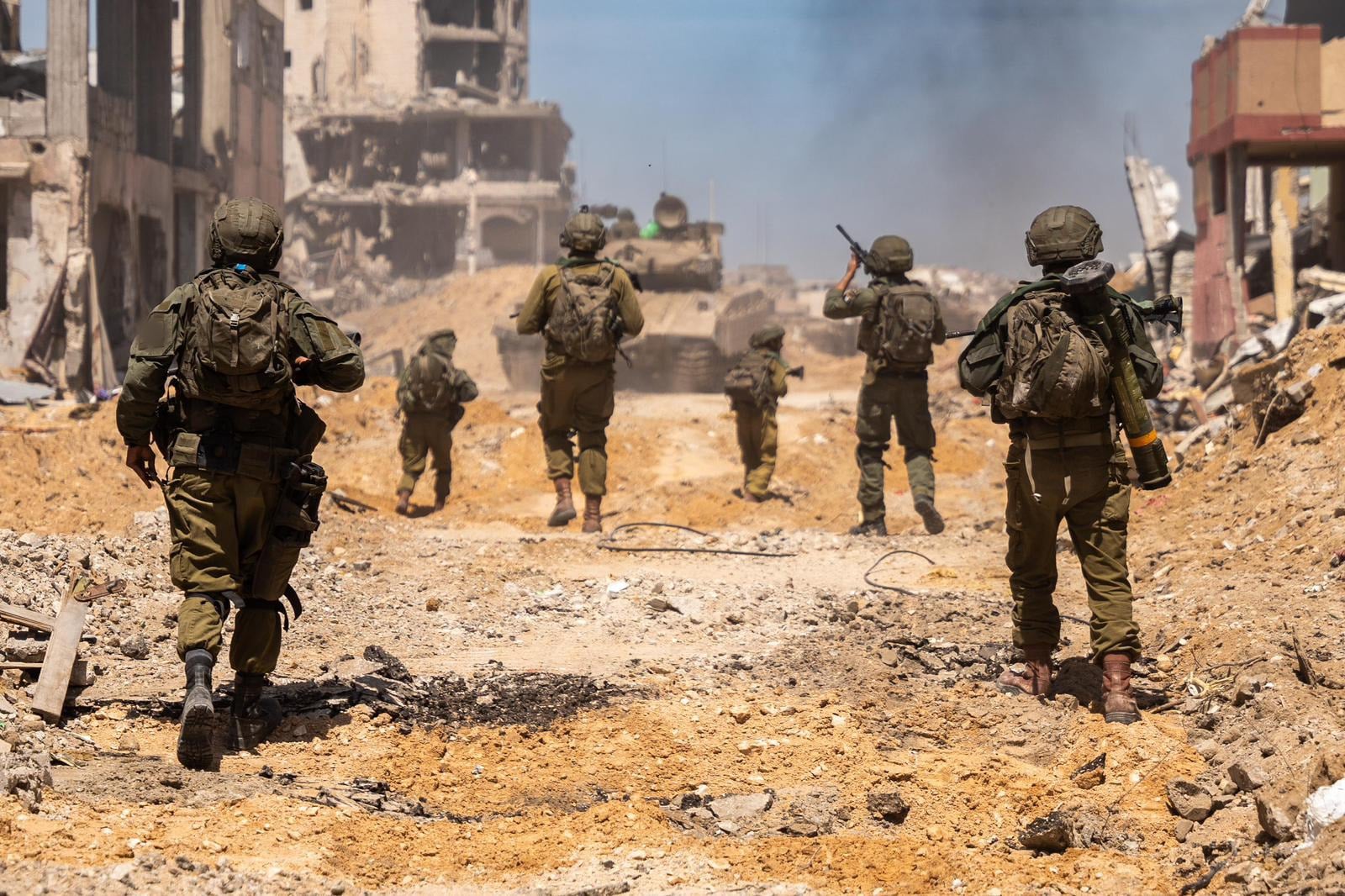
“It’s not as if this man had binoculars or weapons,” said the soldier, identified as Eli. “The closest military force was 600 to 700 meters away. So, unless he had eagle eyes, how could he possibly be a spotter? And the tank fired a shell. The building half collapsed. And the result was many dead and wounded.”
Another, identified as a humanitarian contractor named Sam, said he saw two men shot while running toward a food distribution point run by the Gaza Humanitarian Foundation.
“You could just see two soldiers run after them. They drop onto their knees, and they just take two shots, and you could just see… two heads snap backwards and just drop,” he recounted.
Israel has previously faced accusations of targeting Gazans seeking aid, a claim it has consistently denied. In August, Human Rights Watch alleged that IDF troops operating outside US-backed aid centers in Gaza routinely killed civilians trying to access food and that Israel used starvation as a weapon of war.
Capt. Yotam Vilk, an armored corps officer who earlier chronicled Gaza as a “lawless zone” in a New York Times op-ed, described in the documentary the IDF’s official rules of engagement during training.
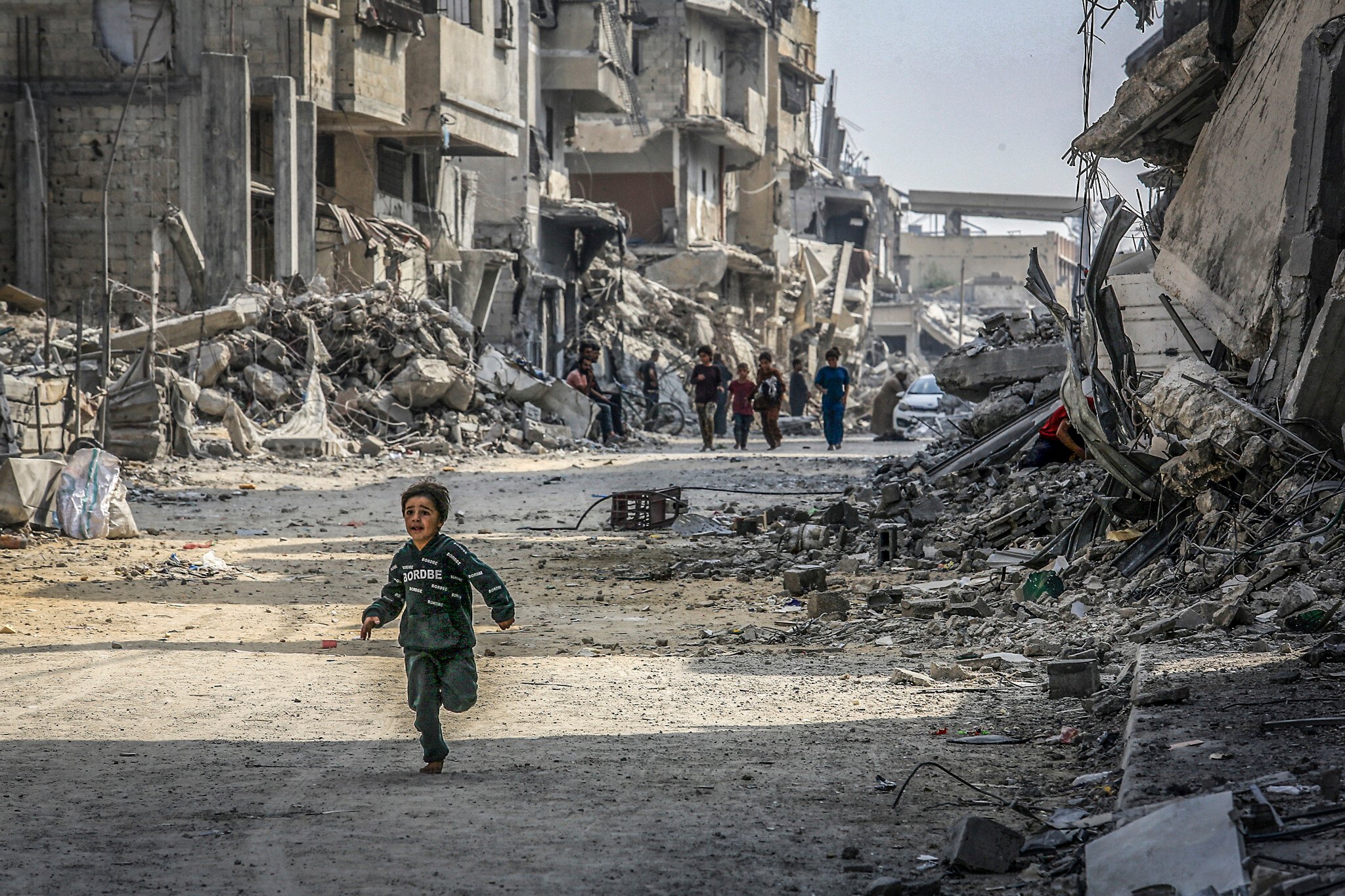
“In basic training for the army, we all chanted ‘means, intent and ability,’” he recalled, referring to the guideline that a soldier can fire only if the target has the means, shows intent, and has the ability to cause harm.
“There’s no such thing as ‘means, intent and ability’ in Gaza,” Vilk added. “No soldier ever mentions ‘means, intent, and ability.’ It’s just a suspicion of walking where it’s not allowed. A man aged between 20 and 40.”
The IDF responded to the documentary’s claims in a written statement, saying it “remains committed to the rule of law” and that “allegations of misconduct are thoroughly examined,” adding that several investigations by the Military Police Criminal Investigation Division are ongoing.










The Times of Israel Community.