Israel plummets to worst-ever OECD education scores in math, reading, science
Drop seen in all three skills compared to previous assessment in 2022; country descends to 33rd among developed countries; minister blames war conditions at time of 2025 testing
Israel’s scores on a key international test of student comprehension dropped precipitously in the latest 2025 results, with the country scoring below average in reading, math and science and registering its lowest-ever results in those skills.
The Programme for International Student Assessment tests, known as PISA, is a measure of 15-year-olds’ aptitude in reading, math and science run by the Organisation for Economic Co-operation and Development (OECD). It is carried out once every three years. The report, published Tuesday, also included an additional category for computational problem solving.
Israel is now ranked 43rd in the world, down from 38th in the last test in 2022, and 33rd among developed countries, down from 31st. The 2025 score average is Israel’s lowest since it joined the survey in 2000.
The country lost an average of 29 points across all four subjects in the newly published 2025 results, the second sharpest decline of any country, after Latvia.
Students saw their biggest drop in reading, scoring 436, down from 474 in the 2022 test; in science, they were at 442, down from 465; in math, they scored 433, down from 458, and they got 444 in computational problem solving. The OECD average for those subjects is 461, 482, 463, and 500, respectively. The results for schools in the Palestinian Authority were 359 for science, 350 for reading, 354 for math and 393 for computational problem solving.
Yesh Atid MK Meirav Cohen wrote on X that the results were “a serious indictment against the education system and the person who heads it.”
Opposition Leader Yair Lapid shared Cohen’s post, adding that “the education system can be fixed, and we have someone who knows how to do it.” Earlier this year Lapid tapped Cohen as his party’s pick for the next education minister.
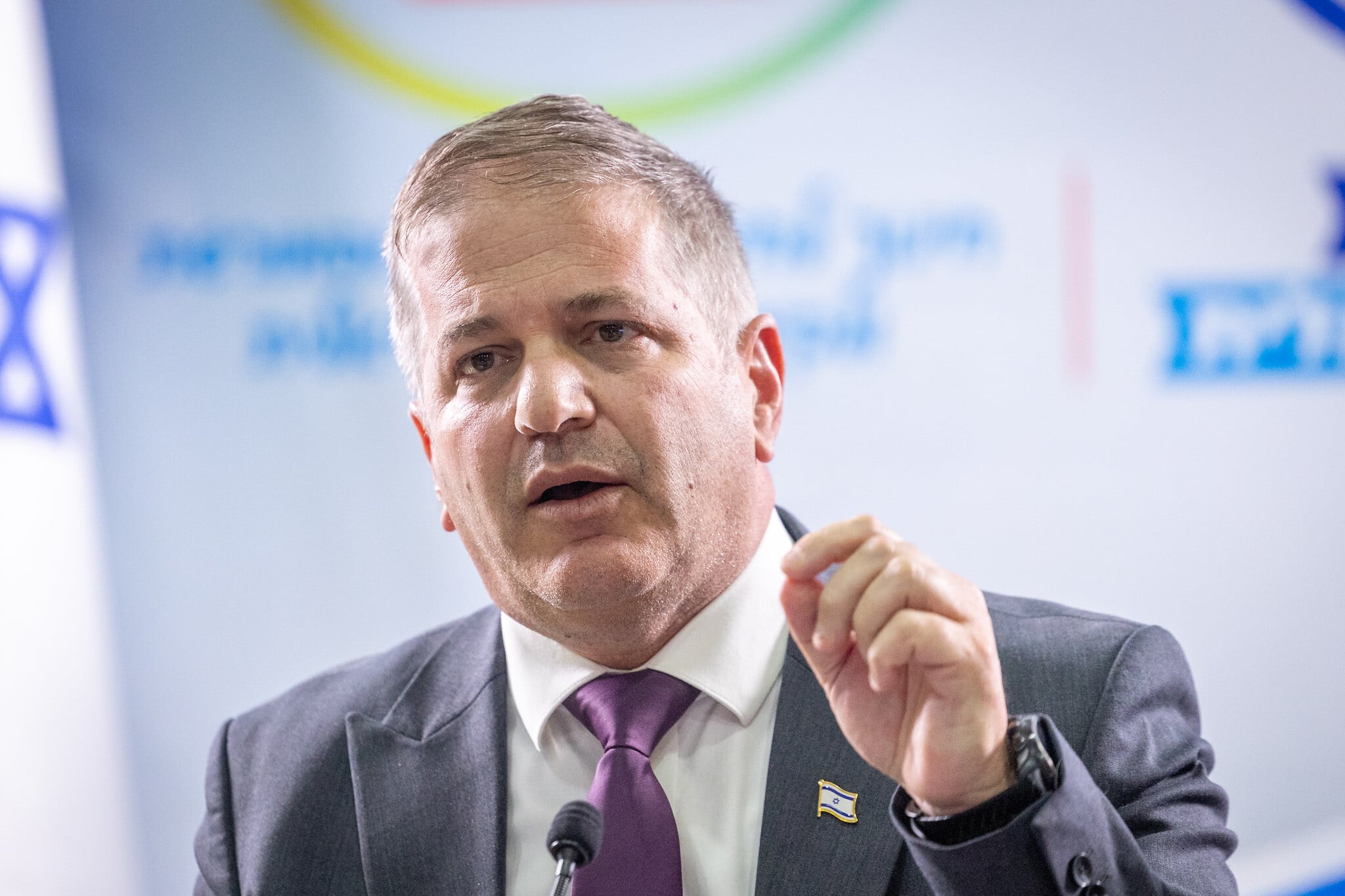
Education Minister Yoav Kisch blamed the results on the wars that were raging on multiple fronts when Israeli students took the PISA tests in mid-2025. At the time, Israel was fighting Hamas in the Gaza Strip and Hezbollah in Lebanon.
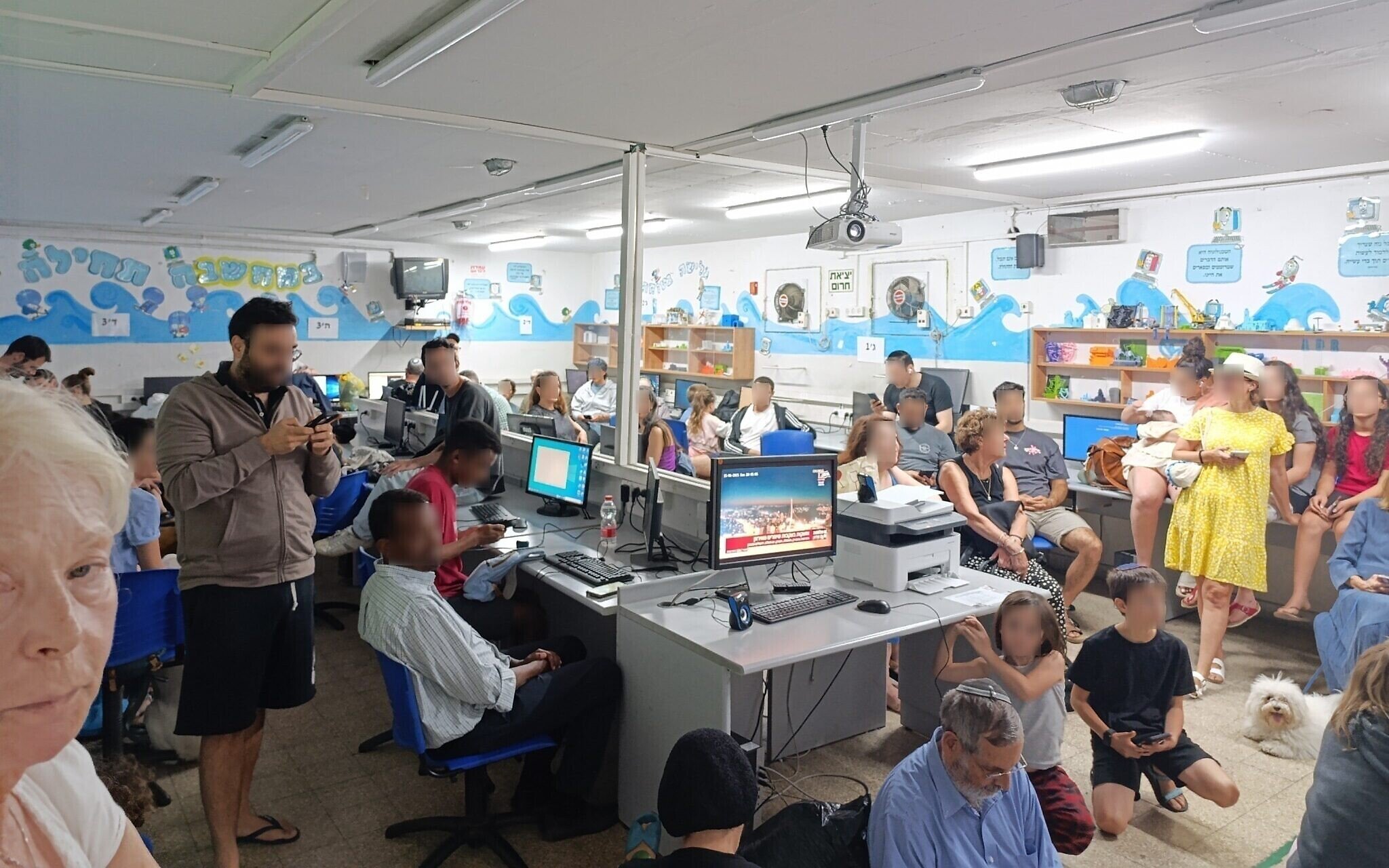
In a video posted to his X account, Kisch said the tests were done “at the height of war” with the north of the country evacuated of its residents and “teachers and parents doing rounds of reserve duty” in the armed forces, along with “night after night of air raid sirens.”
He spun a positive view of the results, saying they demonstrated that the Israeli home front and education system showed “amazing resilience during a time of war and I am proud of you, dear students and education staff.”
He also displayed a letter sent to him by OECD director for education and skills Andreas Schleicher, which pointed out that student performance has declined over the past decade across many OECD countries.
Israel’s results are consistent with that, Schleicher wrote, while noting that outcomes “need to be considered alongside the conditions in which students learn… particularly in contexts affected by uncertainty and conflict.”
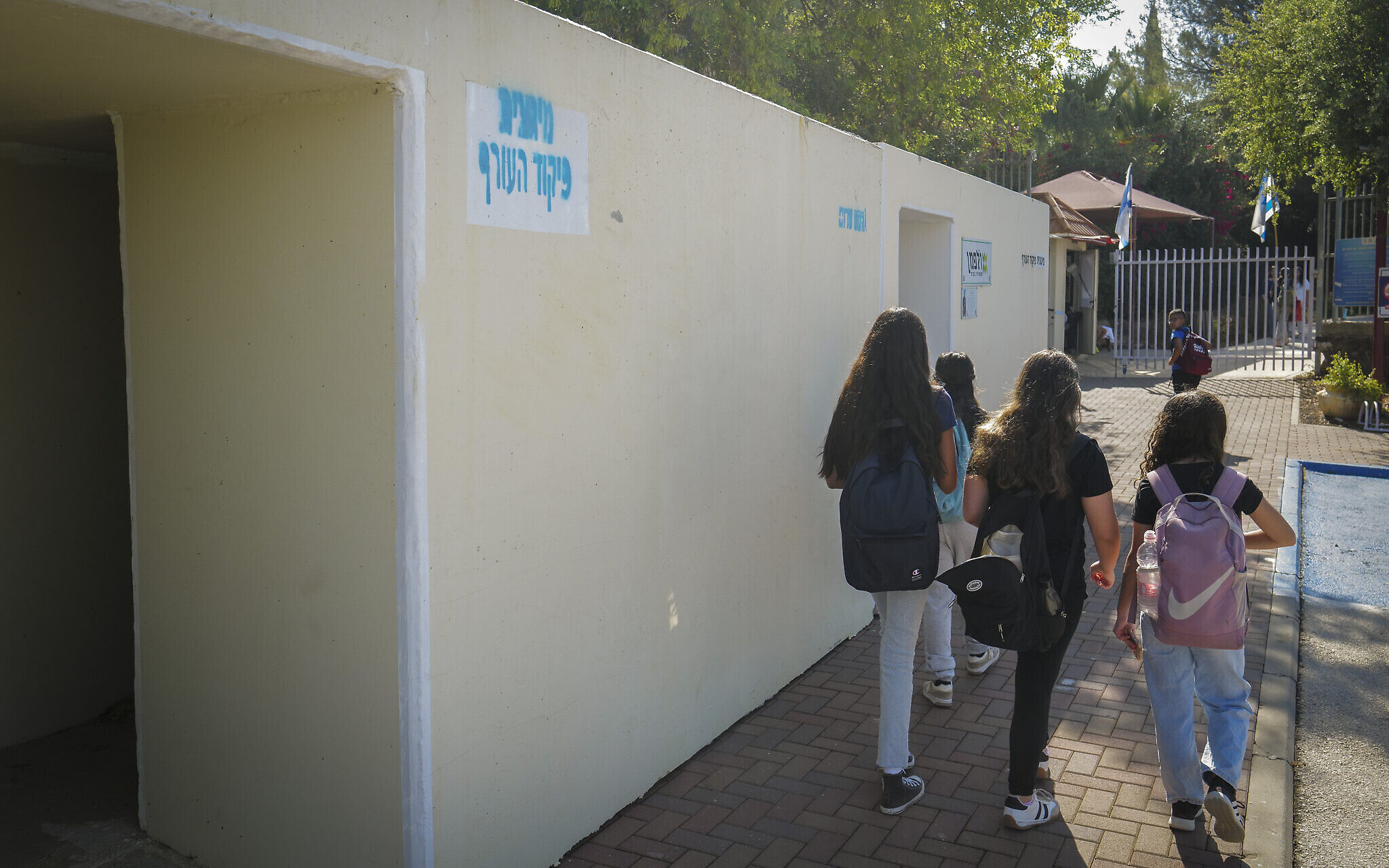
“The recent security situation has placed extraordinary pressure on students, families and schools, which needs to be considered in interpreting results as well, although these effects are harder to quantify.”
The National Parents’ Leadership Association issued a statement Tuesday saying that the PISA results “are not surprising.”
Noting the impact of the coronavirus pandemic with its lockdowns and isolations, and then the war that was triggered by the Hamas massacre on October 7, 2023, the association said students “lost study, social, and emotional continuity; that cannot be expected to not have left a mark.”
Nonetheless, the statement said, the results are “a real warning alarm to the education system.”
Calling the drop in results “dramatic” and noting that nearly a third of students did not reach the minimum requirements in reading, math and science, it said the results should be a wake-up call for decision-makers, who cannot avoid responsibility by pointing to COVID and the war.
Channel 12 news reported that some 7,330 students took the test in 215 schools across Israel in April 2025.
On Monday, the Haaretz newspaper reported that the Education Ministry was holding off on publishing an Israeli summary of the results of the PISA test, which reporters had requested to review.
The summary focusing on Israel’s results was being prepared by the National Authority for Measurement and Evaluation in Education. According to unnamed ministry sources, the ministry wanted the summary to cast the results in a positive light, leading to a delay in its publication.
Also Tuesday, the Education Ministry published the results of exams conducted last year by the National Authority for Educational Measurement and Evaluation (RAMA), which were first leaked in May after the ministry partially withheld them.
The results showed only 3% of ninth-grade students meeting the requirements of the national science curriculum, with another 16% coming close but falling short.
They also showed that 37% of sixth-grade students met the requirements of the mathematics curriculum, and another 26% partially met the requirements, while just 20% of students in Arabic-speaking schools met the base requirements in a Hebrew language exam last year.
Last month, a study found that Israeli teachers lag significantly behind their OECD peers in literacy, numeracy and problem-solving skills across every level of the education system.