Israel was prepared to shoot down flydubai jet during attempted hijacking — report
CBS says fighter jets were scrambled after cockpit went silent; passenger tells Channel 13 group considered killing copilot terrorist
Israeli sources told CBS News Monday that after the Omani copilot of flydubai Flight 1073 attacked the captain, Israel was prepared to shoot the plane down, and had scrambled fighter jets before calling them back when the aircraft turned toward Saudi Arabia to make an emergency landing.
The sources said that under a longstanding protocol for a potential 9/11-style incident, the Israeli Air Force tried to contact the cockpit after the plane plunged some 14,000 feet, but received no response. A preestablished committee was swiftly convened and a command center set up as fighter jets were scrambled and Israel closed its airspace, according to the report.
The Israeli warplanes were called back once authorities realized that the aircraft, then roughly 400 miles from Israel, was turning toward Saudi Arabia, which had scrambled fighter jets of its own. Had the flight continued toward Israel and come within a certain distance, Israeli jets would have entered Jordanian airspace to investigate, the sources said.
If authorities concluded that the plane had been hijacked and the suspected hijackers remained silent and made no demands, the committee would have brought the defense minister and prime minister into the decision-making process, the report said.
Only the prime minister could have authorized shooting down the aircraft, the sources said, adding that doing so would have been considered preferable to allowing a hijacked jet to crash into Ben Gurion Airport, Tel Aviv’s Azrieli towers or another “high-value target.”
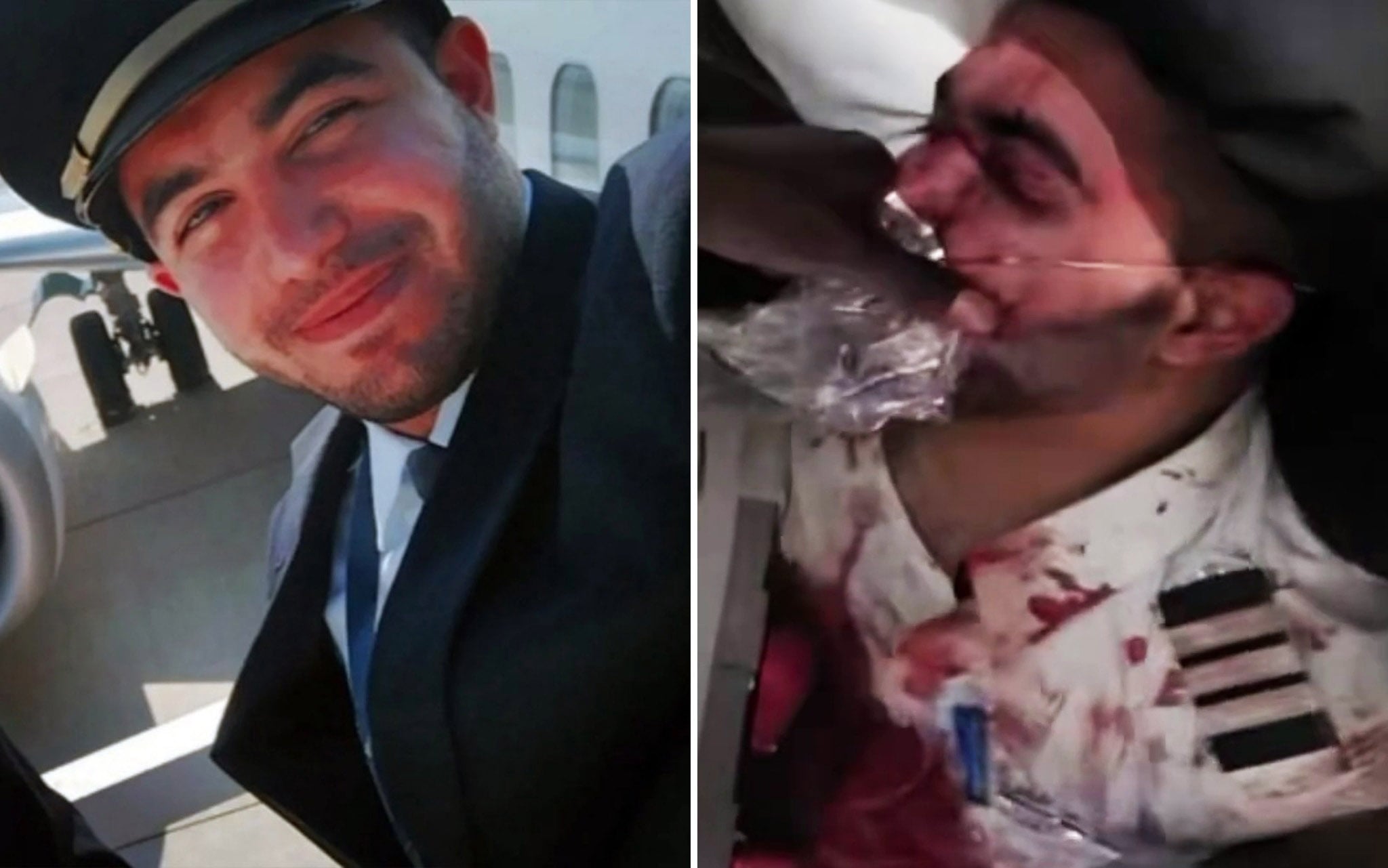
The flight from Dubai to Tel Aviv was approaching Israel when Omani copilot Hamam al-Hammami attacked Indian captain Smith Machchhar and attempted to seize control of the aircraft. Machchhar managed to fend him off long enough to unlock the cockpit door, allowing passengers and flydubai personnel to overpower al-Hammami. Two off-duty pilots aboard the flight then took control of the aircraft and made an emergency landing in Tabuk, Saudi Arabia.
The copilot told UAE interrogators he planned an attack in which he crashed a plane full of Israelis even before he was hired by the Dubai-owned airline, two Israeli officials with knowledge of the probe told Reuters.
A third source briefed on the UAE probe told Reuters that al-Hammami had planned to crash last week’s flight into Ben-Gurion airport near Tel Aviv. He had also operated a flight to Tel Aviv earlier this year and intended to hijack and crash the plane then, but ultimately opted not to, the source added, confirming earlier reports.
It was not immediately clear why the copilot changed his mind on that previous flight, although he is thought to have known someone onboard, the source said.
An initial Israeli investigation indicated that the attempted hijacking was likely a lone-wolf attack, according to sources cited by CBS, though the investigation remained ongoing and other possibilities were still being examined.
In an interview with Channel 13, one of the passengers who helped subdue al-Hammami said the group briefly considered whether they would need to kill him. Adar Hayut, a 33-year-old medical student who handcuffed the copilot, said passengers feared al-Hammami might still have a knife after he was restrained.
“It’s very difficult to process, as a passenger who was on the plane, that in the situation where I was lucky I’m alive, and in any other situation I’m dead,” Hayut said. “We were afraid he had a knife. We debated whether we needed to kill him, but we didn’t really have a way to do that.”
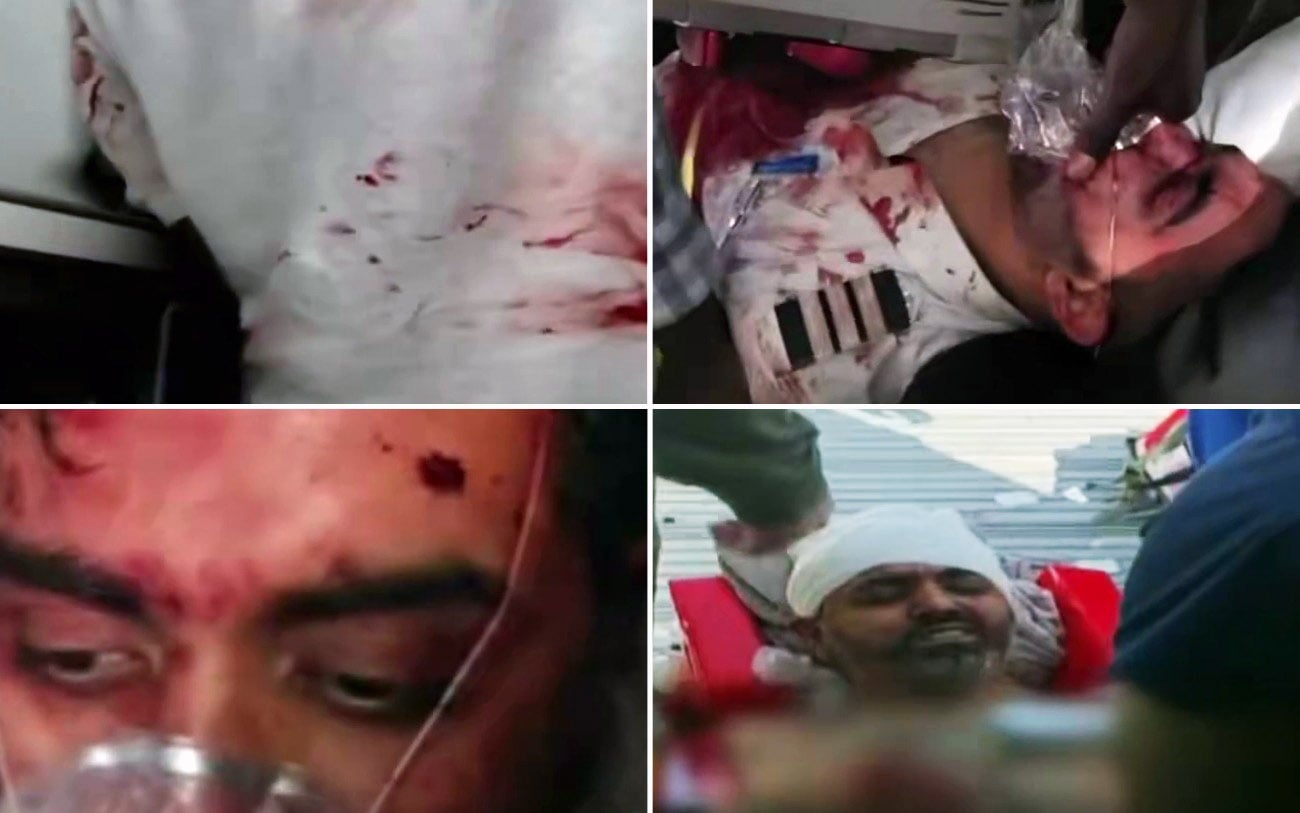
Hayut said he tried to help the wounded captain, Machchhar, while other passengers were still struggling to subdue al-Hammami. He described seeing “a pool of blood around his head,” but said he could not properly tend to him until the attacker had been restrained.
After another passenger produced plastic restraints, Hayut said he secured al-Hammami’s hands and realized the copilot was not carrying a knife, adding that he tightened the restraints so the attacker would not be able to break free.
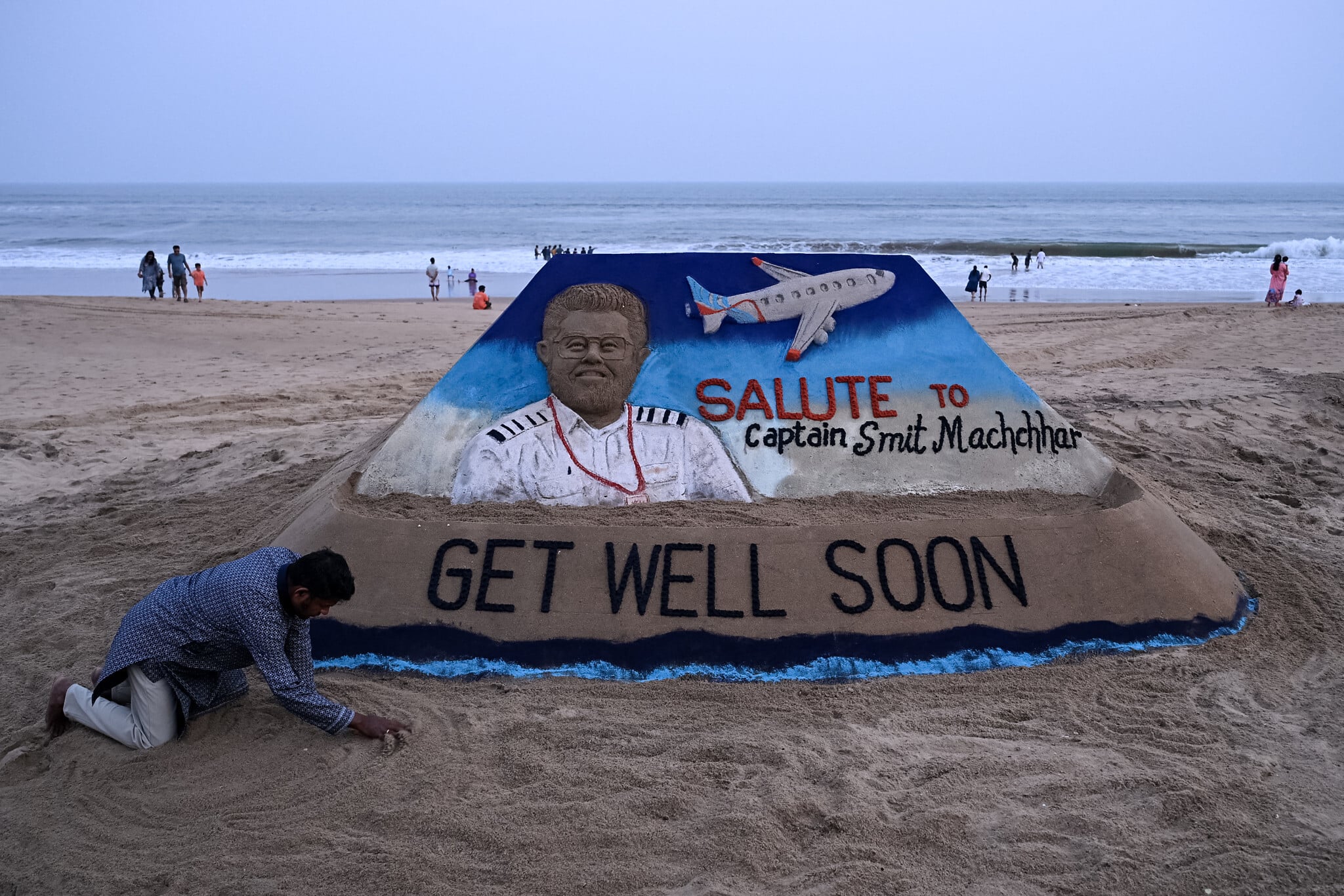
Machchhar survived the attack and has been hailed as a hero for fighting to open the cockpit door. The plane was carrying more than 170 crew members and passengers, most of them Israeli.
Shin Bet interrogators have since flown to the United Arab Emirates to participate in the questioning of al-Hammami, The Times of Israel learned Monday. Israeli security officials approved the development for publication, though the Shin Bet declined to comment.
The officials said al-Hammami had applied to flydubai after searching for airlines that operated flights to Tel Aviv. Israel was being continuously updated by the UAE on the investigation, while investigators were still examining his precise motive and whether he had acted alone.
Israeli authorities do not believe other members of the Flight 1073 crew were involved in the attack, according to a Channel 12 report Monday. The crew were questioned in the UAE at Israel’s request after some passengers raised suspicions about their behavior during the incident, but Emirati investigators concluded they had not participated in the attack, a conclusion Israel reportedly accepted.
The attack has exposed broader gaps in Israel’s oversight of foreign flights. Reports showed that pilots from countries without diplomatic relations with Israel were barred from flying into the country, yet dozens of Omani pilots had reportedly operated flights to Tel Aviv before the attack, according to Channel 12, with Israeli authorities relying heavily on airlines to enforce the restriction.