Israeli envoy aims to stem damage after saying US troops will only come home when Iran defeated
Leiter writes on X that 'only the president of the United States decides when and where American troops are deployed' after uproar from both sides of the aisle in the US
Israeli Ambassador Yechiel Leiter appeared to engage in damage control on Friday after his comments that American troops deployed in the Middle East will only be able to return home once Iran has been defeated.
“Let’s state the obvious: only the president of the United States decides when and where American troops are deployed,” Leiter wrote on X.
“The president himself has repeatedly stated that the Iranian regime poses a threat to the American people and that negotiating with this regime is a waste of time,” he said. “It is my assessment that as long as this regime remains in power, its goal to destroy the West will continue, that was the essence of my Newsmax interview.”
“I understand the cost of war better than most, my family has paid the ultimate price in fighting evil,” he said, referring to one of his sons who was killed fighting in Gaza in 2023 and another who was seriously injured in a car ramming attack in the West Bank in September.
“Israel has stood by the US as a model ally, and will continue to do so in the future. We unfortunately have a blood thirsty regime in Tehran who will not back down until it is defeated,” Leiter continued.
Leiter was asked during an interview with the Newsmax network on Thursday how US troops can return home from mass deployment in the Middle East if Iran is still able to provide support to its proxies in the region.
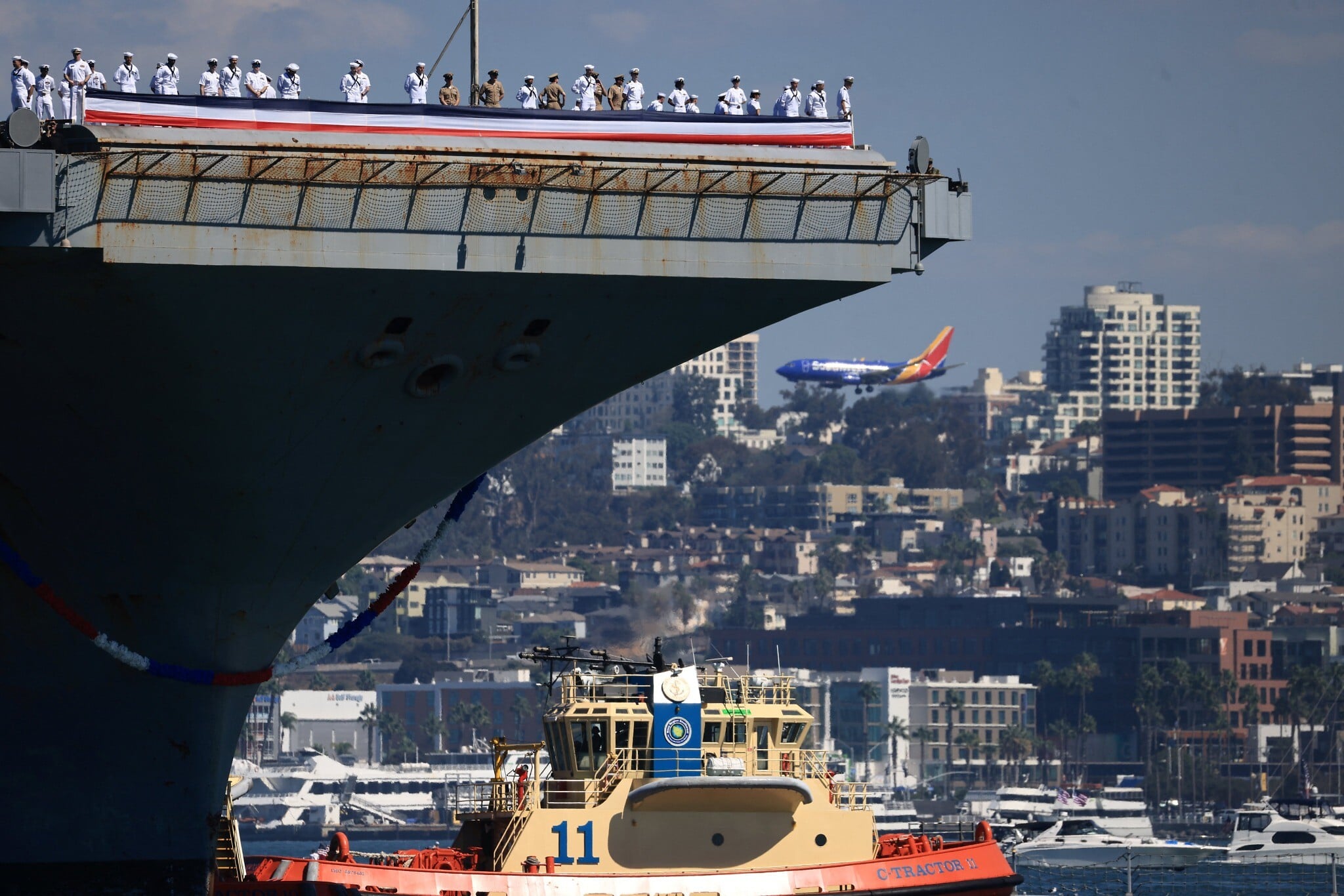
“You get American soldiers back here to the United States to their families when Iran is defeated,” he said.
Leiter posted a clip of the interview on X.
However, the comments did not play well with critics from both US parties, who have accused Israel of having outsized influence in Washington’s policy regarding Iran.
President @realDonaldTrump will decide how to deal with the existential threat of the Iranian regime – and if needed, Israel will stand together with the United States to defeat evil as we have done in the past.
Watch my interview on @NEWSMAX earlier today ???????? pic.twitter.com/BQowYyFSJ7
— Ambassador Yechiel (Michael) Leiter (@yechielleiter) November 19, 2026
The hardships on US troops and their families have recently been in the headlines: in September, the USS Abraham Lincoln left the Middle East after the ship had been deployed for over 260 days, with reports of multiple suicide attempts as well as deteriorating conditions and shortages of key food supplies aboard.
Iranian Foreign Minister Abbas Araghchi mocked Leiter’s comments on X, writing, “We did not know that the Israeli Ambassador to Washington was the commander-in-chief of the US Military.”
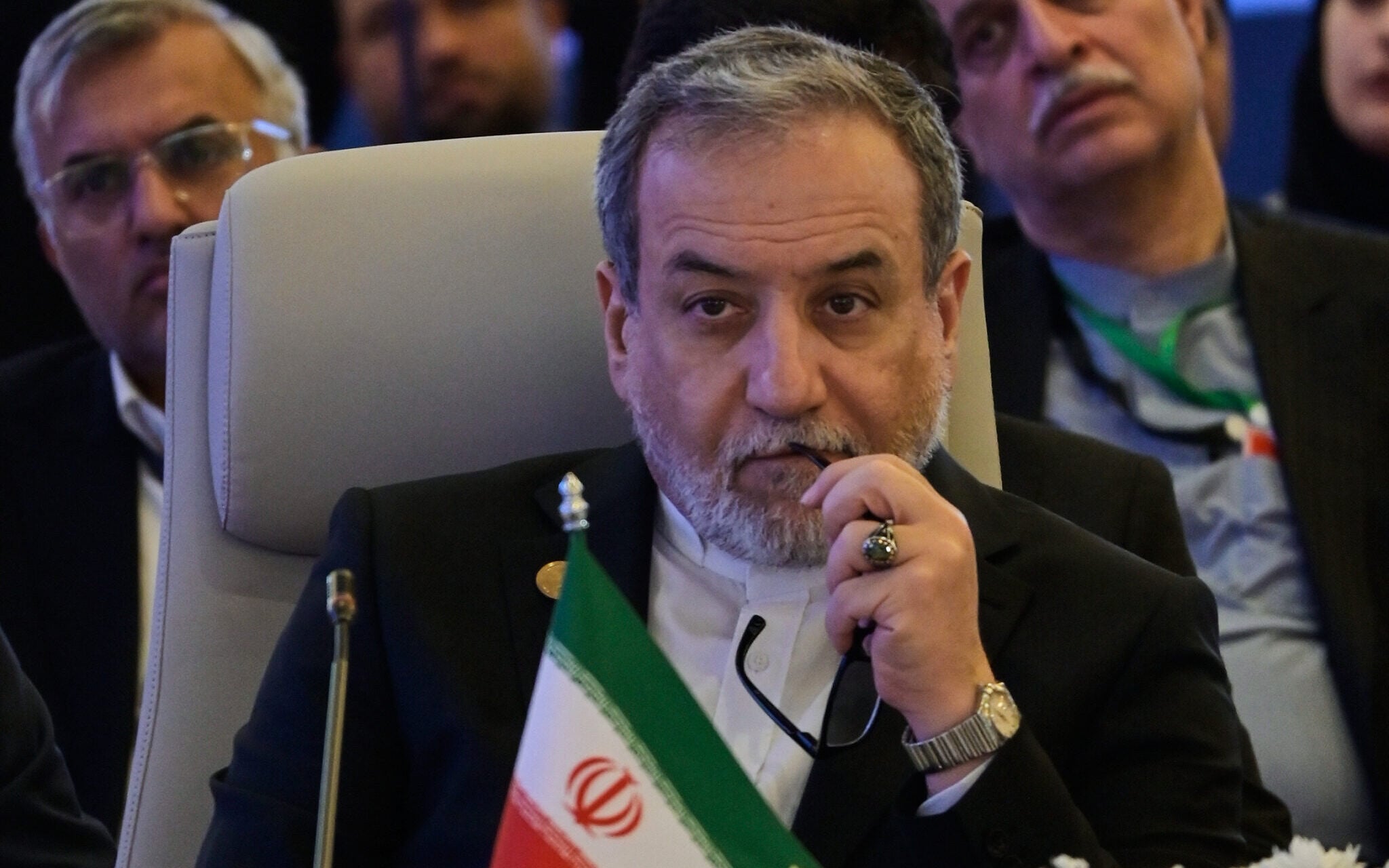
Responding to Araghchi, Leiter insisted that his “online efforts to drive a wedge between Israel and America have failed.”
“But please do continue to increase my online audience,” Leiter told Araghchi. “The Iranian people need to hear my message.”
Leiter’s comments came amid renewed speculation about another US-Israeli offensive against Iran, with the US President Donald Trump weighing whether to resume major strikes while facing political fallout at home from the nearly nine-month conflict.
Meanwhile, there are ongoing concerns among leaders of the anti-Netanyahu bloc in the Knesset that Prime Minister Benjamin Netanyahu, now caretaker prime minister, could order a military operation to improve his chances of remaining in office, as the so-called change bloc’s efforts to form a new government continue.
Channel 12 has reported that IDF Chief of Staff Lt. Gen. Eyal Zamir remains opposed to an immediate strike on Iran, while Netanyahu, Mossad chief Roman Gofman, Shin Bet chief David Zini, National Security Council chair Shmuel Ben Ezra and Leiter favor one.
Times of Israel staff contributed to this report.