Knesset committee urges government to do more for mental health of immigrant kids
Last month's suicide of a 13-year-old Russian immigrant girl highlights the need for greater cooperation between ministries
The government must do more to address the inadequate mental health services available to new immigrant children, Labor MK Gilad Kariv told a meeting of the Knesset’s Immigration, Absorption and Diaspora Committee on Monday.
Ministries must prepare to collaborate and share information to provide more comprehensive support to immigrant children in distress, said Kariv, who chairs the committee.
More than 5,500 new immigrant children are considered at risk, a representative of the Welfare and Social Affairs Ministry told the committee. In total, some 23,000 immigrants receive assistance from the ministry, including more than 19,000 minors, on a budget of NIS 66 million ($20 million).
New immigrants are generally seen as being more vulnerable to mental health risks because they often struggle with language barriers, social isolation, and cultural adjustment, in addition to the traumas of Israel’s 23-month war against Hamas.
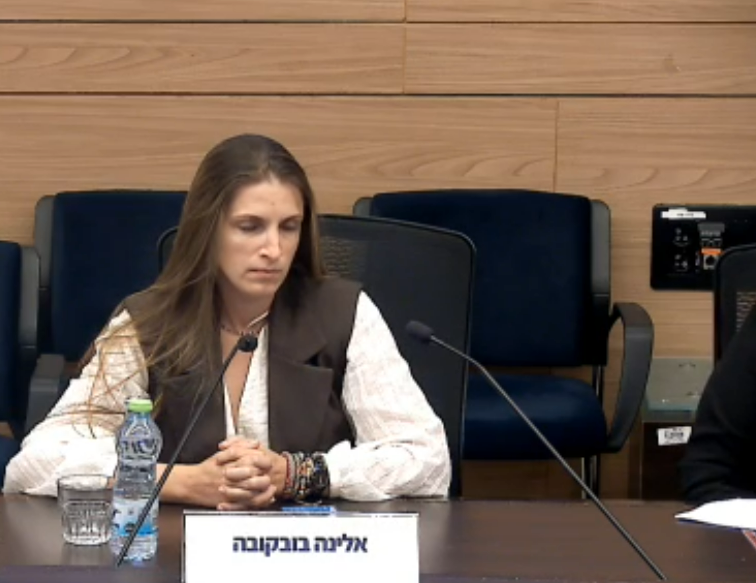
Present at the meeting was Elena Bobkova, whose 13-year-old daughter, Milena, died by suicide in August after jumping from the roof of a building in Rishon Lezion.
Bobkova described her daughter’s last days. She had been hospitalized for two weeks in the juvenile ward of the mental health institution in Be’er Ya’akov following a previous suicide attempt.
Milena had gone home for several days for the weekend, but when she returned to the ward, she was told by administrators that she could only stay with her mother’s accompaniment and was sent home. She took her life later that day.
“We love Israel, but when we needed help, none of the ministries was able to,” Bobkova said through a Russian translator. A culture in which Russian immigrants in her city are frequently bullied was a factor that contributed to her daughter’s suicidal state, she said.
Milena is just one of tens of thousands of children suffering from mental health problems during the current war, noted MK Vladimir Beliak. Many are suffering from loneliness and trauma, and the state needs to invest much more in providing support services, he said.
The committee also noted the rising incidence of suicides by IDF soldiers, a situation seen by many as a growing mental health crisis.
Numerous government bodies, including the Rishon Lezion municipality, have programs to support at-risk youth, but face challenges with long wait times for psychiatric care, committee participants noted.
Kariv called on government bodies, including the Immigration and Absorption Ministry, to develop a mechanism to improve cooperation to help immigrant youth at risk. More details will be presented at a future meeting, he said.
The Immigration, Absorption and Diaspora Committee also found that most of the immigrants who were evacuated from their homes during Israel’s 12-day military campaign against Iran’s nuclear program have resolved their housing situations. Only 50 families remain in temporary housing arranged by the government, a Tax Authority representative said.
In early July, about 2,000 immigrants were still in temporary housing, the committee found then.