

2,000 new immigrants among 10,000 Israelis still displaced after war, MK says
Warning messages were translated, visas were extended, and immigration flights have resumed, officials tell a Knesset committee meeting on immigrant assistance during the Iran war
 Add ToI as a Preferred Source on Google
Zev Stub is the Times of Israel's Diaspora Affairs correspondent.
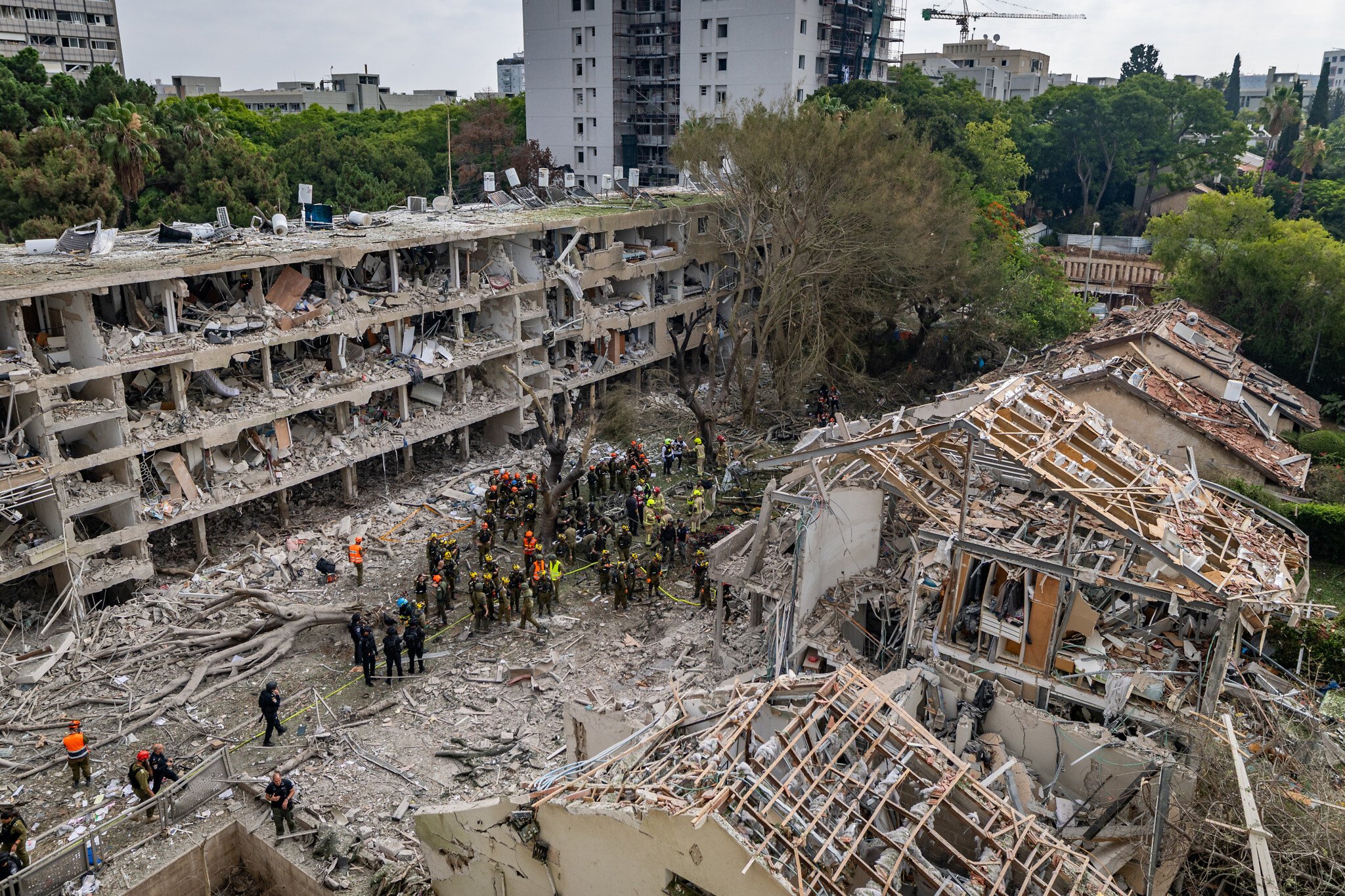
Some 10,000 Israelis still remain displaced from their homes due to rocket damage sustained during Israel’s 12-day war with Iran, including about 2,000 new immigrants, Labor MK Gilad Kariv told a meeting of the Knesset’s Immigration, Absorption and Diaspora Committee Wednesday.
While all Israelis suffered during the war, “it is important to consider the unique needs of the immigrants who have been affected and to make information accessible to them in the right way,” Kariv said at the meeting, which focused on the particular needs of immigrants in the aftermath of Israel’s preemptive strike on Iran’s nuclear facilities.
Kariv commended the Home Front Command for translating advanced warning notices for incoming rockets to English, Arabic and Russian. He requested that they also be translated into Amharic, French and Spanish.
Safety instructions from the Defense Ministry were translated into 14 languages during the war, and essential instruction packets are now also being distributed in several languages, a representative from the ministry added.
Israelis who were evacuated from their homes are entitled to stay in hotels until July 20, Tax Authority officials said. The Tax Authority is working to establish an exceptions committee that would allow those with unique cases to extend their stays, they added.
Many of the buildings and houses that suffered direct damage were in residential areas populated by new immigrants, Kariv noted.
Some 50,000 claims for property damage totaling NIS 5 billion ($1.47 billion) are expected to be filed for the 12-day operation, around twice the total value of all damage claims since the war with the Hamas terror group started on October 7, 2023, the head of the Tax Authority’s compensation department said last week.
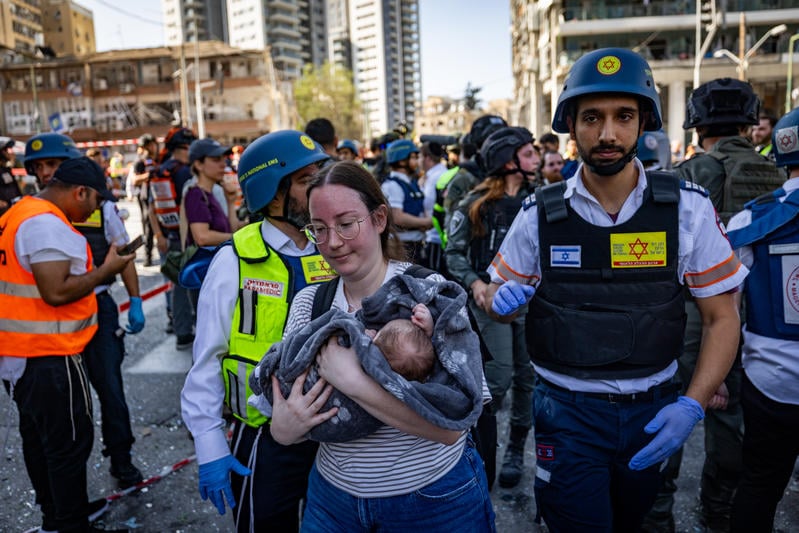
Visas for non-Israeli residents that were nearing expiration have been automatically extended through September 30, said Natalie Or-Chen, deputy administration director at the Population and Immigration Authority. People whose appointments at the ministry were canceled during the war at one of its branches, including one in Haifa that was damaged by missile fire, will be contacted in order of urgency, she said.
The Immigration and Absorption Ministry is reaching out to new immigrants who were evacuated or harmed during the military operation, and is currently helping 235 immigrant families file the documentation to receive government reparations for damages to their property, including 25 Ethiopian families, said ministry representative Shir Galili.
Despite delays caused by the war, flights are still being organized for anyone who wants to immigrate to Israel, Galili added.
Those whose immigration had to be postponed due to the war have been contacted to reschedule, said Shimon Shamila, operations manager for immigration at the Jewish Agency.
“We are doing everything we can to make information about immigration accessible, even in countries where it is problematic to do so openly,” Shamila said. “It is time to bring as many immigrants to Israel as possible.”
Kariv and other participants said it is important that information about future military operations remains accessible for immigrants in numerous languages.
“Most immigrants who were damaged during Operation Rising Lion are not sufficiently aware of the options for exercising their rights,” noted Histadrut national labor federation representative Alex Miller. He added that the Histadrut’s help hotline is available for all immigrants, not only union members.







The Times of Israel Community.