Knesset panel restores word ‘massacre’ to Oct. 7 memorial day bill after backlash
'No one wants to whitewash or change the narrative,' says committee chair; bereaved families accused government or 'erasing' history after it changed 'massacre' to 'events' in title
The Knesset Education Committee on Wednesday restored the word “massacre” to legislation establishing an annual state memorial day for the October 7, 2023, Hamas-led attack, months after it was removed from the bill’s title at the request of the Prime Minister’s Office, sparking outrage among bereaved families.
Acting committee chairman Shas MK Yosef Taieb said Wednesday that lawmakers reinstated the bill’s original title, “Law for the commemoration of the massacre and heroism on Simhat Torah – October 7,” because the government was “sensitive to concerns,” insisting that “no one wants to whitewash or change the narrative.”
The move came after relatives of victims accused the government of attempting to “erase” history and evade accountability by dropping the word “massacre” from the legislation in February.
Despite the reversal, sharp disagreements remain over how the day should be commemorated, with bereaved families criticizing language in the bill describing one of its goals as strengthening “national resilience and social cohesion.” Those families argued that the focus should remain on remembering those murdered and abducted.
“Why is strengthening social cohesion relevant to this law? The law is about the day of the massacre and the days surrounding it,” said Esther Buchshtab, whose son, Yagev Buchshtab, was abducted by Hamas on October 7 and murdered in captivity.
Reut Edri, whose son Ido Edri, a Shin Bet agent, was killed at the Nova music festival, argued similarly that “the massacre, the failure, and abandonment have no place alongside heroism. Please understand the families’ request to separate them.”
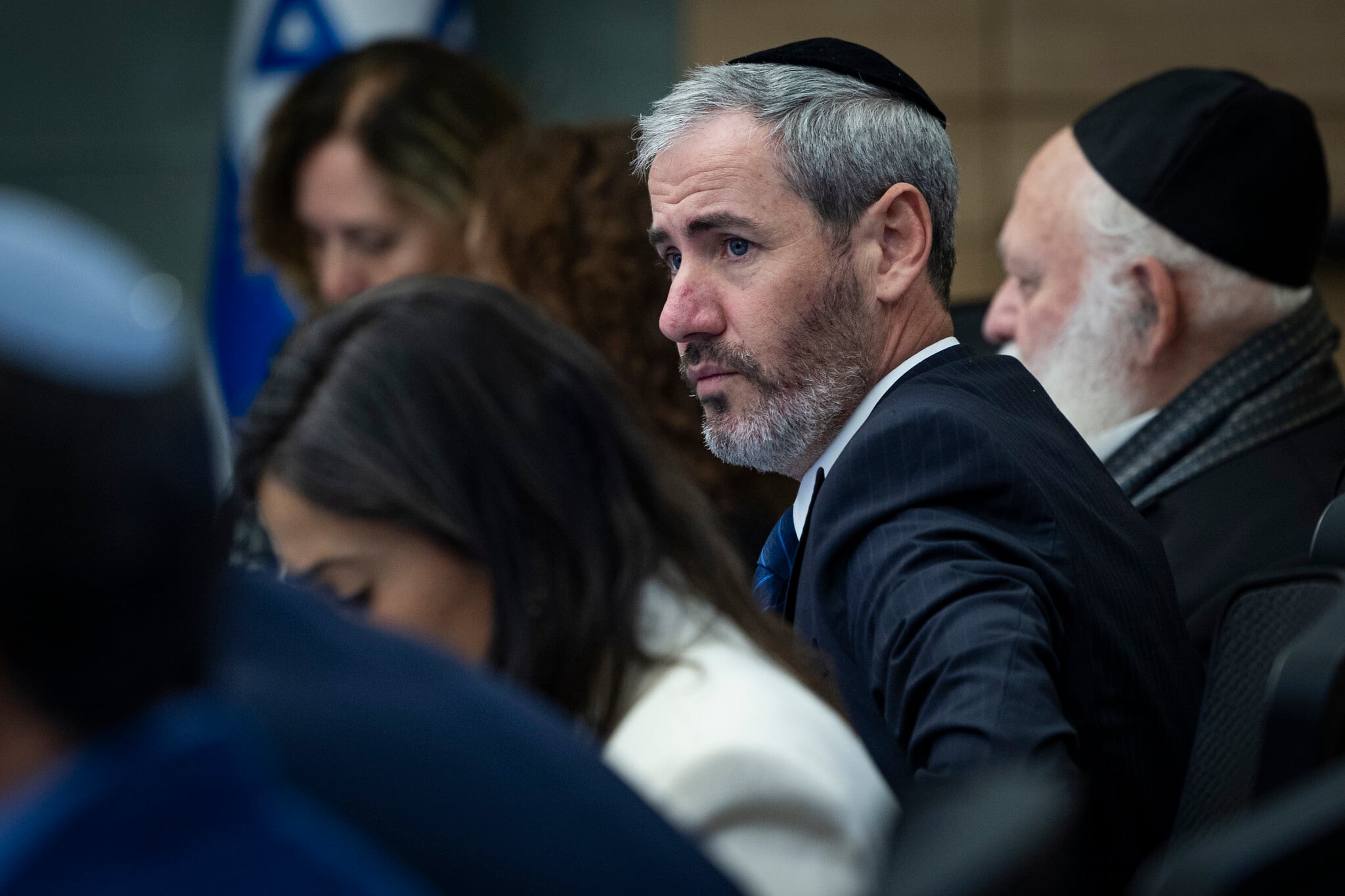
Responding to the criticism, Taieb proposed removing references to resilience and social cohesion from the bill’s statement of purpose, saying that “if commemoration and heroism do not ultimately contribute to national resilience, then there is no point in the bill.”
Backed by more than 80 of the 120 MKs, the bill would establish a national memorial day for the October 7 attack, the worst in Israel’s history, on the 24th day of the Jewish month of Tishrei.
After the initial change to the bill’s wording, a PMO spokesperson told The Times of Israel that the request to change the title came not as an attempt to exclude the word “massacre,” but to maintain the original name of the government’s proposal, which never included that term.
“The Prime Minister’s Office is committed to a comprehensive and truthful commemoration of all aspects of the events, without distortion or omission, and is working to advance the bill in this spirit,” the PMO statement said.
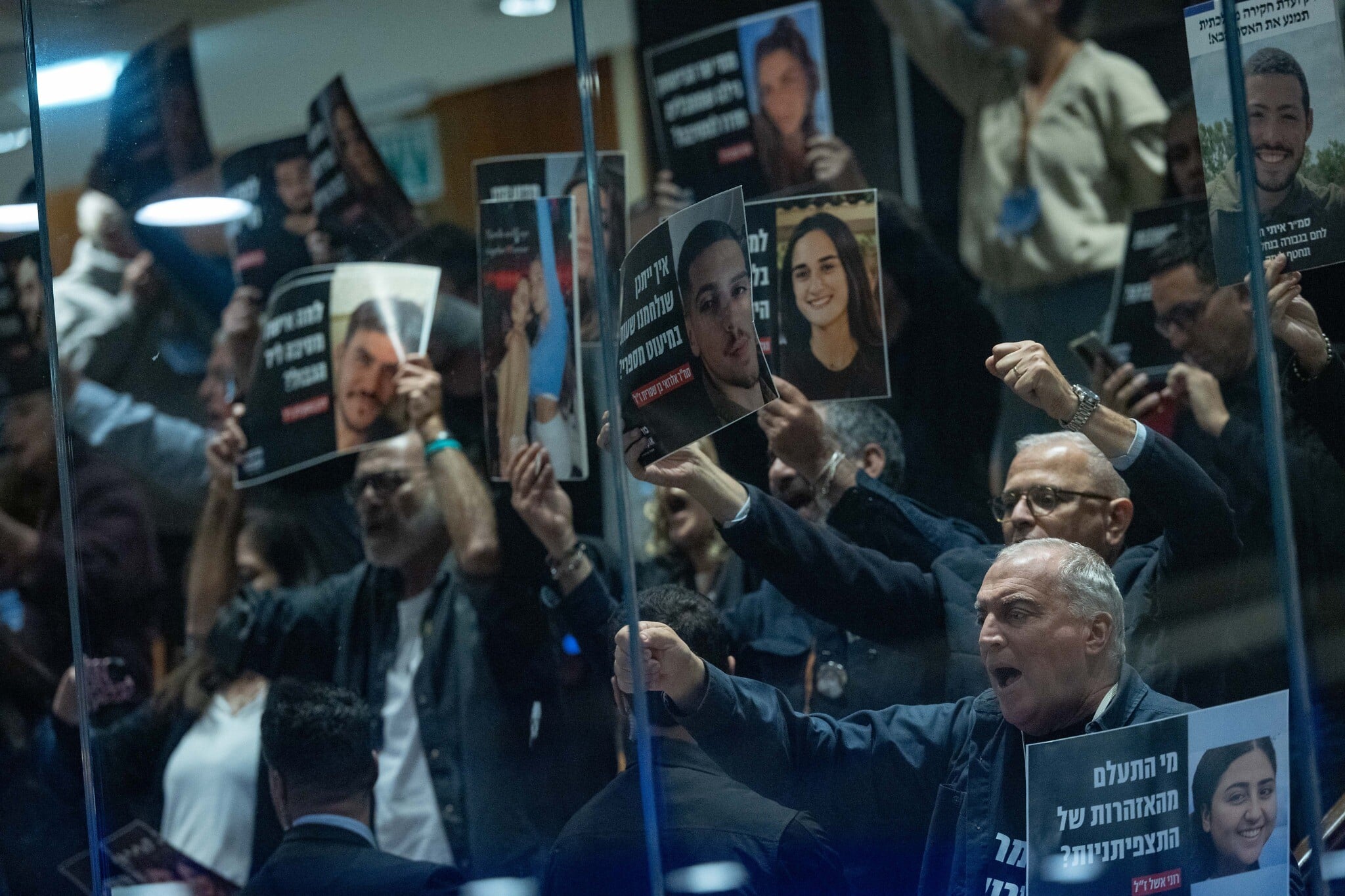
But some bereaved families pushed back, likening the name change to Prime Minister Benjamin Netanyahu’s efforts to set up a politically appointed investigation of the attack, rather than a state commission of inquiry, accusing the Knesset committee of “changing the narrative” before a commission of inquiry had been set up to establish what went wrong surrounding the attack.
Netanyahu has long opposed the formation of a state commission of inquiry, claiming that because a state commission is appointed by the judiciary — whose powers his government has sought to curb — it would be biased against him.
Netanyahu has also never acknowledged direct responsibility for the failures surrounding October 7, and relentlessly attempted to place the blame on others, including political rivals and security chiefs.