Lebanon seeks international presence in south from French FM as peace keeper exit nears
During Beirut visit, Aoun and French FM discuss post-UNIFIL security arrangement; Lebanon says next round of talks with Israel to be held Tuesday in Florida
Lebanese President Joseph Aoun met visiting French Foreign Minister Jean-Noel Barrot on Saturday, saying he would welcome any effort to prevent a security vacuum in the south if UN peacekeepers withdraw as planned at the end of the year.
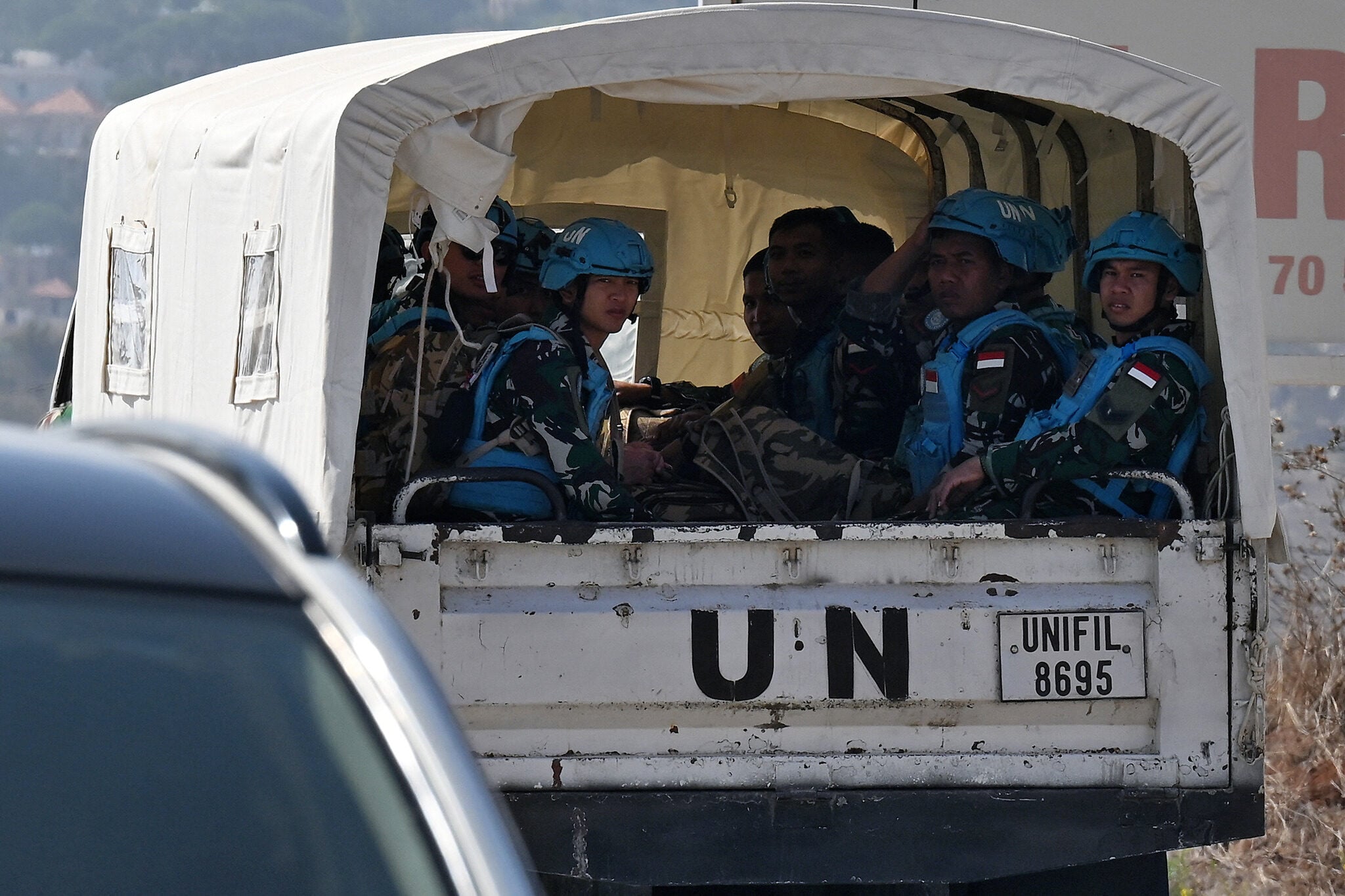
Barrot was in Beirut for a two-day visit to discuss “mechanisms for an international presence” in the south of Lebanon— the scene of repeated conflicts between Israel and Hezbollah — after the mandate of the United Nations Interim Force in Lebanon (UNIFIL) expires.
In a statement, Aoun reiterated Lebanon’s desire to extend UNIFIL’s mandate, but added, “if this proves impossible, Lebanon welcomes any arrangement that ensures an international presence in the south, prevents a vacuum, and avoids placing the Lebanese army in direct contact with the Israeli army.”
Also Saturday, Lebanon said a new round of talks with Israel will be held Tuesday.
A Lebanese military delegation will present Beirut’s demands for an end to Israeli military operations in Lebanon at a trilateral meeting in Tampa, Florida, on October 20, the Lebanese presidency said in a post on X on Saturday.
Lebanon and Israel have held a number of direct talks in recent months, aimed at ending hostilities since a new war erupted on March 2 between Israel and the Lebanese armed terror group Hezbollah, when the Iran-backed organization attacked Israel amid the wider regional conflict.
Under a deal reached through US-brokered Israel-Lebanon talks, Beirut vowed to disarm Hezbollah, which would in turn lead to Israeli troops gradually withdrawing from the buffer zone they hold in Lebanon. But Hezbollah has refused to disarm as long as Israeli forces remain on Lebanese land, and Israel has continued striking southern Lebanon.
The framework agreement, signed in Washington on June 26, conditions further Israeli withdrawals on the verified disarmament of Hezbollah and the dismantling of its military infrastructure, alongside deployments of the Lebanese Armed Forces.
Implementation has since stalled, with the next round of US-mediated talks delayed until October; Lebanese officials have accused continued Israeli strikes of hampering Beirut’s efforts to disarm Hezbollah, while Israel has argued that the Lebanese army is not yet capable of fully assuming the security role envisioned under the agreement.