One year into ceasefire, vexed Gazans say they’re still living like war never ended
Strip has seen little rehabilitation or return to normalcy since Oct. 2025, with residents still in tents and fearing daily airstrikes. Blame, they say, goes beyond Hamas or Israel
Nael, a resident of Gaza City, was preparing on Sunday to move back into his home, which suffered extensive damage from an Israeli airstrike during the Gaza war.
To get his home at least somewhat habitable, Nael, who asked that his real name not be used, had installed tarps in place of the walls that had once protected him from the elements. A destroyed staircase was being replaced with metal stairs; Nael told The Times of Israel by phone that the new steps had cost him NIS 5,000, money he was forced to borrow from an acquaintance.
“I’m going back to a half-destroyed house with a leaking roof, but it’s better than living in a tent or renting an apartment, which you can’t even find,” said the Gazan, who had been living in a rented apartment before his landlord asked him to move out.
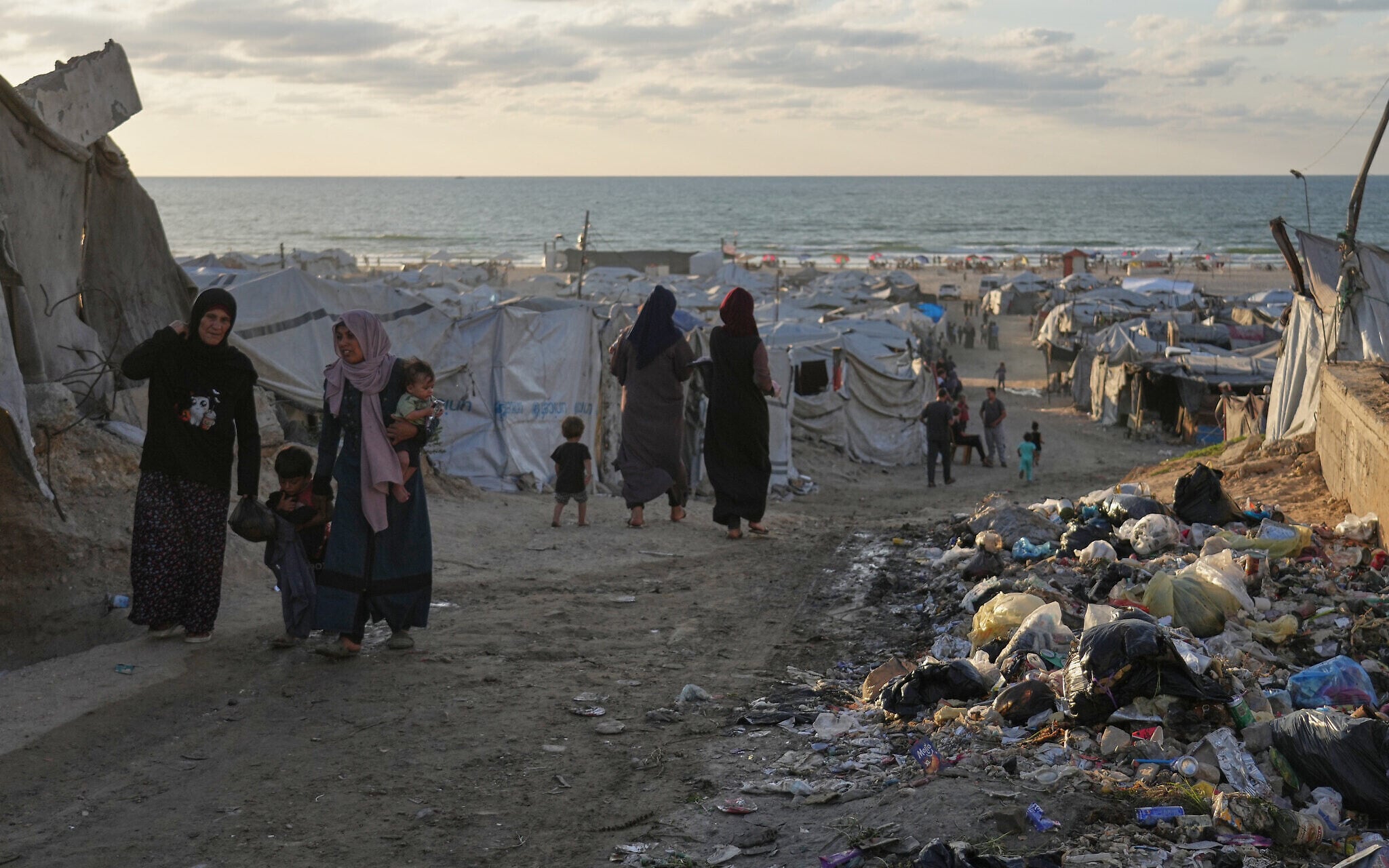
A year after a ceasefire ended two years of fighting that left Gaza in ruin, living conditions in the Strip remain as crude and rudimentary as Nael’s half-destroyed home, with hundreds of thousands still stuck in ramshackle housing and living in severely degraded conditions.
Gazans and humanitarian monitors say poverty and unemployment remain rampant, with most still reliant on international aid; infrastructure is still in deep disrepair; lawlessness feels unchecked; Israeli airstrikes still constitute a near-daily menace; and hopes for a better horizon are dim as ever.
The lack of progress or improvement since the conflict ostensibly halted on October 10, 2025, has fueled disappointment and anger, according to Gazans who spoke to The Times of Israel.
At fault, they say, are all parties, including both Israel and Hamas, which continues to hold a significant degree of power over the rump of the Strip where nearly all 2 million Gazans now reside.
“There’s anger at everyone,” said Ahmed, a Gazan who, like Nael, asked to be identified with a pseudonym. “Everyone in Gaza says nobody was honest with us. Everyone — Hamas, Fatah, the international community, the Arab countries — said they would help us.”
None came through.
In October 2025, when the ceasefire took effect, the UN estimated that some 1.5 million people in Gaza were in need of emergency shelter assistance.
A comprehensive May report by the World Bank and the United Nations concluded that the war had caused “catastrophic destruction of the housing stock.” The study found that more than 1.2 million Palestinians in Gaza — roughly 60 percent of the population — had lost their homes to Israeli bombardment.
Others were rendered homeless by being unable to access properties in the part of the enclave that remained under the control of the IDF as part of the ceasefire.

A year later, the housing crisis remains severe: according to the UN’s Shelter Cluster, which monitors housing needs in the Strip, 65% of Gaza’s population — approximately 1.37 million people — are still living in tents and makeshift shelters that offer almost no protection from the elements.
Among them is Ahmed, who has been living in a tent for the past several years.
Last winter, the tent collapsed under heavy rain. Now, before the rainy season has even begun, he said his main concern is rats getting inside, fearing they could harm his newborn daughter.
An analysis published in August classified 94% of the population as having shelter needs ranging from inadequate provisions to critical deficiencies.
“Gaza’s shelter crisis remains overwhelmingly severe and widespread,” the Shelter Cluster study reported. “Households require support not only to repair or replace temporary shelters, but also to restore the essential conditions that allow them to cook, sleep, maintain hygiene, store food and water, and live safely and with dignity.”
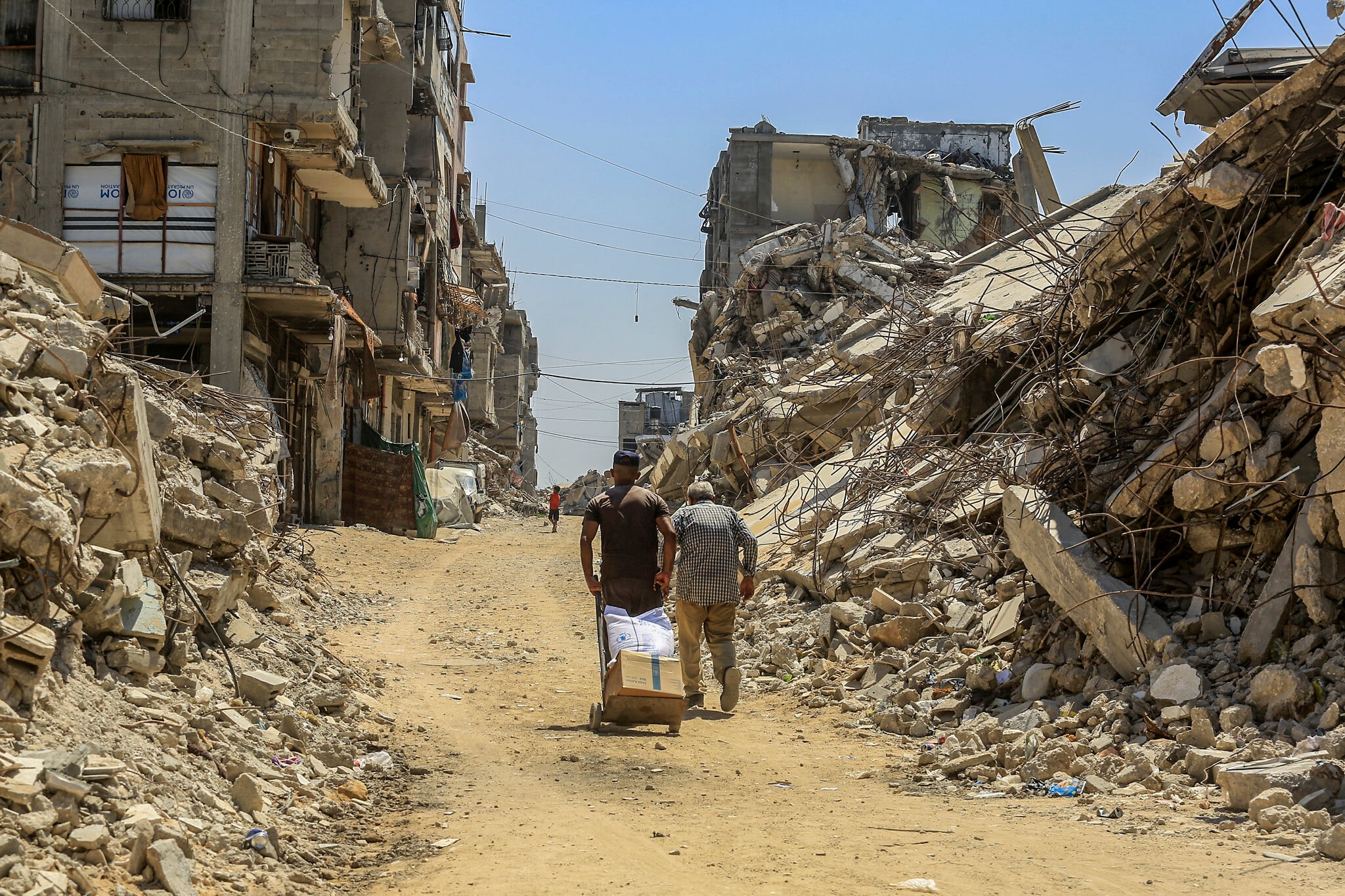
Beyond housing, infrastructure has largely not been rebuilt. Immediately after the ceasefire, several humanitarian organizations carried out work to clear rubble and reopen main roads across the Strip to allow people to move around, but beyond that, there has been no large-scale rubble removal.
According to a July 2026 OCHA report, only 1% of the rubble had been cleared from roads and essential facilities by that point.
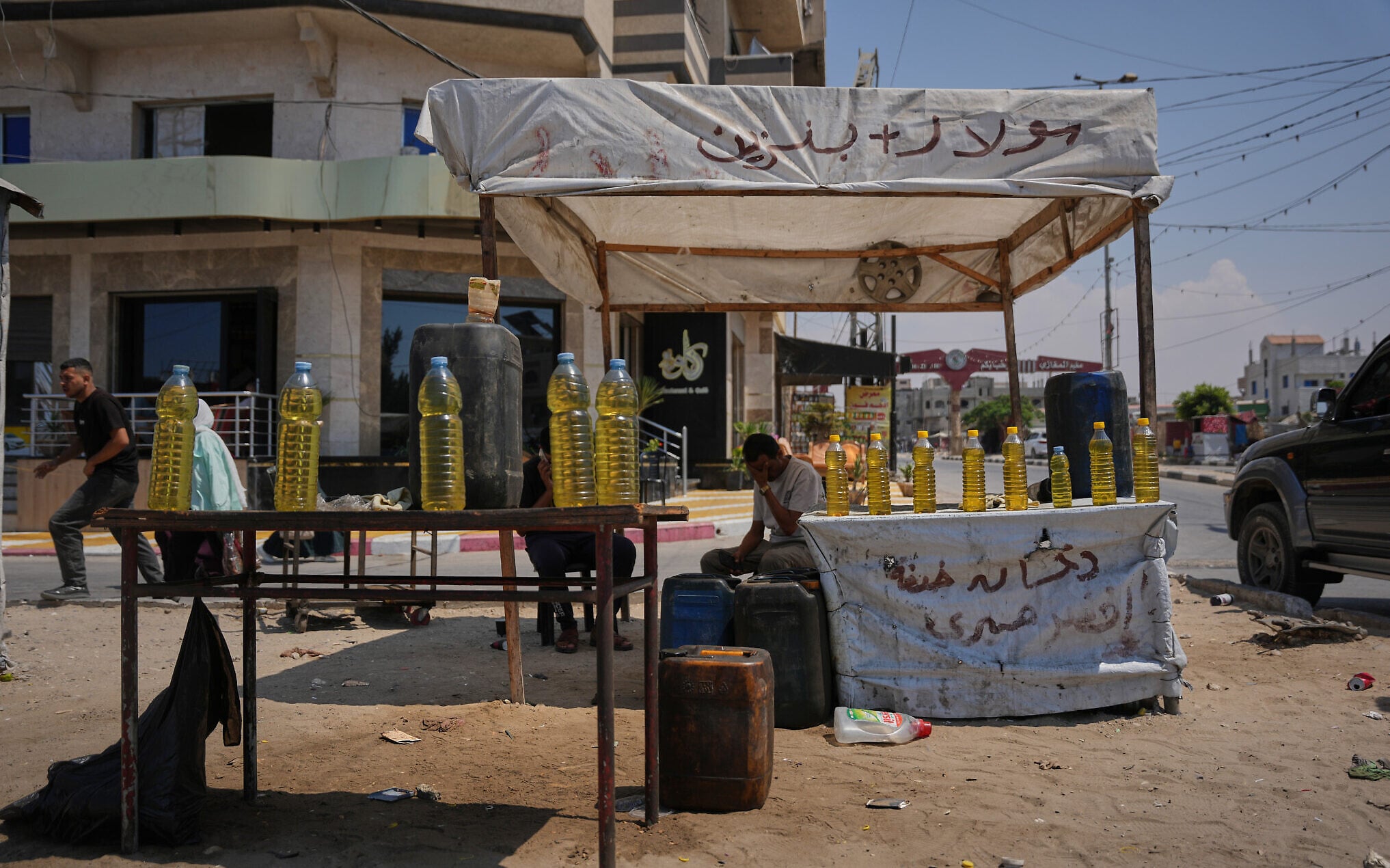
The electricity infrastructure has also not been restored, after 90% of it was destroyed amid the fighting, according to the UN. People rely on generators and solar panels, with some paying by the hour to use them, for example, to charge their phones.
As for water, 71% of water and sanitation infrastructure had been damaged as of August 2026, according to the UN. Aside from parts of central Gaza, where the infrastructure has remained more or less intact for those still living in houses rather than tents, people buy water delivered by tanker trucks or rely on humanitarian organizations, just as they did during the war.
‘A ceasefire for one side only’
Meanwhile, persisting airstrikes by Israeli forces have Gazans feeling as if the ceasefire is only on paper anyway.
“They bomb every day,” Nael said. “There’s shelling at any moment, without warning. I walk down the street and I’m afraid. My children walk down the street and I’m afraid for them,” he said.
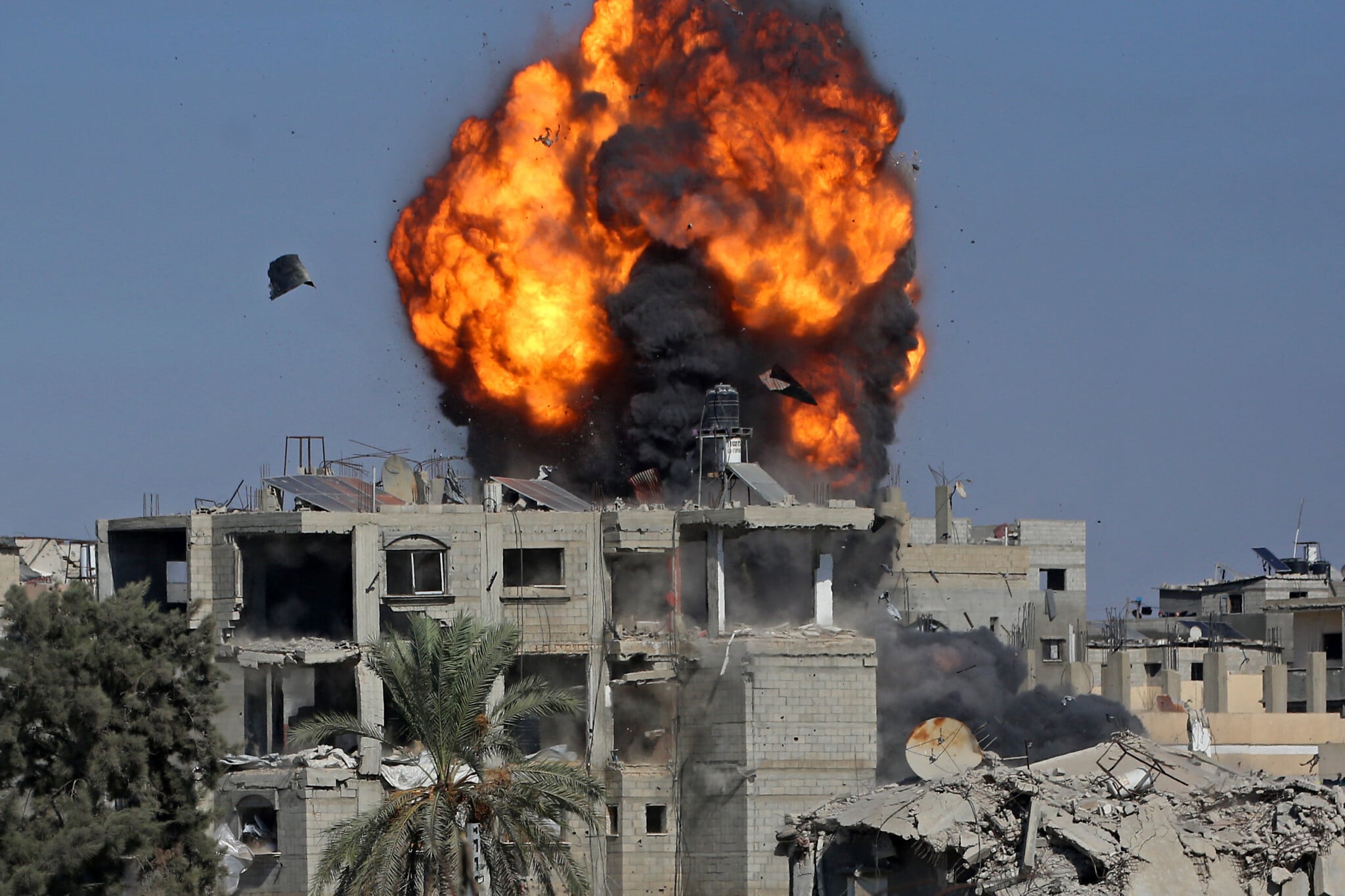
The IDF says it carries out strikes in Gaza to thwart threats to troops and keep Hamas from rebuilding its military wing, but has also carried out attacks on figures identified as having participated in the October 7, 2023, invasion of southern Israel.
Some 5,000 Gazans led by Hamas entered Israel during the attack, carrying out massacres in towns and music festivals and assaulting army positions. Some 1,200 people in Israel were killed in the attack and 251 were kidnapped to Gaza, triggering two years of war in the Strip.
The IDF has not released figures on the number of strikes it has carried out in Gaza or the number of terror operatives it has killed since the ceasefire took effect in October 2025.
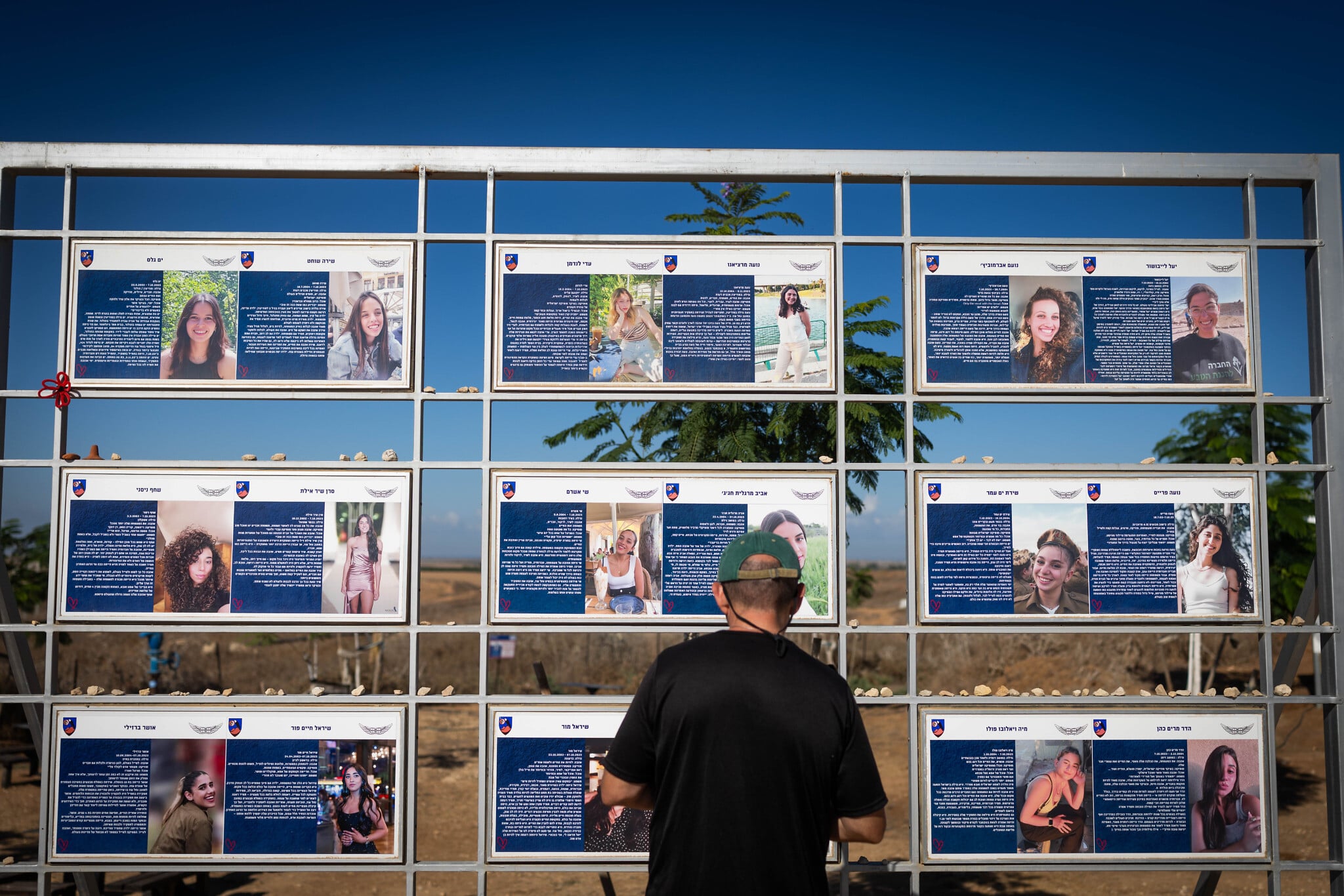
According to the Hamas-run Health Ministry in Gaza, 1,488 people were killed and 5,281 wounded by Israeli strikes and gunfire between the start of the ceasefire and October 11, 2026. The ministry’s figures, which previously counted over 70,000 killed during the active phase of the war, do not distinguish between civilians and combatants.
Israel has expanded its control over the Strip during the ceasefire, from an initial 53% to around 63% currently. The IDF also now maintains some 40 military posts in the Israeli-held portion of Gaza.
Gazans are not permitted to cross the boundary known as the Yellow Line into Israeli-controlled territory, and the IDF has previously said it opens fire on Gazans who attempt to cross it.
The territory under Israeli control includes the entire eastern part of the Strip and the city of Rafah. Gaza’s roughly two million residents are now concentrated in western Gaza City, Khan Younis, the central Strip and al-Mawasi, an area southwest of Khan Younis where large tent camps were established early in the war and remain in place today.
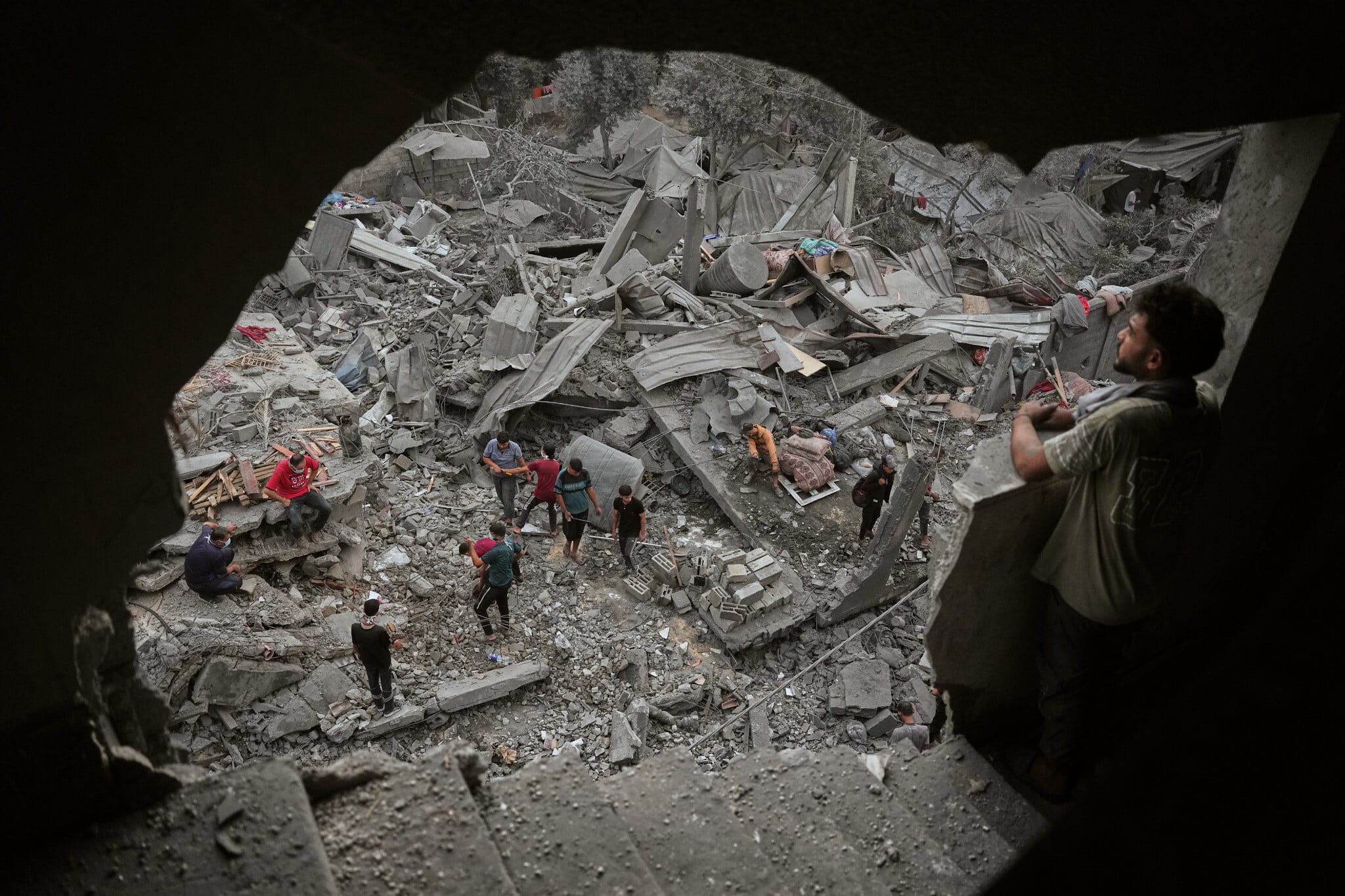
Nael said that despite the ongoing dangers, people leave their homes and go about their daily lives. “People have gotten used to death. They’ve gotten used to the bombardment.”
Anas Arafat, a Gaza City resident, lives in a tent with his family and is looking for an apartment to rent.
“In practice, there is no ceasefire,” he said. “The Palestinian side is the only one committed to the ceasefire, not the Israeli side,” he told The Times of Israel.
That sentiment is also reflected in a recent survey of Gaza residents.
A poll conducted by the East Jerusalem-based Jerusalem Media and Communication Centre, published in September 2026, found that 66% of respondents in Gaza believed the Palestinian leadership’s top priority should be ending the war in the Strip, reflecting the sense in Gaza that the war never halted. The survey did not specify which Palestinian leadership it was referring to.
While Hamas has not fired rockets at Israel for over a year, Israeli security officials have recently warned that the terror group is rebuilding its military capabilities, including by recruiting new operatives, conducting training and restoring military infrastructure.
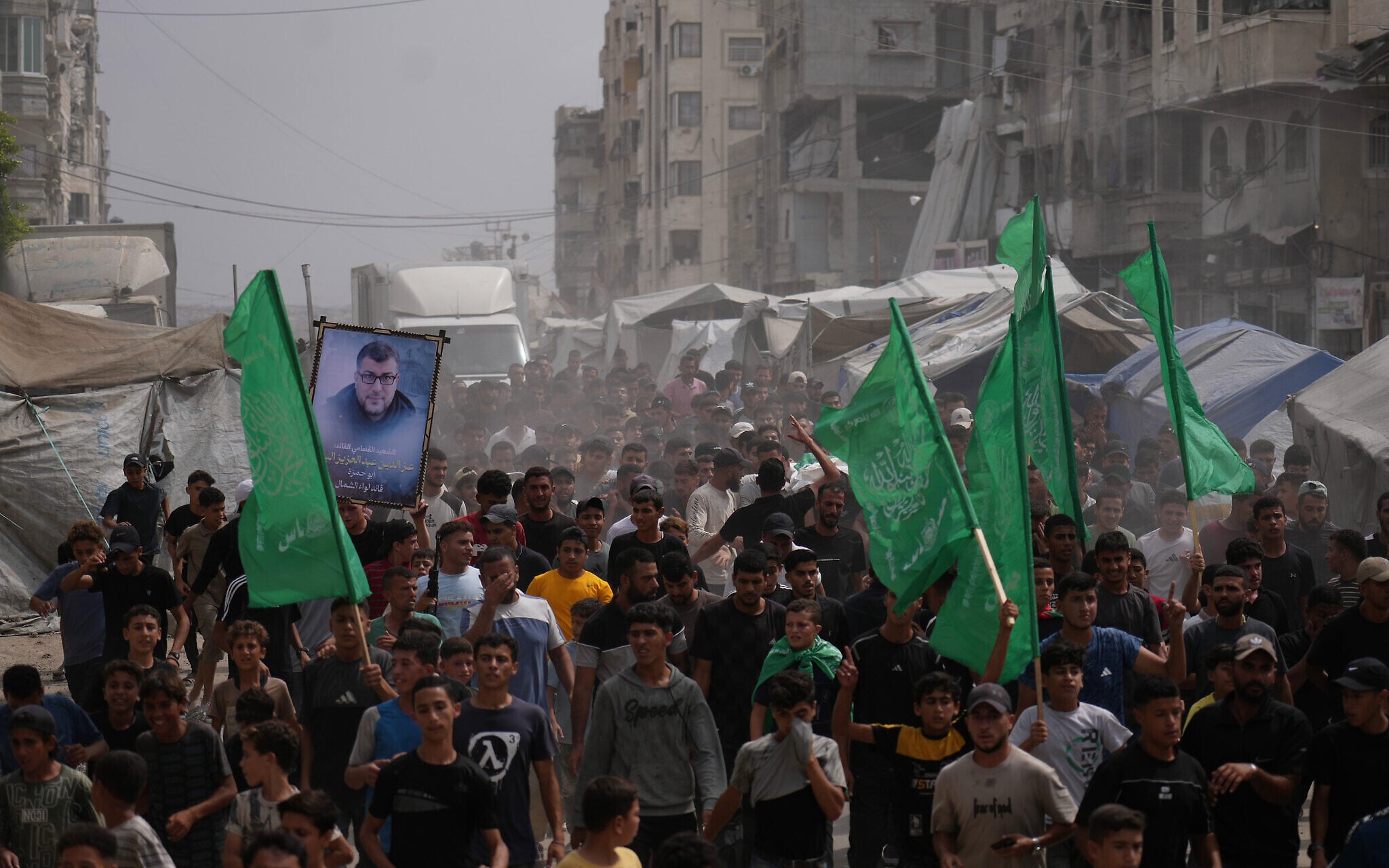
Israel has insisted that troops will not pull back until Hamas disarms. It has also refused to allow the reconstruction of the Strip to move forward until the terror group gives up its weapons and cedes power, a central tenet of the second phase of the Gaza ceasefire plan meant to be administered by US President Donald Trump’s Board of Peace.
Hamas out, technocrats not yet in
In conversations with Gaza residents, Hamas does not emerge as the first party they blame for the situation.
Nael said he was “angry at the whole world.”
“It’s been three years, and nobody has delivered anything. They set up a ‘Board of Peace,’ with [the Board’s High Representative for Gaza Nickolay] Mladenov and Trump — nothing came of it. Just statements and lies,” he said.
While most Gazans see Israel as the main author of their woes, recent polls among Gaza residents have also shown a gradual, if slow, decline in support for Hamas.
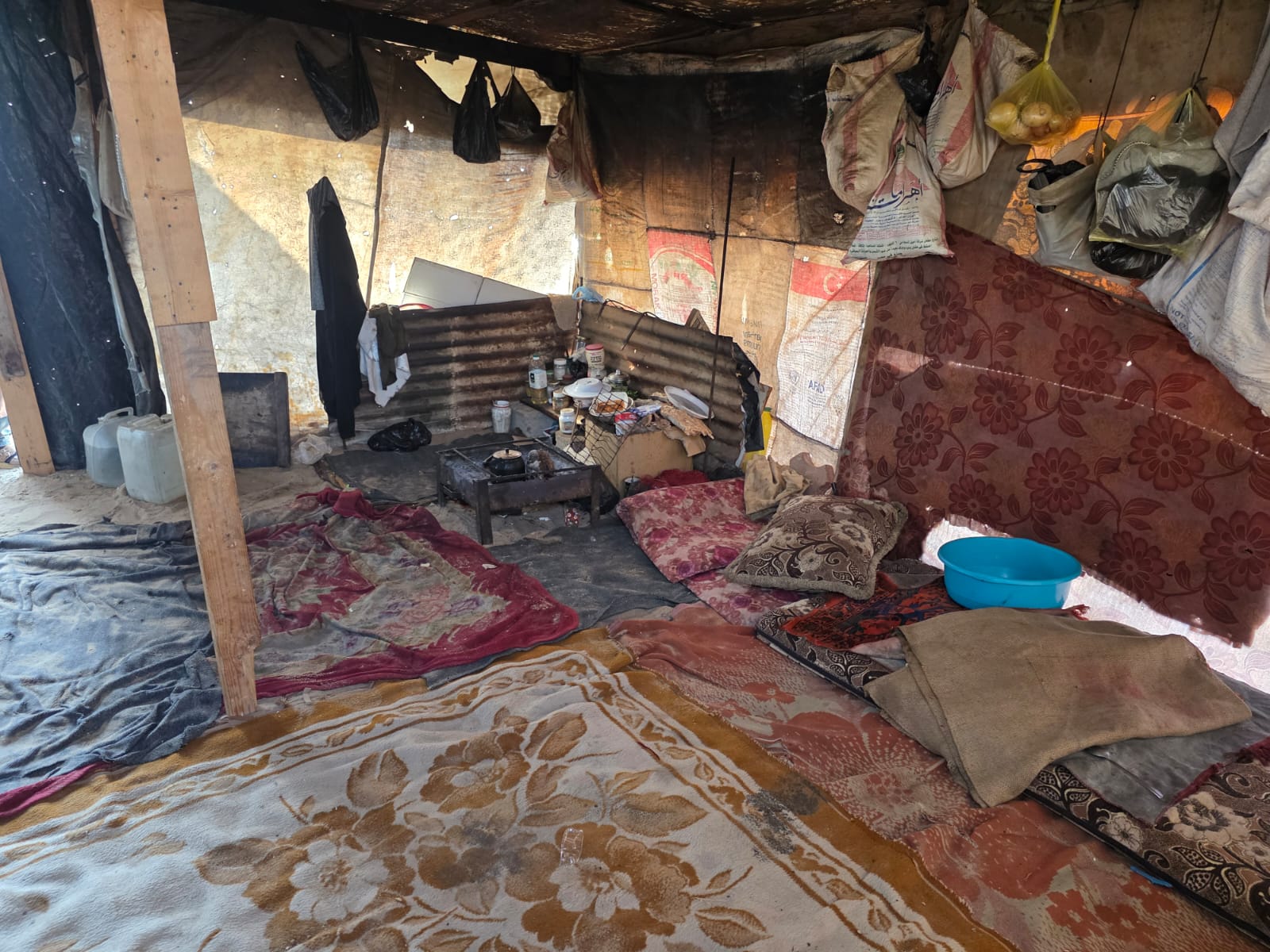
In the August 2026 survey conducted by PCPSR, 38% of Gaza respondents said they were satisfied with Hamas’s performance during the war against Israel, down from 51% in October 2025.
In the Jerusalem Media and Communication Centre survey, just 9.9% of Gaza respondents named Hamas when asked an open-ended question regarding which political party they believed in. The survey was the first to include Gazans, making a direct year-on-year comparison impossible.
Nearly half of Gaza respondents — 49.3% — predicted separately that the Strip would come under the control of the international community “after the war.”
The survey was conducted in August 2026, making it unclear what respondents understood by “after the war,” though they may have been referring to the near future under the existing ceasefire.
Under the ceasefire agreement, administrative responsibility is meant to transfer to the National Committee for the Administration of Gaza. The body of nonpartisan Palestinian technocrats, known as NCAG, was established in January 2026 as part of Trump’s peace plan.
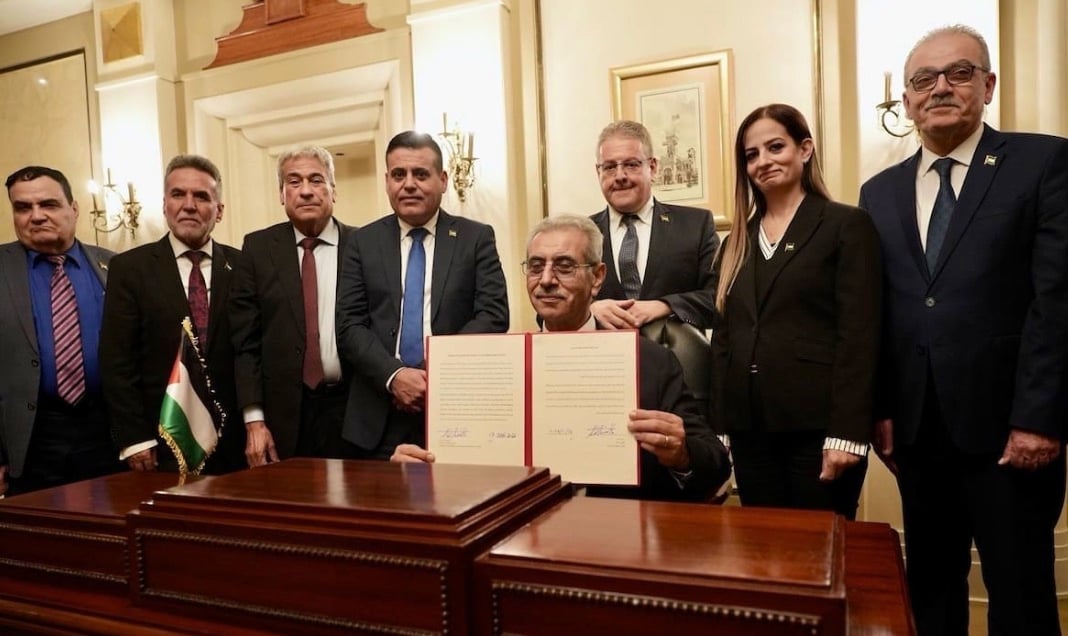
But 10 months after its establishment, the committee’s members have yet to enter Gaza or assume actual governing authority, despite Hamas announcing in July that it was dissolving the governmental emergency committee that had administered the Strip on its behalf during the war and that it was willing to transfer its powers to the new body.
Prime Minister Benjamin Netanyahu’s government, meanwhile, has rejected a Board of Peace disarmament plan tentatively agreed to by Hamas, saying it does not go far enough in removing the terror group’s weapons.
The result is that the Strip remains in a sort of limbo, with no government body to provide Gazan civilians with essential services and leaving it in a state that is little different from the years of war.
“Hamas said it was ready to hand over power, but nobody is taking it, and there’s a vacuum. What would change the situation? Replacing the government, bringing in people [from the committee] who will put an end to this war,” Nael said.
Residents who spoke to The Times of Israel argued that Hamas’s presence on the ground was relatively limited as compared to before the war, meaning that it was hard to blame the group for the fact that they were still living as if the war had never ended.
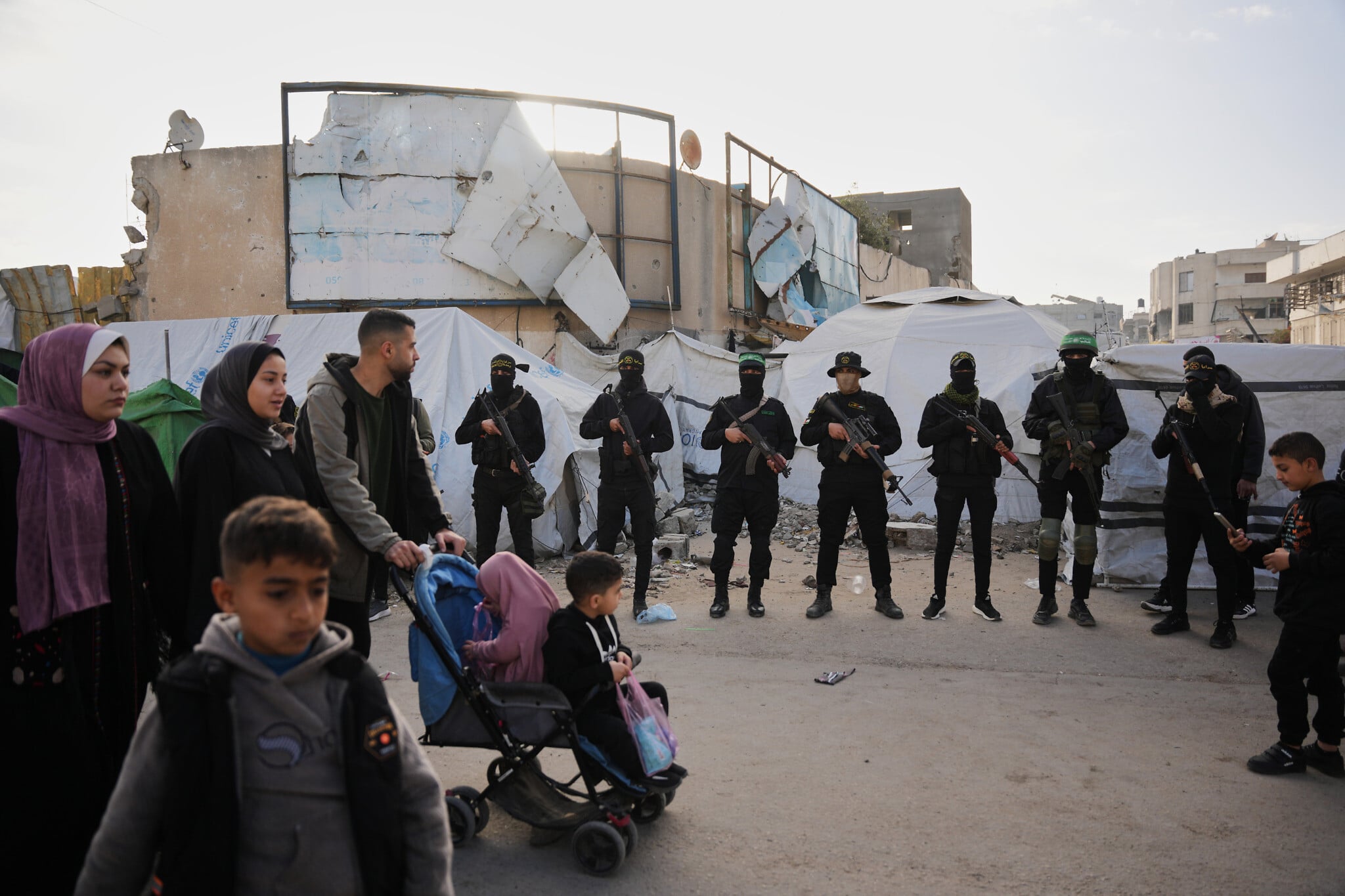
“You see police officers when there’s a dispute between families,” Arafat said, but acknowledged that beyond such occasional appearances, they do not exercise control on the ground.
Since the ceasefire took effect, Hamas police officers have rarely been seen on Gaza’s streets, and those who have appeared have often been dressed in civilian clothing.
Over the past year, the IDF has struck Hamas police stations and officers on several occasions.
After one such strike on a Gaza City police station in August, the IDF alleged that “terrorists were operating from the civilian police station to advance terror attacks against IDF soldiers in the Gaza Strip, exploiting it for military purposes in violation of international law.”
Relying on aid
Arafat expressed hope that the arrival of NCAG would allow government ministries to resume operations and salaries to be paid to tens of thousands of employees of Hamas-run government institutions, including doctors, teachers, and staff at various ministries.
According to Arafat, these employees have received salaries from Hamas only once every few months in recent years, amounting to roughly NIS 1,000 ($325) per payment. Over the past four months, he said, they have received no salaries at all.
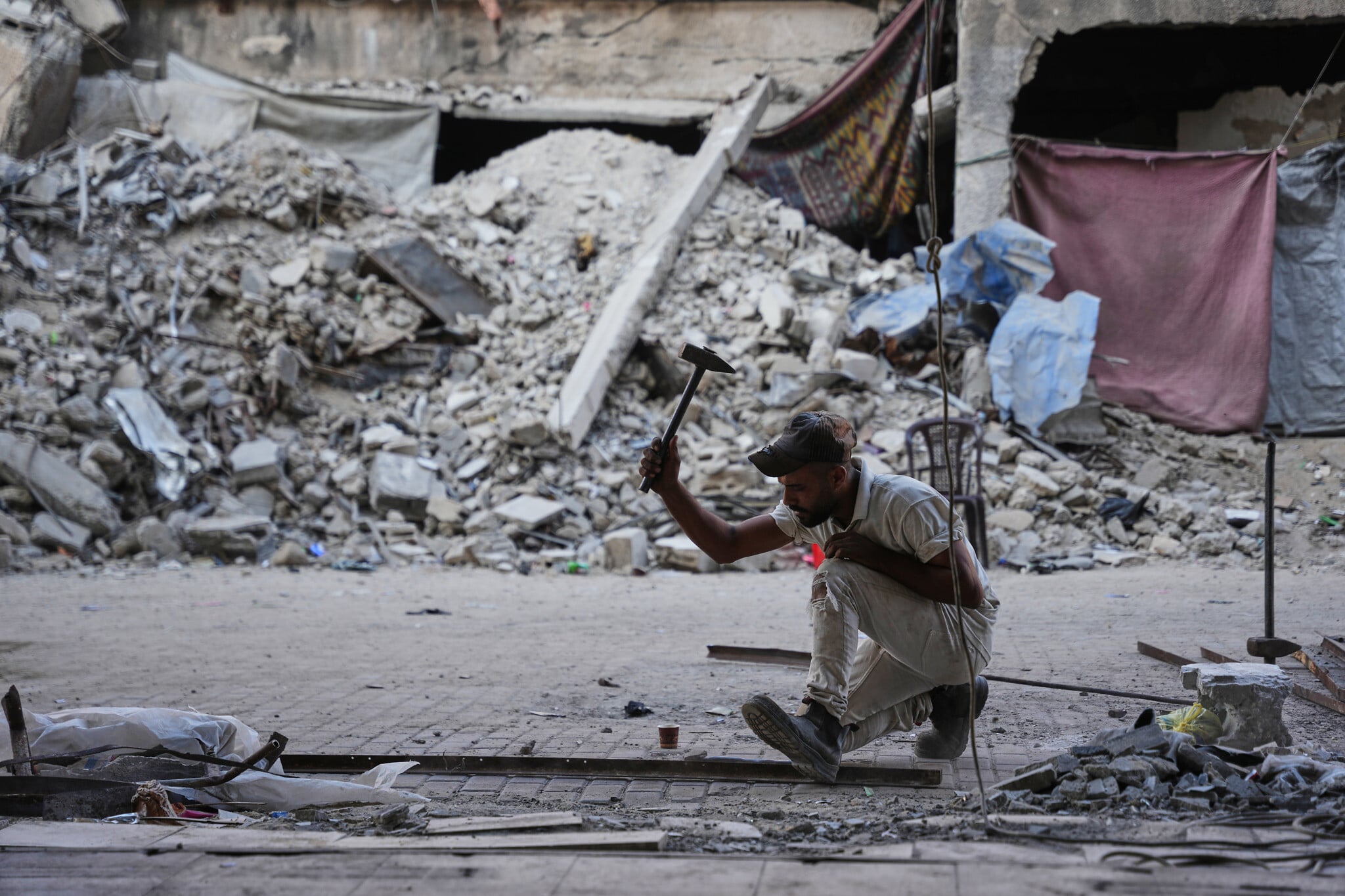
“If they receive salaries, the situation of most of these families will improve. They’ll at least be able to buy basic necessities. The committee’s arrival will help and solve a major problem because it is [financially] backed by the Board of Peace, by Trump, by the United States — the most powerful country in the world,” he said.
Unemployment in the Strip, which has been elevated for years, spiked to nearly 80% during the war, according to official Palestinian figures, though a report in July forecast that it would fall to 73% in 2026, assuming that ceasefire conditions allowed aid and other supplies to flow into the Strip and bolster rehabilitation activities.
Asked about conditions in the Strip, residents describe a daily struggle to survive — above all, finding enough money to feed their families.
Arafat himself works for a humanitarian organization operating in Gaza. He estimated that 90% of the population relies on assistance to obtain food, whether through humanitarian organizations working in the Strip, money sent by relatives abroad, or support from family members and acquaintances within Gaza. Others sell whatever possessions they can.
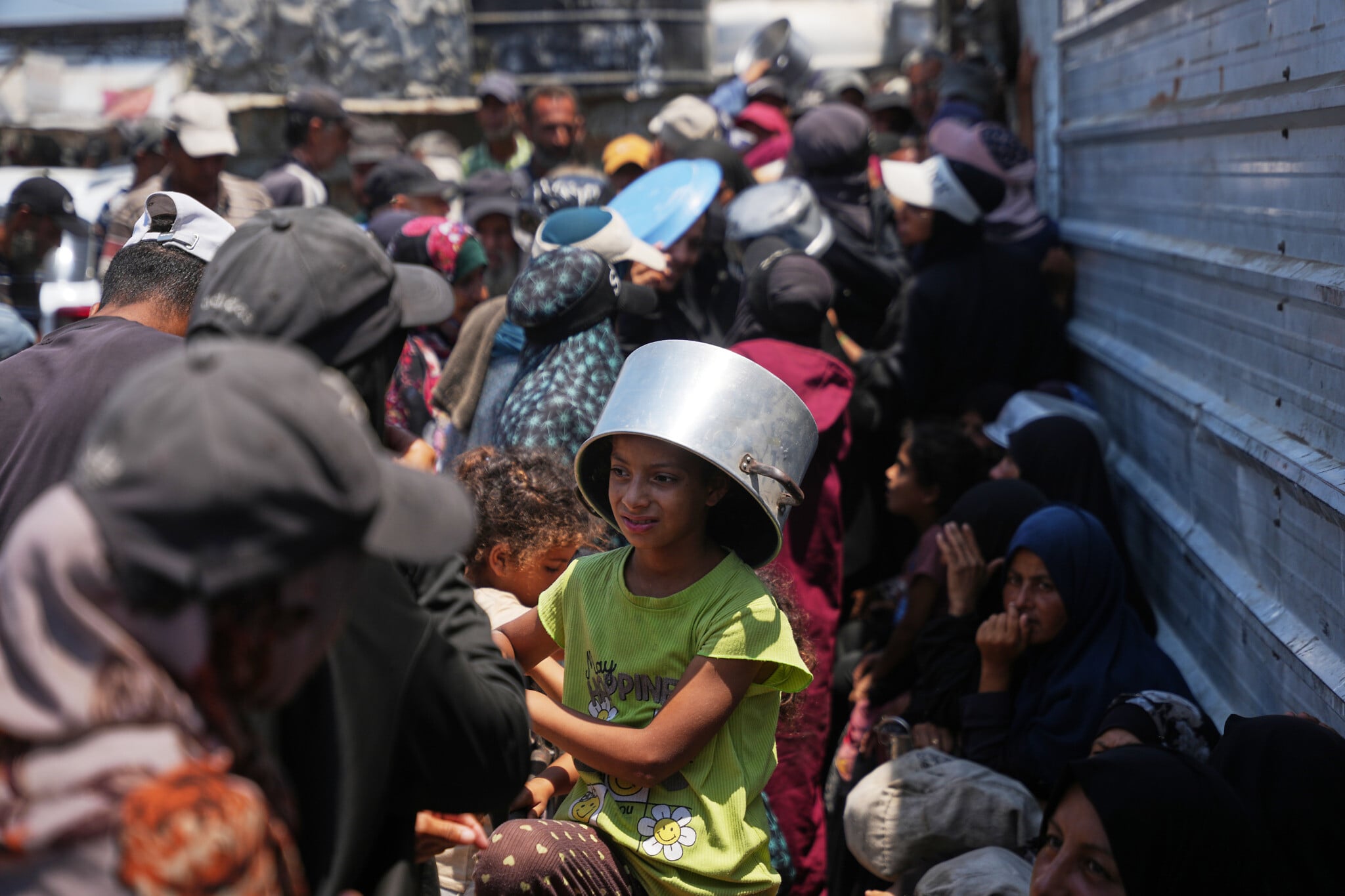
“People sell the tarpaulin sheets from their tents to buy food and milk for their children. Some families sell their kitchen utensils,” he said.
Nael worked in the past as a journalist but did not elaborate on his current sources of income, saying only that he had exhausted the savings he had accumulated before the war.
Ahmed worked for another humanitarian organization until about a week and a half ago, when he resigned after what he described as an incident at the organization for which he felt responsible. He is now looking for work with another aid group.
While working for the humanitarian organization, Ahmed earned $2,000 a month — a relatively high salary in Gaza — but that income is now gone.
“I hope I can find something. My daughter was born two months ago, and she needs food,” he said.
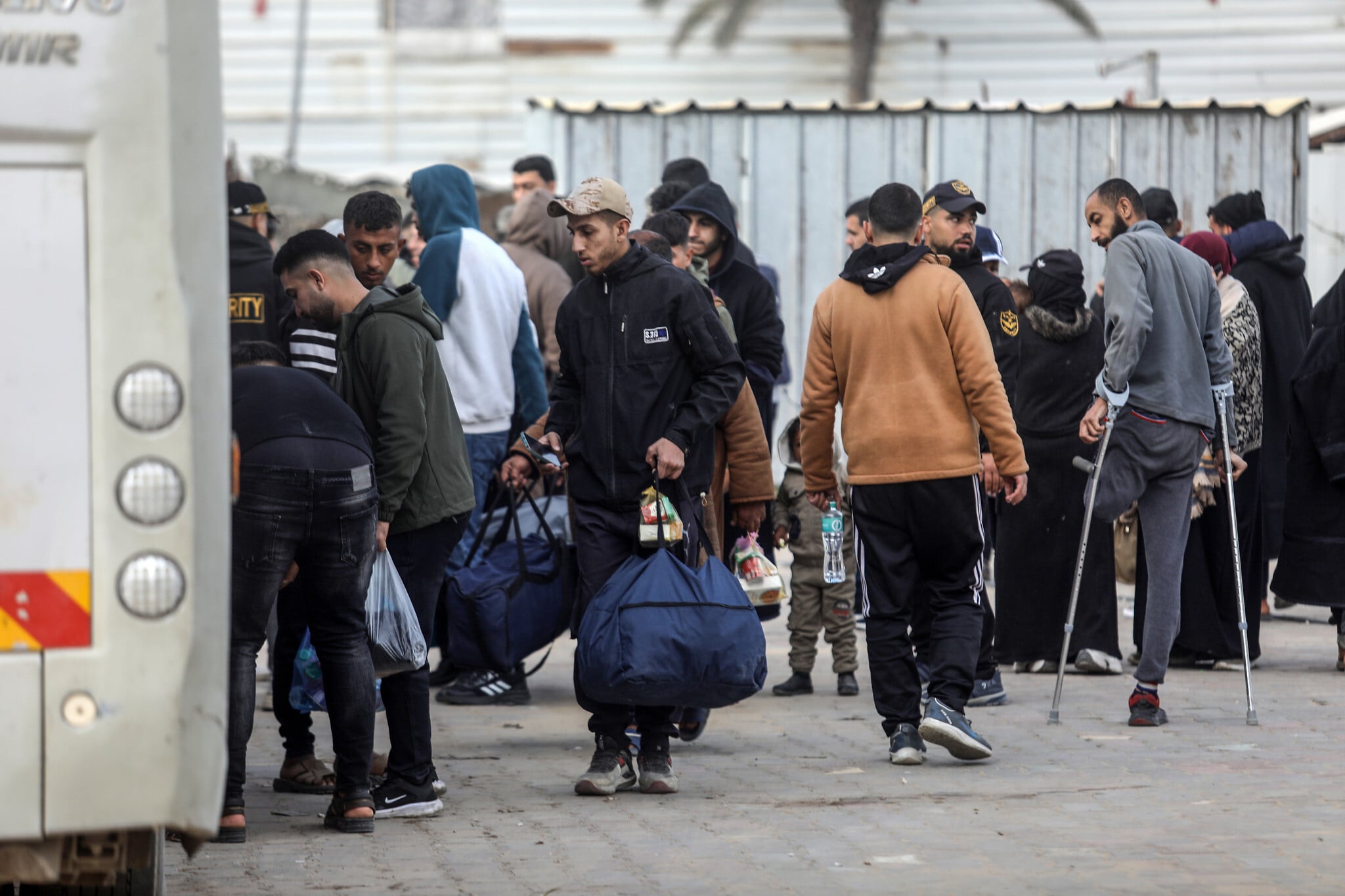
He suggested that if conditions on the ground do not change, Gaza’s borders should be opened to allow residents to leave the Strip for better lives elsewhere.
Even after the ceasefire, the process of leaving Gaza has remained largely unchanged from during the war. Only a small number of residents have been able to leave over the past year, following lengthy bureaucratic procedures, whether for medical reasons or because of ties to a third country.
“In Ukraine, people were evacuated from war zones. At the very least, I’m saying: Open the borders so we can travel,” he said. “Anyone who has a son in Europe, a son in Egypt, a son in America — let them go to their son.”