

Gaza rebuild priced at $71 billion, with most homes and nearly all businesses destroyed
First comprehensive report since ceasefire, compiled by World Bank, UN and EU, finds war caused over $35 billion of direct damage and over $22 billion more of economic losses

 Add ToI as a Preferred Source on Google
Nurit Yohanan is The Times of Israel's Palestinian and Arab world correspondent
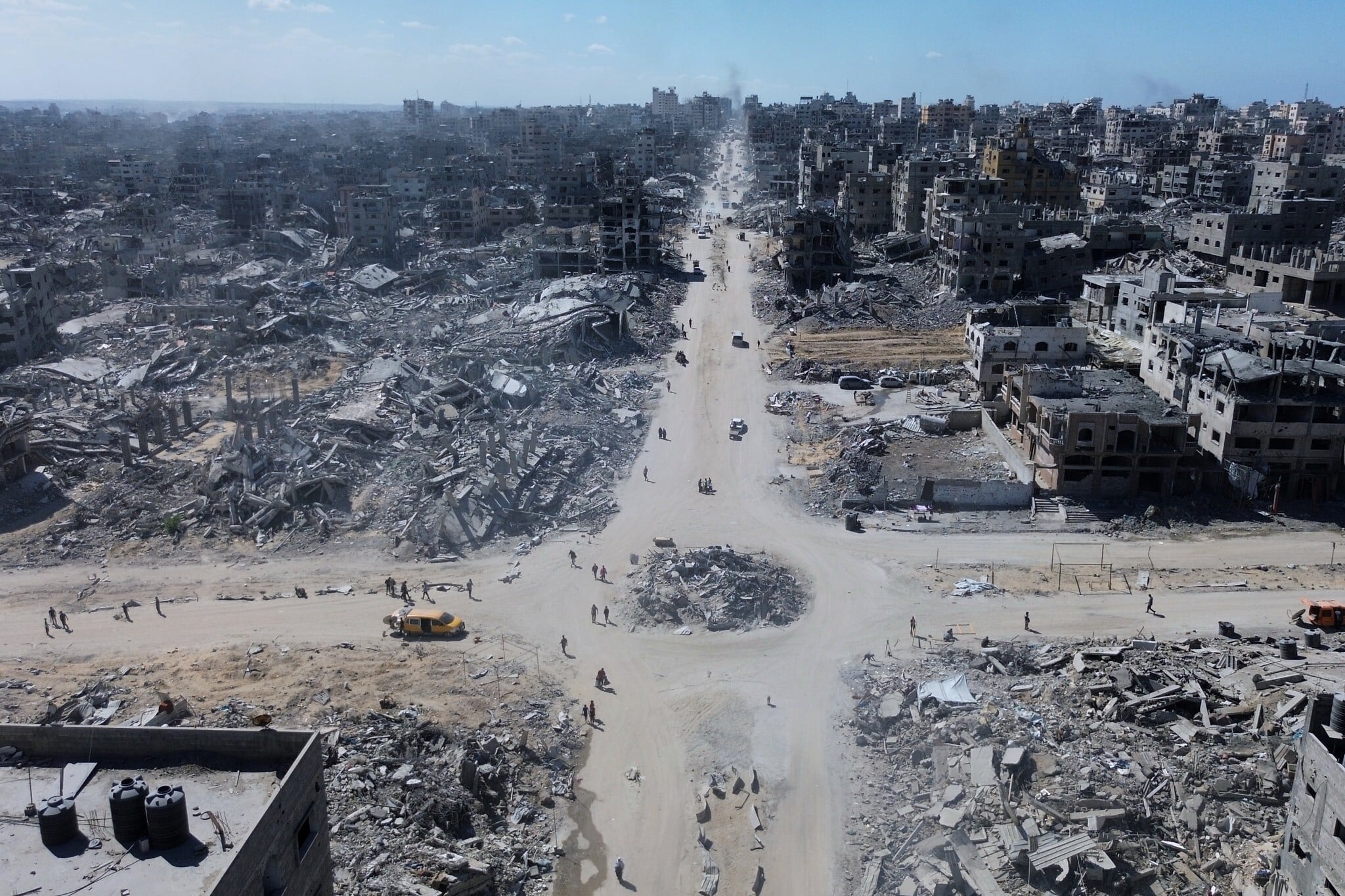
Rebuilding Gaza to its prewar state will cost upwards of $71 billion over five years, according to a recent report by the World Bank, United Nations and European Union, the first such assessment of the damage caused to the enclave after an October ceasefire halted two years of war there.
The sweeping report, which is more highly detailed than previous assessments conducted during the war, found that the war caused $35.2 billion in physical damage, and it put economic losses — including lost income, displacement-induced costs and more — at an estimated at $22.7 billion.
The total is some $5 billion higher than the last Rapid Damage and Needs Assessment, or RDNA, reported by the World Bank, UN and EU as of October 2024.
Reconstruction in the Strip is largely at a standstill due to the lack of progress toward phase two of the US peace plan, which envisioned the ceasefire reached on October 9, 2025, leading to a transition that will end the Hamas terror group’s rule of the Strip.
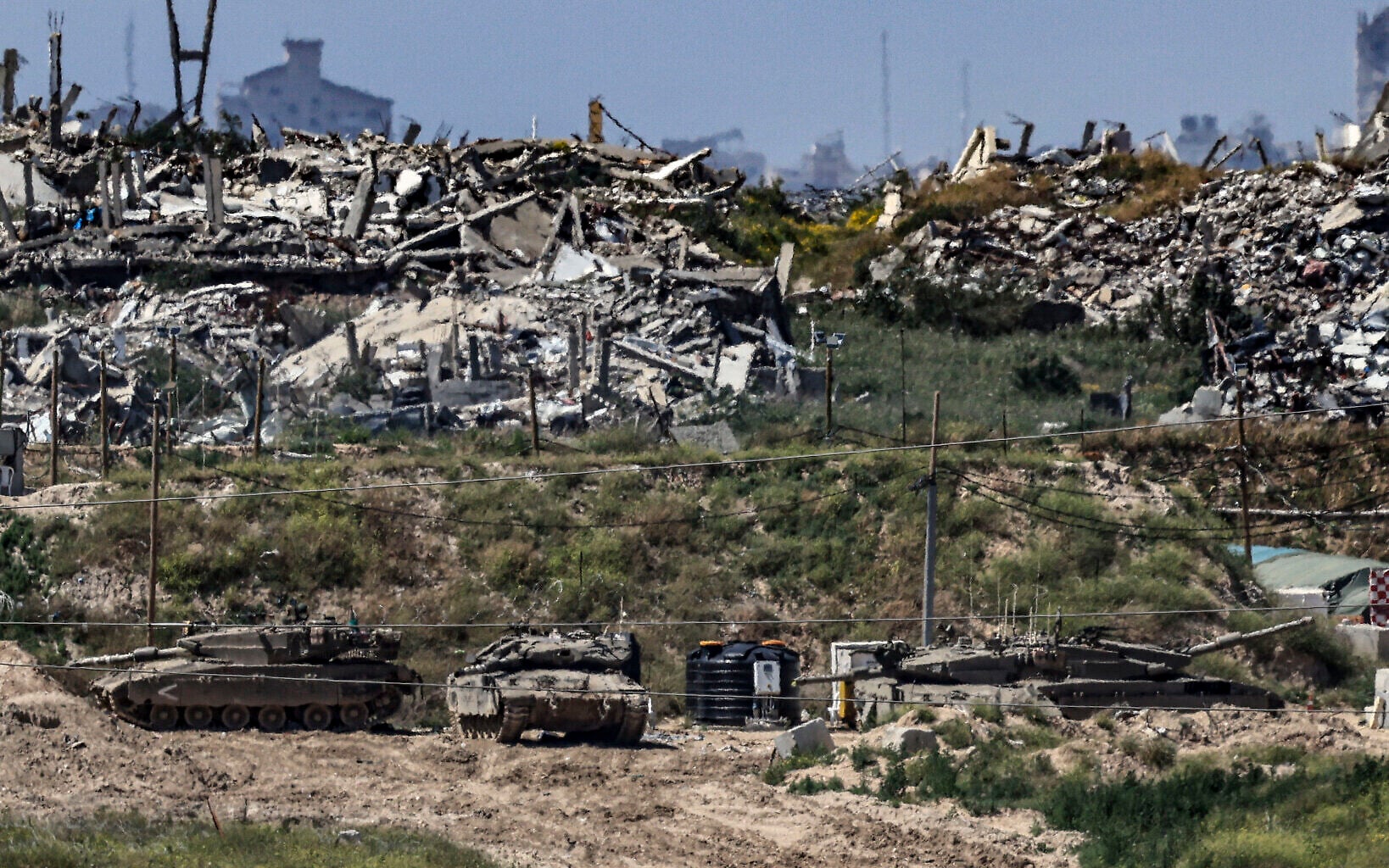
The Israel Defense Forces continues to hold over 50 percent of the enclave’s territory, and has refused to allow most heavy equipment into the part of the Strip outside of its control — where nearly all Gazans now live — without Hamas first disarming under the plan.
“Economically, the situation in Gaza has not changed since the ceasefire until now,” said Saif al-Din Odeh, an economist based in Gaza who previously worked for the Palestinian Monetary Authority, on the stagnation in the Strip over the past six months.
The study, published April 20, outlines a three-phase reconstruction plan aimed not only at restoring prewar conditions but also at improving governance and service delivery, starting with a focus on food assistance, temporary housing, temporary learning spaces, and field hospitals over the first year and a half. It envisions large-scale rebuilding of housing, healthcare, and education systems over the next 18 months, followed by a two-year process centered on modernization of housing, the health system and education.
The conclusions are based on data collected over the course of the war and since, including satellite-based data collection, social media analysis, Gaza-based engineers, cost assessors and “on-the-ground sources” such as UN agencies, Gaza-based government ministries, humanitarian actors, and civil society organizations. The report’s authors assessed damage estimates based on prewar conditions, but they calculated reconstruction costs that incorporate elements of optimization, improved efficiency and sustainability.
Reconstructing housing is estimated to cost over $16 billion, while rebuilding the agriculture and food system sectors, along with commercial and industrial activity, is estimated to cost another $19.5 billion.
Another $19 billion will be needed to get the health and education systems back on their feet and build out social protections. Infrastructure recovery is estimated at nearly $10 billion more.
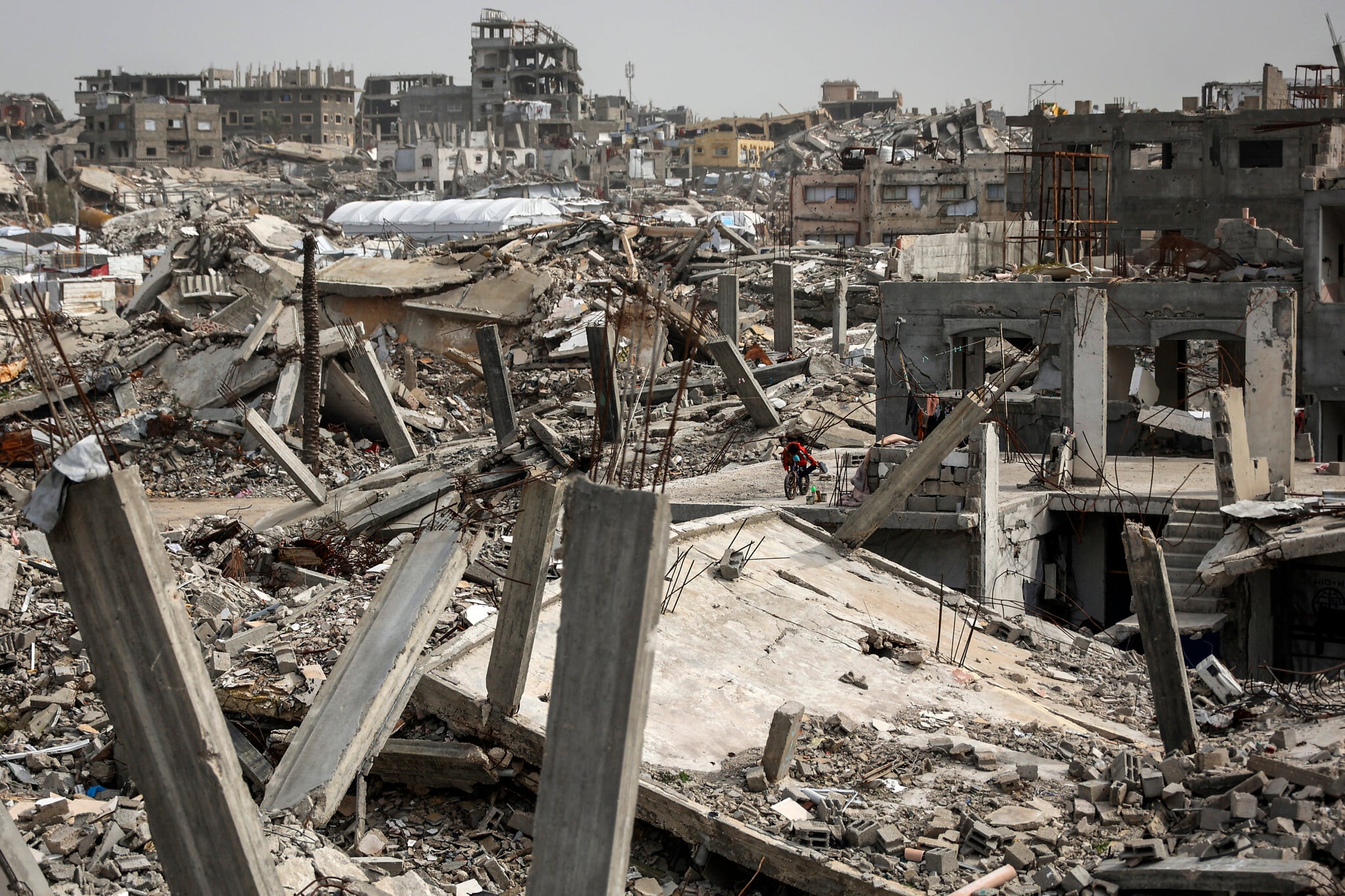
According to the report, the housing sector sustained the heaviest damage, with more than 1.2 million Gazans, roughly 60% of the population, losing their homes amid massive bombardment over two years of war that — unlike earlier, more limited rounds between Hamas and Israel — also targeted high-rise buildings and densely populated urban areas.
“The recent conflict has generated catastrophic destruction of the housing stock,” the report noted, tallying the damage to residences at approximately $18 billion, just over half the total cost of physical damage in Gaza.
According to the analysis, 371,888 housing units, representing over three-quarters of Gaza’s housing stock, were directly affected during the war, nearly 85% of which were completely destroyed.
Thanks to efficiencies, the report estimated that rebuilding the housing sector will cost $16.21 billion, which makes it the largest single recovery line item.
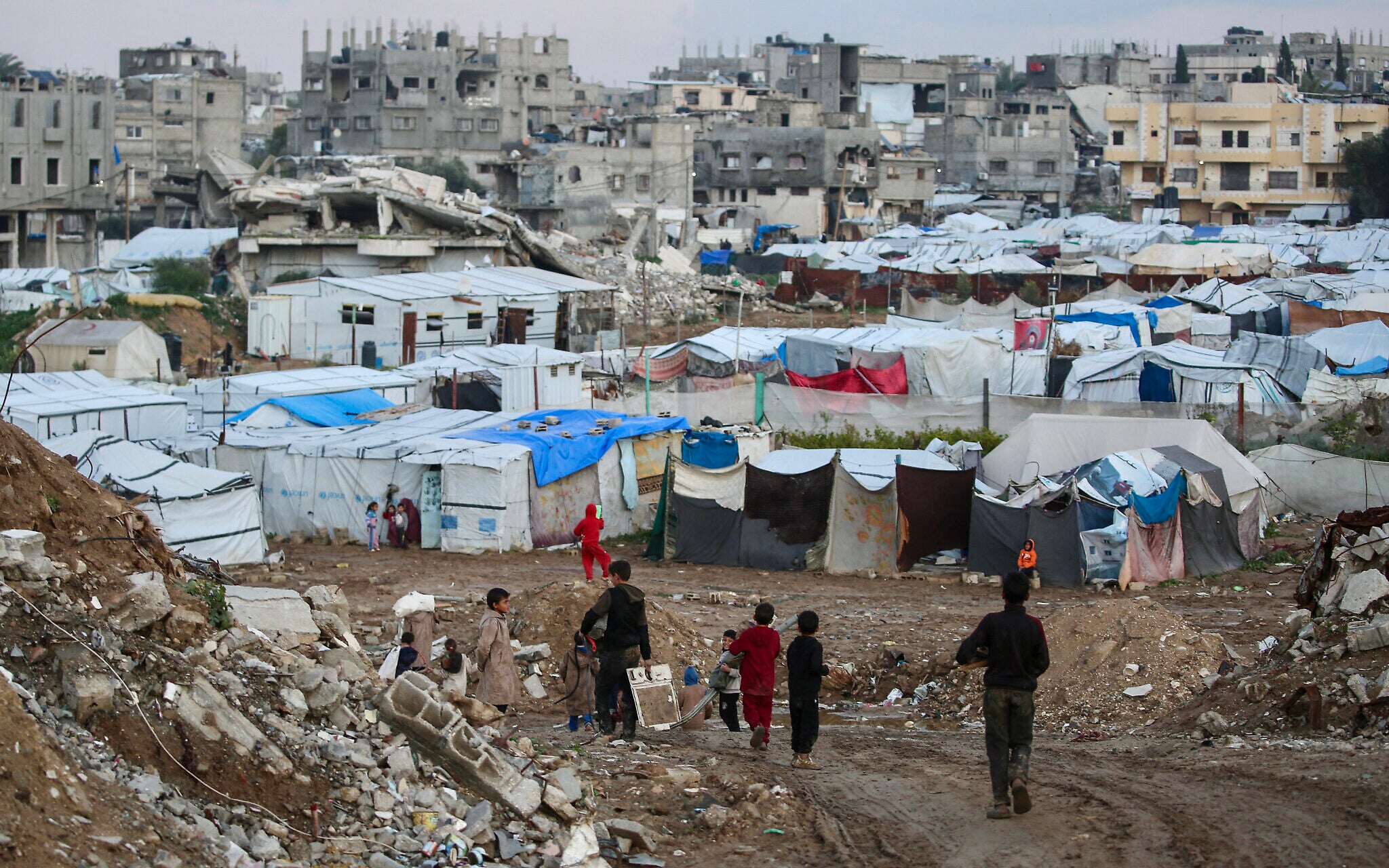
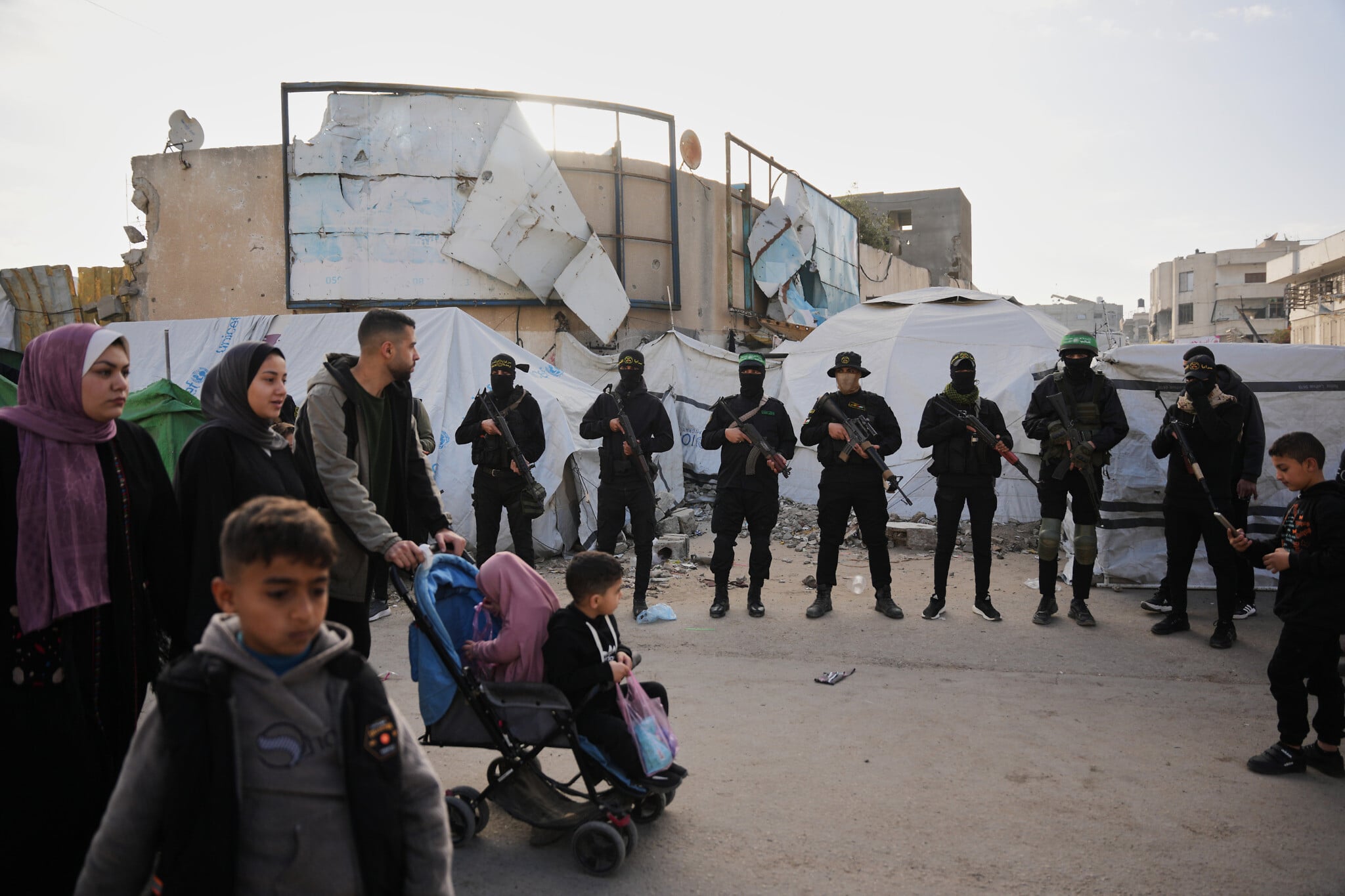
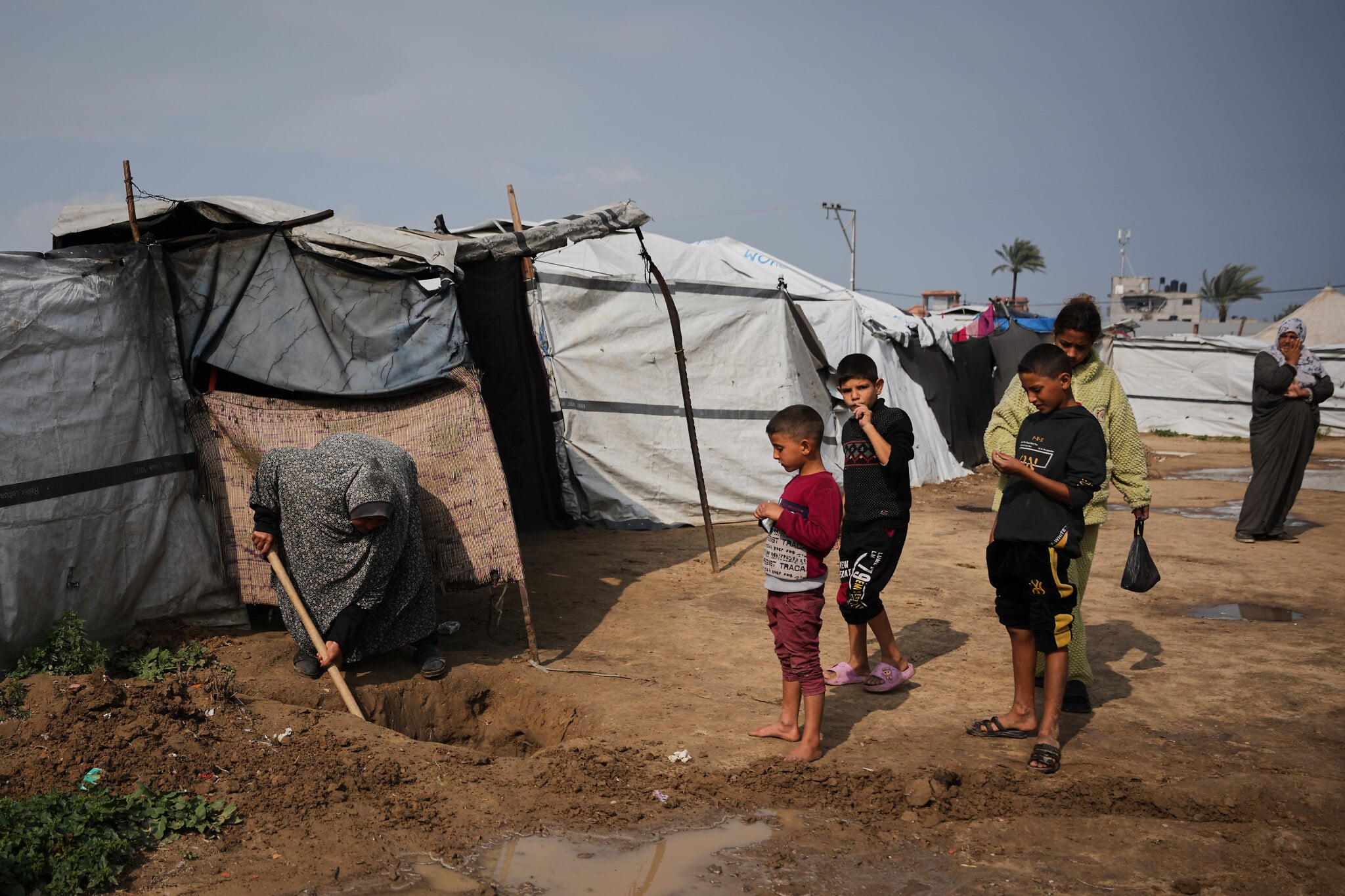
Little of that building has begun yet. A March report by the United Nations Office for the Coordination of Humanitarian Affairs (OCHA) found that some 1.7 million Gazans are still living in “displacement sites” — tent encampments and temporary structures — and are unable to return to their homes, either because they were destroyed or because they are located in areas of eastern Gaza that remain under IDF control under the October 2025 ceasefire agreement.
“The situation of the displaced is the same as it was [during the war],” said Odeh. “Most people are living in tents because their homes were destroyed.”
Urgent need to restore infrastructure
According to the report, Gaza’s medical system — already strained before the war by shortages of equipment and specialization — was severely damaged and remains far from recovery.
During the war, Israel accused Hamas combatants of hiding command centers inside and beneath hospitals, but said the army took measures to minimize harm to civilians when operating in or near medical facilities.
According to the report, fewer than half of hospitals and less than 38% of primary healthcare centers are even partially functional today.
As of September 2025, at least 41,844 people are estimated to be living with conflict-related, life-altering injuries requiring long-term rehabilitation, according to data collected by the World Health Organization, which includes information gathered by medical teams in Gaza and from Hamas-run health authorities.
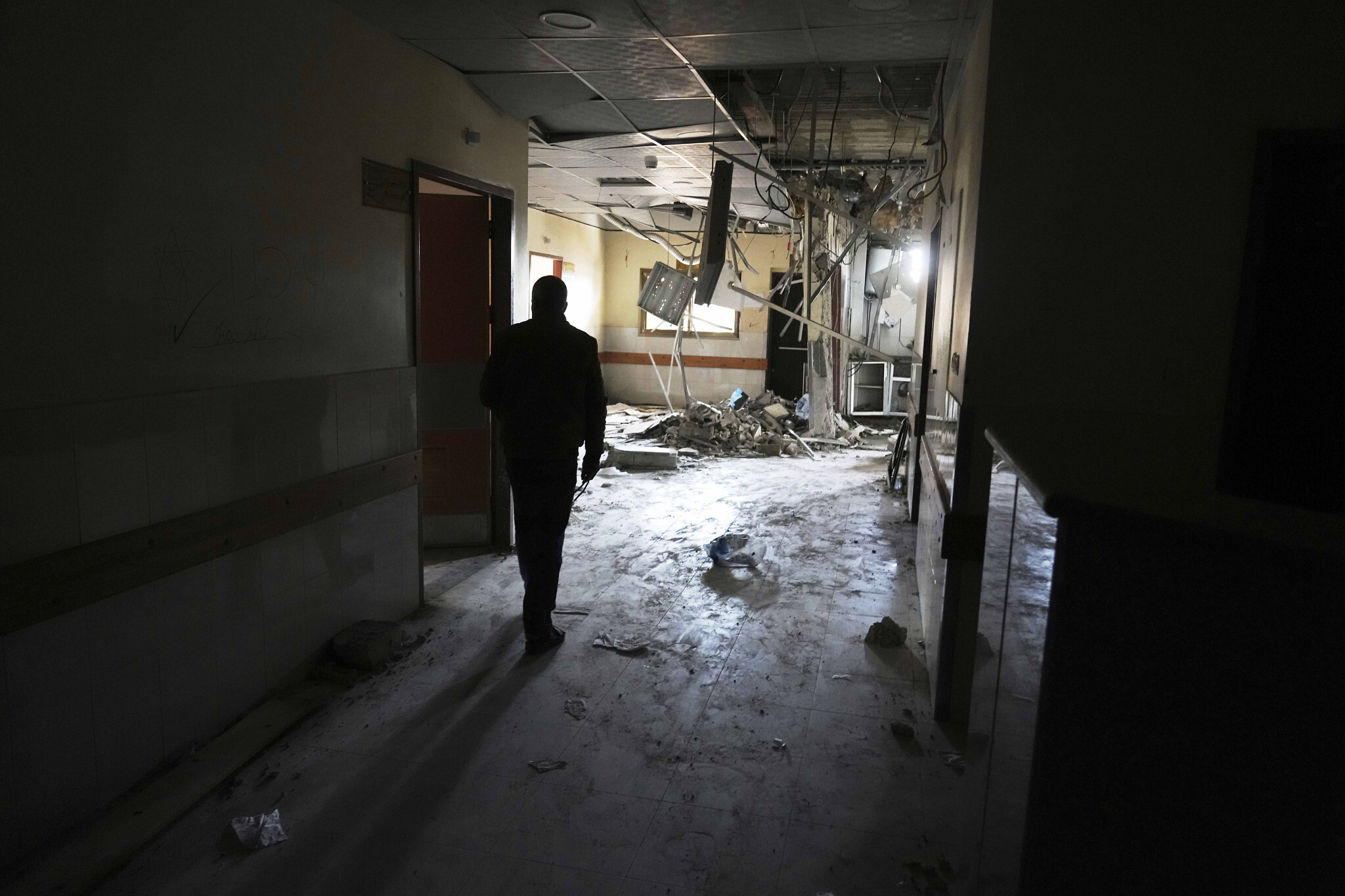
Rebuilding the health system is estimated at $10.03 billion in the report.
Failures in sanitation and waste management systems, combined with a lack of essential resources to maintain remaining infrastructure, have left the population at risk of disease outbreaks, the report warned.
The World Bank report estimated that the electricity sector sustained damages of $565.3 million, with more than 90% of infrastructure destroyed, forcing healthcare facilities to rely on generators.
Rebuilding the energy sector is estimated in the report to cost $2.73 billion.
Even before the war, Gaza’s electricity network suffered from chronic shortages, meeting less than 35% of demand for the Strip’s 2.2 million residents. Prior to the war, Gaza relied heavily on electricity supplied from Israel, which was cut off at the outset of the conflict, with the exception of a limited connection to a wastewater facility. Gaza’s sole power plant, dependent on outside fuel, also ceased operations.
Even after the fighting ended, electricity has not been fully restored.
An April 19 report published by Gisha, an Israeli human rights organization, found that electricity in Gaza is currently generated almost entirely through local generators and solar panels, though many of these were also damaged in Israeli strikes. Gisha cited data from the Gaza Power Generating Company, which previously supplied electricity to Gaza, that found that more than 5,000 kilometers of power lines and over 2,200 transformers were destroyed during the war.
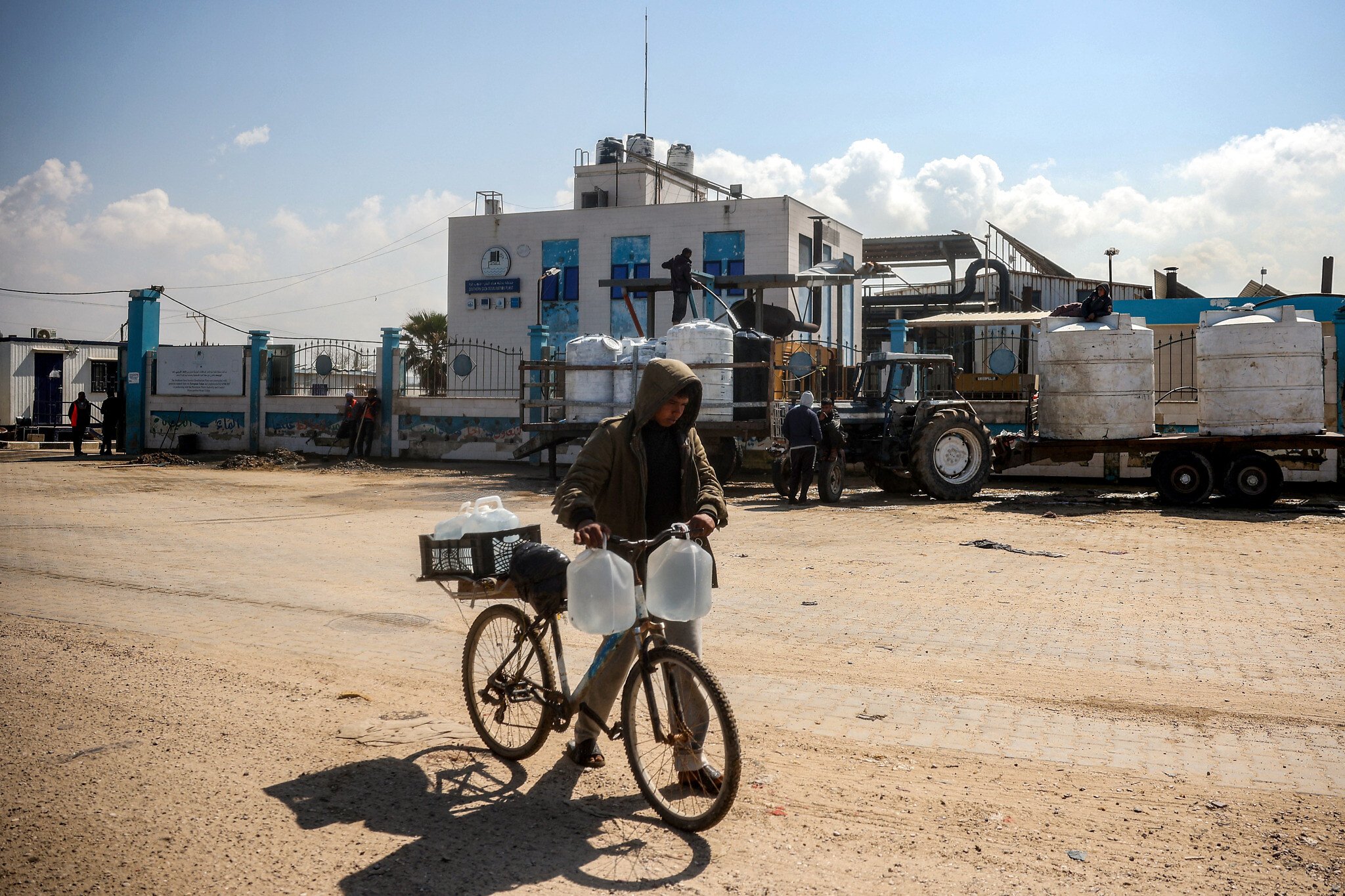
Damage to water and sewer infrastructure was estimated at $1.7 billion, though rebuilding it will cost $4.24 billion. Before the war, drinking water supply relied heavily on three small desalination plants and bulk water imports from Israel.
Immediately after the October 7 massacre, Israel halted water supply to Gaza, but resumed it about a week later on a partial basis. Throughout the war, supplies remained limited and unstable, depending on the security situation and damage to water infrastructure within the Strip.
According to the report, around 88% of aboveground water infrastructure and 76% of underground networks were partially damaged or destroyed during the war. Today, approximately 77% of households in Gaza rely on water delivered by tanker trucks, which they either purchase or receive from aid organizations.
Widespread damage to roads, bridges and other transportation infrastructure totaled $3.21 billion, the report found. Economic losses stemming from the damage were estimated at another $1.18 billion.
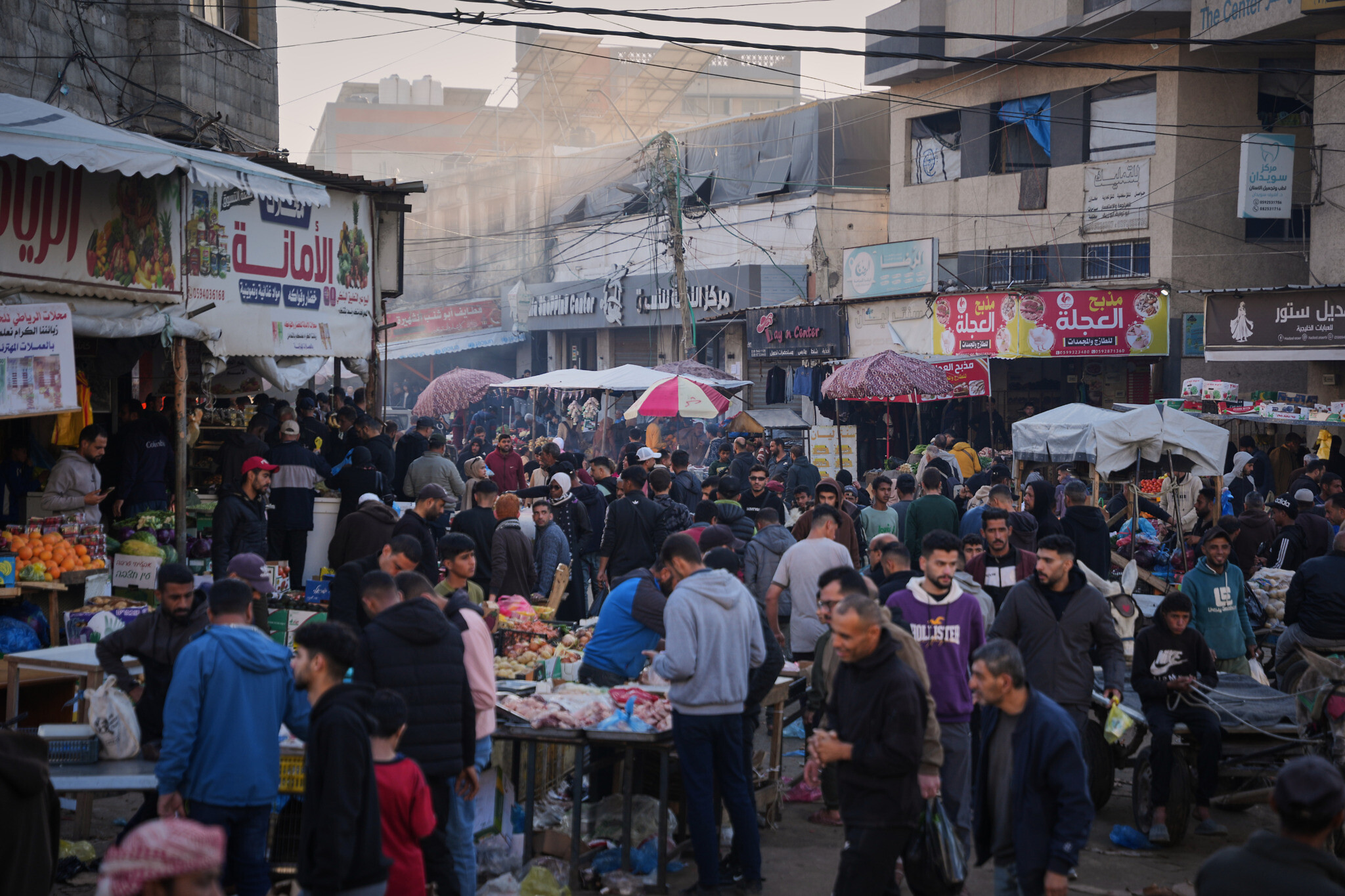
“It’s very difficult to travel by car,” said Odeh, citing both debris blocking roads and the poor condition of vehicles.
Spare parts were largely unavailable during the war, and remain scarce and extremely expensive. He cited prices of NIS 2,000 ($670) for a single liter of engine oil and NIS 1,000 ($335) for a single car tire.
As a result, he said, most Gazans now travel on foot, even for long-distance journeys.
The report estimates that rebuilding roads and other transportation infrastructure will cost $1.54 billion.
Some main roads have begun to be cleared in joint projects between local authorities and the International Committee of the Red Cross, Odeh said.
Social media footage has also shown debris removal efforts in recent months by humanitarian organizations from Qatar, Egypt, and Turkey.
Still, clearance efforts remain minimal. “When you’re talking about the rubble of a 15-story building, it’s not simple [to clear] — it takes time and heavy machinery, which is in limited supply,” he said. “So they open three or four meters just to allow vehicles to pass, and push the rubble to the center of the road to keep traffic moving.”
Nearly three-quarters of workers stopped working
The report found that Gaza’s already weak economy was decimated during the war, with 92% of businesses affected by damage to buildings or equipment.
The report tallied losses to commercial and industrial structures at $6.35 billion; buildings and equipment that were completely demolished accounted for $5.72 billion of that total.
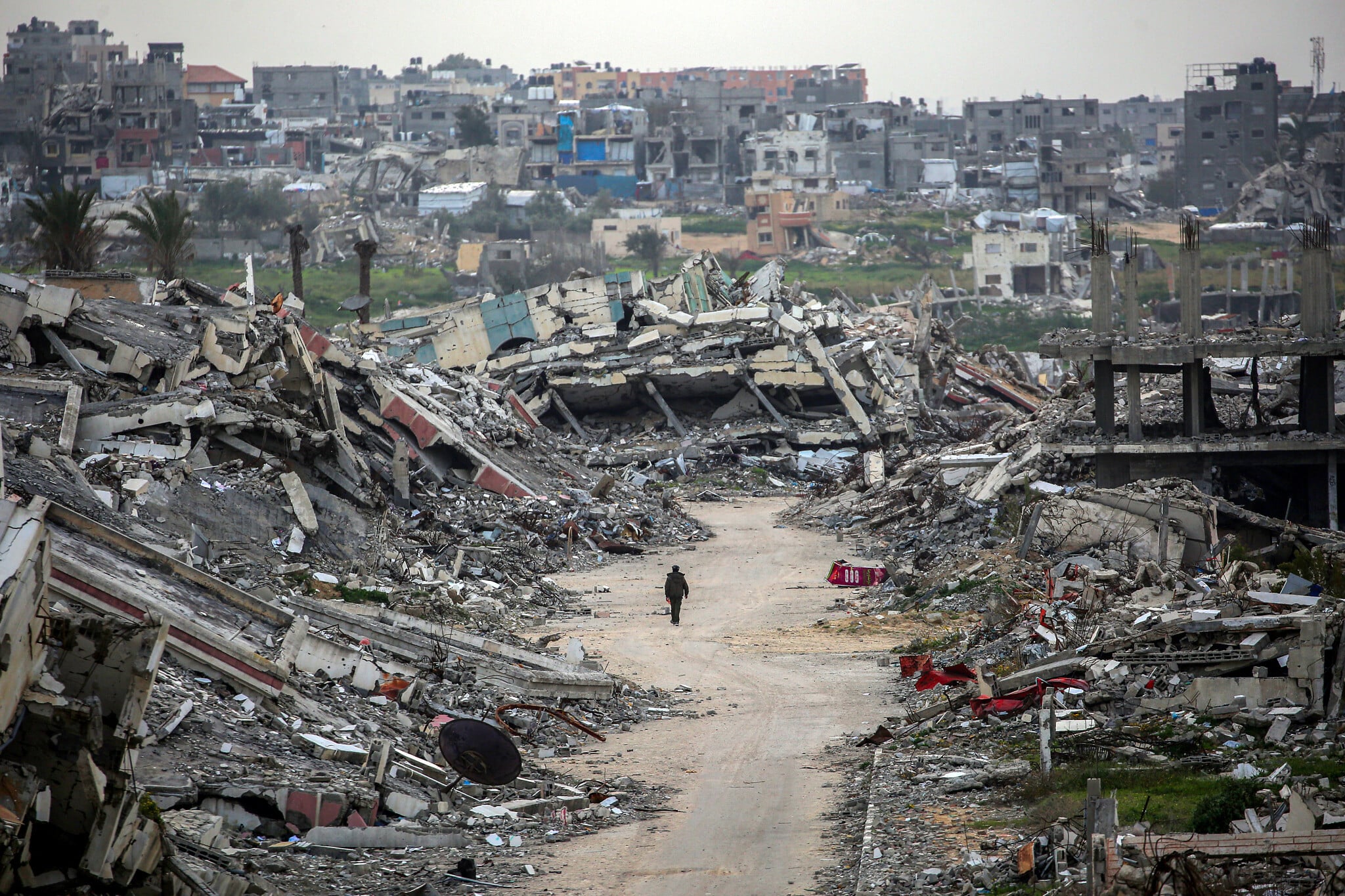
Only 55% of Gazans were employed before the war. Of those, nearly three-quarters lost their jobs during the fighting, and today fewer than one in 10 Gazans has a job, according to the Palestinian Central Bureau of Statistics.
Odeh said the few jobs that remain in Gaza’s private sector are tied to the sale of goods entering from outside the Strip, often through small, makeshift market stalls. “People are living off aid from humanitarian organizations and public kitchens [that distribute free hot meals],” he said.
According to an April 23 report by the United Nations Office for the Coordination of Humanitarian Affairs, one in five families in Gaza is still eating just one meal a day.
One of the sectors hardest hit by the war is agriculture, which already operated under severe constraints before the war.
“The war led to the collapse of food production and market infrastructure, with damages estimated at $1.44 billion,” the report found. Most of Gaza’s agricultural areas are located in the eastern part of the Strip and around Khan Younis — areas that are now either populated by displaced people or remain under IDF control.
In addition, fishermen have largely been unable to venture offshore since the war, effectively freezing the fishing industry.
According to the report, recovery needs in the agriculture and food systems sector are estimated at $10.49 billion, much of which would go to feeding Gazans until the Strip’s agriculture and food distribution is rebuilt. Bringing the sector back to life would include rehabilitating productive assets and farmland, restoring irrigation and water systems, rebuilding markets and storage and processing facilities, restocking livestock and fisheries, and strengthening services and institutional capacity.
Rebuilding commerce and industry in the Strip is estimated to cost another $8.99 billion.
One area that has remained relatively stable is the public sector, which accounted for about 40% of employment before the war. This includes former Palestinian Authority employees who worked in Gaza prior to 2007 and continue to receive salaries from the PA, alongside workers employed by Hamas-run government institutions. Together, these groups are estimated at around 50,000 employees.
The report itself notes that public sector employment remained “relatively stable,” alongside a significant decline in income due to partial salary payments.
Both the Palestinian Authority and Hamas are facing financial difficulties that limit their ability to pay full salaries, but according to statements by the PA Finance Ministry and reports in Arab media, salary payments — albeit partial — have continued.
It is unclear who will pay to rebuild the Strip.
The US in February announced that $17 billion had been pledged for emergency relief and the reconstruction of Gaza through the Washington-led Board of Peace, which is tasked with overseeing the postwar management of Gaza.
This included pledges of $10 billion from the US and roughly $1 billion each from the United Arab Emirates, Qatar, Saudi Arabia and Kuwait.
However, only a tiny fraction of these pledges has been transferred to the Board of Peace as of early May, several officials familiar with the matter have told The Times of Israel. The Board of Peace has adamantly denied funding problems.
Similarly substantial pledges were issued by countries to help rebuild Gaza after previous wars with Israel, which also went largely undelivered, and the Board of Peace now faces the added challenge of international attention shifting away from Gaza just weeks after the February donor conference. Gulf countries that offered the most money were some of the hardest hit during the US-Israel war against Iran and may choose to shift their financial priorities accordingly.
In a press release issued alongside the report, the United Nations and the European Union — though not the World Bank — stressed that “recovery and reconstruction efforts should be Palestinian-led,” and that the process should actively support the transfer of governance to the Palestinian Authority in line with UN Security Council Resolution 2803, which endorsed Trump’s Gaza plan, and advance “a durable political settlement based on the two-state solution.”
Under Trump’s plan, a technocratic National Committee for the Administration of Gaza operating under the Board of Peace is supposed to take over running the Strip. However, the panel has yet to enter the Strip, and control of the enclave remains divided between Israel and Hamas.
On Monday, the Board of Peace’s lead envoy for Gaza Nickolay Mladenov was in Israel for talks with top officials after meeting with Hamas in Cairo, Army Radio reported.
Mladenov was expected to ask for Israel to lift some restrictions on the entry of humanitarian items into Gaza, and to limit its military operations, according to the report.
Mladenov has been holding talks with Hamas leaders for weeks on disarming, but the group has largely bucked the demands to give up all of its weapons.
Instead, the terror group submitted a counter-offer to the Board of Peace, insisting that the issue of its weapons only be addressed as part of a framework culminating in the establishment of a Palestinian state.
Jacob Magid contributed to this report.








The Times of Israel Community.