Placed on Likud’s slate, pro-Netanyahu pundit Jacob Bardugo amps up political clout to 11
Doggedly loyal Channel 14 firebrand long operated inside the PM’s political orbit from behind the scenes, but is now set to assume real influence with the No. 11 slot on Likud's electoral slate
Among the many well-known politicians slotted near the top of the Likud party’s slate, the most familiar face, or voice, may belong to a figure who has never held political office, but nonetheless commands enormous influence in right-wing circles.
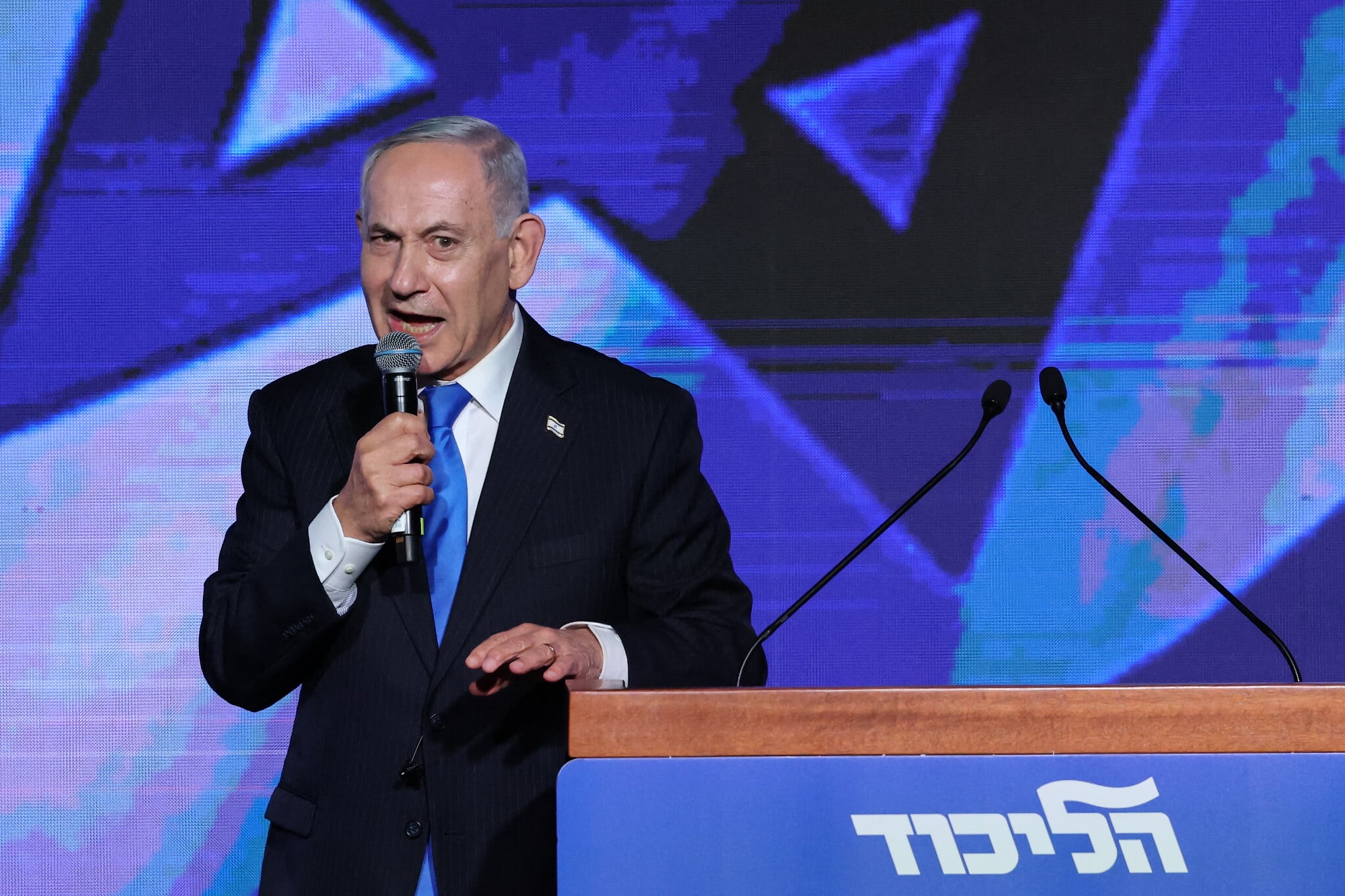
A close confidant to Prime Minister Benjamin Netanyahu and prominent political commentator for the pro-government Channel 14 network and Radio Galey Israel, Jacob Bardugo, 61, has spent years as one of the prime minister’s most prominent defenders in the media.
Now, after decades spent weighing in on Israeli politics without ever holding elected office, Bardugo is poised to level up from punditry to actual lawmaking power. Placed 11th on the Likud slate, ahead of a host of veteran lawmakers and ministers, Bardugo is all but guaranteed a seat in the next Knesset, assuming projections giving Likud around 20 seats prove anywhere near true.
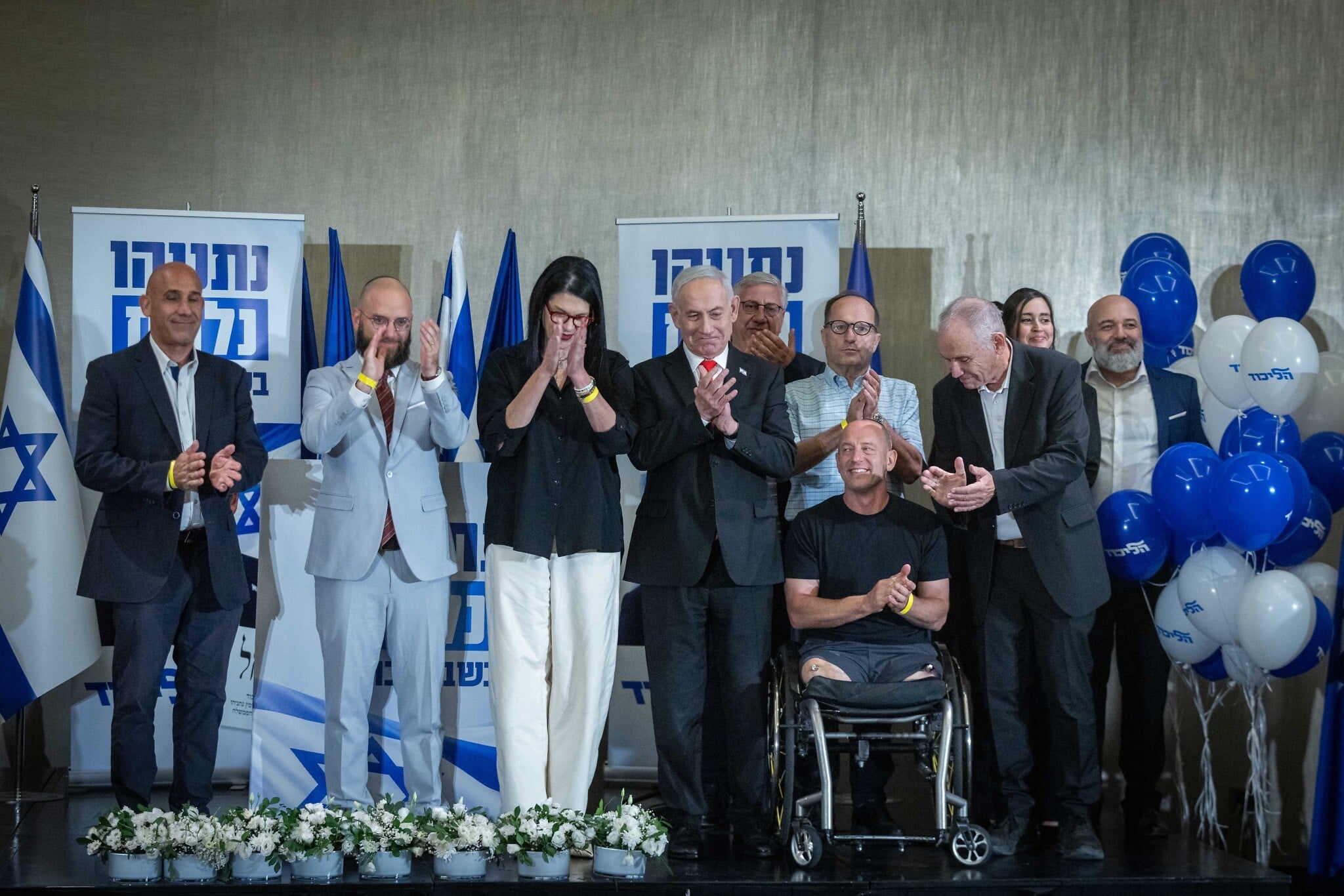
Bardugo landed the coveted spot not through Likud’s primary, but through Netanyahu, who gained unprecedented powers to name around a third of the Likud’s top 30 candidates. While Likud primary voters packed their ballots with veteran politicians, Netanyahu used his reserved slots to bring in a number of new faces, including Bardugo and Talik Gvili, the mother of slain October 7 hostage Ran Gvili, who will be placed 9th on the overall Likud slate.
The high placement not only makes Bardugo a shoo-in for the Knesset, but also puts him in line for a ministerial post, committee chairmanship or equivalent position of influence, despite being a newcomer to public service.
“It’s surprising that Netanyahu decided to place him so high in the Likud hierarchy,” said Gayil Talshir, a senior lecturer in political science at the Hebrew University of Jerusalem.
According to Talshir, Bardugo’s elevation is representative of the waning power of the primary, which was once a key springboard for upward political mobility.
“This is not how Netanyahu works,” Talshir said. The prime minister has instead increasingly promoted figures based on their personal loyalty to him, she argued.
“Throughout the last decade, Bardugo was one of the closest people to Netanyahu,” Talshir said.
The announcement that Netanyahu was giving the powerful spot to an apparatchik has drawn fire from outside — and within — Likud.
“Netanyahu has turned the glorious Likud into a place for sycophants and mouthpieces to get sweetheart jobs,” Yashar party chairman Gadi Eisenkot wrote on X, alongside a campaign video compiling some of Bardugo’s more controversial remarks and portraying him as a Netanyahu loyalist opposed to national unity.
Among the compiled clips, Bardugo can be heard criticizing IDF Chief of Staff Lt. Gen. Eyal Zamir and the General Staff, calling them “major opponents of the government.” In another clip, the pundit praises Netanyahu and his conduct during the war, saying, “The prime minister is at his best these days… looking good and entertaining.”
Several Likud figures have also quietly criticized the choice, warning that Bardugo’s coarse rhetoric and relentless attacks on perceived enemies of Netanyahu, from the IDF chief of staff to the State Attorney’s Office, will only drive moderate voters away from the party.
A senior Likud official told the Ynet news site that it was “pretty clear” Bardugo would be tapped for a senior ministerial position if Netanyahu forms the next government, a prospect that is “not going down well” in the party. Several Likud MKs are reportedly eager to settle scores with Bardugo after years of tensions and harsh public criticism from the commentator.
Netanyahu, Ynet said, ended up siding with members of his family, who argued that with the election expected to be close, he needed staunch loyalists from the heart of his political base.
Netanyahu’s man for the job
According to Channel 13 political commentator Raviv Drucker, Netanyahu named his confidant to the slate following negotiations that lasted until the night before the deadline for Likud to submit its roster, with Bardugo pushing for a high spot and a cabinet post.
Netanyahu ultimately felt he “had no choice” but to accommodate a man who had “done everything he wanted and more,” Drucker told Radio 103FM, adding that Bardugo had become fixated on becoming either justice or communications minister.
“If Netanyahu forms a government, Bardugo will definitely be a minister,” he predicted.
“I think this is a real mistake,” Drucker said of the decision to give Bardugo the top spot.
יעקב ברדוגו – ברוך הבא לליכוד! pic.twitter.com/qLxZG5VgBJ
— Benjamin Netanyahu – בנימין נתניהו (@netanyahu) September 8, 2026
The Prime Minister’s Office referred questions about Bardugo to Likud. A Likud spokesperson did not respond to requests for comment. Bardugo also did not respond when The Times of Israel reached out.
The prospect of Bardugo becoming a minister is far from assured, however, with recent polls showing Netanyahu’s bloc falling far short of the 61 Knesset seats needed to form a majority government.
Bardugo has openly expressed interest in the Justice Ministry, but recent Hebrew media reports have pointed to communications minister as the more likely landing spot.
Sources in Likud told Haaretz last week that Netanyahu was considering Bardugo for the portfolio if he forms the next government.
In a closed-door meeting, Netanyahu reportedly said he wanted an assertive minister capable of reshaping Israel’s media landscape, suggesting dissatisfaction with incumbent Communications Minister Shlomo Karhi.
Such an appointment would put Bardugo — until now one of the country’s most politically influential, and divisive, broadcasters — in charge of a ministry with sweeping powers over the media industry. In an American context, it would be somewhat akin to putting right-wing podcaster Joe Rogan in charge of the Federal Communications Commission.
Bardugo is far from the first Israeli politician to leap from the media to the Knesset; unlike Americans, Israelis have few qualms about how fuzzy the line between journalism and politics can be.
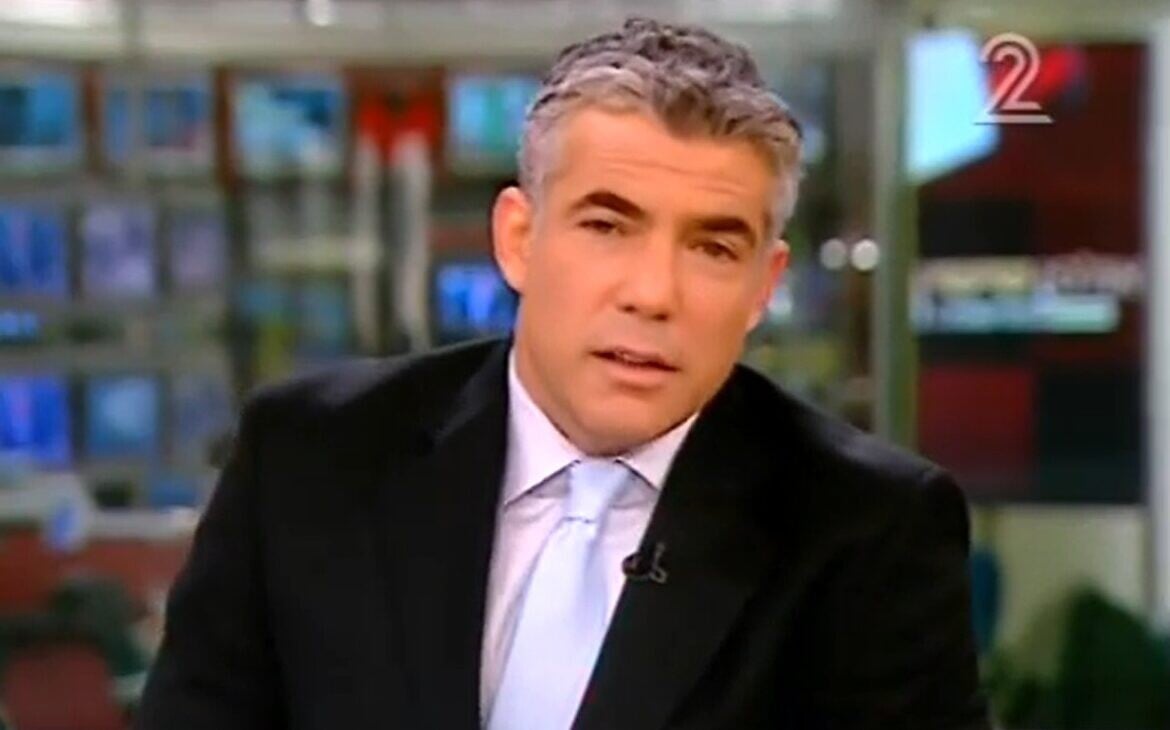
Opposition Leader Yair Lapid was a high-profile TV news anchor before he started Yesh Atid. Likud MK Boaz Bismuth was editor of Israel Hayom, the country’s most widely circulated newspaper; MK Merav Michaeli, who led Labor before it merged into The Democrats, was formerly a TV presenter and a columnist for Haaretz.
What sets Bardugo apart, however, is his dogged loyalty to Netanyahu and influence within the premier’s inner circle, defending him in front of the camera and helping the Likud leader broker deals from the back rooms of the Knesset.
That loyalty, though, does not extend to the rest of the party. Bardugo has been critical of Karhi, who has spearheaded a sweeping regulatory overhaul of the industry, including changes that critics say would politicize public broadcast funding and benefit pro-government outlets, including Bardugo’s Channel 14.
The Knesset passed part of the controversial overhaul into law shortly before disbanding in July, though the legislation has since been frozen by the High Court of Justice while it considers petitions claiming that the law will severely harm the political neutrality of broadcast news media.
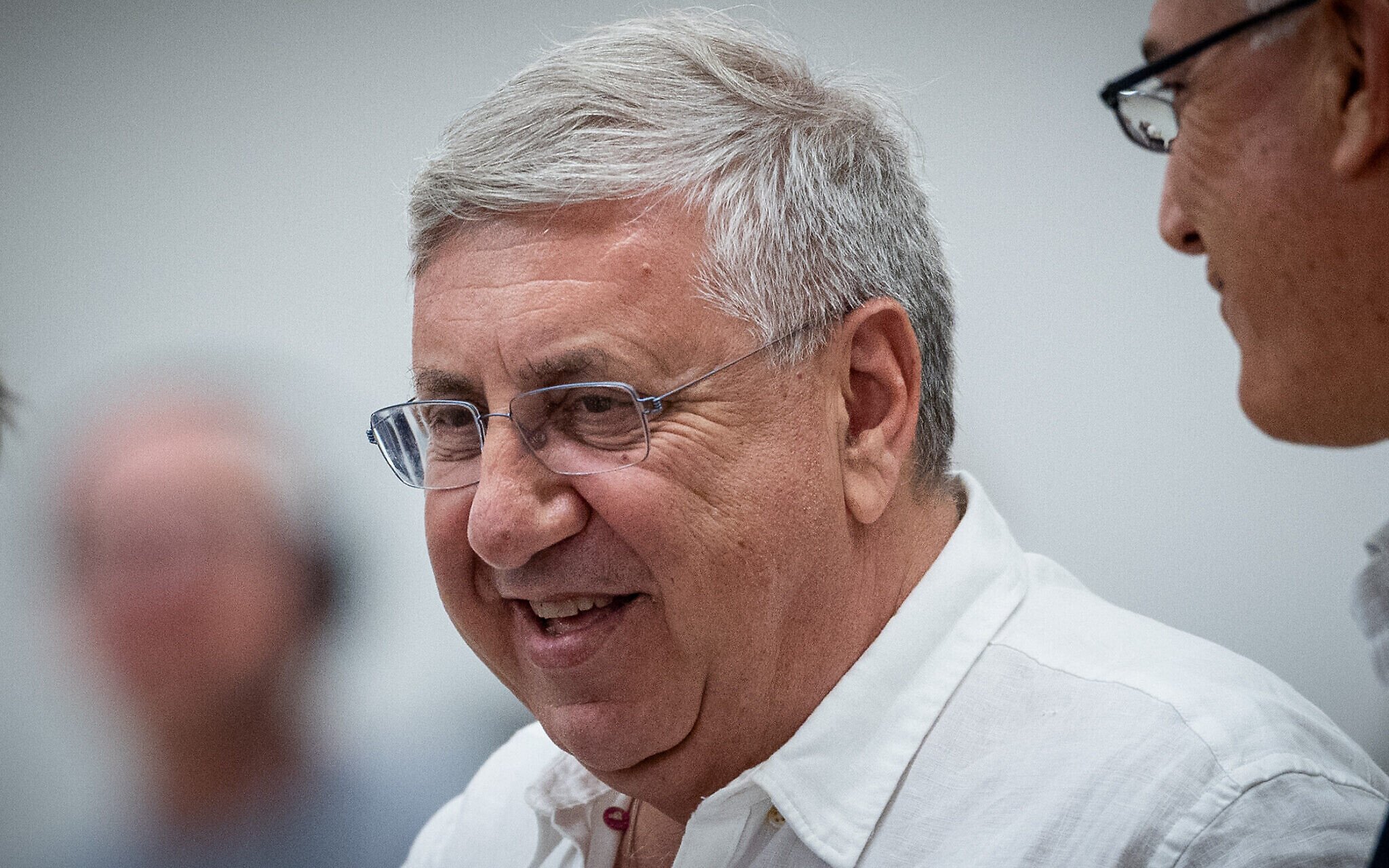
Earlier this year, Karhi lashed out at Bardugo for opposing the measure, accusing him of being “neither right wing nor reliable.” The media figure, he said, was allying with Likud MK David Bitan, who had blocked the media bill from advancing out of the Knesset Economic Affairs Committee.
But despite emerging as one of the right’s most outspoken critics of the proposed media overhaul, Bardugo’s opposition was limited to only “very specific parts of Karhi’s plan,” according to Ayala Panievsky, a media researcher at City St. George’s University of London.
“It’s not like he was concerned about media freedom,” she explained. “What he didn’t like and what he was very vocal about were the parts of Karhi’s plan that might have affected Channel 14.”
Bardugo argued in a December 2025 column for Channel 14 that the law, despite being portrayed by critics as a boon for conservative outlets, would actually “worsen the situation of right-wing media.” He stopped short, however, of detailing which provisions he believed would cause that harm.
At the same time, Bardugo faulted Karhi for not going far enough elsewhere. He accused the communications minister of failing to assemble a Knesset majority to close Kan, Israel’s public broadcaster, which Karhi had sought to shut down or privatize.
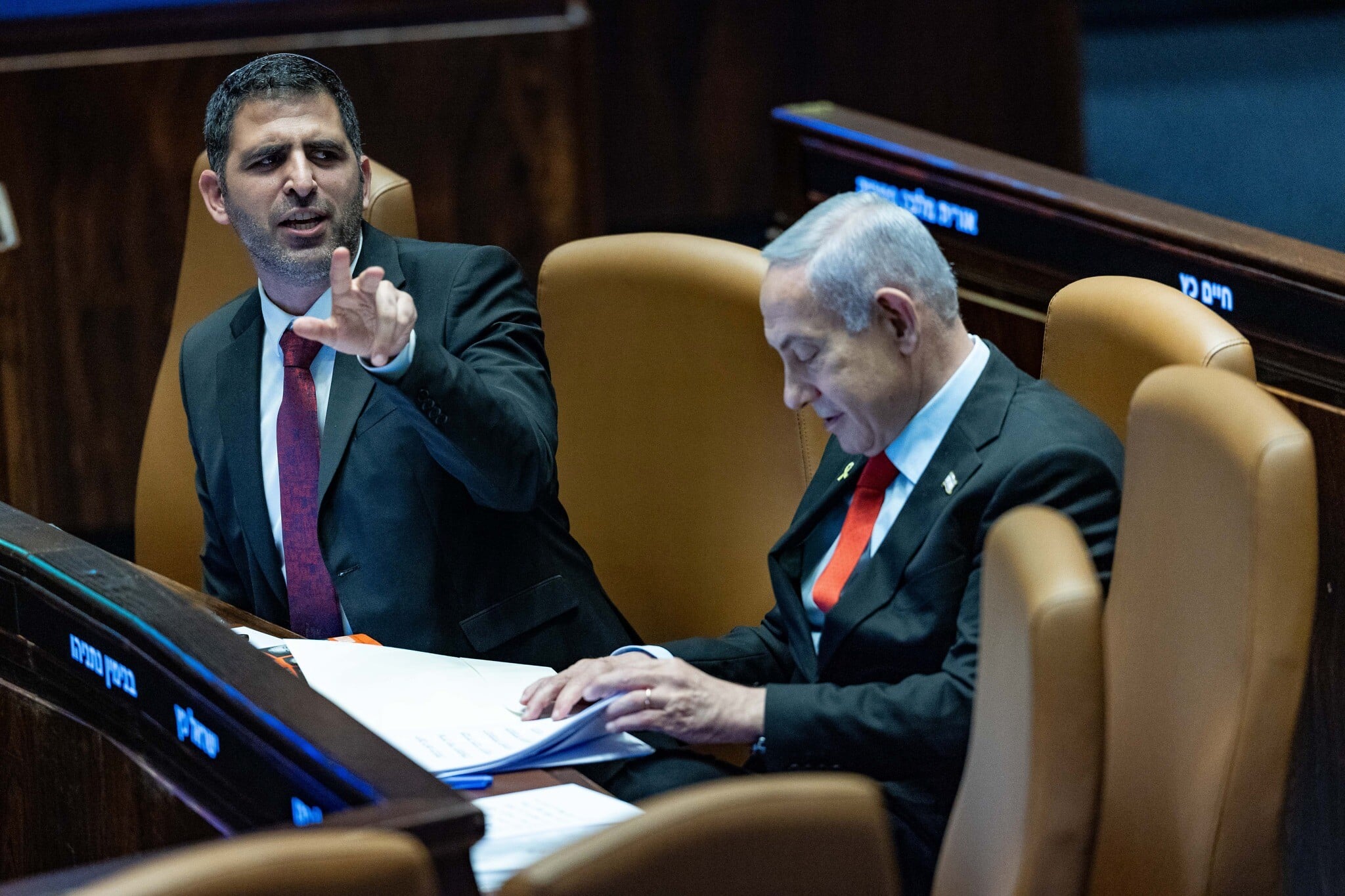
“Karhi was not always 100 percent aligned with Netanyahu’s vision because he also has links in the Orthodox Jewish community,” Panievsky said, referring to political and regulatory considerations involving Haredi parties and media outlets that at times complicated Karhi’s efforts to advance the overhaul. “This is not something that we should expect to see from Bardugo if he is to take this position. He is 100% aligned with Netanyahu.”
Talshir similarly interpreted Bardugo’s possible appointment as an attempt to put a longtime Netanyahu confidant directly in charge of a project the government has so far struggled to complete.
“Bardugo is there to do the job himself,” Talshir said.
“Netanyahu and Bardugo thought that they could do it through [Karhi as] a proxy,” she added. “From their perspective, it failed completely… They want to finalize overtaking the public media in Israel.”
Behind-the-scenes broker
Despite never having held elected office, Bardugo is no newcomer to politics. The Lod native and trained lawyer first rose in the orbit of former Likud heavyweight and Netanyahu rival David Levy, joining Levy’s Gesher party and unsuccessfully running for Knesset on the joint Likud-Gesher-Tzomet slate in 1996. He later served as Levy’s envoy in negotiations with the Palestinians and as CEO of Mifal HaPais, Israel’s national lottery, before moving into political commentary.
Bardugo rose to prominence at Army Radio, becoming one of the station’s best-known right-wing voices before being removed from its daily 5:00 p.m. news show in 2022. Netanyahu denounced his ouster as an effort to silence the right, and Bardugo went on to become a leading commentator on Channel 14 and Galey Israel.
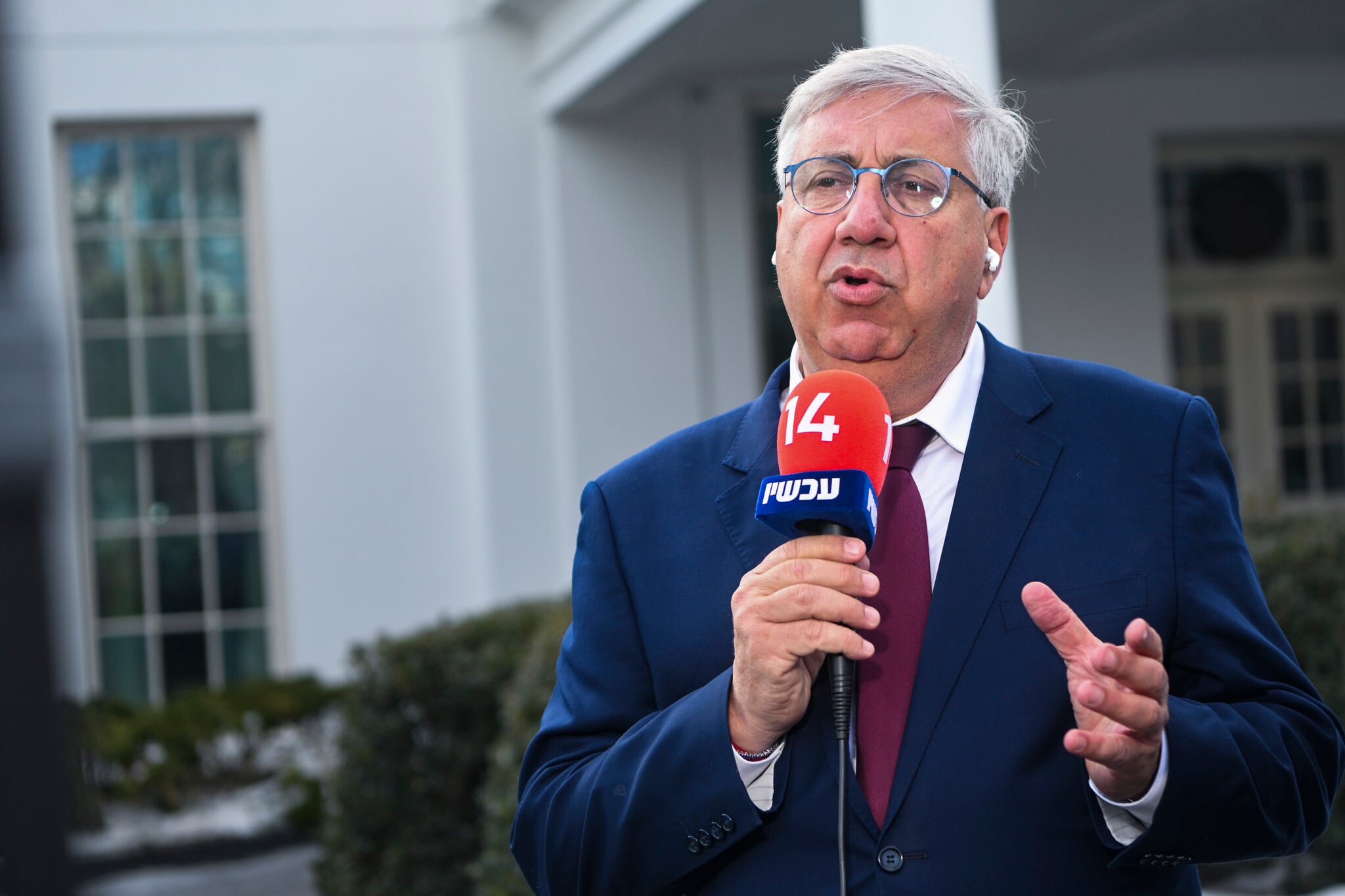
“Bardugo had a significant role in the rise of Channel 14,” Panievsky said of the conservative, pro-Netanyahu network, now Israel’s second-most-watched television news channel after Channel 12.
The Seventh Eye media watchdog has gone as far as describing it as “an explicit propaganda channel serving one politician — Prime Minister Benjamin Netanyahu.”
A study published in August, co-authored by Panievsky, found that Channel 14 failed all four criteria the researchers used to assess whether its output met accepted journalistic standards. Analyzing 275 items broadcast in 2024, they found that 40.4% echoed Prime Minister’s Office messaging without critical scrutiny or journalistic framing, a third contained refutable false claims, and not a single item criticized Netanyahu.
Bardugo was already a staunch defender of Netanyahu while at Army Radio. At Channel 14, he has been able to amp up those arguments, and with barely any pushback.
Bardugo has used his platform to openly criticize figures seen as threats to Netanyahu’s government, one of the most prominent being Attorney General Gali Baharav-Miara. In a Channel 14 column published in February, Bardugo accused Baharav-Miara of waging an “all-out war against the duly elected government,” writing that her refusal to “help the government implement its policies” was “undermining the foundations of democracy.”
Baharav-Miara has opposed several of the government’s signature legislative initiatives, including its controversial proposed judicial overhaul, and has refused to defend the government in proceedings in the High Court of Justice against some of its policies and legislation.
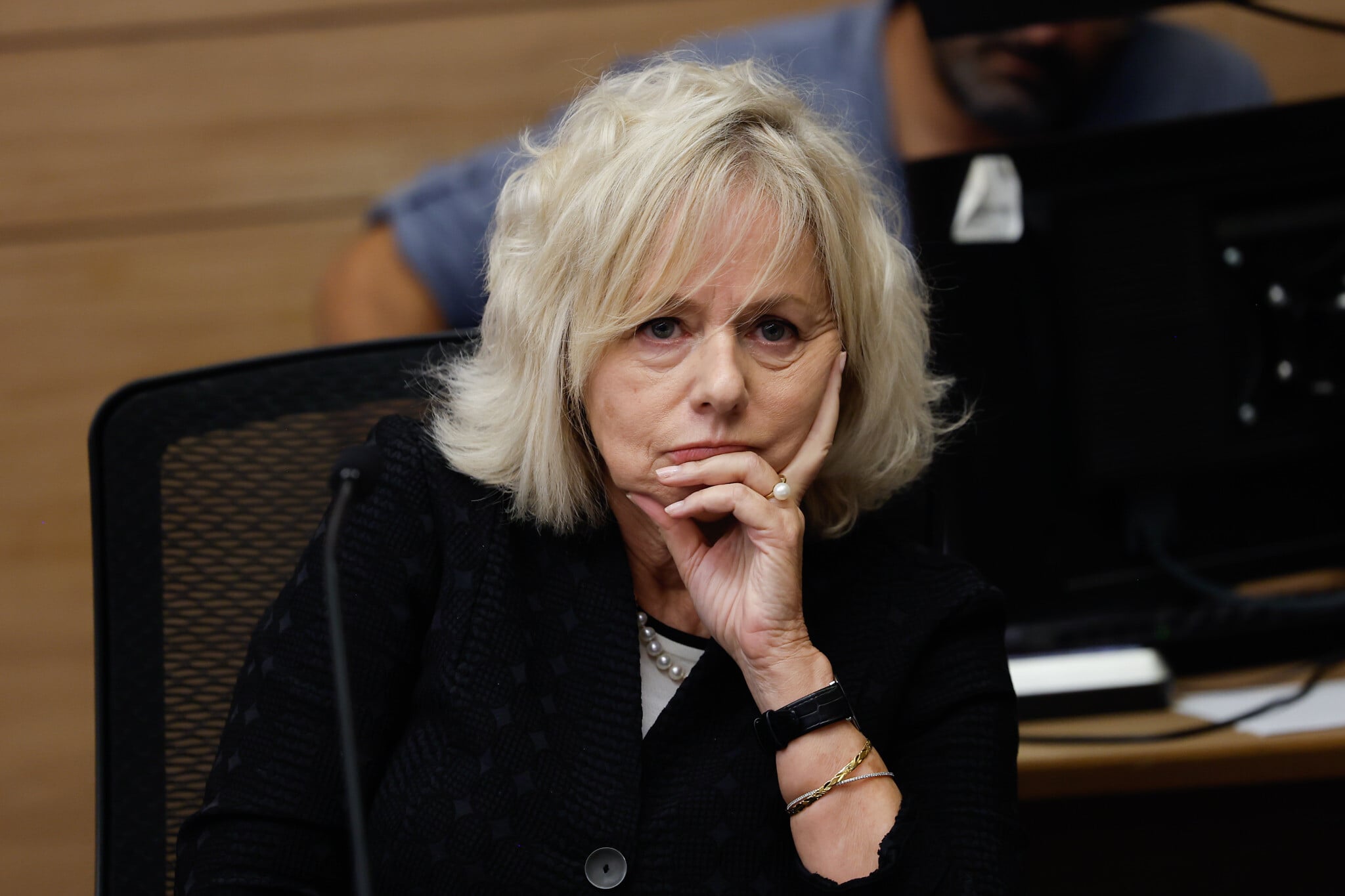
His commentary is complemented by real influence in the political sphere, giving him a rare combination of both serious sway and a wide-reaching pulpit.
“Even when he was a media personality, he was already a significant political actor,” Panievsky said.
According to Kan, Bardugo spent hours in Netanyahu’s office in the days following the October 7, 2023, attack and played a key role in bringing Gideon Sa’ar’s New Hope party into the government in 2024, passing messages between Sa’ar and Netanyahu and holding meetings with the two. From the studio, he kept quiet about his role while praising Sa’ar as “brave and patriotic.”
That same year, he also reportedly used his connections to ice legislation advanced by Karhi allowing radio stations to broadcast nationally. Kan has reported that Bardugo brokered Knesset meetings regarding the bill for Tzvika Shalom, owner of both Galey Israel and the south’s Radio Darom, which would face increased competition if the measure went through.
The measure finally passed in mid-July, though only after language was quietly inserted that softened protections for Kan and Army Radio, according to the Calcalist financial daily.
Not everyone in Likud has been receptive to his efforts to throw around his political weight behind the scenes.
In May 2025, Justice Minister Yariv Levin accused Bardugo of threatening him if he did not meet unspecified personal demands “no decent person would agree to.”
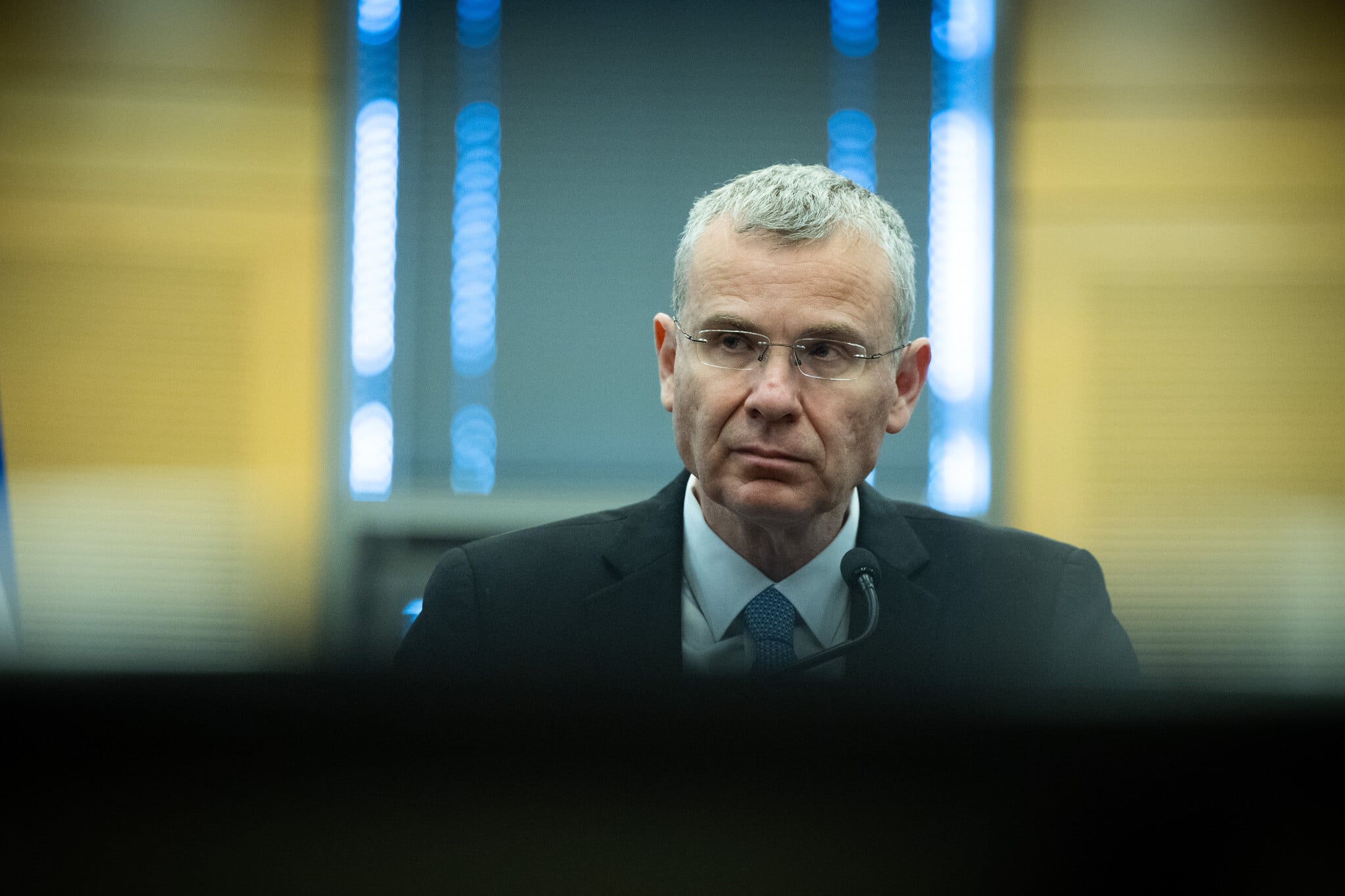
Levin was backed by Karhi and Culture Minister Miki Zohar, who said that he had also “encountered the phenomenon of threats from Jacob Bardugo, who has vested interests, and has intimidated right-wing elected representatives in a despicable manner.”
Bardugo denied wrongdoing, saying his clashes with the ministers stemmed from ideological disagreements.
His unusual access surfaced again this year. In March, Bardugo held a secret, two-and-a-half-hour meeting with President Isaac Herzog at a private apartment in Shoham, amid his public campaign to pressure the president into pardoning Netanyahu in his corruption trial.
On Channel 14, Bardugo branded Netanyahu’s trial “political” and accused Herzog of acting “as an agent of Kaplan,” referring to the anti-government protest movement that has held mass demonstrations on Tel Aviv’s Kaplan Street in recent years.
According to Channel 12, Bardugo confronted Herzog over the issue during their meeting, calling him a “coward” for failing to pardon the premier.
Herzog, a frequent target of Bardugo’s on-air attacks, reportedly told him: “Everyone hates me now, and partly because of you.”
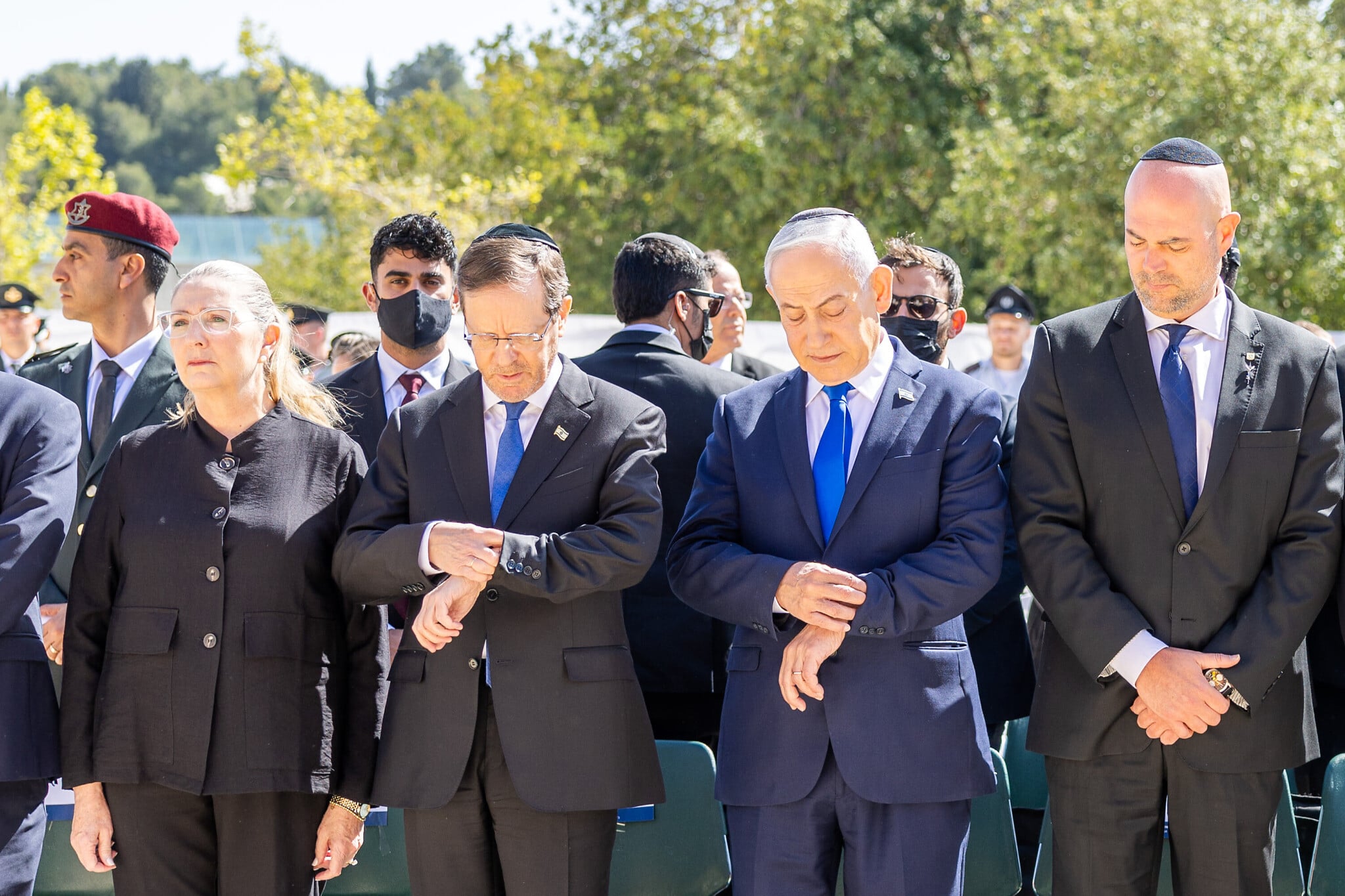
The President’s Residence confirmed the meeting but described it as a routine “background conversation” of the sort Herzog holds with journalists, and denied that any agreement, promise or concrete discussion of a pardon had taken place.
Months later, Bardugo revealed that he had privately met another of Israel’s most powerful officials: Shin Bet chief David Zini.
Bardugo said in July that he had urged Zini to investigate whether rival network Channel 12 had received advance notice of the US-Israeli strikes on Iran that began the war in February. The Shin Bet confirmed the meeting but denied Bardugo had influenced its decision-making, saying Zini’s request to examine the alleged leak was based solely on professional considerations.
Channel 12 has subsequently highlighted instances in which Channel 14 figures appeared to have advance knowledge of sensitive military operations — including comments by Bardugo hinting at an impending operation shortly before Israel’s June 2025 campaign against Iran. Security officials cited by the network said such remarks risked compromising operational security.
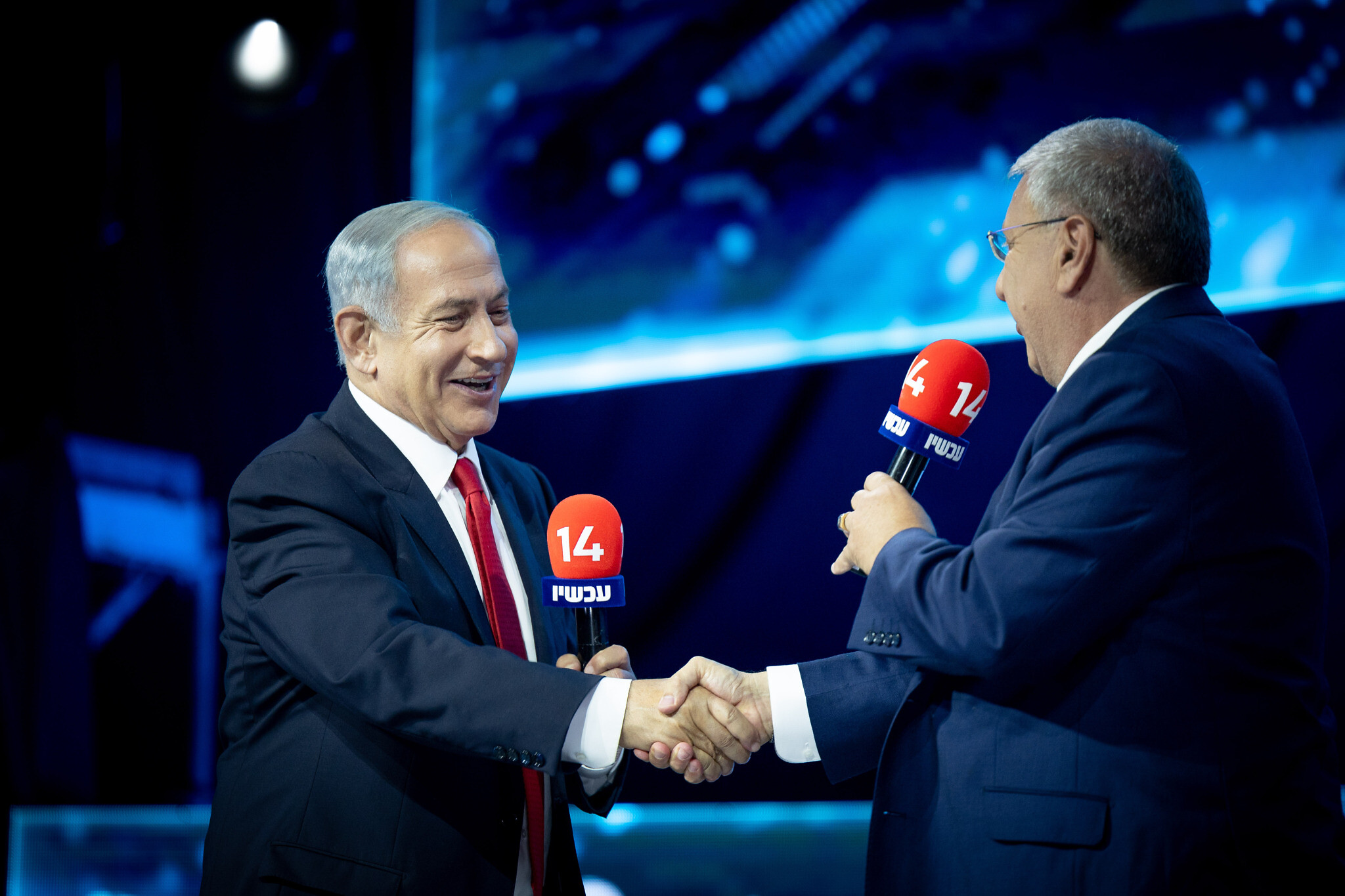
For Talshir, such episodes illustrate the extent to which Bardugo is much more than simply one of Netanyahu’s many messengers.
Long before Netanyahu handed him a place on the Likud slate, she said, Bardugo was already part of the prime minister’s “inner power circle” and “at the helm” of political decision-making behind the scenes — even playing a role in determining which Likud figures Netanyahu appointed as ministers in his last government.
His arrival in the Knesset is less a transition from media into politics than the formalization of a role Bardugo has already played for years.
Bardugo “has always been part of influencing the Likud and, through Netanyahu’s rule, influencing Israel,” she said. “Throughout the last decade, Bardugo was one of the closest people to Netanyahu.”