

Finalizing slate, Netanyahu fills reserved Likud slots with allies, ideologues
PM briefly appeared to add 10th pick before one stepped aside; only one of his choices is a woman, despite his promise to increase gender parity on electoral list
 Add ToI as a Preferred Source on Google
Ariela Karmel is a political correspondent at The Times of Israel. She previously reported for Calcalist and Haaretz. She holds an MA in Middle Eastern and African History from Tel Aviv University and a BA in Political Science from the University of British Columbia.
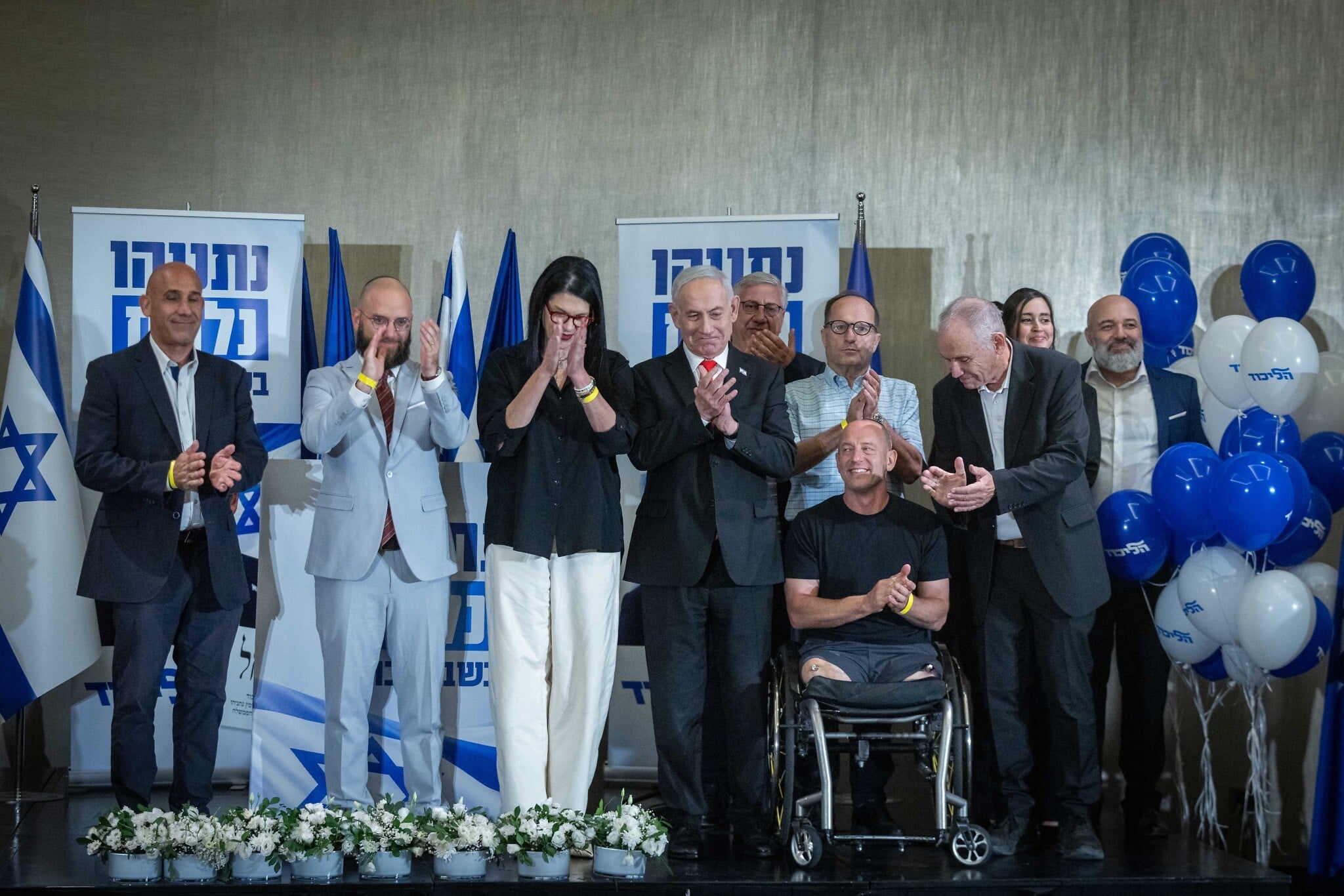
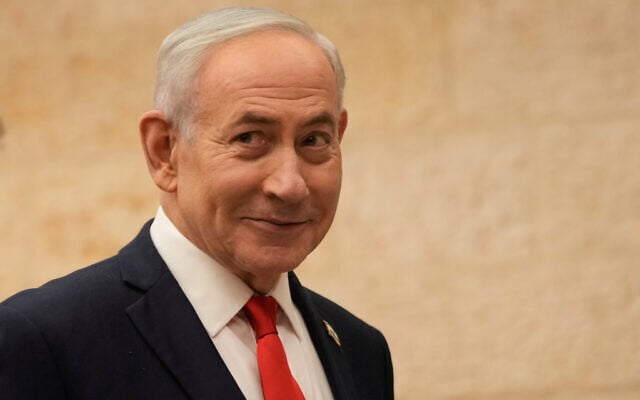
Prime Minister Benjamin Netanyahu on Tuesday named six candidates to reserved spots on Likud’s Knesset slate, bringing the total number of his appointees on the list to nine and giving him unprecedented control over more than a third of the party’s realistic Knesset slots, just hours before the deadline to submit final candidate lists for the October 27 election.
Introducing his handpicked candidates at an event at the Orient Hotel in Jerusalem, Netanyahu delivered a speech following familiar themes, warning voters that their choice is between “a strong national government or a narrow leftist government with the Arab parties.”
“We changed the face of the Middle East,” Netanyahu boasted of his government’s achievements. “We crushed the Iranian axis. There is another task to complete — to defeat the Iranian regime.”
“It will fall,” he vowed. “Who will do it? We, who fought, or [Gadi] Eisenkot who asked to surrender and leave Gaza?”
Likud initially announced seven new candidates over the course of the day: close Netanyahu confidant and Channel 14 pundit Jacob Bardugo; a lawyer who has represented the premier and government on several occasions David Peter, former Labor MK Eli Goldschmidt, reservist Elisha Madan, bereaved relatives Talik Gvili and Itzik Bonzel, and retired Brig.-Gen. Amir Avivi.
This would have given the premier an additional reserved slot, increasing his total to 10.
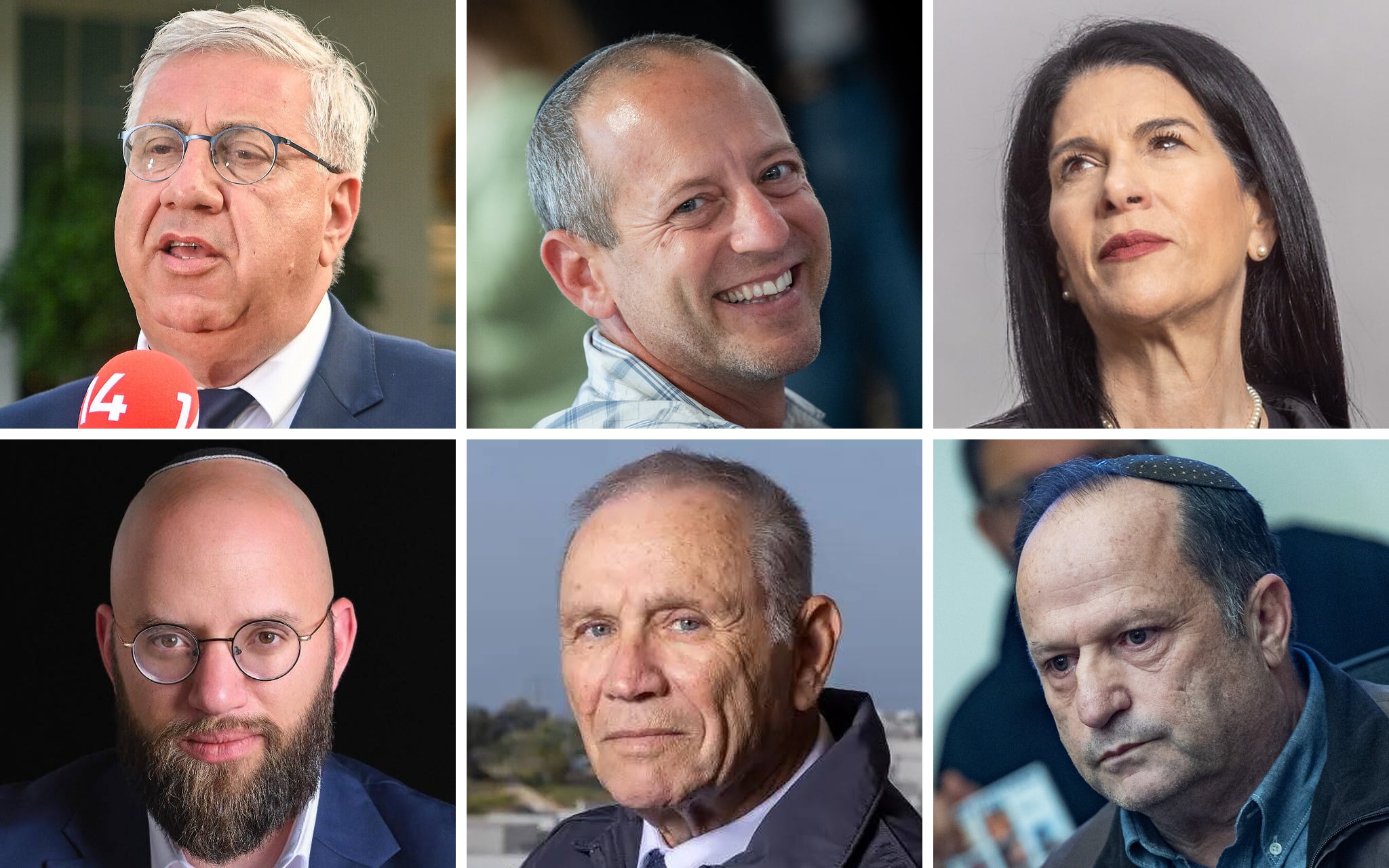
But Avivi, founder of the right-wing Israel Defense and Security Forum, subsequently chose to relinquish the reserved spot offered to him in order to allow sitting Likud MK Avichay Buaron to retain a place on the list, according to Hebrew media reports.
Like entrepreneur Oron Doboronsky, who had been tapped for one of the reserved slots only to relinquish it, Avivi was reportedly promised a ministerial portfolio if Netanyahu forms the next government in exchange for giving up his place on the Knesset slate.
Avivi and Doboronsky were both present at Netanyahu’s speech in Jerusalem on Tuesday evening, but not on the final list submitted to the Central Elections Committee.
The six candidates ultimately added by Netanyahu on Tuesday joined ministers Gideon Sa’ar and Haim Katz, who had already been allocated two of Netanyahu’s eight discretionary slots, as well as Defense Minister Israel Katz, who was separately granted a ninth reserved place.
With the exception of Goldschmidt, all of the new additions are political neophytes.
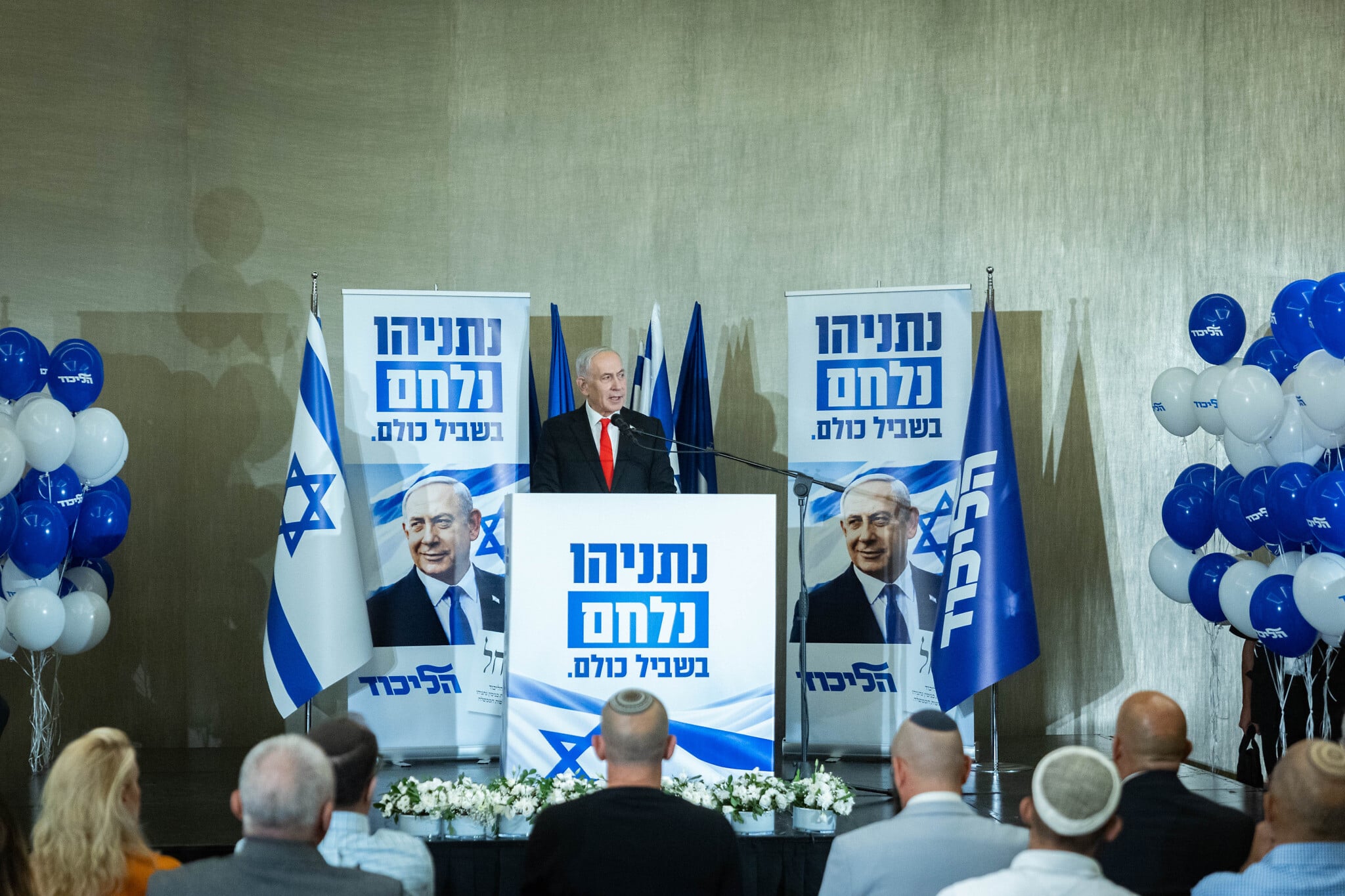
Rather than using the slots to rescue sitting Likud MKs who, despite strong performances in the party primary, are likely to be pushed out of the Knesset by the premier’s expanded slate of reserved candidates, Netanyahu used the lion’s share of his picks to install close friends and allies, as well as right-wing ideologues.
A particularly notable likely casualty is minister Ze’ev Elkin, who finished 17th in the primary but will likely be pushed out of a realistic spot on the final slate as a result of Netanyahu’s reserved picks.
Netanyahu was granted eight reserved slots for candidates of his choosing by the Likud Constitution Committee in July, ending a contentious internal dispute in which he had threatened to cancel the party’s August primary if he was not given greater control over the slate. The demand faced resistance from Likud lawmakers and local authority heads concerned that expanding Netanyahu’s appointments would push primary winners further down the list.
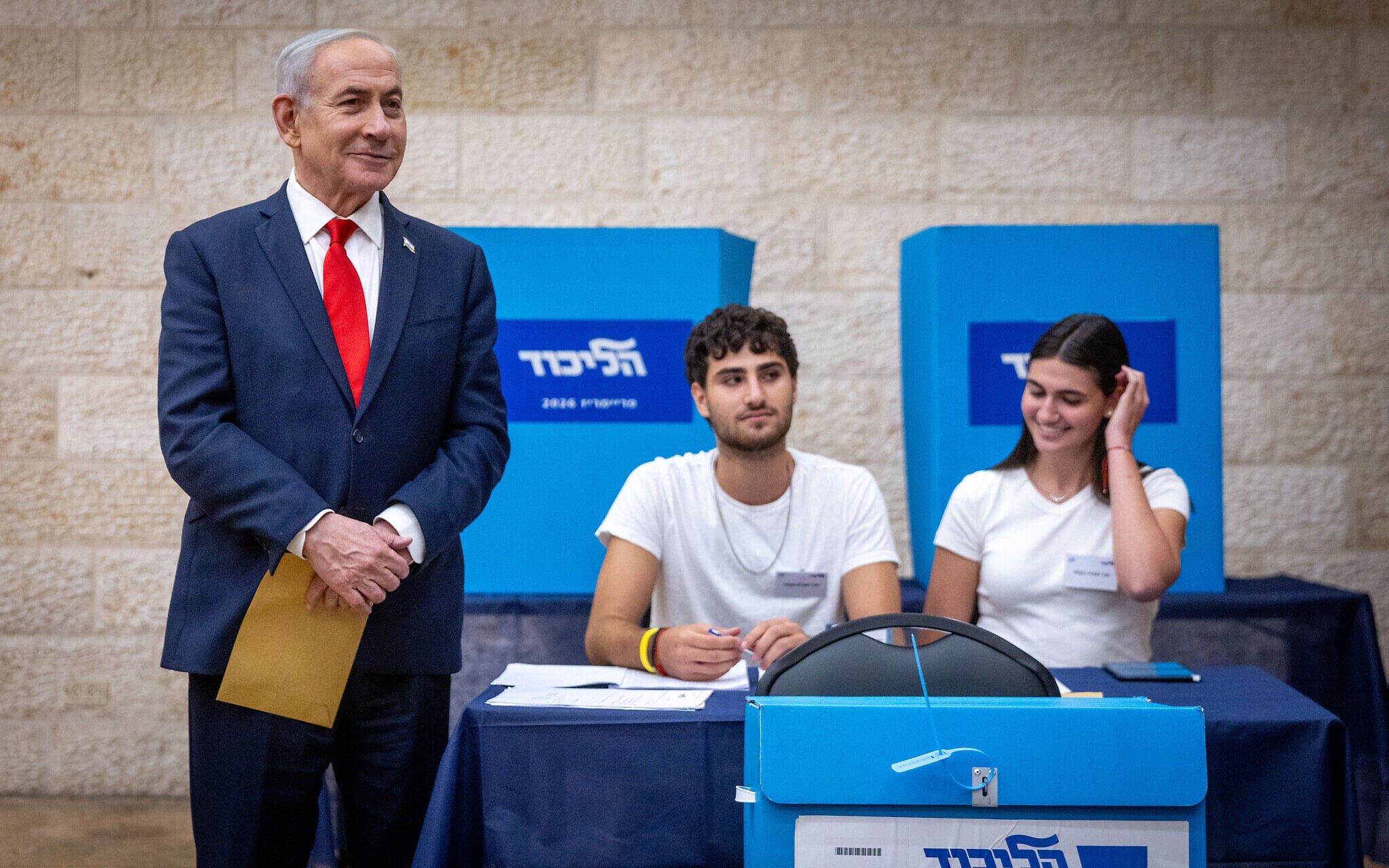
Netanyahu subsequently secured an additional reserved place for Israel Katz, bringing the total number of reserved candidates under his control to nine, and briefly 10.
The selections give Netanyahu unprecedented direct control over a significant share of the realistic places on the Likud slate, with the party polling at around 23 seats.
They also do little to address Likud’s severe gender imbalance. Just one of the reserved candidates, Talik Gvili, is a woman, despite Netanyahu having said that he would use his reserved slots in part to increase female representation after the Likud primary elected only four women in the party’s first 35 places, only two of whom are likely to enter the Knesset.
In addition to Israel Katz, Haim Katz and Sa’ar, here is the list of the premier’s installed candidates:
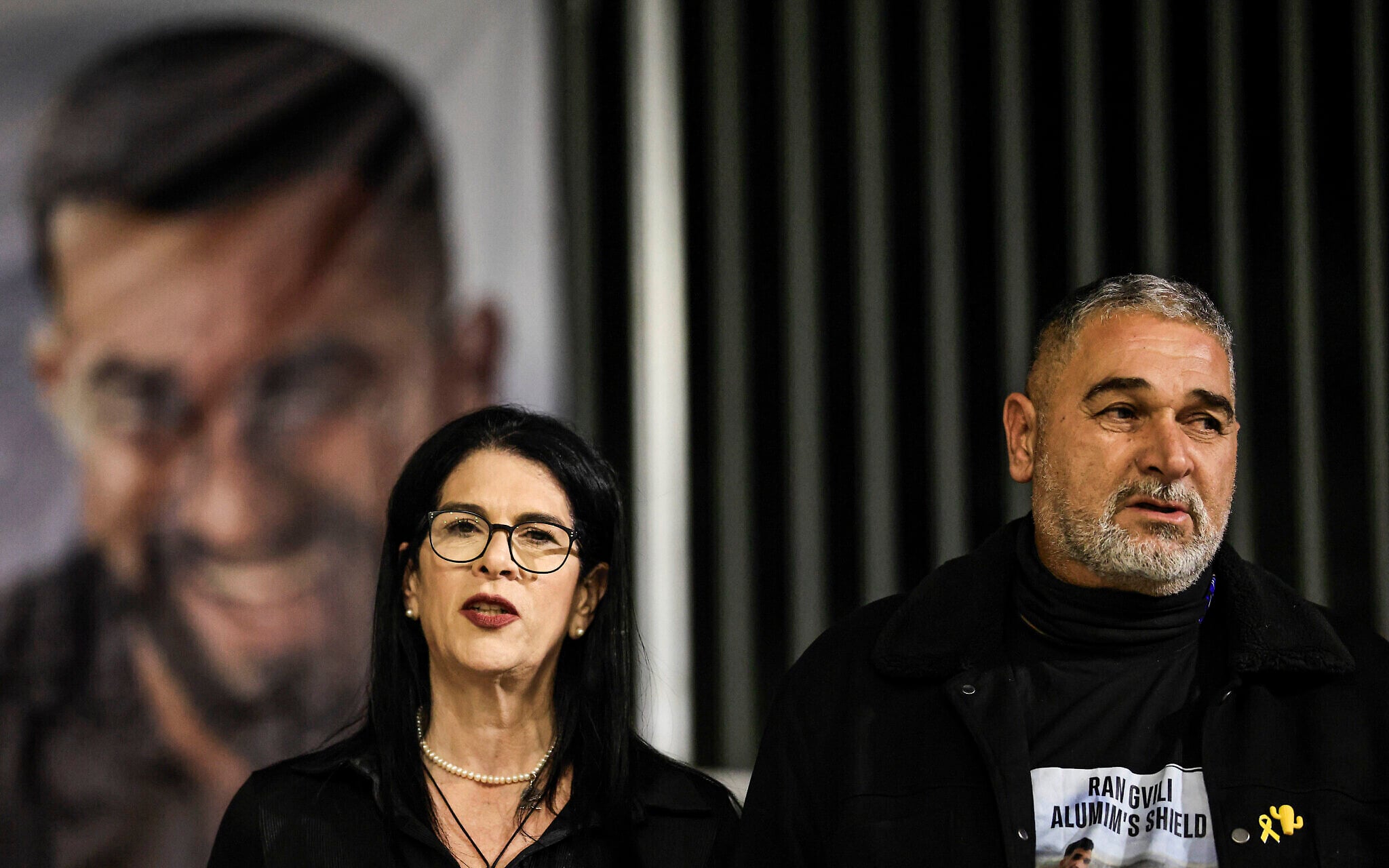
Talik Gvili
Gvili is the mother of Master Sgt. Ran Gvili — a police officer in the Yasam counter-terror unit, from Meitar, who was killed on October 7, 2023, while battling the Hamas-led invasion of southern Israel. She will be placed 9th on the overall Likud slate.
Her son’s body was taken captive to Gaza and remained there for more than 800 days until it was located by the IDF on January 26 and returned to Israel for burial. Ran was the very last Israeli captive held by terror groups in Gaza.
When their son was declared dead by the IDF, the Gvilis began speaking to the press, seeming to align themselves with the Tikvah Forum, a smaller, more hawkish group of hostage families, rather than the larger Hostages Forum, which organized weekly Saturday night rallies in Hostages Square calling for a hostage deal with Hamas rather than further military pressure in Gaza.
Jacob Bardugo
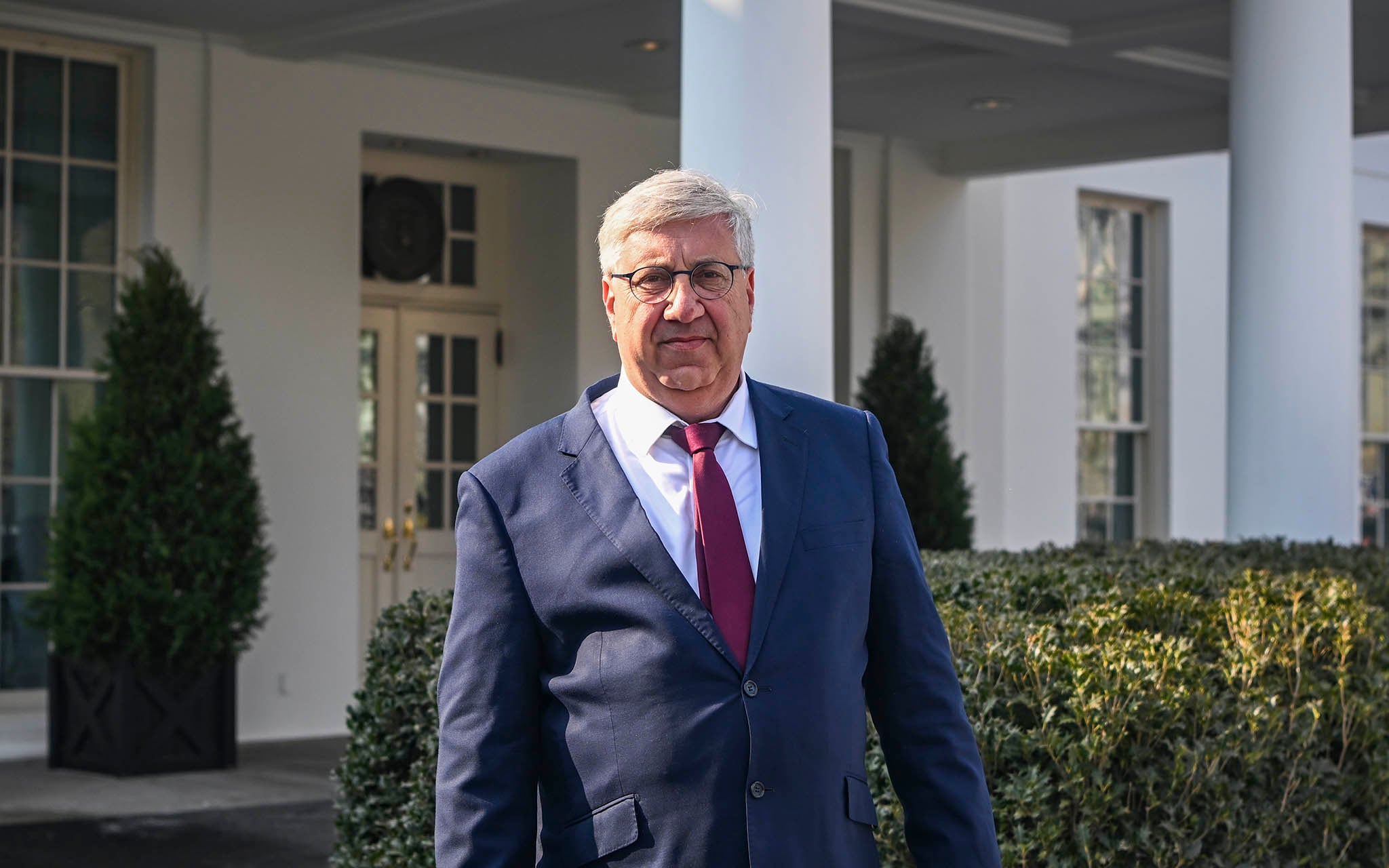
A longtime Netanyahu associate and commentator on the pro-Netanyahu Channel 14, Bardugo will be placed 11th on the overall Likud slate.
According to Hebrew media reports, he is seeking the justice portfolio, an ambition he has explicitly expressed in the past.
Last year, several Likud ministers publicly accused Bardugo of blackmailing them to advance his own interests.
Bardugo also recently made headlines after meeting with Shin Bet Chief David Zini to push for an investigation of Channel 12 over an alleged leak to the outlet regarding the date on which the war with Iran would begin earlier this year. The TV commentator publicly speculated why Channel 12 presenter Yonit Levy and commentators were already “in full makeup” minutes after the opening strikes were carried out on the morning of Saturday, February 28.
Allies of Netanyahu have long attacked the mainstream media and sought to delegitimize it due to its criticism of the premier.
Elisha Madan
Madan, a reservist who lost both legs fighting in Gaza, will be placed 15th on the Likud slate.
A founder of the West Bank settlement of Avigail in the South Hebron Hills, Madan was injured in a 2024 blast from a booby-trapped tunnel shaft next to a mosque in the Beit Hanoun area in Gaza, which killed four other soldiers.
David Peter
A lawyer who has represented the premier and the government on numerous occasions before the High Court of Justice, Peter will be placed 16th on the Likud slate.
Among other cases, Peter represented Netanyahu and the government in High Court petitions challenging the government’s proposed mechanism for appointing the civil service commissioner, and National Security Minister Itamar Ben Gvir in petitions seeking his dismissal over allegations that he improperly interfered in police operations.
According to the Kan public broadcaster, Peter is also a former member of the conservative Kohelet Policy Forum. Likud, announcing his selection, describes him as “a leading jurist” who is currently pursuing a doctorate at Bar-Ilan University.
Eli Goldschmidt
A former Labor MK, Goldschmidt underwent a political “transformation” following the October 7, 2023, invasion of southern Israel and now supports Netanyahu and Likud, according to the party.
However, Goldschmidt posted several videos on X following October 7, hotly criticizing Netanyahu, including accusing the premier of “wanting a dictatorship” and of being outsmarted by Hamas leader Yahya Sinwar, who planned the attack.
וואה וואה וואה לא רוצה לחמם,
אבל מישהו יודע למה אלי גולדשמידט המשוריין החדש בליכוד מדבר ככה על נתניהו?
"אתה רוצה להיות צ'רצ'יל. אם היית צ'רצ'יל באנגליה במלחמת העולם ה-2, עד היום היו מדברים באנגליה גרמנית ושארית הפליטה של יהודי אירופה הייתה נרצחת גם היא".
דברים קשים אלי.
בהצלחה! pic.twitter.com/KqiEgEEsN9— Josh Breiner (@JoshBreiner) September 8, 2026
“If you were Churchill in England during World War II, they’d be speaking German in England today, and the remnant of Europe’s Jews would have been murdered too,” he said in one video, directly addressing the prime minister.
Goldschmidt will be placed 26th on the Likud slate.
Itzik Bonzel
Bonzel, whose son Staff Sgt. Amit Bonzel was killed fighting in Gaza in December 2023, will be placed 29th on the slate — meaning he is unlikely to make it into the Knesset.
He has gained attention for vocal interruptions and protests at the Knesset and High Court of Justice.
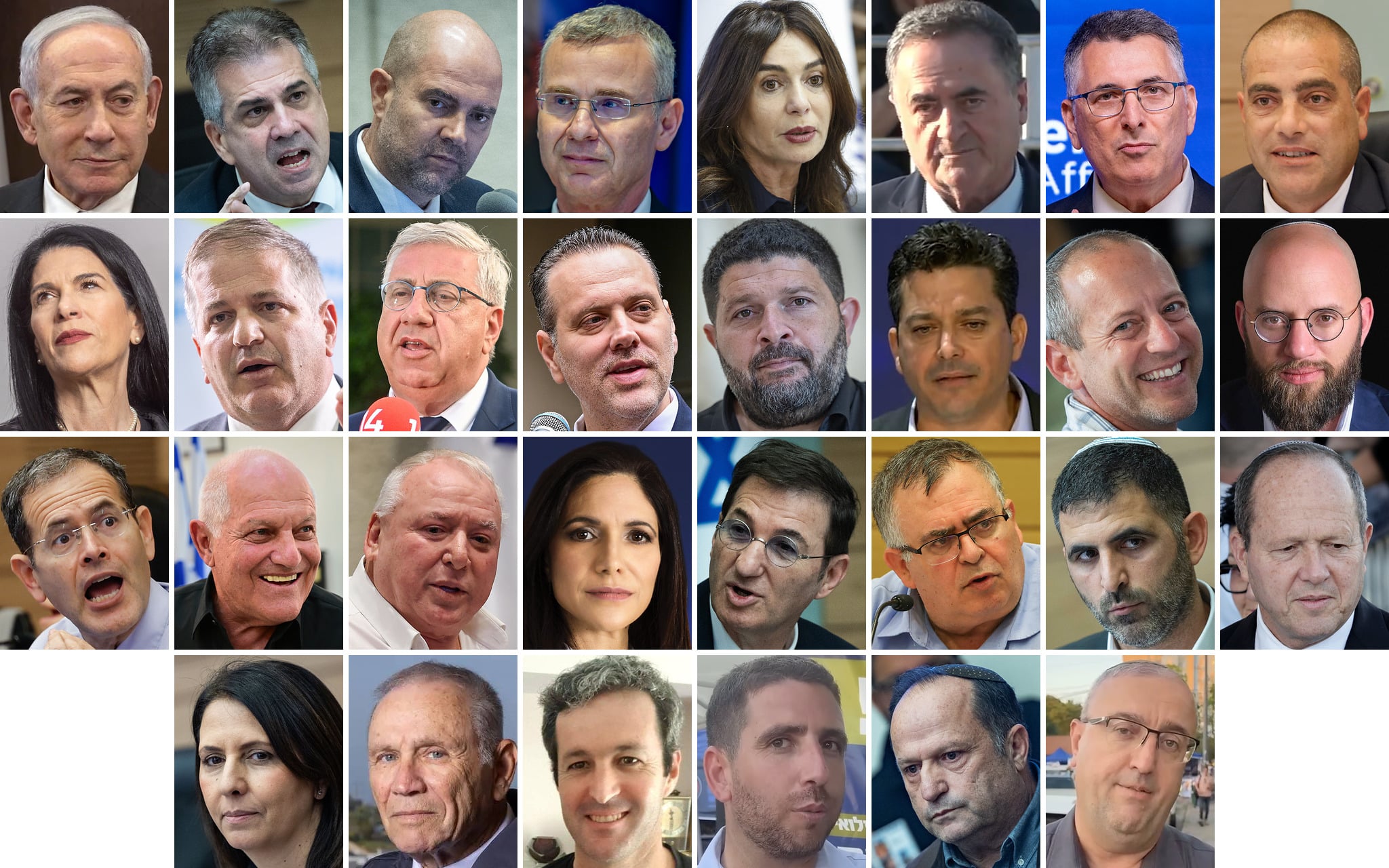
The first 30 candidates on the full Likud electoral slate are:
1. Benjamin Netanyahu
2. Eli Cohen
3. Amir Ohana
4. Yariv Levin
5. Miri Regev
6. Israel Katz
7. Gideon Sa’ar
8. Ofir Katz
9. Talik Gvili
10. Yoav Kisch
11. Jacob Bardugo
12. Miki Zohar
13. Almog Cohen
14. Amichai Chikli
15. Elisha Madan
16. David Peter
17. Moshe Saada
18. Haim Katz
19. David “Dudi” Amsalem
20. Etty Atia
21. Boaz Bismuth
22. David Bitan
23. Shlomo Karhi
24. Nir Barkat
25. Gila Gamliel
26. Eli Goldschmidt
27. Erez Tadmor
28. Shlomo Lerner
29. Itzik Bonzel
30. Moshe Benjamin Peretz







The Times of Israel Community.