Qatari mediators return to Tehran to push for US-Iran peace deal, official says
Talks coordinated with Washington, according to official; US said to believe hardline Iranian security council chief Mohsen Rezaei is best placed to head off hostilities
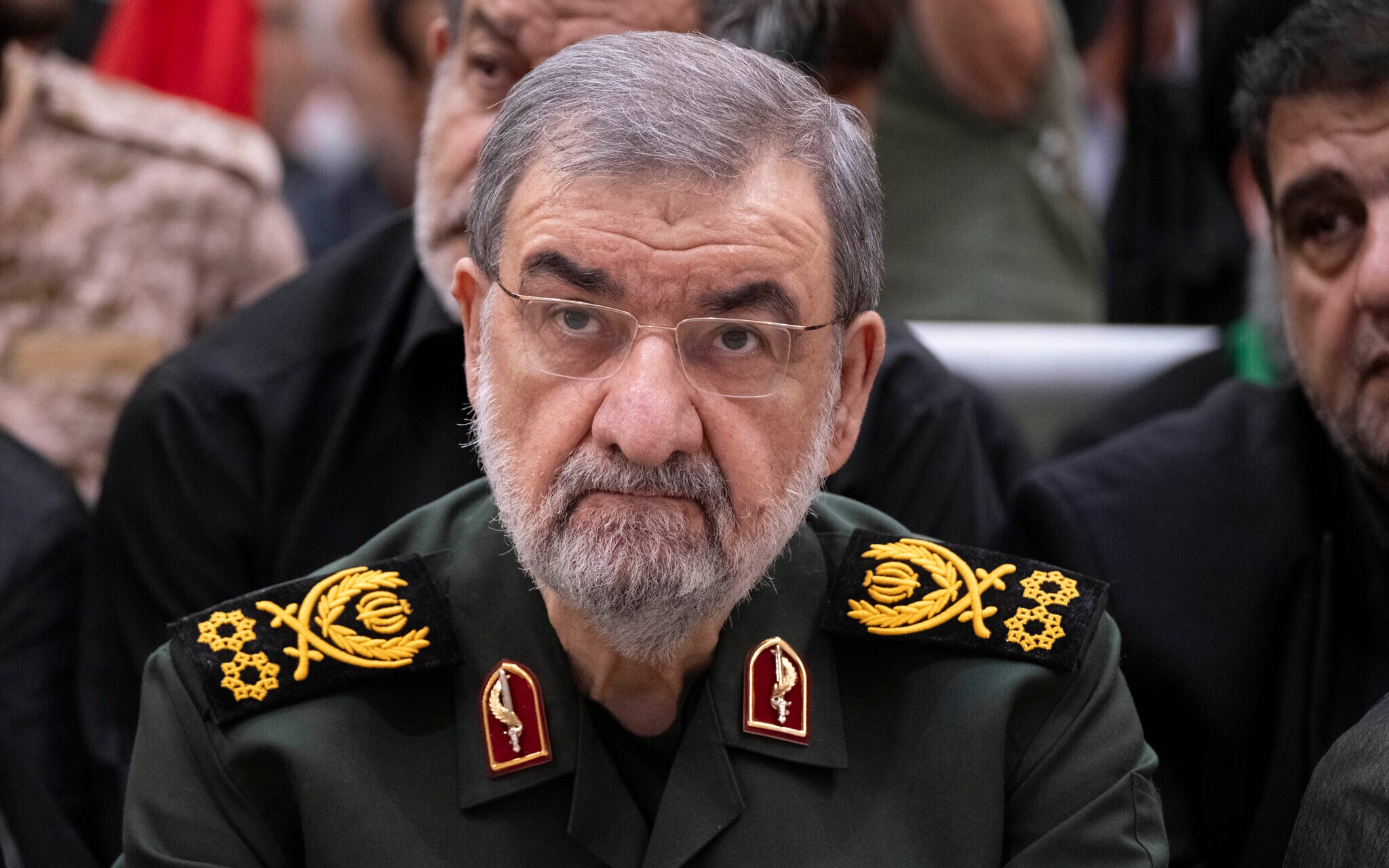
Qatari mediators returned Friday to Tehran, a source briefed on the talks told Reuters, after US Vice President JD Vance contacted Mohsen Rezaei, the hardline head of Iran’s National Security Council, whom Washington reportedly sees as the best-placed official to head off renewed fighting.
The official who spoke to Reuters said the mediation talks in Tehran have been coordinated with the US.
Washington wants nuclear issues included from the start of negotiations, while Tehran demands that the US first end its port blockade and lift oil export sanctions.
Qatar had presented a draft peace plan to Iran on Sunday, according to an official briefed on negotiations. But a senior Iranian official dismissed the proposals as unacceptable and said Tehran would maintain its nuclear position.
On Wednesday, Iran’s Foreign Minister Abbas Araghchi said Tehran remained in close contact with intermediaries to review ideas that could ensure the implementation of its own seven-day proposal aimed at ending the war in the Middle East.
Also on Wednesday, the Wall Street Journal reported Vance had sent a letter to Rezaei concerning a possible framework for peace negotiations. Trump later told reporters he had approved the outreach and that it concerned medical supplies.
Citing a US official familiar with the talks, Washington Post columnist David Ignatius said Vance’s letter stressed the need for the US and Iran to return to negotiations focused on their respective national interests — for Iran, rebuilding its economy, and for the US, preventing a nuclear Iran.
Ignatius also quoted the official as saying Vance conveyed “the need for Iran to provide representatives who are empowered to discuss the nuclear issues.”
Vance expressed willingness to meet Rezaei personally for peace talks, Ignatius said, adding that if there is a meeting it will likely take place in Istanbul or Doha.
According to Ignatius, Vance’s message reflected the White House’s assessment that “Rezaei is the essential point of contact in Tehran and the only person who could build a consensus behind an agreement to halt the nuclear program.”
The US reached that conclusion after Vance’s talks in Islamabad in April with Iran’s parliament speaker Mohammad Bagher Ghalibaf failed to yield a meaningful settlement, Ignatius said.

Rezaei has the respect of former colleagues from Iran’s Revolutionary Guard, is regularly in touch with Iran’s Supreme Leader Mojtaba Khamenei and has communicated with Khamenei since receiving Vance’s letter, according to US intelligence officials cited by Ignatius.
Khamenei has not been seen in public since he was wounded in the US-Israeli strikes that killed his father and predecessor Ali Khamenei at the start of the war on February 28.
While Rezaei’s years of railing against the West cast doubt on his willingness to reach a deal with Washington, US officials believe the hardline official “understands the dire situation” in Iran’s economy, Ignatius said.