Smotrich says proposed budget will open banking market, break monopolies
Finance minister promises to slash cost of living; Lapid warns of hidden agendas in coalition's budget, says plan will 'crush' middle class, raise taxes
Ahead of the planned cabinet vote on the 2026 state budget on Thursday, Finance Minister Bezalel Smotrich declared that he will lower the cost of living and take on big banks and monopolies, pledging that unless his proposed reforms are included, “there will be no state budget.”
At a press briefing, Smotrich lauded government economic policy during the two-year war in the Gaza Strip, when hundreds of thousands of reserve soldiers were called up for duty and spent months away from their families and unable to work. He accused banks and “monopolies” of taking advantage of the situation to boost their profits and vowed to break their hold.
Opposition Yair Lapid, however, warned that the budget’s flaws would crush the middle class and raise taxes for average citizens.
Israelis have been winning on the battlefield and also “winning on the economic front,” Smotrich claimed, asserting that the government had “managed the situation responsibly,” providing solutions for the troops, the displaced and “the small and medium-sized businesses across the country that bravely endured a difficult economic period and received a broad safety net.”
“But unfortunately, not everyone joined us in that effort. While you, the citizens of Israel, mobilized, the banks stood on the sidelines, took advantage of the high interest rates, and raked in enormous, unimaginable profits at your expense,” he charged.
“The same goes for the monopolies. They raised prices again and again, simply exploiting the war, and pocketed huge profits at our expense,” Smotrich continued, pledging that “we are finally going to deal with them” in the 2026 budget. “After two years in which our focus was survival — life and security — we are now going to make sure they pay, and you receive.”
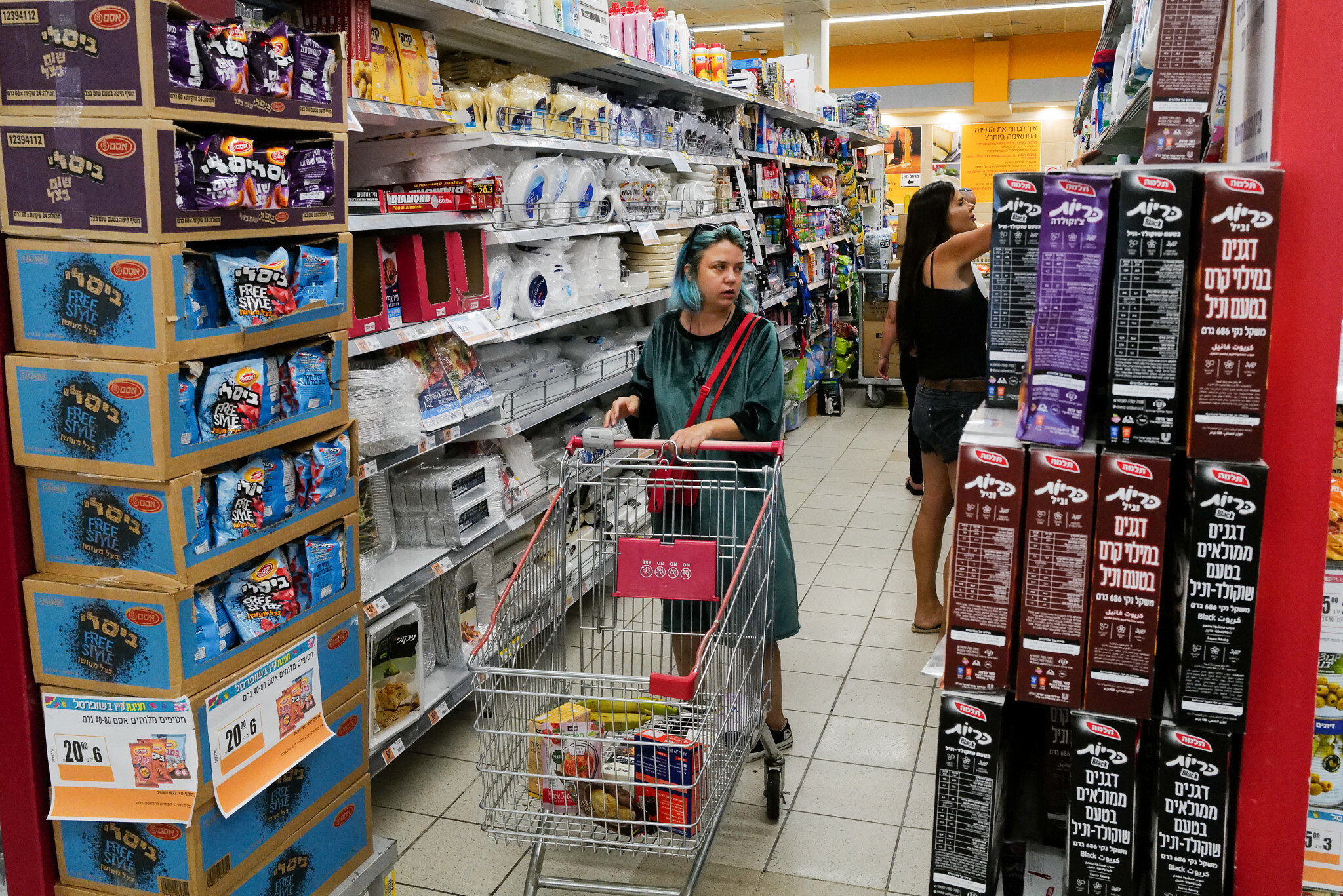
Smotrich accused the banks of “extortion and exploitation” and promised to open the banking market to competition by allowing a streamlined process for additional small banks to enter the market, which “will allow every citizen of Israel to pay less interest on credit and receive more on their deposits.”
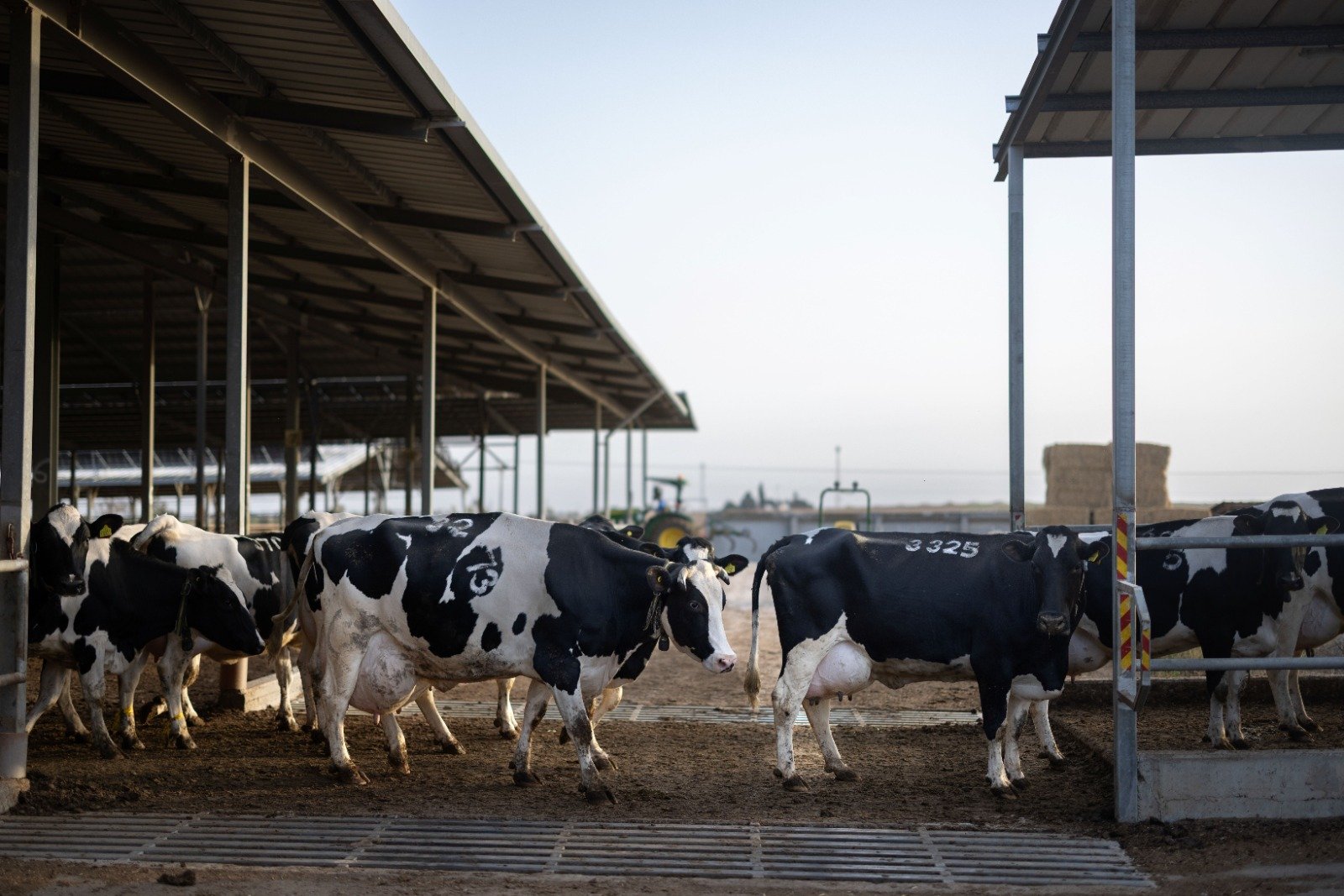
Touting his proposed dairy reform, Smotrich also pledged to lower the cost of living for clothing, food and other basic goods while also lowering taxes so that “those who go to work and contribute to the economy will keep more money in their pockets.”
“We want you to be able to buy more, and for less. If the retail monopolies do not drastically lower prices, you will order the clothes you like at reasonable prices from elsewhere. We are breaking those who are trying to break you,” he said in reference to his recent announcement that he will raise the value added tax exemption on personal imports from $75 to $150.
“I want you to be clear: these reforms are the core of the upcoming budget. Without them, there will be no state budget. There simply won’t be. We must succeed, and if we succeed, all the monopolies will understand that their immunity is over. The surrender to aggressive and expensive campaigns and to political pressure that has preserved their power to keep exploiting us for decades is over,” he declared.
“Anyone who votes against this budget is voting against you — against your wallet, against our ability to fight the monopolies that exploit you,” Smotrich asserted. “Anyone who raises a hand against the budget will stop these reforms and will cause all of us to pay far more for the most basic products.”
Smotrich’s plan to cut taxes appears at odds with Prime Minister Benjamin Netanyahu’s call to massively increase defense spending by hundreds of billions of shekels in the coming years, to which the finance minister has previously objected.
According to Channel 12 news, Shas chairman Aryeh Deri is said to be conditioning his support for the budget on the allocation of millions of shekels in food assistance to ultra-Orthodox families.
Deri’s spokesman denied the Wednesday night TV report, stating that it was “part of the anti-Haredi propaganda campaign” and that Deri “is not seeking to favor the ultra-Orthodox, but to prevent the exclusion of the poor Haredim.”
Lapid slammed Smotrich’s comments on Thursday, saying the public would see that his budget promises conceal hidden agendas.
“Finance Minister Smotrich’s problem is that we know how to read a budget,” Lapid said. “There is no connection between what he says and what is hidden in this budget.”
“What Smotrich and Netanyahu put on the government table today is a budget that crushes the middle class and raises taxes. This budget will cost every working family at least another NIS 1,000 ($310) a month. Property taxes will go up, prices will go up, [groceries] will cost even more.”
Lapid also attacked the financial plan over its continuation of benefits for the ultra-Orthodox community, many of whom study in yeshivas and are not part of the workforce, and do not serve in the army like other Jewish Israelis.
“In this budget, we continue to transfer NIS 60 billion ($18.5 billion) a year to finance Haredi tax evasion, we continue to maintain 15 unnecessary and expensive government ministries, we continue to transfer political bribes in the billions,” he asserted.

With elections expected to be held before the end of 2026, Lapid spoke of his financial plans for the country if the opposition is victorious.
“In the next budget, we’ll take the money from those who avoid [military] service, close unnecessary ministries, stop the corruption spree, and use that money to lower prices and taxes for the working people who keep this country alive,” he promised, claiming that the current budget comes “at the expense of reservists and taxpayers.”
The cabinet meeting on the budget is expected to be lengthy and continue through the night and Friday, Channel 12 predicted.
The government has until the end of March to approve a budget plan, failing which the Knesset will disperse, triggering early elections three months later. Elections are currently expected only in October 2026.